post-title

What to Eat When You Have Gastritis: A Complete Food Guide

Written by - Editorial Team
Medically Reviewed by - Dr Pranav Indla

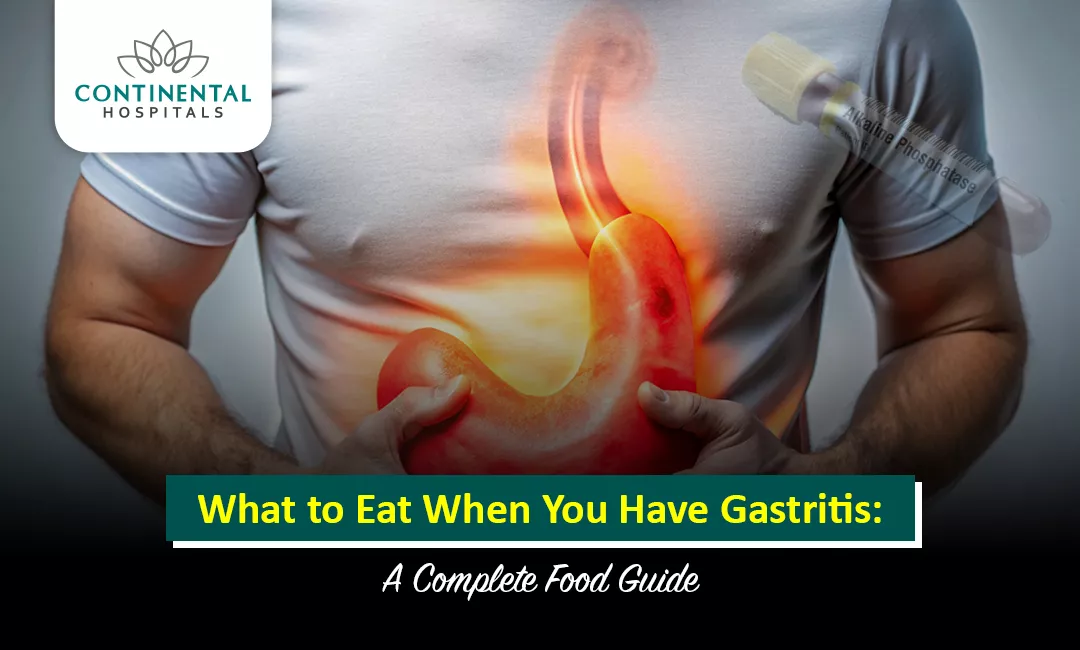
Gastritis is an illness characterized by inflammation or irritation of the stomach's inner lining. It results in symptoms such as stomach pain, bloating, nausea, vomiting, heartburn, and burning in the upper abdomen. It may either be acute or chronic, depending on the cause behind it. Some common causes of this illness include infection caused by the Helicobacter pylori bacteria (also known as H. pylori), frequent use of certain painkillers, and excessive intake of alcohol.

Does the food you eat affect gastritis positively or negatively? Well, yes. Despite food not being the major cause of gastritis in all cases, there are some foods that may irritate your stomach and cause further distress to your body. Eating the right diet when having gastritis will help you in managing your condition effectively.

Foods That Should Be Consumed With Gastritis

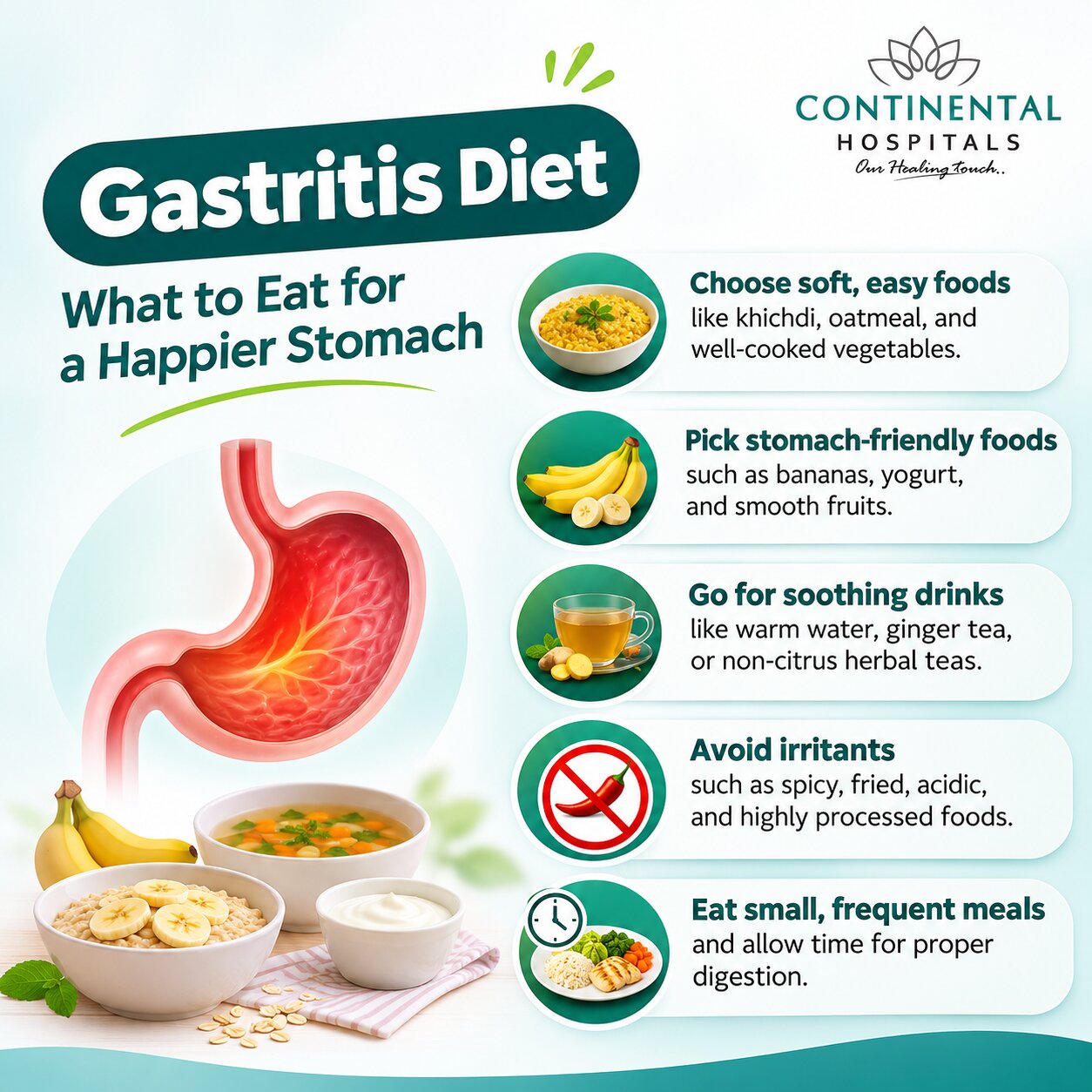
Which foods should be consumed when you are suffering from gastritis? Foods that are most beneficial for gastritis patients include easily digestible, less acidic foods with a minimum quantity of oil and spice content.

Some foods to be consumed daily:

  • Banana: Soft food and easily digestible, and usually tolerated. Contains fiber and nutrients.
  • Oatmeal: Contains soluble fiber and is easily digested. Can be prepared with water and milk.
  • Rice: Cooked rice is an easily digestible food and can be used in meals without the use of heavy spices.
  • Boiled vegetables: Some nutritious vegetables like carrots, pumpkin, bottle gourd, and potatoes are easily consumed when boiled.
  • Curd: Plain curd can be consumed by some people who are tolerant of dairy products. Contains good bacteria.
  • Proteins: Easily digestible boiled egg, fish, and skinless chicken contain protein with less fat.
  • Papaya: Ripe papaya is an easily digested soft fruit.
What Is a Simple Gastritis Diet Plan for Daily Eating?

What should you eat throughout the day if you have gastritis? Eating smaller, balanced meals at regular intervals may help reduce discomfort.

A simple gastritis-friendly diet can include:

Meal Food Suggestions
Breakfast Oatmeal, banana, or idli
Mid-morning Ripe papaya or another tolerated fruit
Lunch Plain rice, cooked vegetables, and dal
Evening snack Plain toast or a small serving of curd
Dinner Soft khichdi, vegetable soup, or steamed vegetables
Fluids Water throughout the day

Foods That You Should Stay Away From If You Have Gastritis

Which foods may worsen the symptoms of gastritis? Some foods may lead to increased irritation in the stomach, increased acid production, or increased discomfort when you experience flare-ups.

Some foods that you should avoid or limit include:

  • Spicy foods like chilli, spicy pickles, and hot curries can make your discomfort worse.
  • Deep fried foods such as snacks or greasy meals.
  • Acidic foods such as lemons, oranges, tomatoes, and juices that contain these.
  • Caffeinated beverages such as coffee, strong tea, and energy drinks.
  • Soda and carbonated beverages that increase bloating.
  • Alcohol since it may irritate the lining of your stomach.
  • Highly processed foods.

These foods affect different people differently. If you do not experience any discomfort with certain foods, there is no need to stop eating them.

Second Opinion

Visit the gastroenterology doctor in Hyderabad at Continental Hospitals, Hyderabad, for expert digestive and gastrointestinal care.

Are Lifestyle Modifications Useful for Dealing With Gastritis?

Yes. Apart from an appropriate gastritis diet, good lifestyle practices will also be useful for alleviating stomach discomfort.

Consider these few tips:

  • Have small portions rather than large ones.
  • Masticate your food well while eating.
  • Don’t lie down right away after eating.
  • Drink sufficient amount of water every day.
  • Cut back on alcohol and refrain from smoking.
  • Pinpoint which foods trigger you.
  • Do not take painkillers without proper medical advice.

These practices will help in managing symptoms but won’t cure the disorder where it arises due to some other illness or infection.

When Do You Need to See a Gastroenterologist?

In what instances does stomach pain require medical advice? A case of occasional indigestion could get better after a change in diet; however, for persistent cases, a medical professional’s attention is required.

Visit a gastroenterologist when you have:

  • Frequent upper abdominal pain or burning sensation.
  • Frequent nausea and vomiting.
  • Chronic bloating and indigestion.
  • Loss of appetite and unexpected weight loss.
  • Persisting symptoms despite changing your diet.

If you vomit blood, pass black or tarry stools, severe stomach pain, and feel dizzy, see a doctor immediately.

Need an Appointment?

The doctor can order blood tests, stool tests, an H. pylori test, and an upper GI endoscopy based on your symptoms. Chronic gastritis treatment varies with cause, and it includes taking medications, infections treatments, and a change in diet.

Why Choose Continental Hospitals for Gastritis Management?

Why is it necessary to get specialized treatment for gastritis management? The condition of stomach inflammation can be caused by various reasons, and just treating the symptoms may fail to cure the underlying cause.

Continental Hospitals, Hyderabad, offers expert gastrointestinal services in conjunction with gastroenterology, well-equipped diagnostic labs, and medical professionals with multidisciplinary knowledge. The facility possesses numerous accreditations in national and international healthcare sectors, such as JCI, NABH, and QAI.

Taking into consideration that the emphasis is made on proper diagnosis, patient safety, and personal treatment, Continental Hospitals endeavors to assist patients with digestive problems to improve their quality of life. Patients will receive suitable medical consultation, diagnostics, and treatment.

Conclusion

Gastritis can be managed by knowing which foods are best tolerated by your stomach. Eating foods such as bananas, oats, rice, well-cooked vegetables, and protein sources may help you manage the problem. However, minimizing intake of spicy, oily, acidic foods, alcohol, and anything else that may trigger your symptoms is essential.

It should be noted that dietary intervention alone will not solve all types of gastritis cases. It is crucial to find out what caused the condition and treat it accordingly.

If you have been experiencing stomach pains, bloating, nausea, indigestion, or other symptoms of gastritis, it is wise to visit our best gastroenterologist in Hyderabad at Continental Hospitals, Hyderabad.


Frequently Asked Questions

People with gastritis may benefit from eating simple, balanced and easily tolerated foods. Oatmeal, rice and whole grains can be suitable options. Bananas are generally gentle on the stomach. Cooked vegetables such as carrots, pumpkin and spinach can provide essential nutrients. Boiled potatoes are another option for a light meal. Lean proteins such as eggs, fish and skinless chicken may be included. Low-fat curd or yoghurt can be consumed if dairy products do not trigger symptoms. Soft-cooked foods may be easier to tolerate than heavily fried meals. Eat smaller portions throughout the day instead of having very large meals. Drink sufficient water to stay hydrated. Individual food tolerance can vary from person to person. Maintain a food diary to identify foods that worsen your symptoms. Consult a gastroenterologist for a personalised gastritis diet plan.
Certain foods and beverages may worsen gastritis symptoms in some people. Spicy foods containing excess chilli may cause stomach discomfort. Deep-fried and oily foods can be difficult to tolerate. Citrus fruits such as oranges and lemons may trigger acidity in sensitive individuals. Tomato-based foods may also increase discomfort for some people. Coffee and other caffeinated drinks can aggravate symptoms. Carbonated beverages may cause bloating and irritation. Alcohol can damage the stomach lining and worsen inflammation. Highly processed foods may also be difficult to tolerate. Very large meals can increase stomach discomfort. Avoiding every food on a restrictive list is not necessary for everyone. Identify your personal triggers through a food diary. Choose balanced meals that do not worsen your symptoms. Seek medical advice if symptoms continue despite dietary changes.
Bananas are generally considered a stomach-friendly food for many people with gastritis. They are soft, easy to eat and provide essential nutrients. Bananas contain dietary fibre that supports digestive health. They also provide potassium, which helps maintain normal body functions. Their mild taste makes them suitable for a simple breakfast or snack. Ripe bananas are often easier to tolerate than very unripe ones. You can eat them whole or add them to oatmeal. Avoid combining bananas with ingredients that trigger your symptoms. Individual digestive responses may differ. Bananas do not cure gastritis or treat the underlying inflammation. They can simply be included as part of a balanced diet. If bananas cause bloating or discomfort, reduce or avoid them. Pay attention to how your stomach responds after eating. Consult a doctor if your symptoms persist.
Some people with gastritis can drink milk without experiencing discomfort. However, milk may worsen symptoms in certain individuals. Full-fat milk can sometimes increase digestive discomfort. People with lactose intolerance may experience bloating, gas or diarrhoea after consuming milk. Low-fat milk may be better tolerated by some individuals. Milk should not be used as a treatment for gastritis. Although it may temporarily soothe discomfort, it does not heal stomach inflammation. Excessive consumption may not be helpful for everyone. You can try small quantities if your doctor has not advised otherwise. Observe whether milk causes acidity or other digestive symptoms. Alternatives such as lactose-free milk may be considered when appropriate. Choose unsweetened options and check their ingredients. Avoid dairy products if they consistently trigger discomfort. Discuss persistent symptoms with a gastroenterologist.
Curd may be suitable for some people experiencing gastritis. It contains protein, calcium and beneficial bacteria. Certain probiotic bacteria may support a healthy balance of gut microorganisms. Plain, unsweetened and low-fat curd is generally a better option than heavily sweetened varieties. It can be included with rice or eaten as a small snack. However, curd does not cure gastritis or eliminate stomach inflammation. Some people may experience bloating or discomfort after consuming dairy products. People with lactose intolerance should be particularly careful. Avoid curd if it consistently worsens your symptoms. Choose fresh curd prepared and stored hygienically. Do not rely on probiotic foods as a replacement for prescribed treatment. Food tolerance varies depending on the individual. Include curd only if it suits your digestive system. Consult your doctor if you experience persistent stomach irritation.
A light and balanced breakfast can help people with gastritis manage their morning meals. Oatmeal prepared with water or tolerated milk is one suitable option. Idli with mild accompaniments can be a gentle choice for many people. Plain dosa with limited oil may also be tolerated. Soft-cooked eggs provide protein and essential nutrients. Ripe bananas can be included as a simple fruit option. Whole-grain toast may be suitable if it does not trigger symptoms. Avoid very spicy chutneys and heavily fried breakfast foods. Limit strong coffee and caffeinated beverages if they worsen acidity. Eat slowly and avoid overeating in the morning. Choose freshly prepared meals with simple ingredients. Individual food tolerance should guide your breakfast choices. Maintain a regular meal schedule throughout the day. Consult a dietitian for a personalised gastritis meal plan.
Diet can help manage gastritis symptoms, but it may not cure the underlying condition. Gastritis involves inflammation of the stomach lining. Common causes include Helicobacter pylori infection and prolonged use of certain pain-relieving medicines. Excessive alcohol consumption can also damage the stomach lining. Identifying the underlying cause is important for effective treatment. Eating balanced meals may reduce discomfort and support digestive health. Avoiding personal food triggers can help control symptoms. Smaller meals may be easier to tolerate than large portions. However, dietary changes alone cannot eliminate an H. pylori infection. Appropriate medication may be required depending on the diagnosis. Your doctor may recommend tests to identify the cause. Follow the prescribed treatment plan carefully. Avoid stopping medicines without medical advice. Consult a gastroenterologist if symptoms persist or return frequently.
People with gastritis may find smaller and more frequent meals easier to tolerate. Instead of eating two or three very large meals, consider having smaller portions throughout the day. A regular meal schedule can help maintain consistent eating habits. Avoid skipping meals if it causes discomfort. Eat slowly and chew food properly. Choose simple meals containing carbohydrates, lean proteins and vegetables. Avoid overeating, especially before bedtime. Limit foods that trigger acidity or stomach irritation. Drink water regularly throughout the day. Avoid drinking excessive amounts of caffeinated or carbonated beverages. Do not lie down immediately after eating if you experience reflux symptoms. The ideal meal frequency varies between individuals. Listen to your body's response to different foods and portion sizes. Consult a dietitian for a meal schedule that suits your digestive health.
You should consult a doctor if stomach discomfort continues or frequently returns. Persistent upper abdominal pain or burning sensations may indicate gastritis. Frequent nausea, vomiting and bloating also require medical evaluation. Loss of appetite and unexplained weight loss should not be ignored. A gastroenterologist can assess your symptoms and medical history. Your doctor may recommend testing for Helicobacter pylori infection. Blood tests or an upper gastrointestinal endoscopy may be advised when necessary. Treatment depends on the underlying cause of inflammation. Medicines may be prescribed to reduce stomach acid or treat an infection. Dietary changes can support recovery alongside medical treatment. Avoid taking painkillers without medical advice if they irritate your stomach. Vomiting blood or passing black, tarry stools requires immediate medical attention. Severe abdominal pain, fainting or significant weakness also needs urgent evaluation. Early diagnosis can help prevent complications and support better digestive health.
Disclaimer: The information provided in this blog is intended for general knowledge and informational purposes only, and does not constitute medical advice. Always consult with a qualified healthcare professional for any medical concerns or before making any decisions about your health.

Get in Touch With Us

Whether you are from India or abroad, we are here to help you with your medical queries. Please fill out the form below and our team will connect with you shortly.

  • ✔ Quick response from our medical experts
  • ✔ Secure data handling & privacy
  • ✔ Easy upload for reports & documents
banner_image

Chat with our medical experts on WhatsApp for quick assistance and hassle-free appointment booking

Recent Posts