
One Anastomosis Gastric Bypass (OAGB) Surgery in Hyderabad | Continental Hospitals

One Anastomosis Gastric Bypass (OAGB)

One Anastomosis Gastric Bypass (OAGB): Expert Bariatric Surgery for Lasting Weight Loss
One Anastomosis Gastric Bypass (OAGB), also known as oagb gastric bypass or oagb bariatric surgery, is a minimally invasive one anastomosis gastric bypass surgery designed to help patients achieve significant weight loss and manage obesity-related health conditions. This OAGB surgery involves creating a small stomach pouch and connecting it directly to a section of the small intestine.   One Anastomosis Gastric Bypass (OAGB) is a minimally invasive oagb procedure designed to help patients achieve significant weight loss and manage obesity-related health conditions. This oagb bariatric surgery involves creating a small stomach pouch and connecting it directly to a section of the small intestine, bypassing a portion of the digestive tract. The result is reduced food intake and lower calorie absorption, which promotes effective weight loss.   OAGB surgery is recommended for patients struggling with morbid obesity, type 2 diabetes, high blood pressure, or other metabolic disorders that do not respond well to diet and exercise alone. Compared to traditional gastric bypass surgeries, one anastomosis gastric bypass surgery is simpler, requires fewer anastomoses, and generally has a shorter recovery time.   Patients undergoing oagb gastric bypass benefit from a structured post-operative care plan, including dietary guidance, physical activity, and regular follow-ups to ensure sustainable results. This surgery not only helps reduce weight but also improves overall quality of life, boosts energy levels, and lowers the risk of obesity-related complications. With expert bariatric surgeons and modern laparoscopic techniques, Continental Hospitals ensures a safe, effective, and patient-centered approach to OAGB surgery.  
One Anastomosis Gastric Bypass (OAGB) One Anastomosis Gastric Bypass (OAGB): Expert Bariatric Surgery for Lasting Weight Loss One Anastomosis Gastric Bypass (OAGB), also known as oagb gastric bypass or oagb bariatric surgery, is a minimally invasive one anastomosis gastric bypass surgery designed to help patients achieve significant weight loss and manage obesity-related health conditions. This OAGB surgery involves creating a small stomach pouch and connecting it directly to a section of the small intestine.   One Anastomosis Gastric Bypass (OAGB) is a minimally invasive oagb procedure designed to help patients achieve significant weight loss and manage obesity-related health conditions. This oagb bariatric surgery involves creating a small stomach pouch and connecting it directly to a section of the small intestine, bypassing a portion of the digestive tract. The result is reduced food intake and lower calorie absorption, which promotes effective weight loss.   OAGB surgery is recommended for patients struggling with morbid obesity, type 2 diabetes, high blood pressure, or other metabolic disorders that do not respond well to diet and exercise alone. Compared to traditional gastric bypass surgeries, one anastomosis gastric bypass surgery is simpler, requires fewer anastomoses, and generally has a shorter recovery time.   Patients undergoing oagb gastric bypass benefit from a structured post-operative care plan, including dietary guidance, physical activity, and regular follow-ups to ensure sustainable results. This surgery not only helps reduce weight but also improves overall quality of life, boosts energy levels, and lowers the risk of obesity-related complications. With expert bariatric surgeons and modern laparoscopic techniques, Continental Hospitals ensures a safe, effective, and patient-centered approach to OAGB surgery.  

Enquire Now

One Anastomosis Gastric Bypass (OAGB) Overview

One Anastomosis Gastric Bypass (OAGB), also known as oagb gastric bypass or oagb bariatric surgery, is a minimally invasive one anastomosis gastric bypass surgery designed to help patients achieve significant weight loss and manage obesity-related health conditions. This OAGB surgery involves creating a small stomach pouch and connecting it directly to a section of the small intestine.


One Anastomosis Gastric Bypass (OAGB) is a minimally invasive oagb procedure designed to help patients achieve significant weight loss and manage obesity-related health conditions. This oagb bariatric surgery involves creating a small stomach pouch and connecting it directly to a section of the small intestine, bypassing a portion of the digestive tract. The result is reduced food intake and lower calorie absorption, which promotes effective weight loss.


OAGB surgery is recommended for patients struggling with morbid obesity, type 2 diabetes, high blood pressure, or other metabolic disorders that do not respond well to diet and exercise alone. Compared to traditional gastric bypass surgeries, one anastomosis gastric bypass surgery is simpler, requires fewer anastomoses, and generally has a shorter recovery time.


Patients undergoing oagb gastric bypass benefit from a structured post-operative care plan, including dietary guidance, physical activity, and regular follow-ups to ensure sustainable results. This surgery not only helps reduce weight but also improves overall quality of life, boosts energy levels, and lowers the risk of obesity-related complications. With expert bariatric surgeons and modern laparoscopic techniques, Continental Hospitals ensures a safe, effective, and patient-centered approach to OAGB surgery.


What is One Anastomosis Gastric Bypass (OAGB)

One Anastomosis Gastric Bypass (OAGB) is a minimally invasive weight loss surgery designed to help individuals with severe obesity achieve long-term weight reduction. In this one anastomosis gastric bypass surgery, a small stomach pouch is created and connected directly to a section of the small intestine, bypassing a portion of the stomach and intestine. This reduces calorie absorption while limiting food intake.


OAGB surgery is considered simpler than traditional gastric bypass because it involves only one anastomosis (connection) between the stomach and intestine, resulting in shorter surgery time and faster recovery. The procedure also helps improve obesity-related conditions like type 2 diabetes, hypertension, sleep apnea, and high cholesterol. Candidates typically have a BMI above 35 or obesity-related health complications. OAGB gastric bypass combines restriction and malabsorption for effective and sustainable weight loss, with growing popularity due to its efficiency and safety.


Types of One Anastomosis Gastric Bypass (OAGB) procedures

There are several weight loss surgery options, including oagb bariatric procedures:

  • Roux-en-Y Gastric Bypass (RYGB) – Creates a small stomach pouch connected to the small intestine
  • Mini Gastric Bypass (OAGB) – A form of one anastomosis gastric bypass surgery with a single connection
  • Sleeve Gastrectomy – Removes a large portion of the stomach
  • Adjustable Gastric Banding – Limits food intake with a gastric band
  • Biliopancreatic Diversion with Duodenal Switch (BPD/DS) – Advanced bariatric option for severe obesity

Each oagb procedure and alternative varies in complexity, recovery time, and weight loss outcomes.

Need for One Anastomosis Gastric Bypass (OAGB) Procedures

OAGB surgery is considered when non-surgical methods fail to provide long-term results.

Key reasons include:

  • Severe obesity with BMI above 35–40
  • Obesity-related conditions such as diabetes or hypertension
  • Failure of diet and exercise
  • Need for long-term metabolic improvement

For many patients, one anastomosis gastric bypass surgery provides a safe, effective, and durable solution when conservative treatments are insufficient.

Preparing for One Anastomosis Gastric Bypass (OAGB)

Proper preparation supports the success of oagb bariatric surgery:

  • Medical evaluation
  • Dietary guidance
  • Lifestyle changes
  • Medication review
  • Psychological counseling
  • Pre-operative instructions

This preparation helps minimize one anastomosis gastric bypass complications and improves recovery.

One Anastomosis Gastric Bypass (OAGB) procedure

The OAGB procedure is performed under general anesthesia and typically takes 1–2 hours:

  • Creation of stomach pouch
  • Intestinal bypass
  • Single anastomosis connection
  • Laparoscopic closure

This oagb gastric bypass combines restriction and malabsorption for effective weight loss and metabolic improvement.

Post-One Anastomosis Gastric Bypass (OAGB) care

Recovery after one anastomosis gastric bypass surgery requires structured follow-up:

  • Diet progression
  • Hydration
  • Vitamin and mineral supplementation
  • Physical activity
  • Follow-up visits
  • Symptom monitoring

Proper care reduces the risk of one anastomosis gastric bypass complications and supports long-term success.


Risks and Complications

Although OAGB surgery is generally safe, potential one anastomosis gastric bypass complications include:

  • Nutritional deficiencies
  • Leakage or infection
  • Dumping syndrome
  • Bowel obstruction
  • Ulcers
  • Weight regain

Regular monitoring and adherence to medical advice help reduce these risks.

Success Rates and Outcomes

OAGB gastric bypass demonstrates high success rates:

  • 60–70% excess weight loss in 1–2 years
  • Significant improvement in metabolic conditions
  • Enhanced quality of life
  • Lower complication rates compared to traditional bypass
  • Long-term success with lifestyle adherence

Conclusion

One Anastomosis Gastric Bypass (OAGB) is a highly effective oagb bariatric surgery that promotes sustainable weight loss through stomach restriction and intestinal bypass. With proper preparation, surgical expertise, and post-operative care, one anastomosis gastric bypass surgery offers a safe and reliable solution for individuals with severe obesity.

Why choose Continental Hospitals for One Anastomosis Gastric Bypass (OAGB)

Continental Hospitals is a trusted center for OAGB surgery, offering advanced oagb procedures performed by experienced bariatric surgeons. With personalized care, comprehensive post-operative support, and evidence-based practices, Continental Hospitals ensures patient safety, reduced one anastomosis gastric bypass complications, and long-term weight loss success through oagb gastric bypass.


Our Doctors
Continental Hospitals is a NABH and JCI accredited facility in Hyderabad offering multi-specialty, tertiary and quaternary care services. The hospital has Green OT, Level 3 NICU and PICU, and is known for it’s efficient critical care team.
Dr Kesava Reddy Mannur
Director – Obesity & Weight Loss Center | Senior Consultant – Laparoscopic, Gastrointestinal & Bariatric Surgeon
Frequently Asked Questions
OAGB is a weight-loss surgery that reduces stomach size and reroutes part of the small intestine. It involves only one surgical connection (anastomosis), simplifying the procedure, shortening surgery time, and promoting effective weight loss.
OAGB uses a single loop technique, reducing complications like bile reflux. It is less invasive and generally allows faster recovery compared to traditional gastric bypass, while offering similar weight-loss results.
OAGB is recommended for individuals with a BMI of 35 or higher, or those with obesity-related conditions such as type 2 diabetes, high blood pressure, or sleep apnea. A detailed medical evaluation is essential before surgery.
Most patients lose 60–85% of their excess weight within 12 to 18 months after OAGB. Long-term success depends on following dietary guidelines, regular physical activity, and attending follow-up appointments.
When performed by an experienced bariatric surgeon, OAGB is considered safe and effective. Risks like nutritional deficiencies, reflux, or surgical complications exist but are manageable with proper follow-up and lifestyle adjustments.
Benefits of OAGB include significant weight loss, improvement or resolution of type 2 diabetes, reduced hypertension, better sleep, enhanced mobility, increased energy levels, and improved overall quality of life.
Most patients can return to normal daily activities within 1–2 weeks. Full recovery, including adapting to a new diet and lifestyle, may take 2–3 months, with regular medical follow-ups essential for safe progress.
Yes. After OAGB, patients follow a structured diet starting with liquids, moving to soft foods, and then solids. Long-term dietary habits include smaller portion sizes, high-protein meals, and vitamin/mineral supplementation to prevent deficiencies.
OAGB (One Anastomosis Gastric Bypass) is considered partially reversible in selected cases, depending on patient condition and surgical assessment. Reversal is uncommon and performed only when medically necessary.
Yes, one anastomosis gastric bypass is the same as mini gastric bypass. Both terms describe the same bariatric procedure that uses a single intestinal connection.
The one anastomosis gastric bypass procedure involves creating a small stomach pouch and connecting it to a loop of the small intestine, reducing food intake and calorie absorption to promote weight loss.

Hyderabad - the home to the world's best tech companies & now home to India's Best Tech Hospital!

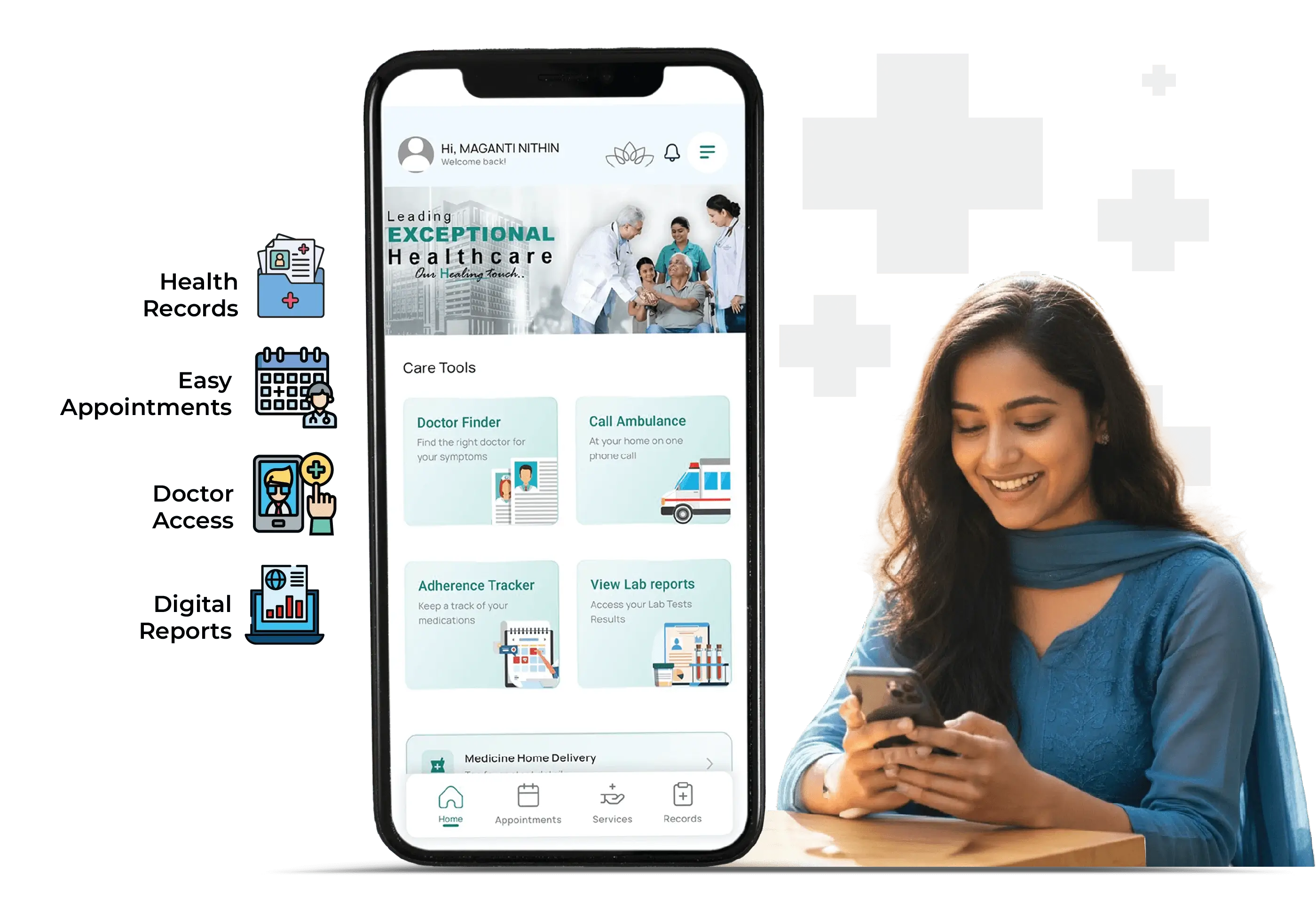
Download the Continental
Connect App

Stay connected with Continental Hospitals anytime, anywhere.

Book doctor appointments & video consultations instantly
Access prescriptions, lab reports & discharge summaries
Track your health check packages, bills & renewal reminders
Manage your family’s medical records securely in one place

Download the app now
for faster, smarter, paperless healthcare

Appointment Video Consultation WhatsApp Call
×
Chat with us on Whatsapp
WhatsApp