.webp)
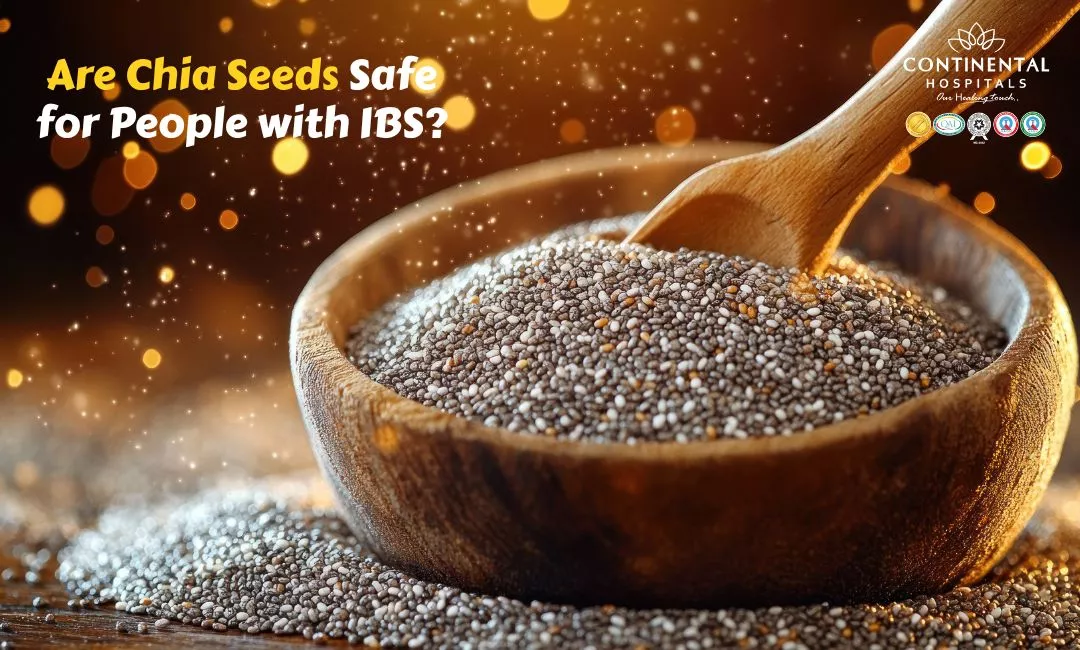
Chia seeds have gained immense popularity as a superfood due to their high fiber content, antioxidants, and healthy omega-3 fatty acids. Many people include chia seeds in their daily diet to boost digestion, improve heart health, and enhance overall wellness. But if you have irritable bowel syndrome, you may wonder, are chia seeds safe for you? This article explores the role of chia seeds for IBS, potential side effects, and how to include them in your diet safely.
Understanding IBS and Fiber
Irritable bowel syndrome, or IBS, is a common digestive disorder that affects the large intestine. People with IBS often experience symptoms like bloating, abdominal pain, constipation, and diarrhea. Diet plays a crucial role in managing these symptoms. One of the main concerns for people with IBS is fiber intake. Fiber can help regulate bowel movements, but some types may trigger discomfort.
Chia seeds are rich in dietary fiber, especially soluble fiber. Soluble fiber absorbs water and forms a gel-like substance in the gut, which can help ease both constipation and diarrhea. However, it is important to understand how chia seeds interact with the digestive system, particularly for IBS patients.
Struggling with IBS or digestive issues? Consult our top gastroenterologists at Continental Hospitals for a safe, personalized gut-friendly diet plan.
Benefits of Chia Seeds for IBS
Including chia seeds in your diet may offer several benefits for IBS, if done correctly:
- Supports Digestive Health: Soluble fiber in chia seeds can help regulate bowel movements and reduce constipation.
- Reduces Bloating: When soaked in water, chia seeds expand and form a gel, which may help reduce intestinal irritation and bloating.
- Balances Gut Bacteria: Fiber in chia seeds acts as a prebiotic, feeding beneficial gut bacteria and improving overall gut health.
- Provides Essential Nutrients: Chia seeds contain omega-3 fatty acids, protein, and antioxidants, supporting overall wellness without putting extra stress on the gut.
- Versatile in Diet: Chia seeds can be added to smoothies, yogurt, oatmeal, and salads, making them easy to include in an IBS-friendly diet.
Chia Seeds Side Effects to Consider
Although chia seeds offer multiple health benefits, some people with IBS may experience side effects if consumed inappropriately. It is important to be aware of these potential issues:
- Excessive Fiber Intake: Adding too many chia seeds at once can cause bloating, gas, or diarrhea.
- Choking Risk: Dry chia seeds absorb water and expand quickly, which can pose a choking hazard if not soaked properly.
- Individual Sensitivity: People with IBS react differently to fiber, so some may experience discomfort even with moderate consumption.

How to Safely Include Chia Seeds for IBS
To enjoy the benefits of chia seeds without worsening IBS symptoms, follow these simple guidelines:
- Start Small: Begin with a small amount, like a teaspoon, and gradually increase based on tolerance.
- Soak Before Eating: Soak chia seeds in water, milk, or a plant-based liquid for at least 15-20 minutes to make them easier to digest.
- Combine with Low-FODMAP Foods: Pair chia seeds with foods that are gentle on the gut, such as bananas, berries, and oatmeal.
- Stay Hydrated: Fiber works best when there is adequate water intake, which helps prevent constipation.
- Monitor Your Body: Keep track of any symptoms and adjust the amount of chia seeds accordingly.
IBS Friendly Foods Alongside Chia Seeds
Adding chia seeds to a diet that already focuses on IBS-friendly foods can improve digestion and comfort. Consider including:

- Oatmeal or cooked oats
- Lactose-free yogurt
- Low-FODMAP vegetables like carrots, zucchini, and spinach
- Berries such as strawberries and blueberries
- Lean proteins like fish and eggs
Combining these foods with chia seeds can provide a balanced, fiber-rich diet that supports gut health without causing irritation.
Why Choose Continental Hospitals for Digestive Health?
Managing IBS and digestive concerns requires expert care and personalized guidance. Continental Hospitals, recognized as the best hospital in Hyderabad, provides advanced diagnostic and treatment facilities for gastrointestinal disorders. Accredited by national healthcare boards, Continental Hospitals ensures patient safety, quality care, and evidence-based treatment protocols.
Patients benefit from:
- Experienced gastroenterologists and nutrition specialists
- State-of-the-art diagnostic tools for accurate assessment
- Personalized diet and lifestyle plans for IBS management
- Comprehensive care in a comfortable and hygienic environment
With a multidisciplinary approach, Continental Hospitals helps patients achieve better gut health and manage IBS symptoms effectively.
Conclusion
So, are chia seeds safe for people with IBS? The answer is yes, when consumed properly. Chia seeds can be a valuable addition to an IBS-friendly diet, providing fiber, nutrients, and gut-supporting benefits. However, it is important to start with small amounts, soak them properly, and monitor your body’s response.
If you suffer from IBS or have digestive concerns, consulting our best gastroenterologist can help create a safe, effective diet plan tailored to your needs. At Continental Hospitals, our digestive health specialists guide patients with personalized care, ensuring safe and sustainable gut health management.
Chia seeds can be part of a healthy diet for IBS when approached with caution, proper guidance, and professional support from experts at Continental Hospitals.
Related Blog Topics: