.webp)

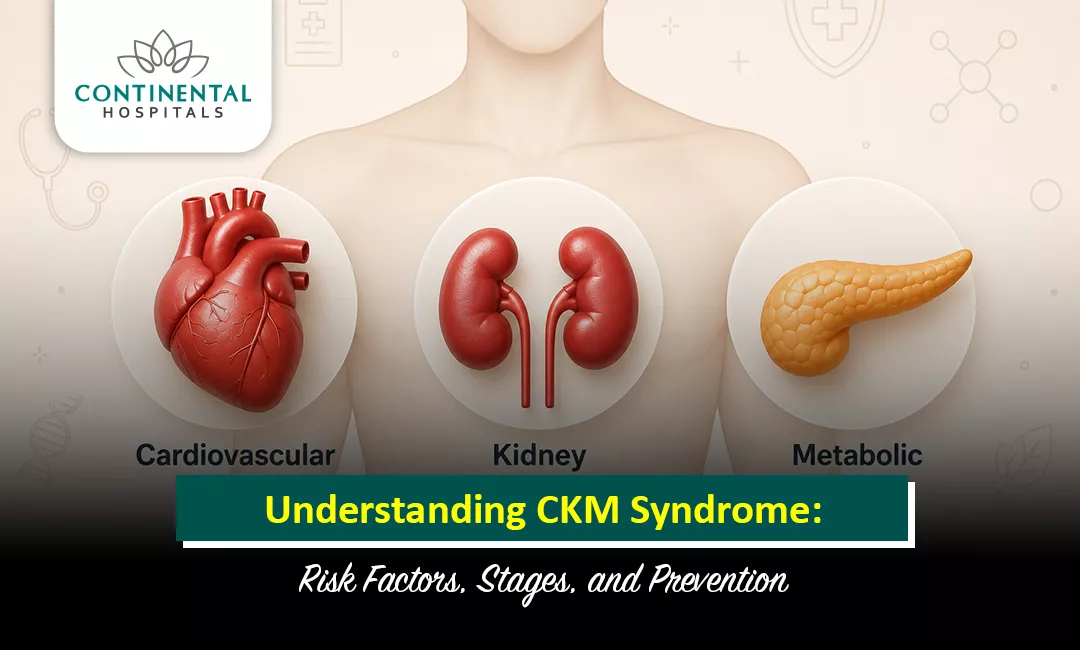
CKM syndrome is a growing health concern that connects the health of your heart, kidneys, and metabolism. The term "CKM syndrome" stands for cardiovascular kidney metabolic syndrome, a condition where problems affecting one of these systems can also impact the others. People with obesity, diabetes, high blood pressure, high cholesterol, or chronic kidney disease are more likely to develop CKM syndrome. Early diagnosis and proper treatment can help reduce the risk of serious complications such as heart attack, stroke, kidney failure, and diabetes-related health issues.
Many people are unaware that these conditions are closely linked. They may focus only on controlling blood sugar or blood pressure without realizing that protecting heart, kidney, and metabolic health requires a complete approach. Understanding CKM syndrome, its risk factors, stages, and prevention strategies can help you take the right steps toward better long-term health and improve your quality of life.
What is CKM Syndrome?
CKM syndrome, also known as cardiovascular-kidney-metabolic syndrome, is a medical condition that describes the strong connection between heart disease, kidney disease, obesity, diabetes, and other metabolic disorders. When one of these conditions develops, it increases the risk of problems in the others.
For example, uncontrolled diabetes can damage the kidneys, while kidney disease can increase the risk of heart disease. Similarly, obesity and high blood pressure place extra strain on both the heart and kidneys. This interconnected relationship makes early diagnosis and treatment essential.
Why is CKM Syndrome Becoming More Common?
Several lifestyle and health factors have contributed to the increasing number of people diagnosed with CKM syndrome.
Some of the common reasons include:
- Increasing rates of obesity
- Sedentary lifestyle
- Poor eating habits
- Uncontrolled diabetes
- High blood pressure
- High cholesterol
- Smoking
- Chronic stress
- Lack of regular health checkups
- Family history of heart or kidney disease
As these conditions become more common, so does the risk of developing cardiovascular kidney metabolic syndrome.
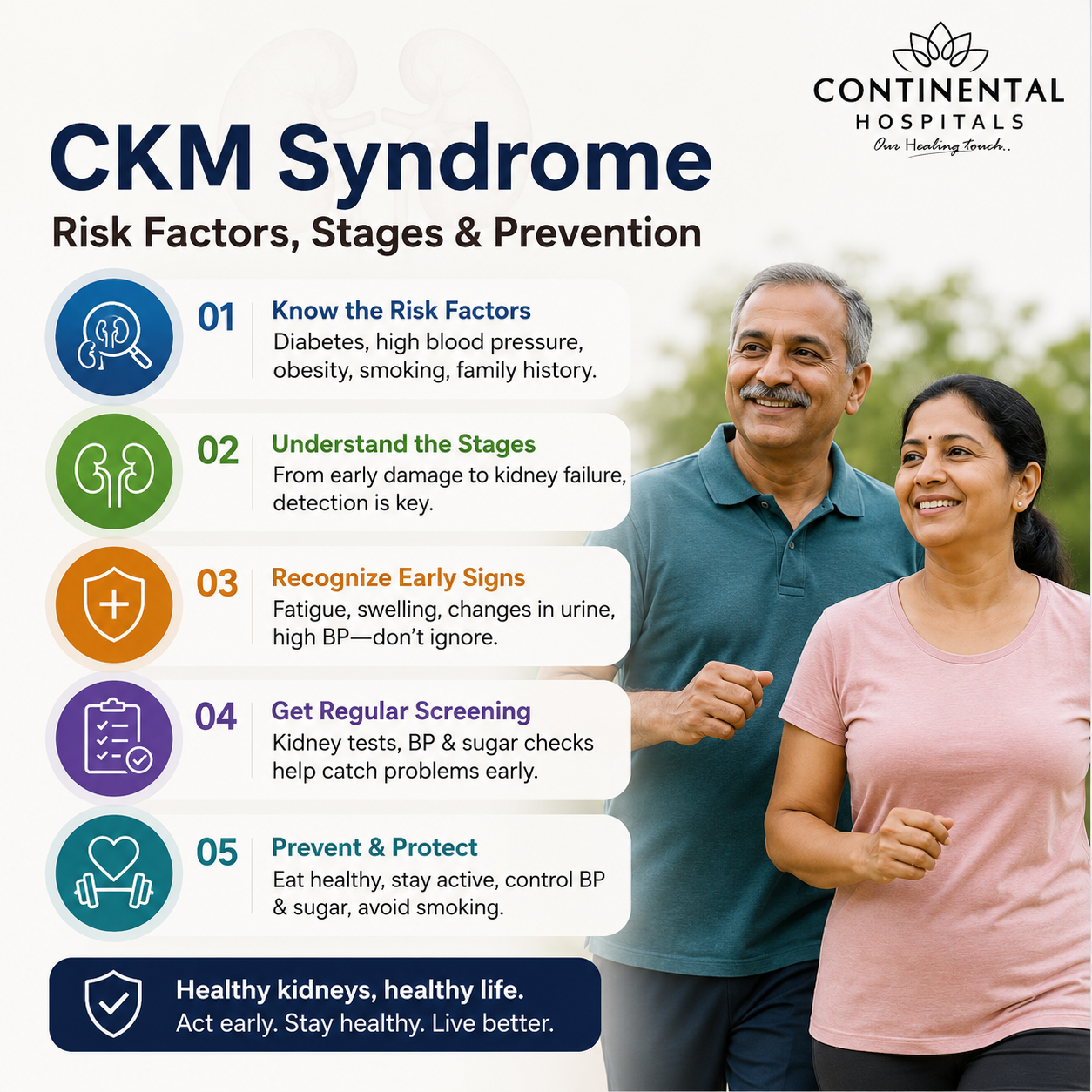
What Are the Major CKM Syndrome Risk Factors?
Several factors increase the likelihood of developing CKM syndrome.

- Lifestyle Risk Factors
- Physical inactivity
- Unhealthy diet rich in processed foods
- Smoking and tobacco use
- Excessive alcohol consumption
- Poor sleep habits
- Long-term stress
- Medical Risk Factors
- Type 2 diabetes
- High blood pressure
- High cholesterol
- Obesity
- Fatty liver disease
- Chronic kidney disease
- Previous heart disease
- Family and Age-Related Risk Factors
- Family history of diabetes
- Family history of heart disease
- Family history of kidney disease
- Increasing age
Recognizing these CKM syndrome risk factors early allows doctors to recommend preventive measures before complications develop.
What Are the Different CKM Syndrome Stages?
Doctors classify CKM syndrome into different stages based on a person's overall health and disease progression.
Stage 0
There are no known metabolic, kidney, or heart problems. The goal is to maintain a healthy lifestyle and prevent future disease.
Stage 1
Excess body weight or unhealthy body fat begins to affect metabolic health. Lifestyle improvements can often reverse this stage.
Stage 2
Conditions such as diabetes, high blood pressure, high cholesterol, or early kidney disease become evident. Timely treatment is important to prevent further progression.
Stage 3
Early cardiovascular disease may develop. Blood vessels may begin showing signs of damage, increasing the risk of heart attack or stroke.
Stage 4
Advanced cardiovascular disease, chronic kidney disease, or multiple complications are present. Intensive medical care and long term monitoring become necessary.
Understanding CKM syndrome stages helps doctors choose the most effective treatment plan for each patient.
What Are the Common Symptoms of CKM Syndrome?
CKM syndrome often develops silently, especially during the early stages.
Possible symptoms include:
- Frequent tiredness
- Swelling in the legs or feet
- Shortness of breath
- Chest discomfort
- Increased thirst
- Frequent urination
- Weight gain
- Difficulty exercising
- High blood pressure
- Elevated blood sugar levels
Many people may not notice symptoms until complications develop, making regular health screenings extremely important.
How is CKM syndrome diagnosed?
Doctors use a combination of medical history, physical examination, and laboratory tests to diagnose CKM syndrome.
Common investigations include:
- Blood pressure measurement
- Blood sugar testing
- HbA1c test
- Kidney function tests
- Cholesterol profile
- Urine protein testing
- Electrocardiogram
- Echocardiogram
- Body Mass Index assessment
- Waist circumference measurement
Early screening helps detect cardiovascular, kidney, and metabolic syndrome before permanent damage occurs.
How Can CKM Syndrome Be Prevented?
CKM syndrome prevention begins with healthy daily habits that protect both the heart and kidneys.
Healthy Lifestyle Habits
- Eat a balanced diet rich in vegetables, fruits, whole grains, and lean proteins.
- Limit processed foods, sugary drinks, and excess salt.
- Exercise regularly for at least 150 minutes every week.
- Maintain a healthy body weight.
- Stay physically active throughout the day.
- Protect Heart and Kidney Health
- Control blood pressure.
- Keep blood sugar within the recommended range.
- Manage cholesterol levels.
- Drink enough water.
- Avoid smoking and tobacco products.
- Limit alcohol intake.
Regular Medical Care
- Schedule routine health checkups.
- Follow prescribed medications regularly.
- Monitor kidney function if you have diabetes or hypertension.
- Seek medical advice if symptoms appear.
These CKM syndrome prevention strategies significantly reduce the risk of developing serious complications.
Why is Early Treatment Important for CKM Syndrome?
Early diagnosis allows doctors to slow disease progression before irreversible damage occurs.
Benefits of early treatment include:
- Better heart, kidney, and metabolic health
- Reduced risk of heart attack
- Lower chance of stroke
- Improved kidney function
- Better diabetes control
- Improved quality of life
- Longer life expectancy
- Reduced risk of hospitalization
The earlier CKM syndrome is identified, the better the treatment outcomes.
Why Choose Continental Hospitals for CKM Syndrome Care?
Continental Hospitals is one of the best hospitals in Hyderabad, providing comprehensive care for patients with CKM syndrome through a multidisciplinary approach. Our experienced cardiologists, nephrologists, endocrinologists, internal medicine specialists, nutrition experts, and preventive healthcare teams work together to develop personalized treatment plans that protect your heart, kidneys, and metabolic health.
Continental Hospitals is internationally recognized with JCI, NABH, and QAI accreditations, reflecting our commitment to patient safety, clinical excellence, and world-class healthcare standards. Our advanced diagnostic technology, evidence-based treatment protocols, preventive health programs, and patient-centered care help ensure accurate diagnosis, early intervention, and long-term disease management for cardiovascular, kidney, and metabolic syndrome.
When Should You Consult a Doctor?
Consult a doctor if you experience:
- Persistent high blood pressure
- Poorly controlled diabetes
- High cholesterol levels
- Unexplained swelling in the legs
- Chest pain
- Shortness of breath
- Frequent fatigue
- Kidney disease
- Obesity with multiple health conditions
- Family history of heart or kidney disease
Early medical evaluation can prevent serious complications and improve long-term outcomes.
Conclusion
CKM syndrome is more than just a single disease. It is a condition that highlights the close connection between heart health, kidney function, and metabolic disorders. Understanding CKM syndrome risk factors, recognizing CKM syndrome stages, and following effective CKM syndrome prevention strategies can help reduce the risk of life-threatening complications. Regular health checkups, healthy lifestyle choices, and timely treatment play an important role in protecting your heart, kidney, and metabolic health for years to come.
If you have diabetes, high blood pressure, obesity, kidney disease, or any symptoms related to CKM syndrome, do not delay seeking medical care. Consult our best internal medicine specialist in Hyderabad, the best cardiologist in Hyderabad, the best nephrologist in Hyderabad, and the best endocrinologist in Hyderabad at Continental Hospitals for comprehensive evaluation, early diagnosis, personalized treatment, and long-term management to protect your heart, kidneys, and overall health.