.webp)


In recent years, supermarket shelves and restaurant menus have seen a noticeable rise in bright green pods known as edamame. Once a simple staple of traditional East Asian cuisine, this versatile legume has now gained global attention among health-conscious eaters, nutritionists, and everyday consumers alike.
So what exactly makes this green “gem” so popular, and why has it become a regular feature in modern wellness-focused diets? As more people shift toward whole-food, plant-based eating, understanding the nutritional value behind everyday foods has become an important part of long-term health and wellbeing.
What is Edamame?
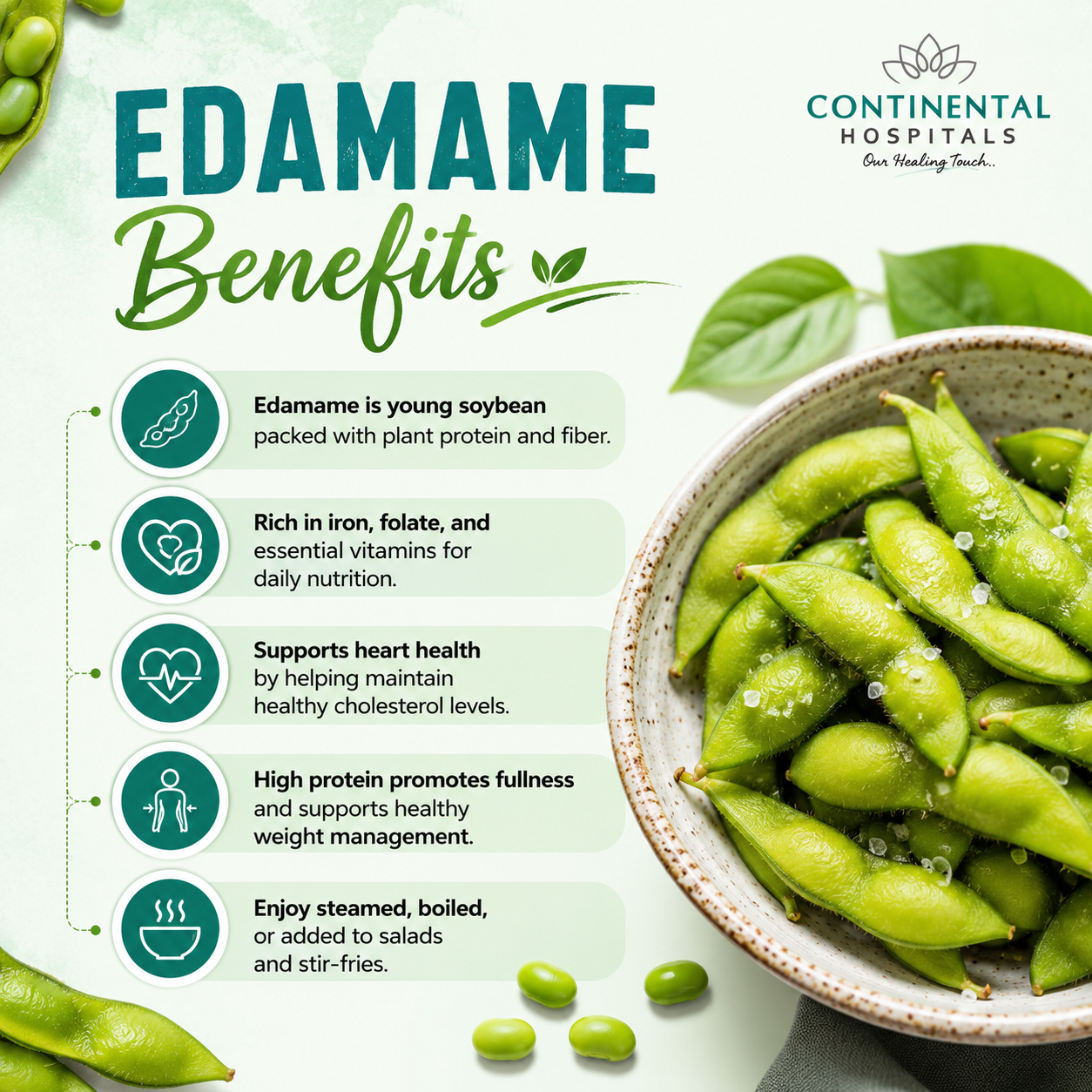
At its core, edamame consists of young, immature soybeans harvested before they have a chance to harden and ripen fully. The name itself translates directly from Japanese as "stem beans," historically referencing how the pods were traditionally sold while still attached to the plant's stem. Unlike mature soybeans, which are typically processed into tofu, tempeh, soy milk, or extracted for oil, edamame is harvested at the absolute peak of its greenness and tenderness.
Visually distinctive, these legumes are encased in a slightly fuzzy, fibrous pod that is not meant to be swallowed. Instead, the magic happens inside, where you find soft, plump, bright green beans boasting a subtly sweet, nutty flavor profile and a satisfying, crisp bite. Because they are harvested during this specific growth stage, they retain a vastly different sensory appeal and nutrient density compared to their mature counterparts, making them an excellent whole-food addition to any clean eating routine.
Book a consultation with the Nutrition & Dietetics team at Continental Hospitals and get a plan built around your body, your goals, and your lifestyle.
Why Is It So Popular in Healthy Diets?
The rapid global popularity of edamame within healthy lifestyles is no accident. In an era dominated by hyper-processed snacks and artificial ingredients, consumers are increasingly seeking out real, unadulterated food sources that deliver clean, sustained energy. This green pod perfectly fulfills that demand by functioning as a multi-purpose culinary asset. It easily bridges the gap between a high-protein ingredient and an accessible, convenient healthy snack.
Furthermore, the modern shifting preference toward sustainable plant-based eating has accelerated its adoption. Whether someone is an absolute vegan, a flexible vegetarian, or a dedicated meat-eater looking to reduce their animal protein footprint, this legume offers an incredibly approachable pathway to balanced nutrition. It requires minimal preparation, pairs seamlessly with an expansive array of global cuisines, and provides a deeply satisfying sense of fullness that few other vegetable options can match.
What is the Nutritional Profile of Edamame?
When looking closely at edamame nutrition, it becomes immediately clear why health professionals hold this food in such high regard. It is a dense, microscopic reservoir of fundamental micronutrients, macronutrients, and protective dietary fibers.

A standard single-cup serving (roughly 155 grams) of cooked, shelled pods provides an incredibly robust array of daily nutritional requirements:
| Nutrient Component | Average Value per Cooked Cup (155g) | % Recommended Daily Value (DV) |
| Calories | 188 kcal | 9% |
| Carbohydrates | 13.8 grams | 5% |
| Dietary Fiber | 8.1 grams | 32% |
| Total Protein | 18.5 grams | 37% |
| Total Fat | 8.1 grams | 10% |
| Folate (Vitamin B9) | 482 mcg | 121% |
| Vitamin K1 | 26.7 mcg | 22% |
| Manganese | 1.2 mg | 52% |
Beyond these foundational metrics, these green beans are rich in copper, iron, magnesium, thiamin, and phosphorus. This ensures that every serving contributes actively to cellular energy production, skeletal strength, and metabolic regularity.
Is It a Great Weight Loss Food?
If you are exploring practical dietary adjustments to manage body composition, edamame stands out as an exceptional weight loss food. The key to effective weight management is choosing foods that maximise satiety, the natural feeling of fullness, while staying within your daily calorie needs. This is exactly where this legume stands out.
The dual presence of substantial dietary fiber and plant-based protein acts as a natural appetite regulator. Fiber delays gastric emptying, ensuring that energy is released slowly into your bloodstream over several hours, keeping intense hunger pangs and spontaneous snacking urges at bay. Concurrently, protein stimulates the release of satiety hormones like peptide YY and GLP-1 while reducing levels of the hunger hormone ghrelin. Replacing processed carbohydrate chips or refined crackers with a bowl of lightly steamed pods gives your body a nutrient-dense alternative that keeps you fully satisfied with minimal caloric impact.
What Are the Heart Health Benefits?
Cardiovascular health is closely tied to everyday food choices, and edamame supports the heart in several meaningful ways. Research shows that soy-based foods can help improve lipid levels in the body. It may reduce low-density lipoprotein (LDL) cholesterol, often called “bad” cholesterol, along with triglycerides, while helping maintain healthy levels of high-density lipoprotein (HDL) cholesterol.
This cardiac protection stems partly from its rich concentration of isoflavones, which are natural plant compounds acting as powerful antioxidants within the human vascular system. These compounds assist in reducing oxidative stress and arterial inflammation, promoting better blood vessel elasticity and smoother circulation. Additionally, the impressive amounts of potassium and magnesium present work together to regulate blood pressure levels, helping to relieve stress on the heart muscle and lower long-term risks associated with hypertension.
Can It Assist with Blood Sugar Control?
Maintaining stable blood sugar levels is a priority not just for individuals managing diabetes or insulin resistance, but for anyone seeking consistent energy throughout the day. Refined, simple carbohydrates trigger rapid, unhealthy spikes in blood glucose followed by sharp, exhausting drops. Edamame behaves in a fundamentally opposite manner.
It possesses an incredibly low glycemic index (GI), meaning its impact on blood sugar levels is exceptionally gentle. Because the natural carbohydrates inside are tightly bound with structural dietary fiber and plant protein, the digestion process is significantly slowed. This gradual breakdown prevents sudden surges in insulin production. Incorporating it into main meals or utilizing it as an afternoon snack helps smooth out blood sugar curves, protecting your body from energy slumps and supporting metabolic health.
Why is It Considered a Complete Protein?
One of edamame’s standout qualities is that it is a complete protein source. To understand why that matters, it helps to look at how protein works in the body. Proteins are made up of amino acids, and nine of these are considered essential because the body cannot produce them on its own. They must come directly from food.
Most plant-based foods, including grains, nuts, and many legumes, are missing one or more of these essential amino acids. Soy is a rare exception. Edamame provides all nine essential amino acids in balanced, usable amounts, making it a complete and high-quality plant protein.
This places it in the same category of protein completeness as animal-based foods like meat, dairy, and eggs. For people following vegan or vegetarian diets, it becomes a valuable option for supporting muscle repair, tissue growth, and immune function, all while avoiding the higher saturated fat content typically found in animal proteins.
Culinary Tip: How to Prepare and Eat Edamame?
Edamame is one of the easiest ingredients to work into your meals. You’ll find it fresh or frozen, and either in the pod or already shelled.
Steaming or boiling:
Bring water to a boil, add the pods, and cook for about 3 to 5 minutes. Drain them, then finish with a pinch of sea salt or chili flakes for a simple, flavorful snack.
Salads and bowls:
Shelled edamame works well tossed into salads, grain bowls, or poke-style dishes. It adds a quick protein boost without changing the flavor profile too much.
Dips and spreads:
Blend boiled, shelled edamame with garlic, tahini, lemon juice, and olive oil. The result is a bright green, protein-rich spread that works as a hummus alternative.
Is It Safe to Eat Edamame Every Day?
For most people, yes. Eating edamame daily in moderate portions is generally safe and can fit well into a balanced diet. It’s a whole, minimally processed soy food and aligns with widely accepted healthy eating patterns.
Concerns about soy often come from outdated ideas about phytoestrogens. In reality, plant phytoestrogens behave very differently from human estrogen and do not disrupt hormone balance when consumed as part of a normal diet.
A daily serving can actually help maintain steady nutrient intake, especially for plant-based protein, fiber, and key micronutrients.
What Are the Possible Side Effects?
Edamame is well tolerated by most people, but a few things are worth noting.
Because it’s high in fiber, people who aren’t used to fiber-rich foods may experience mild bloating, gas, or stomach discomfort if they eat large amounts too quickly. Increasing intake gradually and drinking enough water usually solves this.
Soy is also a known food allergen. Anyone with a soy allergy should avoid edamame completely.
In some cases, people with specific medical conditions like complex thyroid issues or hormone-sensitive disorders may need individualized guidance. A consultation with a clinical dietitian helps clarify safe intake levels based on personal health needs.
Why Choose Continental Hospitals for Your Nutrition Support?
Every body works differently. Metabolism, health history, and lifestyle all shape what “good nutrition” really looks like. That’s why general diet advice often falls short.
At Continental Hospitals, the Department of Nutrition & Dietetics focuses on personalized, evidence-based care. The approach goes beyond generic diet plans. Specialists review your medical background, current health markers, daily routine, and goals before designing a structured nutrition plan.
Whether the focus is managing diabetes, supporting heart health, improving energy levels, or handling food sensitivities, the goal stays the same: practical nutrition that actually fits your life and works long term.
Ready to Take Control of Your Nutrition?
If you’re trying to improve your diet or include nutrient-rich foods like edamame in a more structured way, professional guidance can make the process clearer and more effective.
Book a consultation with the Nutrition & Dietetics team at Continental Hospitals and get a plan built around your body, your goals, and your lifestyle.