post-title

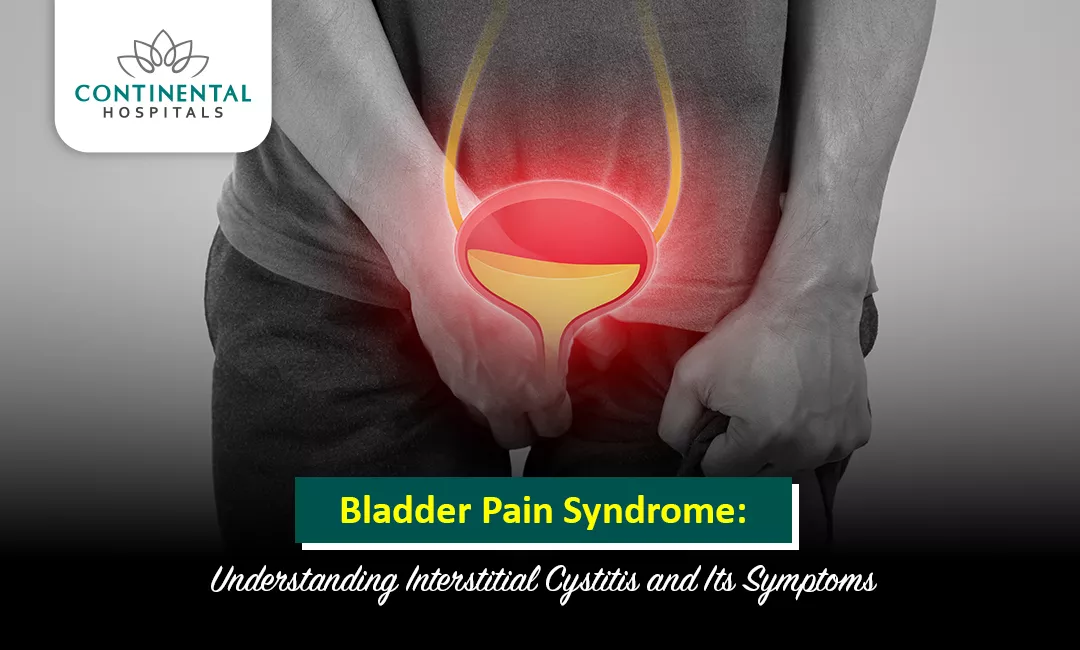
Bladder Pain Syndrome: Understanding Interstitial Cystitis and Its Symptoms

Written by - Editorial Team
Medically Reviewed by - Dr Vineet Sakhireddy

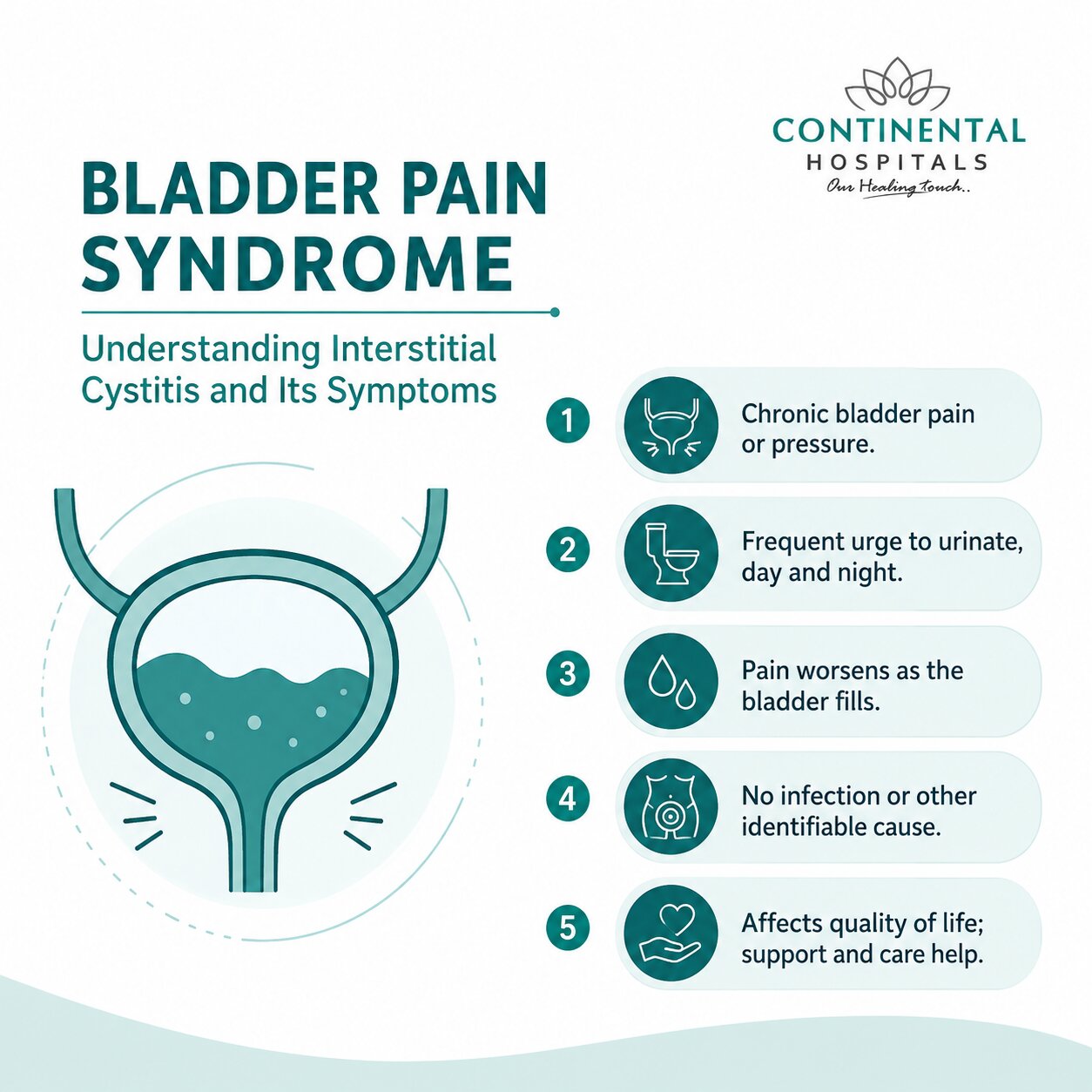
Bladder pain syndrome is a long-lasting condition that can cause pain, pressure, or discomfort in the bladder and the surrounding pelvic area. It is also commonly associated with interstitial cystitis and may affect a person's daily activities, sleep, work, and emotional well-being. Unlike a simple urinary infection, bladder pain syndrome can continue even when routine urine tests do not show an infection.

Could frequent urination, a sudden urge to urinate, or ongoing bladder discomfort be affecting your quality of life? Understanding interstitial cystitis symptoms and recognizing persistent bladder pain early can help you seek the right medical evaluation. Although the exact interstitial cystitis causes are not always clear, proper diagnosis and treatment can help manage symptoms and improve everyday comfort.

What Are the Common Symptoms of Bladder Pain Syndrome?

Bladder pain syndrome can affect people differently. Symptoms may be mild at first and become more noticeable over time. Common symptoms include:

Bladder pain or pressure: Pain may be felt in the lower abdomen, pelvic area, or around the bladder.
Frequent urination: You may feel the need to urinate more often than usual, including several times during the night.
Urgency to urinate: A strong and sudden need to urinate may occur even when the bladder is not completely full.
Pain while urinating: Some people may experience burning, discomfort, or pain during urination.
Temporary relief after urination: Bladder pressure or pain may improve for a short time after emptying the bladder and then return.
Pelvic discomfort: Pain may extend into the pelvic region or nearby areas.
Symptoms that come and go: Bladder pain syndrome may have periods when symptoms become worse, followed by periods of improvement.

What Causes Interstitial Cystitis?

What causes interstitial cystitis is still not completely understood. Several factors may contribute to the condition. These can include changes in the protective lining of the bladder, inflammation, nerve sensitivity, pelvic floor problems, or an abnormal response of the immune system.

In some people, certain foods and drinks may make symptoms worse. Stress may also increase the intensity of symptoms in some individuals. However, triggers can vary from person to person, so identifying individual patterns can be helpful.
How Is Bladder Pain Syndrome Different From a Urinary Tract Infection?

Could bladder pain always mean a urinary tract infection? Not necessarily.

A urinary tract infection is generally caused by bacteria and can often be identified through urine testing. Bladder pain syndrome can cause similar symptoms, such as urinary urgency, frequency, and bladder discomfort, but there may be no infection.

Because the symptoms can overlap, persistent bladder pain should not simply be assumed to be an infection. A urologist can evaluate your symptoms and recommend appropriate tests to understand the underlying cause.

Second Opinion

How Is Bladder Pain Syndrome Diagnosed?

There is no single test that confirms every case of bladder pain syndrome. Diagnosis usually involves understanding your symptoms, medical history, and urinary pattern.

A doctor may recommend the following:

• A detailed discussion about your symptoms and their duration
• Physical and pelvic examination when appropriate
• Urine tests to check for infection or other urinary problems
• Assessment of urinary frequency and urgency
• Additional investigations when required to rule out other conditions

The goal is to identify the cause of the symptoms and rule out conditions that may have similar features.

Can Bladder Pain Syndrome Be Treated?

Yes. While there is no single treatment that works for everyone, bladder pain syndrome can often be managed with an individualized treatment plan.

Depending on the symptoms, treatment may include the following:

• Identifying and avoiding personal food or drink triggers
• Bladder training and healthy urinary habits
• Pelvic floor therapy when recommended
• Medicines prescribed according to individual symptoms
• Treatments directed at bladder inflammation or pain
• Additional procedures in selected cases

Need an Appointment?

Treatment is usually focused on reducing chronic bladder pain, improving bladder function, and helping the person return to normal daily activities.

When Should You See a Urologist?

Should you see a doctor for occasional bladder discomfort? If symptoms are persistent, recurrent, worsening, or interfering with daily life, medical evaluation is important.

You should consider consulting a urologist if you experience:

• Persistent bladder pain or pressure
• Frequent urination without an obvious reason
• Repeated urinary urgency
• Pain during urination
• Pelvic discomfort that keeps returning
• Symptoms that continue despite treatment for suspected urinary infection

Early evaluation can help identify the cause and prevent persistent symptoms from being overlooked.

Why Choose Continental Hospitals for Urological Care?

Why is choosing the right hospital important for bladder pain syndrome? Conditions involving the urinary system can have several possible causes, making experienced specialist care and appropriate diagnostic facilities important.

Continental Hospitals, Hyderabad, provides comprehensive medical care supported by experienced specialists, advanced diagnostic facilities, multidisciplinary expertise, and modern infrastructure. The hospital follows established quality and patient safety practices and holds national and international healthcare accreditations, reflecting its commitment to quality standards and continuous improvement.

For patients experiencing bladder pain syndrome or other urinary concerns, coordinated care can help ensure that symptoms are properly assessed and an appropriate treatment approach is planned according to individual needs.

What Should You Remember About Bladder Pain Syndrome?

Bladder pain syndrome can be uncomfortable and disruptive, but persistent bladder discomfort should not be ignored. Interstitial cystitis symptoms can resemble other urinary conditions, so identifying the underlying cause is an important first step.

Remember these key points:

• Bladder pain syndrome can cause chronic bladder pain, pressure, urgency, and frequent urination.
• Interstitial cystitis is one condition associated with painful bladder symptoms.
• Interstitial cystitis causes are not always clearly identifiable.
• Symptoms may vary from person to person and may come and go.
• Persistent symptoms require proper medical evaluation.
• Individualized treatment can help control symptoms and improve quality of life.

Conclusion

Could ongoing bladder discomfort be more than a simple urinary problem? If bladder pain, urinary urgency, or frequent urination keeps returning, it is important to seek professional advice rather than continuing to manage the symptoms on your own.

If you suffer from persistent bladder pain, urinary urgency, frequent urination, or other symptoms associated with bladder pain syndrome, consult our best urologist in Hyderabad at Continental Hospitals, Hyderabad, for appropriate evaluation and personalized care.

Frequently Asked Questions

Bladder Pain Syndrome (BPS), also called Interstitial Cystitis (IC), is a long-term condition that causes bladder discomfort or pain. It may also cause frequent or urgent urination. The intensity of symptoms can vary from person to person. Some people may experience mild discomfort, while others may have significant bladder pain. Pain may become worse when the bladder fills and may improve temporarily after urination. People with BPS may need to urinate many times during the day or night. Unlike a typical urinary tract infection, BPS is not usually caused by a bacterial infection. Symptoms can sometimes come and go, with periods of improvement and flare-ups. Certain foods, stress, hormonal changes, or other factors may trigger symptoms in some people. Diagnosis usually involves reviewing symptoms and ruling out other causes of bladder pain. Treatment focuses on reducing symptoms and improving daily quality of life. A urologist can recommend an appropriate evaluation and treatment plan based on individual symptoms.
Bladder Pain Syndrome can cause several urinary and bladder-related symptoms. The most common symptom is pain, pressure, or discomfort in the bladder or lower abdomen. Some people may experience a frequent need to urinate during the day. An urgent need to urinate may also occur, even when the bladder contains only a small amount of urine. Frequent nighttime urination can disturb sleep and cause daytime tiredness. Pain may increase as the bladder fills and may temporarily improve after urination. Some people may also experience discomfort around the pelvis, urethra, or lower back. Symptoms can vary in severity and may change over time. Flare-ups may occur after certain foods, drinks, physical activity, or periods of stress. Some people may experience discomfort during sexual activity. BPS symptoms can overlap with other urinary conditions, making proper evaluation important. If persistent bladder pain or urinary changes occur, consulting a urologist can help identify the underlying cause.
The exact cause of Interstitial Cystitis is not fully understood. Researchers believe that several factors may contribute to the development of Bladder Pain Syndrome. In some people, the protective lining of the bladder may become damaged or irritated. This may allow substances in urine to irritate the bladder wall. Changes in bladder nerves may also contribute to pain and increased sensitivity. Some people may have inflammation involving the bladder or surrounding tissues. Immune system activity has also been studied as a possible contributing factor. Certain individuals may have a higher risk because of other chronic pain or inflammatory conditions. However, there is no single known cause that explains every case. BPS is not simply a regular urinary tract infection, and antibiotics do not usually treat it unless an infection is also present. Symptoms may be influenced by diet, stress, hormonal changes, or other triggers. Because the cause can differ between individuals, evaluation is important. A urologist can assess symptoms and rule out other conditions before confirming a diagnosis.
There is no single test that can definitively diagnose Bladder Pain Syndrome in every patient. Diagnosis usually begins with a detailed discussion of symptoms, their duration, and possible triggers. A doctor may ask how often you urinate and whether you experience urgency or bladder pain. A physical examination may also be performed to look for other possible causes of symptoms. Urine tests are commonly used to check for urinary tract infections or blood in the urine. Depending on the symptoms, additional tests may be recommended to rule out other bladder or urinary conditions. Doctors may sometimes ask patients to maintain a bladder diary. This can help identify urinary frequency, urgency, fluid intake, and symptom patterns. In selected cases, procedures such as cystoscopy may be considered. Imaging or other investigations may also be recommended when clinically appropriate. The diagnosis is generally made after other conditions that can cause similar symptoms have been considered. Early consultation with a urologist can help ensure appropriate evaluation and management.
There is currently no single treatment that permanently cures Interstitial Cystitis for everyone. However, many people can manage their symptoms effectively with an individualized treatment plan. Treatment is generally focused on reducing bladder pain, urgency, and urinary frequency. Lifestyle and dietary changes may help some people identify and avoid personal triggers. Bladder training may also be recommended to gradually improve urinary habits. Medicines can sometimes be used to control pain or other symptoms. Physical therapy may be helpful when pelvic floor muscle problems contribute to discomfort. In selected cases, bladder-directed treatments or procedures may be considered. Symptoms can vary over time, so treatment may need to be adjusted according to the patient's response. Keeping track of foods, drinks, activities, and symptoms can help identify potential flare-up triggers. Stress management and healthy daily habits may also support symptom control. The goal is to improve comfort and quality of life rather than relying on one treatment for every patient. A urologist can help create a management plan based on the individual's symptoms and needs.
Bladder Pain Syndrome flare-ups can be triggered by different factors, and triggers vary from person to person. Certain foods and drinks may worsen bladder discomfort in some individuals. Commonly reported triggers can include coffee, tea, alcohol, spicy foods, acidic foods, and some carbonated beverages. Stress can also contribute to worsening symptoms for some people. Hormonal changes may influence symptoms in some individuals. Sexual activity can occasionally trigger increased pelvic or bladder discomfort. Long periods without urinating may make symptoms more noticeable for some people. Certain physical activities or pressure on the pelvic area may also contribute to discomfort. Not everyone with BPS reacts to the same triggers. Keeping a symptom and food diary can help identify personal patterns. Avoiding unnecessary restrictions is important because trigger foods can differ between individuals. A healthcare professional can help determine whether dietary or lifestyle changes are appropriate. Identifying personal triggers may help reduce the frequency or severity of symptom flare-ups.
Interstitial Cystitis and a urinary tract infection are different conditions. A UTI is usually caused by bacteria infecting part of the urinary system. Interstitial Cystitis is a chronic bladder pain condition that is not generally caused by a bacterial infection. Both conditions can cause symptoms such as urinary urgency, frequent urination, and discomfort. However, people with BPS may continue to have symptoms even when urine tests do not show an infection. Antibiotics are commonly used to treat bacterial UTIs but do not usually treat Interstitial Cystitis itself. Repeatedly taking antibiotics without evidence of infection may not provide relief and can have unwanted effects. A urine test can help doctors check for a UTI when symptoms occur. Some people can have both a UTI and BPS, so symptoms should not automatically be attributed to one condition. Persistent or recurring urinary symptoms deserve medical evaluation. A urologist can help distinguish BPS from infections and other urinary disorders. Correct diagnosis is important because treatment depends on the underlying cause of the symptoms.
You should consider seeing a urologist if bladder pain or urinary symptoms persist or repeatedly return. Frequent urination that interferes with daily activities may need medical evaluation. Persistent urgency, pelvic discomfort, or pain related to bladder filling should also be assessed. Symptoms that continue despite treatment for a suspected urinary infection may require further investigation. Blood in the urine should always be evaluated by a healthcare professional. Severe or worsening urinary pain should not be ignored. A urologist can review your symptoms and perform appropriate tests to identify possible causes. Evaluation may include urine testing, physical examination, bladder assessment, or other investigations when needed. Keeping a record of urinary frequency, pain, fluid intake, and possible triggers can be useful during the consultation. Early assessment can help rule out infections, stones, bladder conditions, and other causes of similar symptoms. If BPS is diagnosed, treatment can be tailored to your specific symptoms and triggers. Seeking specialist care can help improve symptom control and quality of life.
Disclaimer: The information provided in this blog is intended for general knowledge and informational purposes only, and does not constitute medical advice. Always consult with a qualified healthcare professional for any medical concerns or before making any decisions about your health.

Get in Touch With Us

Whether you are from India or abroad, we are here to help you with your medical queries. Please fill out the form below and our team will connect with you shortly.

  • ✔ Quick response from our medical experts
  • ✔ Secure data handling & privacy
  • ✔ Easy upload for reports & documents
banner_image

Chat with our medical experts on WhatsApp for quick assistance and hassle-free appointment booking

Recent Posts