post-title

Bradycardia: When a Slow Heartbeat Becomes Risky

Written by - Editorial Team
Medically Reviewed by - Dr Sumit Shejol

A healthy heart beats at a steady rhythm to pump blood efficiently throughout the body. However, when the heartbeat slows down significantly, it can lead to a condition known as bradycardia. Understanding what bradycardia is, why it happens, its symptoms, and how it is treated can help you take timely action and protect your heart health.

What is Bradycardia?

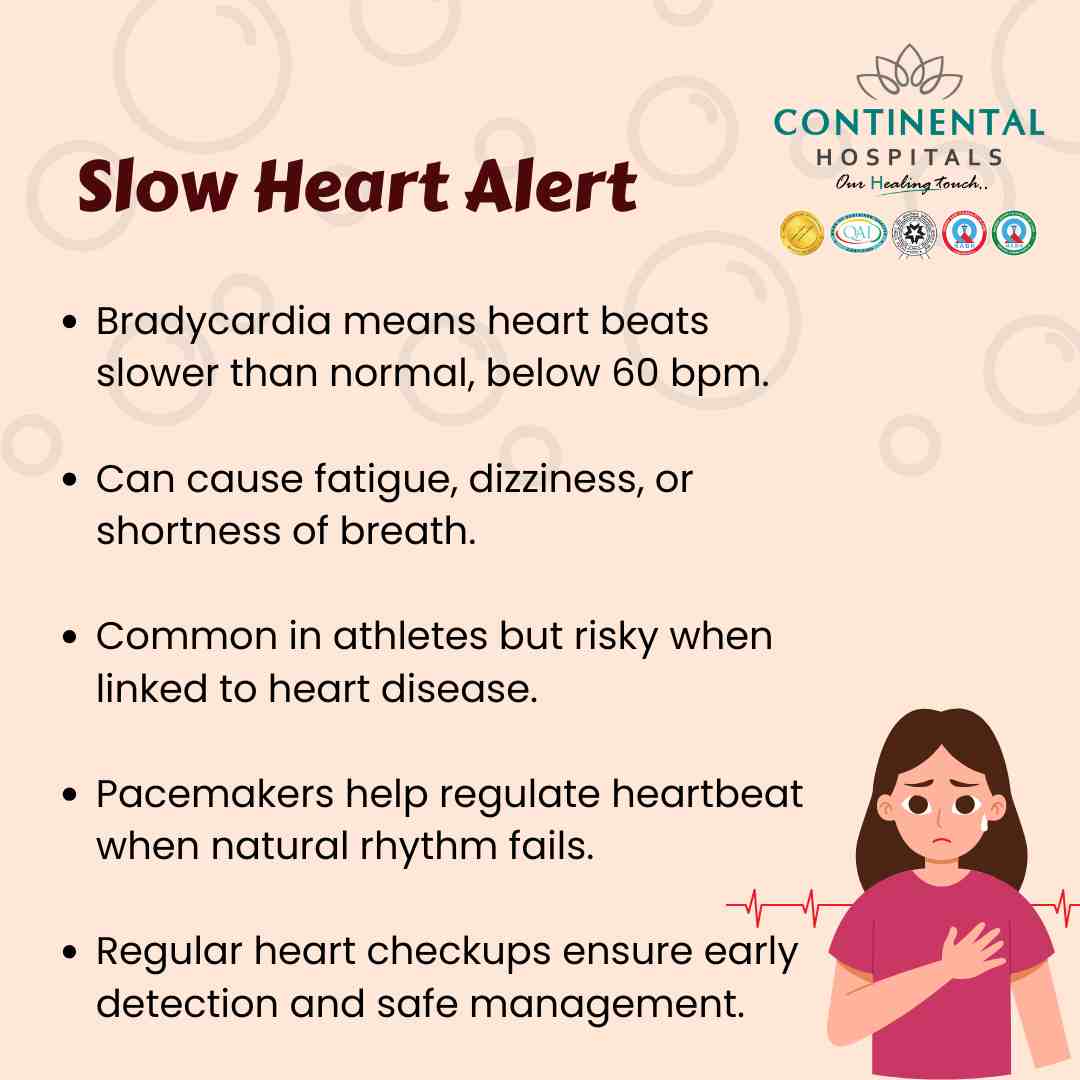
Bradycardia is a medical condition where the heart beats slower than normal. In most adults, a healthy resting heart rate ranges between 60 and 100 beats per minute. If your heart rate consistently drops below 60 beats per minute, it may be considered bradycardia. However, not every slow heartbeat is dangerous. For example, athletes or physically active individuals often have a naturally slower heart rate because their heart works more efficiently.

The concern arises when the heart beats too slowly to supply enough oxygen-rich blood to the body. This can lead to fatigue, dizziness, shortness of breath, and even fainting in some cases.
Visit the Best Cardiology Doctors in Hyderabad at Continental Hospitals, Hyderabad, for expert cardiac consultation and personalized treatment.

What Causes Bradycardia?

Bradycardia can occur due to several underlying reasons, some of which are temporary and others that require medical treatment. Common causes include:

Age-related changes in the heart – As people age, the heart’s natural pacemaker (the sinus node) may weaken or develop fibrosis, slowing the rhythm.

Heart disease – Conditions like coronary artery disease, heart attack, or myocarditis can damage the heart’s electrical pathways.

Problems with the electrical system – Issues with the sinus node, AV node, or heart block can cause irregular or delayed electrical signals.

Second Opinion

Medication side effects – Certain drugs used to treat high blood pressure or heart conditions, such as beta-blockers and calcium channel blockers, can slow the heart rate.

Metabolic and hormonal disorders – Hypothyroidism or electrolyte imbalances can interfere with normal heart rhythm.

Sleep apnea – Interrupted breathing during sleep can affect heart rate patterns.

Infections – Conditions like Lyme disease or rheumatic fever can sometimes impact the heart’s electrical activity.

Identifying the exact cause helps doctors determine the right treatment and prevent further complications.

What Are the Symptoms of Bradycardia?

The symptoms of bradycardia depend on how slow the heartbeat is and how well the heart is able to pump blood. Some people may have no noticeable symptoms, while others experience warning signs such as:

  • Fatigue or weakness
  • Dizziness or light-headedness
  • Fainting or near-fainting spells
  • Chest discomfort
  • Shortness of breath
  • Confusion or difficulty concentrating
  • Intolerance to physical activity

If you notice these symptoms, it is important to seek medical attention immediately. Ignoring a persistently slow heartbeat can lead to more serious complications like heart failure or cardiac arrest.

Need an Appointment?

How Is Bradycardia Diagnosed?

To confirm bradycardia, doctors perform several tests to measure and monitor heart rhythm. The common diagnostic methods include:

Electrocardiogram (ECG) – A simple test that records the electrical activity of your heart and helps identify irregular rhythms.

Holter monitor – A portable ECG device worn for 24 to 48 hours to record heart activity throughout the day.

Event recorder – Used for longer periods to track irregularities that do not happen daily.

Echocardiogram – Provides detailed images of the heart to assess structure and function.

Blood tests – Help detect thyroid disorders, electrolyte imbalances, or infections.

These tests give cardiologists a complete picture of your heart’s health and help decide the best course of treatment.

How Is Bradycardia Treated?

Treatment for bradycardia depends on its cause and severity. In cases where the slow heart rate does not cause symptoms, active monitoring may be all that is required. However, if the slow rhythm interferes with blood flow, treatment may include:

Adjusting or stopping medications that might be contributing to the slow heart rate.

Treating underlying conditions like thyroid disease or electrolyte imbalances.

Pacemaker implantation – In moderate to severe cases, a small device called a pacemaker is surgically placed under the skin to regulate heartbeats.

The pacemaker continuously monitors the heart rhythm and sends electrical impulses when needed to maintain a normal heart rate.

Can Bradycardia Be Prevented?

While some causes of bradycardia cannot be prevented, adopting a heart-healthy lifestyle can reduce your overall risk of heart rhythm disorders. Here are a few preventive steps:

  • Maintain a balanced diet rich in fruits, vegetables, and whole grains.
  • Avoid smoking and limit alcohol consumption.
  • Exercise regularly but under medical supervision if you have heart problems.
  • Manage stress through relaxation techniques like yoga and meditation.
  • Get regular health check-ups and ECG screenings, especially if you are above 40 or have a family history of heart disease.

These habits help strengthen the cardiovascular system and detect potential issues early.

Why Choose Continental Hospitals for Cardiac Care?

Continental Hospitals in Hyderabad is one of the leading centers for advanced cardiac care. Our team of highly experienced cardiologists and cardiac surgeons provides comprehensive diagnosis, management, and treatment for all types of heart rhythm disorders, including bradycardia.

The hospital is JCI-accredited, ensuring that all clinical practices meet international standards of quality, safety, and patient care. Our state-of-the-art cardiac department is equipped with advanced diagnostic tools such as 3D echocardiography, cardiac CT, and electrophysiology labs for accurate rhythm evaluation.

We offer 24x7 emergency cardiac services, including round-the-clock ECG, cardiac monitoring, and catheterization labs. Every patient receives individualized care, with continuous monitoring and rehabilitation support for long-term heart health. The multidisciplinary team works together to ensure faster recovery and better outcomes.

Conclusion

Bradycardia may sound alarming, but with proper diagnosis and timely medical care, it can be effectively managed. Paying attention to early signs, maintaining a healthy lifestyle, and undergoing regular heart check-ups can go a long way in protecting your heart.

If you suffer from symptoms like slow heartbeat, fatigue, or fainting, consult our top cardiologists in Hyderabad at Continental Hospitals, Hyderabad

Frequently Asked Questions

Bradycardia is a condition in which the heart beats fewer than 60 times per minute. While some athletes and physically fit individuals naturally have a slower heart rate without any health problems, bradycardia can be dangerous if it reduces blood flow to vital organs. A slow heartbeat may cause dizziness, fatigue, weakness, confusion, fainting, or shortness of breath. It can result from aging, heart disease, certain medications, thyroid disorders, or electrical problems within the heart. If bradycardia is accompanied by symptoms or occurs suddenly, it should never be ignored. Early evaluation by a cardiologist can help determine the cause and whether treatment is necessary to prevent serious complications such as heart failure or cardiac arrest.
A dangerously slow heartbeat may reduce the amount of oxygen-rich blood reaching the brain and other organs. Common symptoms include dizziness, extreme tiredness, weakness, fainting spells, chest discomfort, shortness of breath, confusion, difficulty concentrating, and reduced exercise tolerance. Some individuals may also experience palpitations or feel like their heart is skipping beats. In severe cases, prolonged bradycardia can lead to sudden collapse or cardiac arrest. However, some people have no noticeable symptoms and discover the condition during a routine health checkup or ECG. If symptoms develop or worsen, immediate medical evaluation is essential to identify the underlying cause and determine the most appropriate treatment.
Bradycardia can result from several medical conditions and lifestyle factors. Age-related changes in the heart's electrical system are among the most common causes. Other causes include coronary artery disease, previous heart attack, congenital heart defects, myocarditis, electrolyte imbalances, hypothyroidism, sleep apnea, and infections affecting the heart. Certain medications, such as beta-blockers, calcium channel blockers, and antiarrhythmic drugs, may also slow the heart rate. In some individuals, the heart's natural pacemaker or electrical pathways become damaged, leading to abnormal rhythm disturbances. Identifying the exact cause is important because treatment depends on addressing the underlying condition rather than simply increasing the heart rate.
Doctors diagnose bradycardia by reviewing your medical history, symptoms, and performing a physical examination. An electrocardiogram (ECG) is the primary test used to detect slow heart rhythms and identify abnormalities in the heart's electrical activity. If the slow heartbeat occurs intermittently, a Holter monitor or event recorder may be recommended to monitor heart rhythm over several days. Additional tests such as blood tests, echocardiography, stress testing, thyroid function tests, or sleep studies may help identify underlying causes. Accurate diagnosis helps determine whether the slow heartbeat is harmless, medication-related, or caused by a serious heart condition requiring immediate treatment.
Yes, many cases of bradycardia can be managed without surgery, depending on the underlying cause. If medications are responsible, your doctor may adjust the dosage or prescribe an alternative. Treating conditions such as hypothyroidism, electrolyte imbalances, or sleep apnea can often restore a normal heart rate. Lifestyle modifications, including managing blood pressure, maintaining heart health, and regular medical follow-up, may also help. However, if the heart's electrical system is significantly damaged or symptoms are severe, conservative treatments may not be enough. In such situations, a permanent pacemaker may be recommended to maintain a safe and steady heart rhythm.
A pacemaker is recommended when bradycardia causes significant symptoms or when the heart cannot maintain an adequate rate on its own. Individuals with recurrent fainting, severe fatigue, dizziness, heart block, or sinus node dysfunction often benefit from pacemaker implantation. The device continuously monitors the heart's rhythm and delivers electrical impulses whenever the heart beats too slowly. Pacemaker implantation is a minimally invasive procedure with high success rates and can significantly improve quality of life. Your cardiologist will evaluate your symptoms, ECG findings, and overall heart function before determining whether a pacemaker is the most appropriate treatment option.
Yes, untreated symptomatic bradycardia can lead to serious health complications. When the heart beats too slowly, the body's organs may not receive enough oxygen-rich blood, increasing the risk of fainting, falls, memory problems, worsening heart failure, low blood pressure, and reduced physical activity. In severe cases, prolonged oxygen deprivation can result in cardiac arrest or sudden death. The risk depends on the underlying cause, severity of the slow heart rate, and presence of other heart conditions. Timely diagnosis and appropriate treatment significantly reduce the risk of complications and help maintain normal heart function and overall well-being.
Although not all cases of bradycardia can be prevented, maintaining good cardiovascular health can lower your risk. Follow a heart-healthy diet, exercise regularly, avoid smoking, limit alcohol intake, and manage conditions such as high blood pressure, diabetes, and high cholesterol. Take medications only as prescribed and never stop or change them without consulting your doctor. Regular health checkups and cardiac screenings can help detect rhythm abnormalities before symptoms develop. If you experience dizziness, fainting, persistent fatigue, or an unusually slow heartbeat, seek prompt medical evaluation. Early intervention can prevent complications and improve long-term heart health.
Disclaimer: The information provided in this blog is intended for general knowledge and informational purposes only, and does not constitute medical advice. Always consult with a qualified healthcare professional for any medical concerns or before making any decisions about your health.

Get in Touch With Us

Whether you are from India or abroad, we are here to help you with your medical queries. Please fill out the form below and our team will connect with you shortly.

  • ✔ Quick response from our medical experts
  • ✔ Secure data handling & privacy
  • ✔ Easy upload for reports & documents
banner_image

Chat with our medical experts on WhatsApp for quick assistance and hassle-free appointment booking

Recent Posts