.webp)

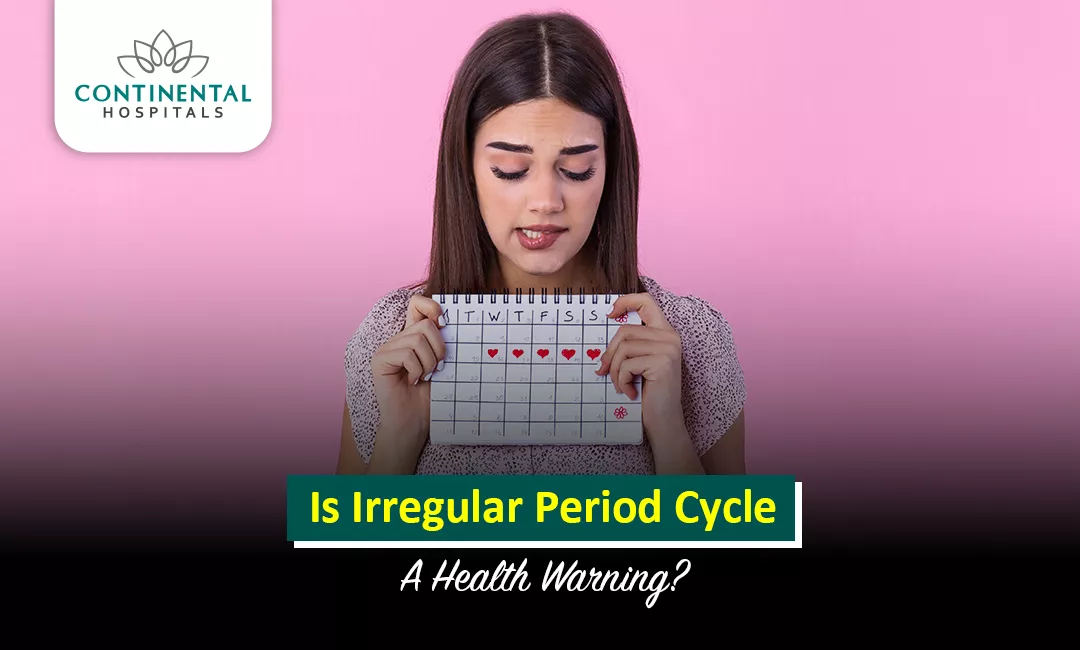
Every woman experiences her monthly cycle differently, but when your period becomes unpredictable, it naturally brings up questions. Your menstrual cycle is often considered a vital sign of your overall well-being. When it changes significantly, your body might be trying to communicate an underlying health shift. Understanding whether an irregular period cycle is a temporary fluctuation or a sign that requires medical attention is essential for protecting your long-term health.
An irregular menstrual cycle can manifest in several ways, such as periods that arrive too close together, months where your period is skipped entirely, or bleeding that is unusually heavy or light. While occasional changes can happen due to routine daily shifts, persistent period irregularities should not be ignored. Exploring the common causes, potential health implications, and indicators for when to seek professional medical advice will help you manage your reproductive health with confidence.
What Defines an Irregular Menstrual Cycle?
A standard menstrual cycle typically spans between 21 and 35 days, with bleeding lasting anywhere from 3 to 7 days. Your cycle is considered irregular if the length of time between your periods constantly shifts, if you bleed for longer or shorter durations than average, or if the amount of blood flow changes drastically from month to month.
Medical professionals generally classify your cycle as irregular if you experience any of the following patterns:
- Periods that occur less than 21 days apart
- Periods that occur more than 35 days apart
- Missing three or more consecutive periods
- Menstrual bleeding that lasts longer than 7 days
- Flow that is significantly heavier or lighter than your usual baseline
If you are experiencing irregular periods, missed cycles, heavy bleeding, or unusual menstrual symptoms, visit the Gynecology Department at Continental Hospitals for expert evaluation and personalized care.
What are the main causes of irregular periods?
When you notice changes in your rhythm, it is often a reflection of hormonal variations within your body. Estrogen and progesterone are the two primary hormones regulating your monthly cycle, and any disruption to their balance can cause your period to deviate from its regular pattern.
Are Hormonal Conditions Responsible?
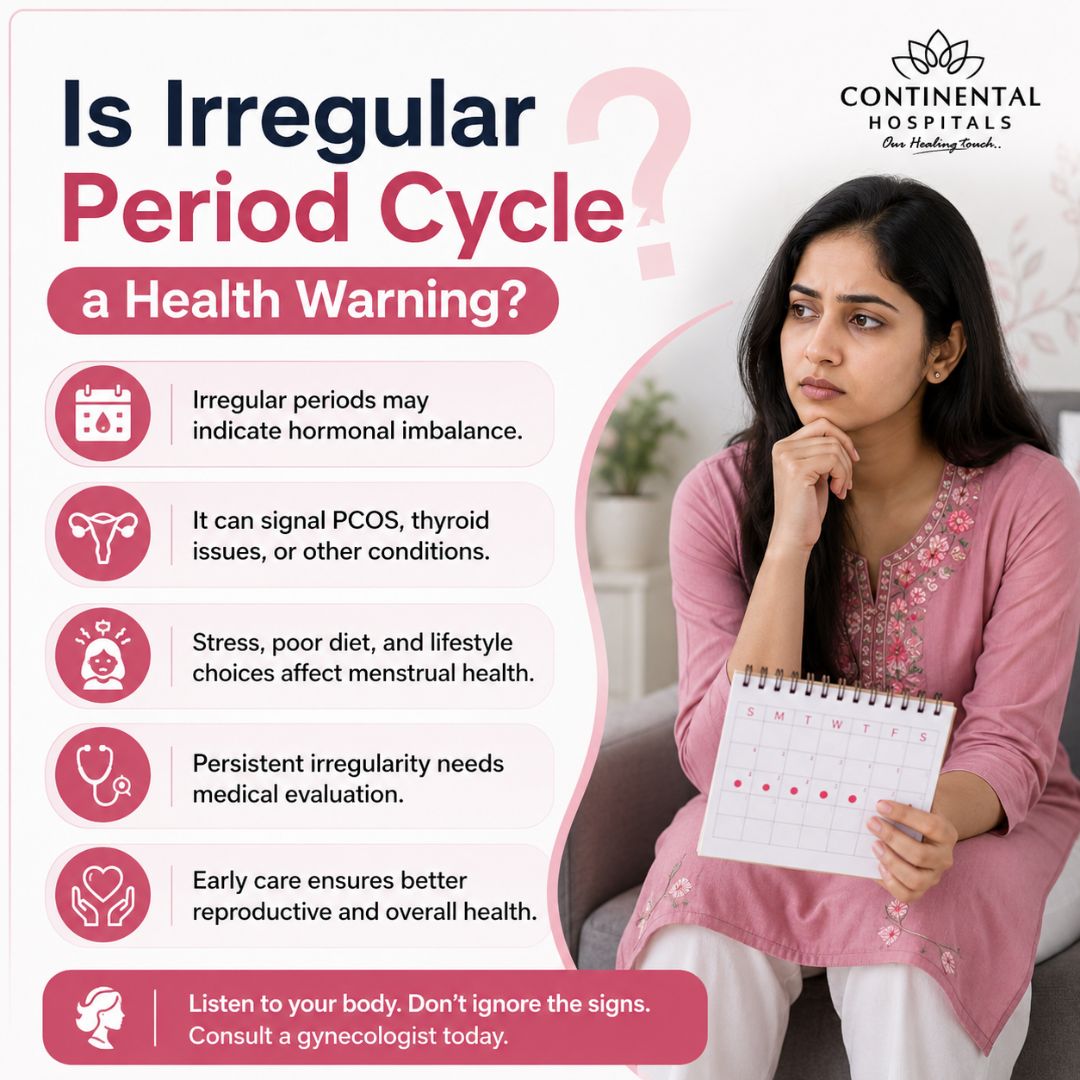
Polycystic Ovary Syndrome, commonly referred to as PCOS, is one of the most frequent medical reasons behind an irregular period cycle. This condition causes an imbalance in reproductive hormones, which can prevent an egg from developing or being released regularly. Another common hormonal culprit is thyroid dysfunction. Both an overactive thyroid gland and an underactive thyroid gland can disrupt how your body processes hormones, directly resulting in menstrual cycle problems.
How Do Lifestyle Factors Impact Your Cycle?
Your reproductive system is highly sensitive to external pressures and physical changes. High levels of psychological stress cause your brain to release cortisol, a hormone that can suppress the signals required for ovulation. Significant, rapid weight loss or sudden weight gain can also interfere with your hormone production. Additionally, engaging in extreme, high-intensity exercise routines without consuming adequate nutrition can cause your body to pause your menstrual cycle to conserve energy.
Can Natural Life Transitions Cause Variations?
During specific stages of life, irregular periods are completely expected. Adolescents who have recently started their menstrual journey often experience highly unpredictable cycles for the first few years as their bodies adapt to shifting hormone levels. Similarly, women entering perimenopause, which is the transition phase leading up to menopause, will experience declining estrogen levels that naturally cause their periods to become irregular before stopping permanently.

Could an Irregular Period Cycle Be a Health Warning?
While an occasional late period might just mean you had a stressful month, ongoing irregularities can sometimes serve as an early indicator for other health challenges. Monitoring your cycle helps you and your doctor identify these concerns before they escalate.
Does It Impact Your Future Fertility?
If your periods are irregular, it often indicates that your body is not ovulating consistently. Ovulation is the process where an ovary releases a mature egg, which is necessary for conception. When ovulation occurs unpredictably or stops happening entirely, tracking your fertile window becomes difficult, making it harder to plan a pregnancy. Addressing period irregularities early is an important step if you wish to build a family in the future.
Is There a Link to Bone Health?
Estrogen plays a critical role in maintaining strong, healthy bones. If your irregular periods are caused by consistently low estrogen levels, such as from prolonged stress, low body weight, or early ovarian changes, your bones may lose density over time. This increases your long-term risk of developing weak bones or facing fractures later in life.
Can It Signify Metabolic Concerns?
When conditions like PCOS cause irregular periods, they are frequently tied to insulin resistance. This means your body struggles to use insulin effectively to manage blood sugar levels. Left unmanaged, insulin resistance can elevate your risk of developing metabolic complications, including high cholesterol and adult-onset diabetes.
When Should You Consult a Doctor About Your Cycle?
It is vital to pay close attention to the signals your body provides. While you do not need to panic over a single displaced cycle, you should schedule a medical consultation if you notice persistent, unusual symptoms.
You should seek professional medical advice if you experience any of these situations:
- Your periods suddenly stop for more than three months without pregnancy
- Your cycles become highly unpredictable after being consistently regular for years
- You experience severe abdominal pain during your period that does not improve with rest
- You experience bleeding or spotting between your regular periods
- You experience heavy bleeding that requires changing pads or tampons every hour for several consecutive hours
Why Choose Continental Hospitals for Women's Health?
When addressing sensitive reproductive health concerns, choosing the right healthcare facility makes a meaningful difference in your diagnosis, treatment, and overall comfort. Continental Hospitals is recognized as the best hospital in Hyderabad for comprehensive clinical excellence and patient care.
Continental Hospitals holds prestigious international and national accreditations, reflecting our unwavering commitment to the highest global standards of medical safety and quality. Our facility features advanced diagnostic technology that allows our specialists to accurately pinpoint the root cause of your irregular periods, whether it stems from a hormonal imbalance, metabolic issue, or structural concern.
Our specialized women's health department provides a supportive, compassionate environment where your concerns are listened to and thoroughly evaluated. We emphasize holistic, patient-centered care, designing personalized treatment plans tailored to your specific lifestyle, health history, and future wellness goals. With a multidisciplinary team working collaboratively under one roof, you receive seamless care across every stage of your treatment journey.
Conclusion
An irregular period cycle can be influenced by many variables, ranging from everyday stress to underlying medical conditions that require specialized care. Rather than viewing an unpredictable cycle as a cause for anxiety, look at it as a helpful reminder from your body to prioritize your personal well-being. Keeping a detailed log of your period start dates, symptoms, and flow levels provides invaluable insights that can guide your healthcare decisions.
If you suffer from irregular periods, persistent cycle changes, or uncomfortable symptoms that disrupt your daily routine, it is time to take a proactive step for your health. Schedule a comprehensive evaluation with and consult our best gynecologist in Hyderabad at Continental Hospitals today to receive the expert care, clarity, and personalized support you deserve.
Related Blog Topics: