• Share this:
post-title

What Is Hypermetabolism and Why Does It Matter?

Written by - Editorial Team
Medically Reviewed by - Dr. Anudeep Gaddam

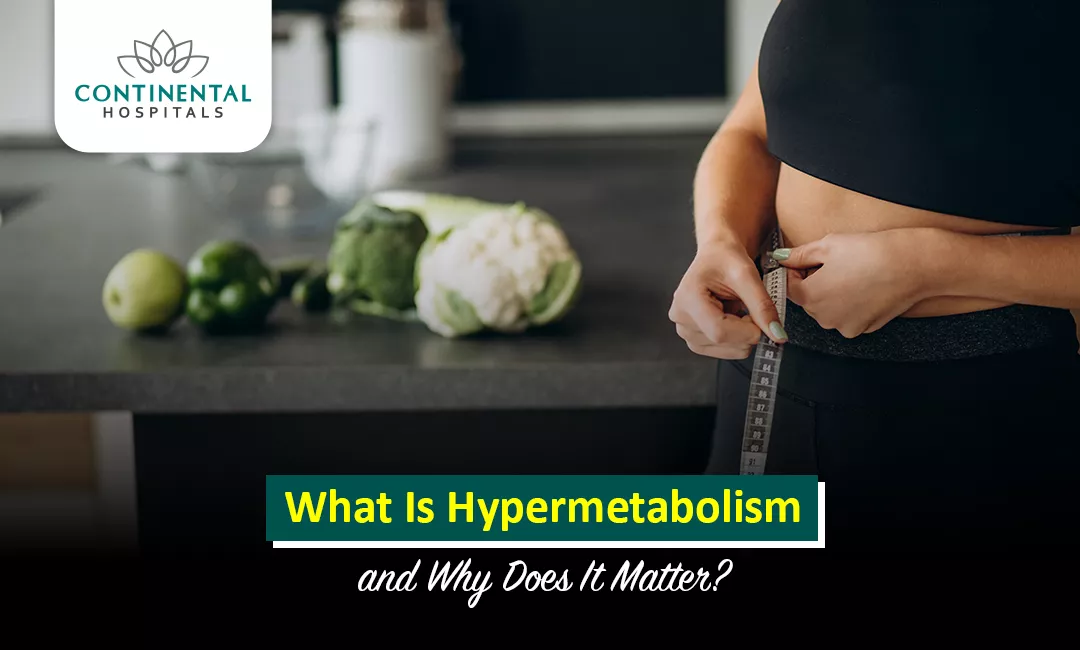
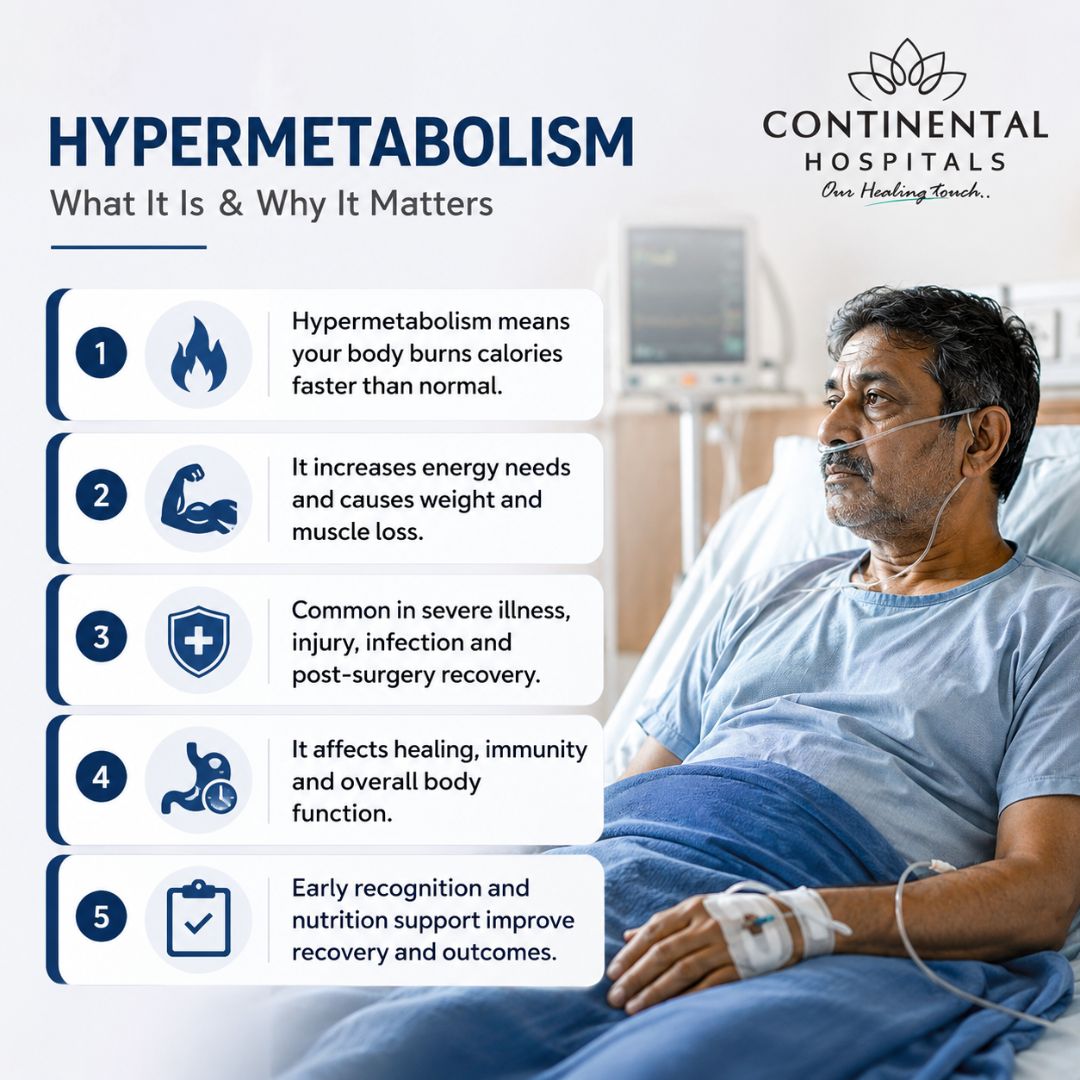
Have you ever wondered why some people seem to burn through energy like a runaway train? While we often talk about a slow metabolism causing weight gain, there is another side to the story that is far more intense. This condition is known as hypermetabolism, a state where your body's internal engine runs at an extraordinarily high speed. When you are in a hypermetabolic state, your body consumes calories and breaks down nutrients at a rate that goes far beyond normal boundaries.

Understanding hypermetabolism is crucial because it is not just a case of having a naturally fast metabolism. It is a serious physiological response often triggered by underlying medical events, severe physical trauma, or specific metabolic disorders. Left unmanaged, it can lead to rapid muscle loss, extreme fatigue, and severe nutritional deficiencies. Recognizing the hypermetabolism symptoms early allows medical professionals to step in and protect your long-term health.

What Exactly Is Hypermetabolism?

To understand this condition, we first need to look at how metabolism health works. Your metabolism is the collection of chemical processes that convert food into the energy needed to keep you alive, breathing, and moving. In a standard setup, this engine adjusts its speed based on your daily activity levels.

When hypermetabolism occurs, the body enters a persistent, overactive state. The internal thermostat is essentially turned up to the maximum setting, causing the body to burn through its energy reserves even while at total rest. This is vastly different from a healthy fast metabolism that you might see in an athlete. It is a state of constant metabolic stress where the body begins to break down its own tissues to keep up with the frantic demand for fuel.

Unexplained weight changes, persistent fatigue, or a racing heartbeat may signal an underlying hormonal imbalance. Visit the Endocrinology Department at Continental Hospitals for expert diagnosis, personalized treatment, and comprehensive care to restore your health and well-being.

What Causes the Body to Enter a Hypermetabolic State?

Why does the body suddenly decide to run its engine at such a dangerous speed? This shift is almost always a protective, defensive reaction to severe internal stress or illness.

  • Severe Physical Trauma: Major injuries, deep tissue burns, and complex surgeries can shock the system. The body drastically increases its energy expenditure to repair tissues and fight off potential infections.
  • Hyperthyroidism: An overactive thyroid gland floods the system with thyroid hormones. These hormones act as the master controllers for your energy usage, and too much of them forces the entire system into overdrive.
  • Chronic Infections and Inflammation: Long-term infections or severe inflammatory conditions keep the immune system on high alert, which demands an immense amount of continuous fuel.
  • Advanced Medical Conditions: Certain serious illnesses alter the way cells process nutrients, triggering metabolic disorders that cause rapid, unexplained weight loss.
What Are the Most Common Hypermetabolism Symptoms?

Because this condition affects the entire body, the signs can be quite broad. However, when these symptoms appear together, they point directly to an overactive metabolic state.

  • Rapid and Unexplained Weight Loss: This is the most prominent sign. Individuals lose weight rapidly even if they are eating larger amounts of food than usual.
  • Constant High Body Temperature: People experiencing this often feel abnormally warm, sweat excessively, and may experience low-grade fevers without an obvious infection.
  • Extreme and Persistent Fatigue: Because the body is burning fuel around the clock, individuals feel completely drained of energy, even after a full night of sleep.
  • Elevated Heart Rate: The heart has to pump blood much faster to deliver oxygen and nutrients to hyperactive tissues, leading to a noticeably rapid pulse.
  • Muscle Wasting: When the body runs out of easily accessible fat and glucose for fuel, it begins to break down muscle tissue to survive.

Why Does Managing This Condition Matter So Much?

Why can you not simply ignore an overactive metabolism? If a hypermetabolic state is left untreated, it can cause severe, long-term damage to your vital organs and overall physical stability.

When the body continuously burns more energy than it consumes, it enters a state of deep nutritional bankruptcy. This drains your immune system, making it incredibly difficult for your body to heal from wounds or fight off minor illnesses. Over time, the breakdown of muscle tissue weakens the heart muscle and the muscles responsible for breathing. Managing this condition is not about weight management? It is about preserving your core structural health and giving your body the stable foundation it needs to recover.

Second Opinion

How Do Doctors Diagnose and Treat These Issues?

Diagnosing these complex concerns requires a detailed medical evaluation by experienced specialists who understand the intricate balance of endocrine and metabolic systems.

The diagnostic process typically begins with comprehensive blood tests to evaluate hormone levels, track inflammatory markers, and check for nutrient deficiencies. Doctors may also use metabolic testing to measure exactly how many calories your body burns at rest. Once the underlying cause is identified, treatment focuses on two main goals? calming the overactive metabolic trigger and providing intensive nutritional support. This often involves highly customized dietary plans rich in proteins and healthy fats to stop muscle wasting, alongside targeted medications to regulate hormone production or control inflammation.

Why Choose Continental Hospitals for Metabolic Care?

When dealing with complex metabolic disorders, choosing the right healthcare institution makes all the difference in your recovery journey. Continental Hospitals stands as the premier healthcare destination, recognized widely as the best hospital in Hyderabad for comprehensive, advanced medical interventions.

Our institution is built on a foundation of international clinical standards and holds prestigious national and global accreditations, including the Joint Commission International (JCI) accreditation and the National Accreditation Board for Hospitals and Healthcare Providers (NABH) certification. These rigorous accreditations ensure that every treatment protocol, patient safety measure, and clinical outcome meets the highest global benchmarks of excellence.

At Continental Hospitals, we utilize cutting-edge diagnostic technologies to map your metabolic health with absolute precision. Our multidisciplinary team of endocrinologists, critical care specialists, and expert clinical nutritionists work seamlessly together to design a highly personalized recovery path tailored to your unique physiology. We provide a supportive, world-class environment designed to help you regain your strength, stabilize your metabolic systems, and restore your vitality safely.

Conclusion

Hypermetabolism is a powerful reminder of how intensely the human body reacts to severe physical stress and underlying illnesses. It is a critical medical state that demands immediate, expert attention to prevent deep nutritional depletion and muscle loss. By recognizing the symptoms early and understanding the vital importance of metabolic balance, you can take proactive control of your health. With the right medical expertise, advanced diagnostic tools, and structured nutritional support, your body can safely drop out of overdrive and return to a healthy, balanced rhythm.

If you suffer from unexplained weight loss, constant fatigue, or a persistently high heart rate, do not wait for the exhaustion to deepen. Please consult our best endocrinologist in Hyderabad at Continental Hospitals today for a precise evaluation and a customized care plan designed to protect your long-term health.

Need an Appointment?

Frequently Asked Questions

Hypermetabolism is a condition in which the body burns energy at a much higher rate than normal. It occurs when the body's metabolic processes speed up, causing increased calorie consumption even during rest. This condition is commonly seen in people recovering from major injuries, severe infections, burns, surgery, trauma, or chronic illnesses. During hypermetabolism, the body requires more nutrients, proteins, vitamins, and minerals to support healing and essential functions. If these increased nutritional demands are not met, muscle loss, weakness, fatigue, and weight loss can occur. Hypermetabolism is not a disease itself but a physiological response to stress or illness. Early identification and proper nutritional management are important to prevent complications. Healthcare providers often monitor weight, muscle mass, and nutritional status in affected patients. Treatment focuses on addressing the underlying cause and ensuring adequate calorie and protein intake.
Hypermetabolism can be triggered by various medical conditions and physical stressors. Severe burns are among the most common causes because the body needs significant energy to repair damaged tissues. Major surgeries, traumatic injuries, infections, sepsis, and critical illnesses can also increase metabolic demands. Certain hormonal disorders, such as hyperthyroidism, may accelerate metabolism. Cancer and chronic inflammatory diseases can contribute to prolonged hypermetabolic states. In some cases, the body's immune response releases stress hormones and inflammatory chemicals that increase energy expenditure. These changes help support healing and recovery but can place a heavy burden on the body's nutritional reserves. Without adequate nutrition, the body may begin breaking down muscle tissue for energy. Identifying the underlying cause is essential for effective treatment. Proper medical care and nutritional support play a key role in managing hypermetabolism.
The symptoms of hypermetabolism can vary depending on the underlying cause and severity of the condition. One of the most noticeable signs is unintentional weight loss despite maintaining or increasing food intake. Many people experience persistent fatigue and weakness due to increased energy demands. Muscle wasting or loss of lean body mass is also common when nutritional needs are not adequately met. Increased heart rate, excessive sweating, and feeling unusually warm may occur. Some individuals report increased hunger because the body requires more calories. Poor wound healing and decreased physical strength can develop over time. In severe cases, nutrient deficiencies and immune system impairment may arise. Patients recovering from trauma, burns, or critical illness should be monitored closely for these symptoms. Early recognition allows timely nutritional intervention and medical management.
Hypermetabolism affects multiple systems in the body by significantly increasing energy expenditure. To meet these energy demands, the body may begin breaking down stored fat and muscle tissue. This can lead to muscle loss, reduced strength, and impaired physical function. The immune system may become weakened if nutritional needs are not met adequately. Healing processes can be affected, making recovery from illness or injury more challenging. The body's protein requirements increase substantially during hypermetabolic states. Nutrient deficiencies may develop if calorie and protein intake are insufficient. Long term hypermetabolism can contribute to malnutrition and poor overall health outcomes. In hospitalized patients, careful monitoring is often necessary to prevent complications. Proper medical treatment and nutritional support can help minimize these effects and improve recovery.
Diagnosing hypermetabolism involves evaluating a patient's symptoms, medical history, and underlying health conditions. Healthcare providers often assess recent weight changes, muscle loss, and nutritional status. Physical examinations may reveal signs of increased energy expenditure and malnutrition. Blood tests can help identify infections, inflammation, hormonal disorders, or nutritional deficiencies. In some cases, specialized tests may be used to measure resting energy expenditure. These assessments help determine how many calories the body is burning at rest. Doctors also evaluate conditions such as burns, trauma, cancer, or thyroid disorders that may contribute to hypermetabolism. Nutritional screening tools are frequently used in hospitalized patients. Early diagnosis allows healthcare teams to develop personalized treatment and nutrition plans. Ongoing monitoring helps ensure that the body's increased nutritional needs are being met effectively.
Yes, hypermetabolism can lead to significant and sometimes rapid weight loss. Because the body burns calories at an accelerated rate, energy requirements increase substantially. If calorie intake does not keep pace with these demands, the body begins using stored fat and muscle for fuel. This process often results in unintended weight loss and reduced muscle mass. Individuals may notice weakness, decreased endurance, and changes in body composition. Weight loss associated with hypermetabolism can occur even when a person is eating regular meals. In severe cases, malnutrition may develop and complicate recovery from illness or injury. Healthcare providers often recommend high calorie, high protein diets to address these increased needs. Nutritional supplements may also be necessary in some situations. Early intervention can help prevent excessive weight loss and support overall health.
Treatment for hypermetabolism focuses on managing the underlying condition while meeting the body's increased nutritional demands. Adequate calorie and protein intake are essential to support healing and prevent muscle loss. Dietitians often develop personalized nutrition plans based on the patient's needs. High protein foods, nutrient rich meals, and oral nutritional supplements may be recommended. In severe cases, enteral or parenteral nutrition may be necessary. Medical treatment is directed toward the cause, such as controlling infection, treating hormonal disorders, or managing chronic disease. Regular monitoring of body weight, muscle mass, and laboratory values helps guide treatment decisions. Physical therapy may also support muscle preservation and recovery. A multidisciplinary approach involving doctors, dietitians, and rehabilitation specialists is often beneficial. Early treatment improves outcomes and reduces the risk of complications.
You should consult a doctor if you experience unexplained weight loss, persistent fatigue, muscle weakness, or increased appetite without a clear reason. These symptoms may indicate an underlying condition associated with hypermetabolism. Individuals recovering from major surgery, severe burns, trauma, infections, or chronic illness should be closely monitored for nutritional problems. Early medical evaluation can help identify the cause and prevent complications. A healthcare provider can perform tests to assess metabolic status and nutritional health. Timely intervention is important because prolonged hypermetabolism can lead to muscle wasting and malnutrition. People with thyroid disorders, cancer, or inflammatory diseases should seek medical advice if symptoms worsen. Proper diagnosis allows for targeted treatment and nutritional support. Addressing hypermetabolism early can improve recovery and quality of life. Regular follow up helps ensure long term health and well being.
Disclaimer: The information provided in this blog is intended for general knowledge and informational purposes only, and does not constitute medical advice. Always consult with a qualified healthcare professional for any medical concerns or before making any decisions about your health.

Get in Touch With Us

Whether you are from India or abroad, we are here to help you with your medical queries. Please fill out the form below and our team will connect with you shortly.

  • ✔ Quick response from our medical experts
  • ✔ Secure data handling & privacy
  • ✔ Easy upload for reports & documents
0 / 100
Checkboxes Section


Chat with our medical experts on WhatsApp for quick assistance and hassle-free appointment booking

Recent Posts
Language Based Image
0 / 100