.webp)

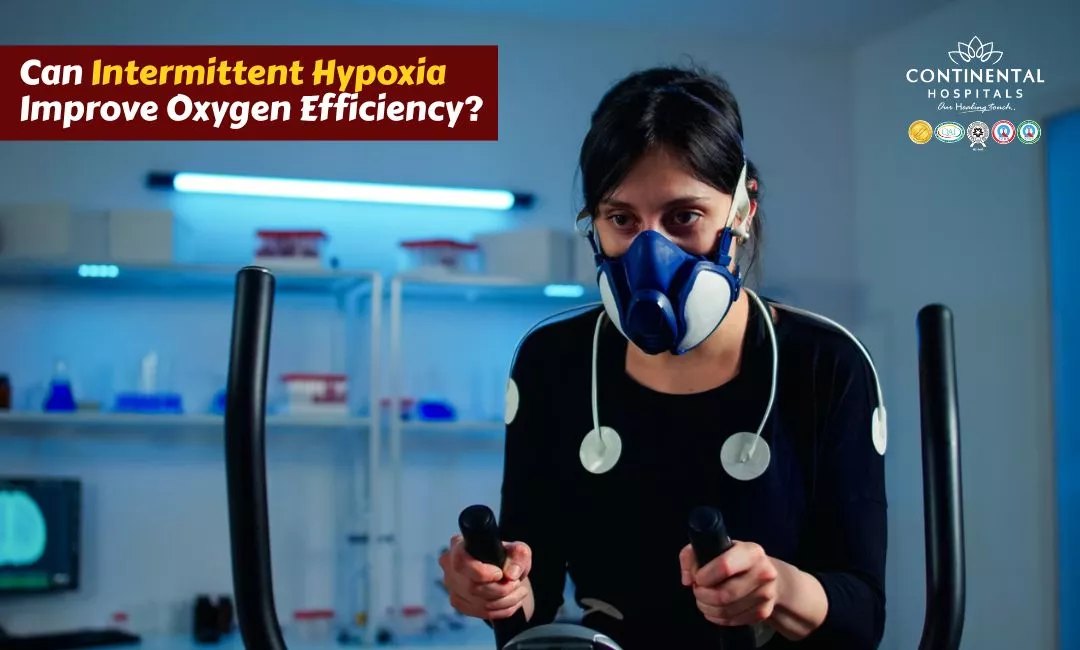
Have you ever felt breathless while climbing stairs or walking in humid Indian summers? Oxygen is central to everything your body does. From brain function to muscle strength, efficient oxygen use determines your stamina and recovery. This is where intermittent hypoxia is gaining attention in medical and athletic communities.
Intermittent hypoxia refers to short, controlled exposure to reduced oxygen levels followed by normal breathing. Researchers suggest that intermittent hypoxia training may stimulate physiological adaptations that improve oxygen efficiency and overall endurance. But can it truly enhance oxygen utilization safely? Let us explore the science with clarity and medical responsibility.
Understanding Oxygen Delivery in the Body
To understand oxygen efficiency, we must first look at oxygen delivery in the body. When you inhale, oxygen enters the lungs, passes into the bloodstream, binds with haemoglobin inside red blood cells, and travels to tissues. Cells then use oxygen to produce energy.
Efficient oxygen utilization means your body extracts and uses oxygen optimally, even during exertion. Athletes often have superior oxygen efficiency because their cardiovascular and muscular systems are well trained.
If oxygen delivery is compromised due to poor lung function, anaemia, or heart disease, fatigue and reduced stamina follow.
What Is Intermittent Hypoxia?
Intermittent hypoxia involves alternating periods of lower oxygen exposure with normal oxygen breathing. It differs from chronic hypoxia seen in lung diseases. The exposure is brief and controlled.
This concept resembles altitude training benefits seen in athletes who train in high altitude regions such as Ladakh or parts of Himachal Pradesh. At higher altitudes, oxygen levels are naturally lower, forcing the body to adapt.
The body responds through hypoxia adaptation mechanisms that may include hormonal and cellular changes.

How Intermittent Hypoxia Training Works?
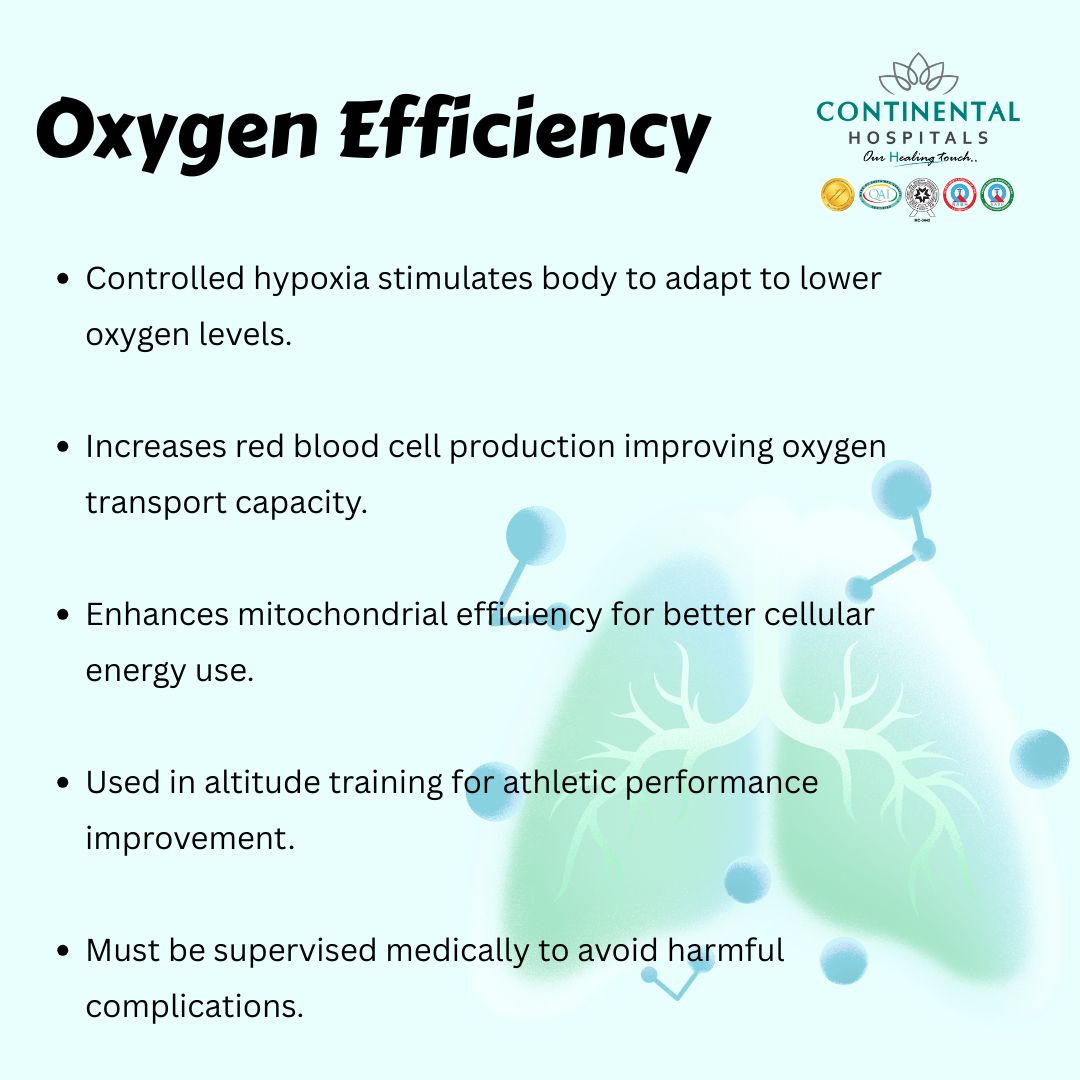
Intermittent hypoxia training aims to create mild stress that stimulates adaptation without causing harm. During temporary oxygen reduction:
- The body releases erythropoietin, a hormone that promotes red blood cell production
- Haemoglobin concentration may increase
- Mitochondria become more efficient
- Capillary density in muscles may improve
These adaptations may help improve oxygen utilization and potentially increase VO2 max, a key indicator of aerobic fitness.
The logic is simple. When the body learns to function under slightly reduced oxygen, it may perform more efficiently when oxygen levels return to normal.
Can Intermittent Hypoxia Improve Oxygen Efficiency?
The central question is whether intermittent hypoxia genuinely improves oxygen efficiency.
Studies suggest that carefully monitored intermittent hypoxia may:
- Enhance red blood cell production
- Improve oxygen delivery in the body
- Support cardiovascular conditioning
- Improve endurance naturally
By increasing haemoglobin and stimulating hypoxia adaptation, the body may transport oxygen more effectively. This could benefit athletes and individuals seeking better stamina.
However, results vary based on duration, intensity, and medical supervision. It is not a universal solution.
Hypoxic Training Benefits for Athletic Performance?
Many athletes use hypoxic training benefits to gain competitive advantage. Similar to altitude training benefits, structured exposure may:
- Increase VO2 max
- Enhance hypoxia and athletic performance
- Improve recovery capacity
- Boost aerobic endurance
For Indian runners preparing for marathons in cities like Hyderabad or Mumbai, improved oxygen efficiency may enhance resilience in humid conditions.
Still, such training must be supervised by sports medicine professionals.
Breathing Less Oxygen Benefits: Myth or Science
The idea of breathing less oxygen benefits may seem contradictory. Oxygen is essential for survival. However, short controlled reduction can stimulate adaptive responses.
Certain breathing practices such as pranayama may create mild intermittent hypoxic states that strengthen respiratory control. These practices support lung efficiency and stress reduction.
But prolonged or unsupervised oxygen restriction can be harmful. The key lies in controlled exposure, not deprivation.
Intermittent Hypoxia Health Benefits Beyond Sports
Researchers are studying intermittent hypoxia health benefits beyond athletics. Potential areas of interest include:
- Cardiovascular conditioning
- Improved insulin sensitivity
- Neurological resilience
- Metabolic flexibility
In rehabilitation settings, certain forms of hypoxia therapy are being explored for carefully selected patients recovering from cardiac or neurological events.
These protocols are highly specialised and conducted in controlled hospital environments.
Medical Risks and Safety Considerations
Despite promising research, intermittent hypoxia training is not suitable for everyone.
Individuals with the following conditions should avoid unsupervised hypoxia exposure:
- Chronic lung diseases
- Severe asthma
- Coronary artery disease
- Uncontrolled hypertension
- Anaemia
- Pregnancy
Excessive hypoxia may reduce oxygen delivery in the body, causing dizziness, irregular heart rhythms, confusion, or fainting.
In Indian metro cities with rising air pollution levels, additional oxygen stress may further strain respiratory systems.
How to Improve Endurance Naturally and Safely
If your goal is to improve endurance naturally and enhance oxygen efficiency, safer evidence based strategies include:
- Regular aerobic exercise such as brisk walking, swimming, or cycling
- Interval training under supervision
- Yoga and structured breathing exercises
- Balanced diet rich in iron and protein to support red blood cell production
- Adequate sleep and hydration
- Routine preventive health checkups
These approaches improve oxygen utilization without unnecessary risk.
Indian Lifestyle Context
Many urban professionals in India experience fatigue due to sedentary lifestyles, stress, and poor fitness rather than oxygen deficiency.
Instead of experimenting with hypoxia therapy devices at home, structured exercise programs and medical consultation are safer. Trekking in hill stations like Ooty or moderate elevation training offers natural altitude exposure in a gradual and safer manner.
Why Choose Continental Hospitals?
Continental Hospitals in Hyderabad is recognised as one of the leading multispecialty hospitals in India. Our integrated approach ensures innovation is balanced with safety.
We offer:
- Comprehensive cardiopulmonary evaluation
- Advanced metabolic and fitness assessments
- Specialist supervised rehabilitation programs
- Multidisciplinary care involving pulmonologists, cardiologists, and sports medicine experts
Our focus remains on patient safety, ethical practice, and evidence based care.
When to Consult a Doctor?
If you experience:
- Persistent breathlessness
- Reduced exercise tolerance
- Unexplained fatigue
- Chest discomfort during activity
Consult a Pulmonologist for evaluation. Early assessment can identify underlying issues affecting oxygen efficiency.
Conclusion
Intermittent hypoxia is an emerging concept that may improve oxygen efficiency when applied correctly. Through hypoxia adaptation, increased red blood cell production, and improved oxygen delivery in the body, some individuals may experience enhanced endurance and performance.
However, it is not a shortcut to fitness. Medical screening and professional supervision are essential. For most people, consistent exercise, balanced nutrition, and preventive healthcare remain the safest ways to improve oxygen utilization.
If you are considering intermittent hypoxia training or experiencing symptoms related to poor stamina, consult our Pulmonologist specialists at Continental Hospitals for personalised evaluation and guidance.