.webp)

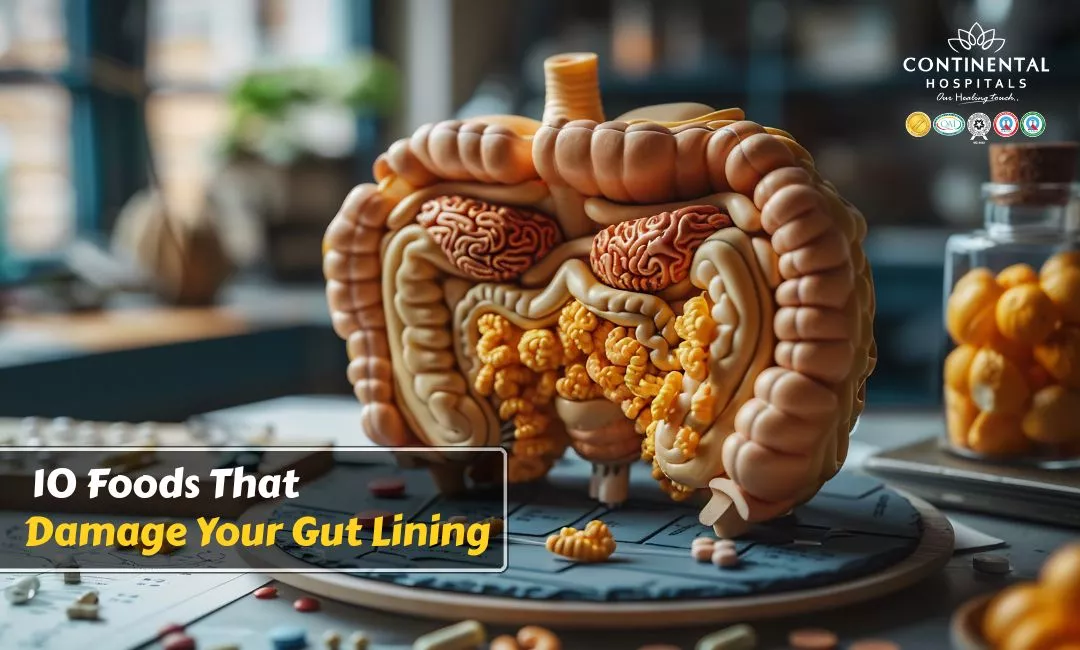
Your gut health plays a powerful role in your overall well being. From digestion and immunity to mood and energy levels, a healthy digestive system supports almost every function in the body. When the gut lining becomes irritated or damaged, it can lead to bloating, acidity, food sensitivities, fatigue, and long term digestive disorders.
But what exactly harms your gut lining? Are you unknowingly eating foods that damage gut lining every day?
Why Gut Health Matters
Your gut lining acts like a protective barrier. It allows nutrients to pass into the bloodstream while blocking harmful toxins and bacteria. When this barrier weakens, harmful substances may leak into circulation, triggering inflammation and digestive discomfort.
Poor gut health can lead to:
• Frequent bloating
• Constipation or diarrhea
• Acid reflux
• Food intolerance
• Low immunity
• Chronic inflammation
Taking care of digestive health starts with identifying harmful foods for gut health and limiting them.
If ongoing digestive symptoms worry you, visit our Gastroenterology Department at Continental Hospitals for expert care and lasting gut relief.
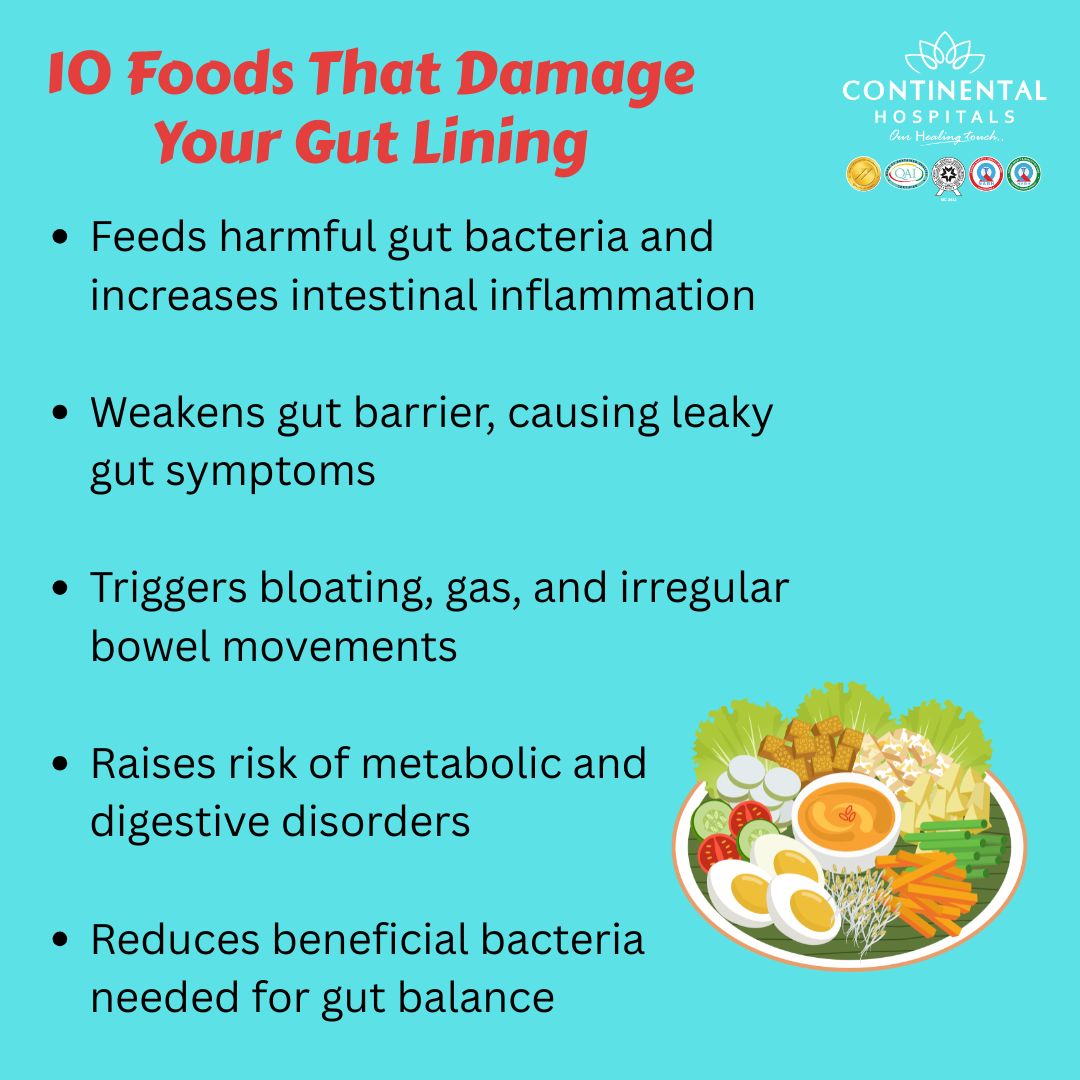
1. Processed Foods
Packaged snacks, ready to eat meals, and processed meats are loaded with preservatives, artificial additives, and unhealthy fats. These ingredients disturb the balance of good bacteria in your intestines and weaken gut health over time.

Highly processed foods are among the top gut lining damage foods because they lack fiber and essential nutrients that nourish beneficial gut bacteria.
2. Refined Sugar
Excess sugar feeds harmful bacteria and yeast in the gut. This imbalance reduces the number of good bacteria that support digestive health.
High sugar intake may increase inflammation in the gut lining and contribute to digestive issues. Soft drinks, sweets, bakery products, and sweetened beverages are common culprits.
3. Deep Fried Foods
Fried foods are heavy and difficult to digest. They contain unhealthy trans fats that irritate the gut lining and slow digestion.
Frequent consumption of fried items can worsen acidity, bloating, and poor gut health. Limiting oily foods can significantly improve digestive comfort.
4. Artificial Sweeteners
Many people choose artificial sweeteners for weight control. However, research suggests that certain sugar substitutes can alter gut bacteria balance.
When gut bacteria are disrupted, digestive health suffers. If you experience bloating after consuming diet drinks or sugar free products, artificial sweeteners may be affecting your gut health.
5. Excess Alcohol
Alcohol irritates the stomach and intestinal lining. Regular or excessive drinking can weaken the protective barrier of the gut and lead to inflammation.
Over time, alcohol can contribute to serious digestive health concerns. Reducing intake helps protect gut health and supports liver function.
6. Refined Grains
White bread, white rice, and refined flour products lack fiber. Fiber is essential for maintaining gut health because it feeds good bacteria and promotes smooth digestion.
Low fiber diets are linked to constipation and imbalance in gut bacteria, making refined grains one of the harmful foods for gut health.
7. Carbonated Drinks
Sodas and fizzy beverages cause bloating and gas. They often contain high sugar and artificial ingredients that disrupt gut health.
Regular consumption may lead to acidity and digestive discomfort, affecting overall digestive health.
8. Excess Spicy Foods
Spicy foods in moderation are fine for many people. However, excessive spice can irritate the gut lining, especially in those with gastritis or acid reflux.
If you frequently experience burning sensation or stomach pain, it may be time to evaluate your spice intake for better gut health.
9. Processed Meats
Sausages, salami, and other processed meats contain preservatives and high salt levels. These ingredients may increase inflammation and harm digestive health.
Choosing fresh lean proteins instead can help maintain a healthy gut lining.
10. Dairy in Sensitive Individuals
Dairy products are nutritious for many, but people with lactose intolerance may experience bloating, cramps, and diarrhea.
If dairy causes discomfort, it may be affecting your gut health. Identifying personal triggers is key to protecting digestive health.
Signs Your Gut Lining May Be Damaged
Are you wondering if your diet is affecting your gut health?
Watch for these warning signs:
• Frequent abdominal discomfort
• Persistent bloating
• Irregular bowel movements
• Food sensitivities
• Unexplained fatigue
• Recurrent infections
If symptoms continue, medical evaluation is important.
Simple Steps to Improve Gut Health
Protecting your gut health does not require extreme changes. Small consistent habits can make a big difference.
• Eat fresh fruits and vegetables
• Include fiber rich foods daily
• Drink adequate water
• Add probiotic foods like curd
• Reduce processed and sugary foods
• Manage stress levels
• Exercise regularly
Supporting digestive health is a long term commitment that improves overall wellness.
Why Choose Continental Hospitals for Digestive Health Care?
When it comes to expert care for gut health, Continental Hospitals stands among the best hospitals in Hyderabad.
Here is why patients trust Continental Hospitals:
• NABH and NABL accredited institution ensuring high standards of safety and quality
• Advanced diagnostic facilities for accurate evaluation of digestive disorders
• Experienced gastroenterologists and multidisciplinary specialists
• State of the art endoscopy and minimally invasive treatment options
• Comprehensive care for complex digestive health conditions
The hospital follows strict clinical protocols and international treatment guidelines. From early diagnosis to advanced management of gastrointestinal diseases, patients receive complete and personalized care.
If you are dealing with chronic digestive discomfort, acidity, or symptoms linked to foods that damage gut lining, expert consultation can prevent complications and restore gut health.
When Should You See a Doctor?
You should consult a specialist if you experience:
• Severe or persistent abdominal pain
• Blood in stool
• Sudden weight loss
• Chronic diarrhea or constipation
• Long lasting acidity
Ignoring symptoms may worsen digestive health and lead to complications. Early intervention protects your gut lining and supports long term gut health.
Conclusion
Your diet has a direct impact on gut health. Processed foods, excess sugar, fried items, alcohol, and refined products are some of the worst foods for gut lining damage. Reducing harmful foods for gut health and choosing balanced meals can restore digestive comfort and improve immunity.
Gut health is not just about digestion. It influences energy levels, mental clarity, and overall well being. Paying attention to what you eat today protects your digestive health tomorrow.
If you suffer from ongoing digestive symptoms or suspect gut lining damage foods are affecting you, consult our best gastroenterologist team at Continental Hospitals.
Related Blog Topics: