.webp)

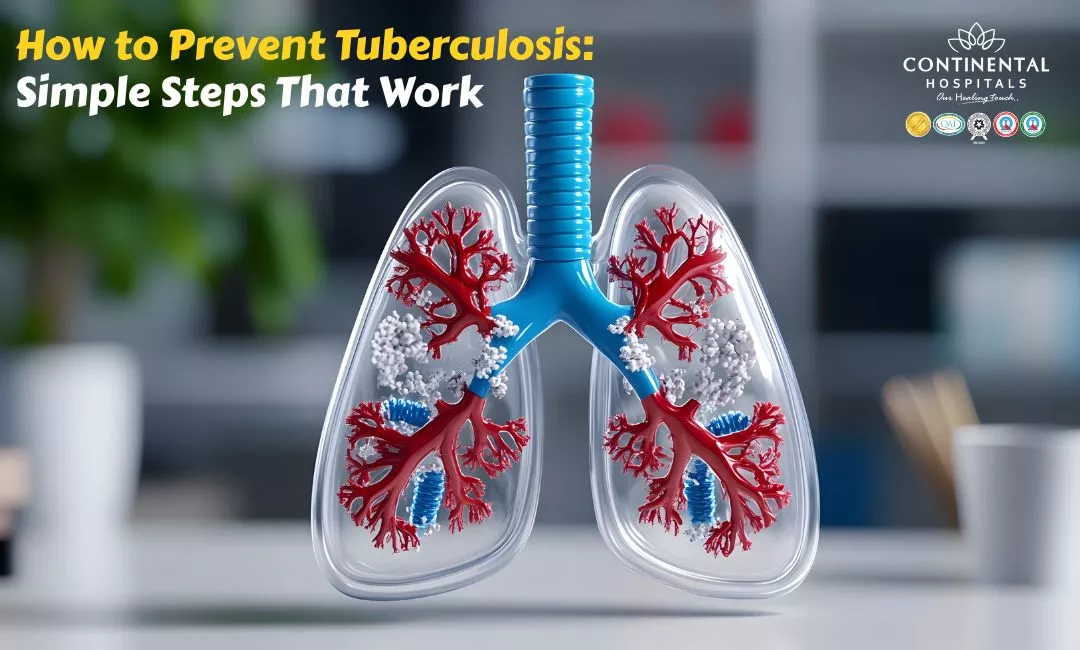
Tuberculosis remains a significant global health challenge, yet it is a condition that is largely preventable and curable. Understanding how the bacteria spread and what steps you can take to protect your immune system is the first step toward a healthier life. For residents seeking the best hospital in Hyderabad, Continental Hospitals provides comprehensive care and advanced diagnostic facilities to manage and prevent this respiratory illness effectively.
What is Tuberculosis?
Tuberculosis, commonly known as TB, is an infectious disease caused by the bacterium Mycobacterium tuberculosis. While it primarily affects the lungs, it can also attack other parts of the body, such as the kidneys, spine, and brain. The disease spreads through the air when an infected person coughs, sneezes, or speaks, releasing tiny droplets containing the bacteria into the environment.
It is important to distinguish between latent TB infection and active TB disease. In a latent infection, the bacteria remain in the body in an inactive state. The person does not feel sick and cannot spread the bacteria to others. However, if the immune system weakens, the infection can turn into active tuberculosis, leading to symptoms and the potential for transmission.
Visit our infectious diseases department today at Continental Hospitals, Hyderabad, for accurate TB diagnosis and advanced care.
Recognising Tuberculosis Symptoms
Early detection is vital for successful treatment and for preventing the spread of the infection to family and community members. Common tuberculosis symptoms include:
- A persistent cough that lasts for three weeks or longer.
- Chest pain or pain when breathing or coughing.
- Coughing up blood or sputum.
- Unexplained weight loss and loss of appetite.
- Fatigue and general weakness.
- Fever and chills.
- Heavy night sweats.
If you or a loved one experience these symptoms, seeking medical advice promptly is essential. Diagnosing TB symptoms early allows for a faster recovery and reduces the risk of long-term lung damage.
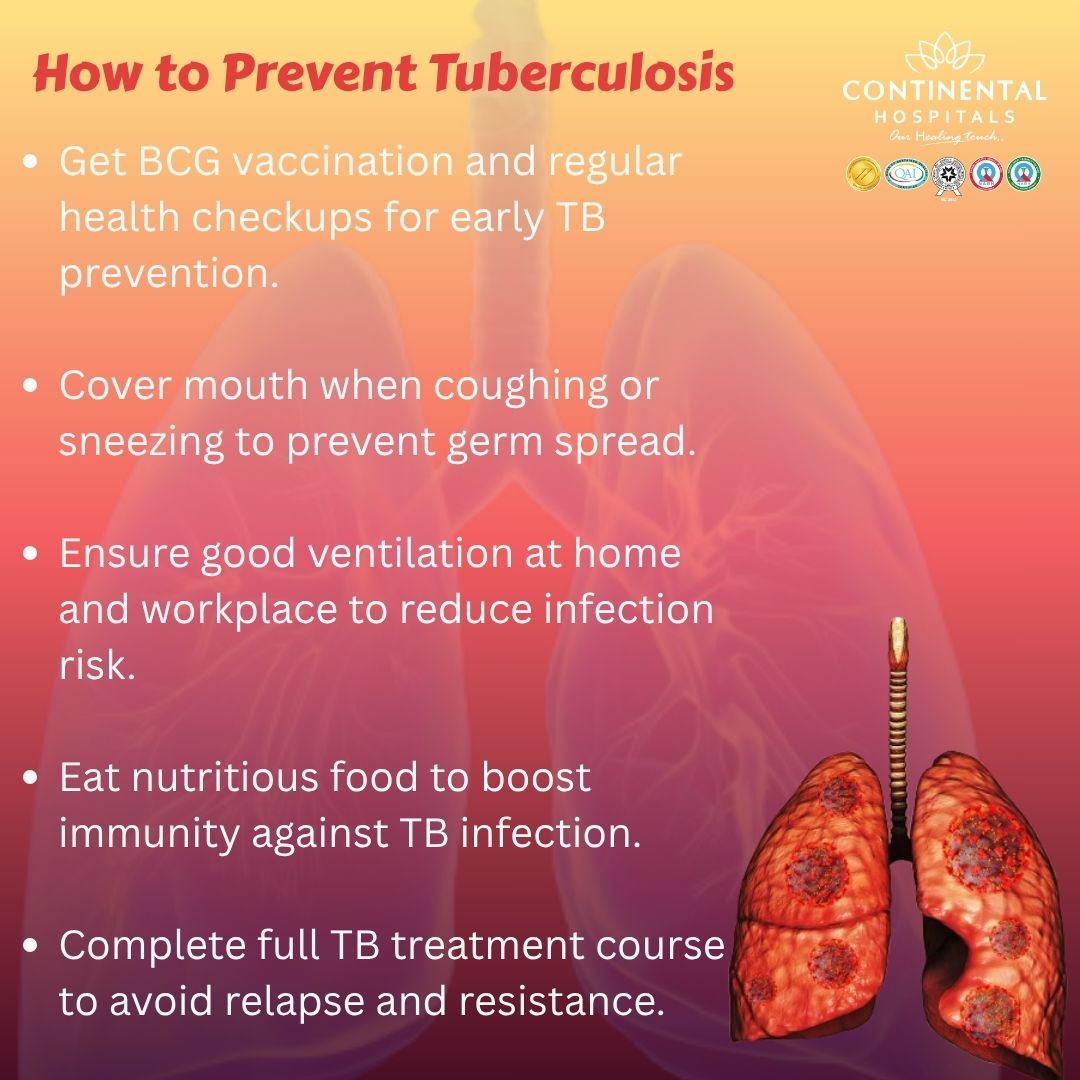
Essential Steps for Tuberculosis Prevention
Preventing tuberculosis involves a combination of medical intervention, lifestyle adjustments, and public health awareness. By following these simple steps, you can significantly reduce your risk of contracting or spreading the disease.
1. Vaccination
The BCG (Bacillus Calmette-Guerin) vaccine is often administered to infants and small children in countries where TB is prevalent. While it may not always prevent infection in adults, it is highly effective at preventing severe forms of tuberculosis in children.

2. Maintain Good Ventilation
The bacteria that cause tuberculosis thrive in dark, crowded, and poorly ventilated spaces. Ensuring that your living and working environments have plenty of fresh air and natural sunlight can help dilute the concentration of bacteria in the air. Open windows regularly to allow cross-ventilation.
3. Practice Respiratory Hygiene
If you are around someone who is coughing, or if you are feeling unwell yourself, practicing good hygiene is critical.
- Cover your mouth and nose with a tissue when coughing or sneezing.
- Dispose of used tissues immediately in a closed bin.
- Wash your hands frequently with soap and water.
- Use a mask if you are in high-risk environments or visiting healthcare facilities.
4. Strengthen Your Immune System
A robust immune system is your body’s best defense against tuberculosis. When your immunity is strong, your body can often prevent latent TB from becoming active.
- Eat a balanced diet rich in vitamins, minerals, and proteins.
- Ensure adequate sleep every night to allow your body to repair itself.
- Engage in regular physical activity.
- Avoid tobacco use and limit alcohol consumption, as these can weaken the lungs and overall immune health.
5. Regular Screening and Testing
If you have been in close contact with someone diagnosed with tuberculosis, it is important to get tested even if you do not have symptoms. Tests such as the Tuberculin Skin Test (TST) or blood tests can determine if you have been infected.
Understanding Tuberculosis Causes and Risk Factors
The causes of tuberculosis are strictly bacterial. However, certain factors make an individual more susceptible to the disease:
- Weakened Immune System: Conditions like HIV/AIDS, diabetes, or severe kidney disease can lower the body's defenses.
- Close Contact: Living or working with someone who has active tuberculosis increases the risk of inhalation.
- Tobacco Use: Smoking greatly increases the risk of getting TB and dying from it.
- Healthcare Work: Professionals working in environments with high patient turnover must follow strict safety protocols to avoid infection.
Why Choose Continental Hospitals for TB Care?
When searching for the best hospital in Hyderabad for respiratory health, Continental Hospitals stands out due to its commitment to clinical excellence and patient safety.
Continental Hospitals is a premier multi-specialty healthcare provider known for its world-class infrastructure and a dedicated team of pulmonologists. Our facility is equipped with state-of-the-art diagnostic tools that ensure accurate detection of tuberculosis in its earliest stages.
We take pride in our prestigious accreditations, including the Joint Commission International (JCI) and National Accreditation Board for Hospitals & Healthcare Providers (NABH). These accreditations are a testament to our adherence to the highest international standards of patient care, safety, and hygiene.
At Continental Hospitals, we provide:
- Advanced microbiological testing and imaging services.
- Personalized treatment plans for both latent and active tuberculosis.
- Comprehensive follow-up care to ensure complete recovery.
- Strict infection control protocols to protect all patients and visitors.
The Importance of Completing Treatment
If you are diagnosed with tuberculosis, the most important step in prevention—specifically preventing the development of drug-resistant TB—is to complete the full course of medication. Even if symptoms disappear after a few weeks, the bacteria may still be present in the body. Stopping medication early allows the remaining bacteria to become resistant to standard drugs, making the disease much harder and more expensive to treat later.
Conclusion
Tuberculosis is a serious condition, but it is not one that you have to face without support. By understanding the symptoms, practicing good hygiene, and maintaining a healthy lifestyle, you can protect yourself and your community. Awareness is the strongest tool in the fight against this disease.
If you or someone you know is experiencing persistent respiratory issues, do not ignore the signs. Early intervention is the key to a quick recovery and a return to a healthy, active life.
If you suffer from a persistent cough or unexplained weight loss or have been exposed to tuberculosis, it is crucial to consult our best infectious disease specialists in Hyderabad at Continental Hospitals. We offer expert guidance and advanced treatment options tailored to your specific needs.
Related Blog Topics: