.webp)

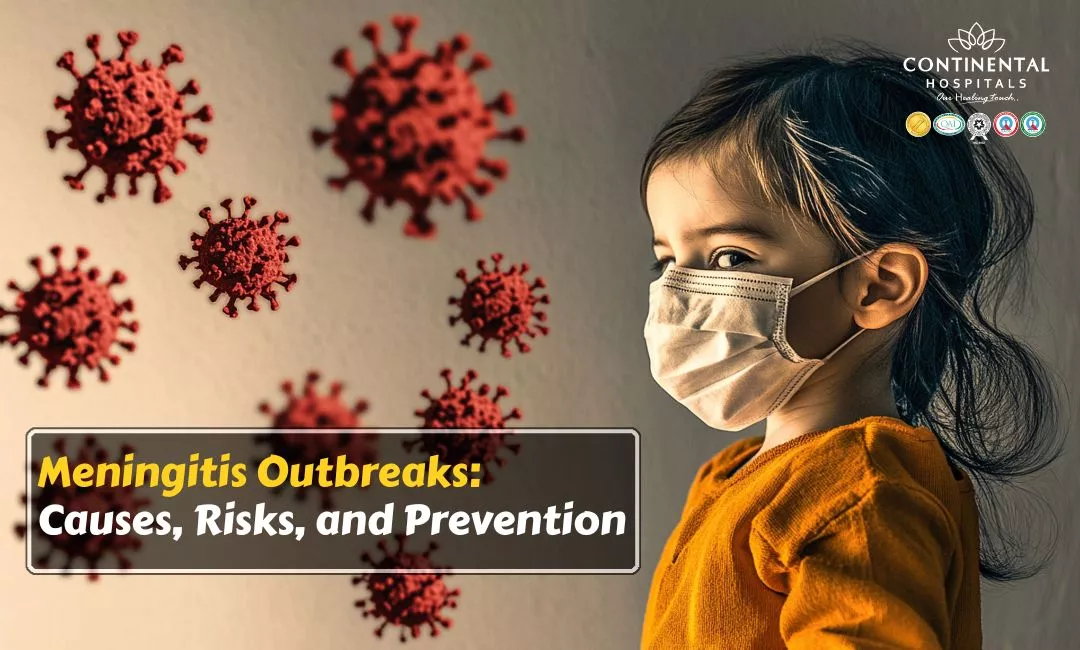
Meningitis is a serious medical condition that involves inflammation of the protective membranes covering the brain and spinal cord. During a meningitis outbreak, cases can rise quickly, affecting individuals across age groups. Understanding meningitis, its causes, risks, and prevention is essential to protect yourself and your family.
This guide explains meningitis symptoms, types like bacterial meningitis and fungal meningitis, and why timely medical care matters.
What is Meningitis?
Meningitis is an infection that causes swelling of the meninges, the thin layers surrounding the brain and spinal cord. It can be caused by bacteria, viruses, fungi, or other microorganisms.
Meningitis outbreaks occur when infections spread within communities, especially in crowded places such as schools, hostels, or workplaces. Early detection of meningitis symptoms can significantly reduce complications.
If you or your loved ones have meningitis symptoms, don’t delay. Consult our expert neurology department at Continental Hospitals. Visit our Neurology Department today.
Types of Meningitis You Should Know
Different types of meningitis vary in severity and cause.
Bacterial Meningitis
Bacterial meningitis is the most severe form and requires immediate medical treatment. It can lead to life-threatening complications if not treated quickly.
Common causes include bacteria such as Streptococcus pneumoniae and Neisseria meningitidis.

Viral Meningitis
Viral meningitis is more common but usually less severe. Most people recover without specific treatment, but medical evaluation is still important.
Fungal Meningitis
Fungal meningitis is rare and typically affects people with weakened immune systems. It develops when fungi spread through the bloodstream to the brain and spinal cord.
Meningitis in Pediatrics
Meningitis in pediatrics is a major concern because children and infants are more vulnerable. Their immune systems are still developing, making early protection and vaccination essential.
What Causes a Meningitis Outbreak?
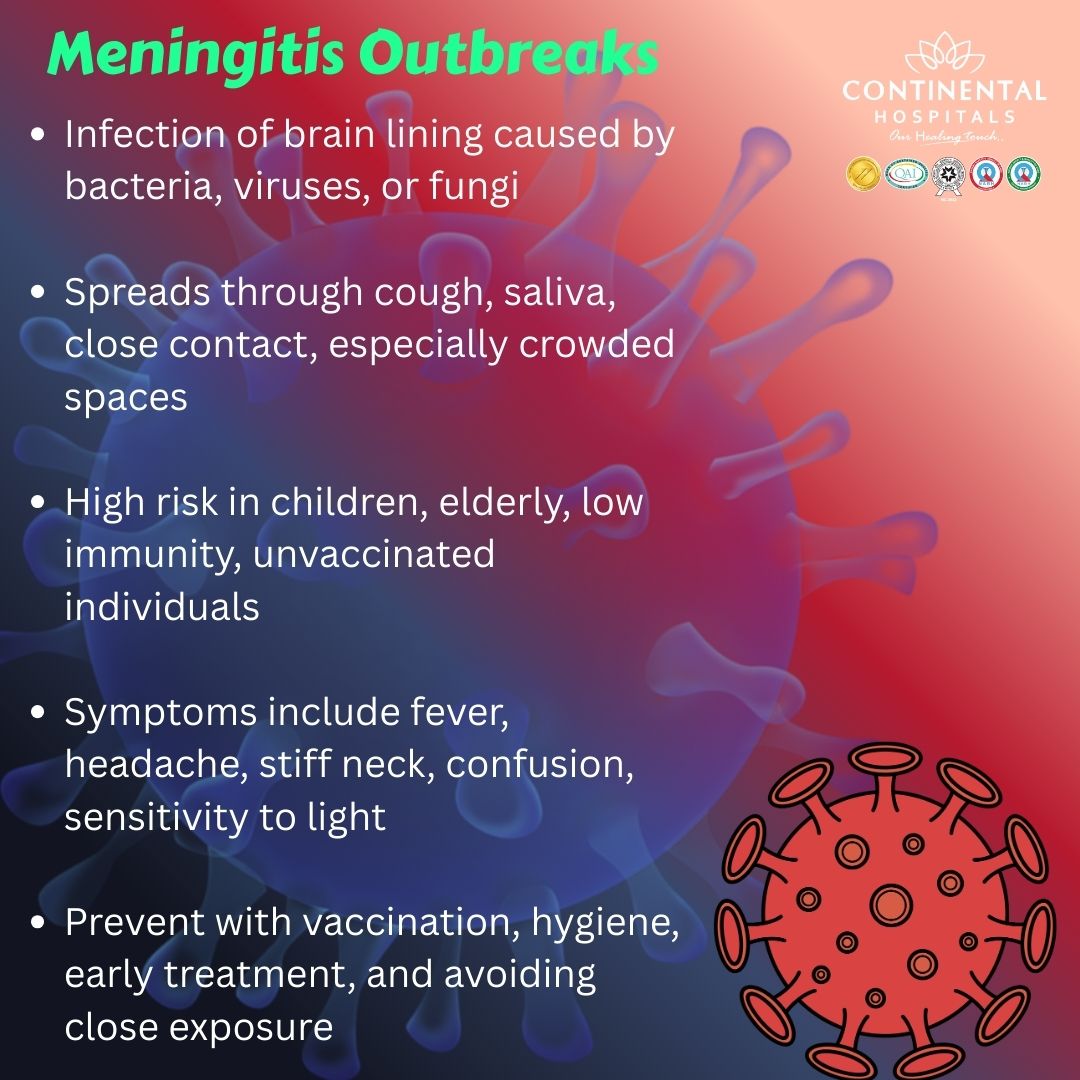
A meningitis outbreak happens when infections spread rapidly within a population.
Key causes include:
- Close contact with infected individuals
- Poor hygiene and sanitation
- Weak immune systems
- Lack of vaccination
- Living in crowded environments
Certain bacteria and viruses spread through respiratory droplets when an infected person coughs or sneezes. This makes meningitis outbreaks more common in shared spaces.
Meningitis Symptoms You Should Never Ignore
Recognizing meningitis symptoms early can save lives. Symptoms may appear suddenly and worsen quickly.
Common meningitis symptoms include:
- High fever
- Severe headache
- Neck stiffness
- Nausea and vomiting
- Sensitivity to light
- Confusion or difficulty concentrating
- Seizures in severe cases
In infants and children, meningitis symptoms may differ:
- Constant crying
- Poor feeding
- Bulging soft spot on the head
- Irritability or sleepiness
If you notice these meningitis symptoms, seek immediate medical care.
Who is at Risk During a Meningitis Outbreak?
Anyone can develop meningitis, but certain groups are at higher risk.
High risk groups include:
- Infants and young children
- Elderly individuals
- People with weakened immunity
- Students living in hostels
- Individuals with chronic illnesses
Meningitis in pediatrics remains a significant concern due to delayed symptom recognition and rapid progression.
Complications of Meningitis
Untreated meningitis can lead to serious health complications.
Possible complications include:
- Brain damage
- Hearing loss
- Memory problems
- Learning difficulties
- Seizures
- Organ failure in severe cases
Bacterial meningitis, in particular, can become life threatening within hours. Early diagnosis and treatment are critical.
How is Meningitis Diagnosed?
Doctors use a combination of clinical evaluation and tests to diagnose meningitis.
Common diagnostic methods include:
- Physical examination
- Blood tests
- Lumbar puncture to analyze cerebrospinal fluid
- Imaging tests such as CT scan or MRI
Timely diagnosis helps identify the type of meningitis and ensures proper treatment.
Treatment Options for Meningitis
Treatment depends on the type of meningitis.
- Bacterial meningitis requires immediate antibiotics and hospitalization
- Viral meningitis often resolves with supportive care
- Fungal meningitis needs antifungal medications
Supportive care may include fluids, pain management, and monitoring in intensive care if needed.
Early treatment improves recovery outcomes and reduces complications.
Prevention Tips to Avoid Meningitis
Preventing meningitis is possible with the right precautions.
Follow these important tips:
- Get vaccinated against common causes of meningitis
- Maintain good hygiene such as frequent handwashing
- Avoid close contact with infected individuals
- Cover your mouth when coughing or sneezing
- Do not share personal items like utensils or water bottles
- Ensure proper nutrition to strengthen immunity
Vaccination plays a key role in preventing bacterial meningitis and reducing the risk of outbreaks.
Why Choose Continental Hospitals?
When it comes to managing meningitis and related complications, choosing the right healthcare provider is crucial.
Continental Hospitals is known as the best hospital in Hyderabad for advanced neurological and infectious disease care.
Key highlights include:
- Accredited by national and international healthcare organizations
- State of the art diagnostic and treatment facilities
- Experienced team of neurologists and infectious disease specialists
- Advanced intensive care units for critical cases
- Strong focus on patient safety and infection control
The hospital follows strict clinical protocols to manage meningitis outbreaks effectively and ensure patient recovery.
When Should You See a Doctor?
Do not ignore early signs of meningitis.
Seek medical help immediately if you experience:
- Sudden high fever with headache?
- Neck stiffness or difficulty moving the neck?
- Confusion or altered consciousness?
- Seizures or sensitivity to light?
Early intervention can prevent serious complications and save lives.
Conclusion
Meningitis is a serious condition that can escalate quickly during a meningitis outbreak. Understanding meningitis symptoms, causes, and prevention strategies is essential for early detection and timely treatment.
Bacterial meningitis requires urgent care, while other forms like fungal meningitis also need specialized treatment. Meningitis in pediatrics demands extra attention due to higher risks in children.
Staying informed, practicing good hygiene, and getting vaccinated can significantly reduce the chances of infection.
If you or your loved ones are experiencing meningitis symptoms, do not delay medical attention. Consult our best neurologists at Continental Hospitals for accurate diagnosis, advanced treatment, and comprehensive care to protect your health and recovery.