post-title

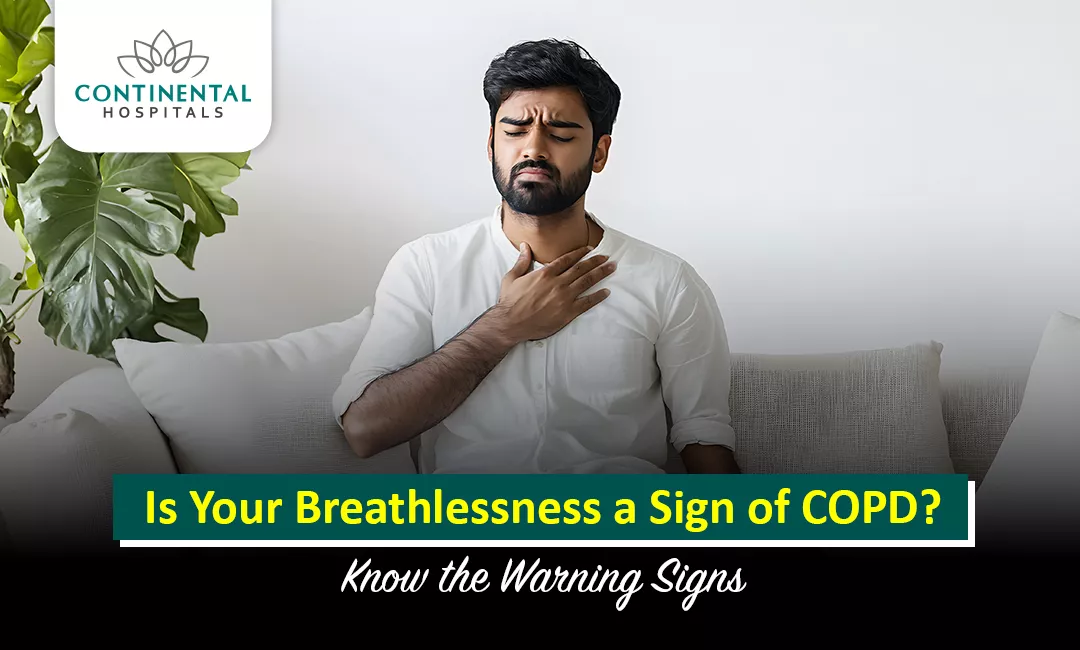
Is Your Breathlessness a Sign of COPD? Know the Warning Signs

Written by - Editorial Team
Medically Reviewed by - Dr Divyesh Kishen Waghray

Breathlessness is often associated with chronic obstructive pulmonary disease (COPD), particularly in cases where it occurs gradually and persists during routine tasks. COPD is defined as a condition of the lungs that causes an obstruction of airways, thus making breathing difficult. COPD includes, among others, chronic bronchitis and emphysema.

Is breathlessness while walking upstairs or performing ordinary chores really simply tiredness? Knowledge of the symptoms of COPD, particularly at early stages, can enable a patient to schedule an appropriate medical examination. It is worth stating that due to the progressive nature of this disorder some patients may overlook the initial telltale signs until it starts to interfere with their everyday life.

What Are the Early Symptoms of COPD?

What are the indications of a respiratory issue? COPD signs tend to develop progressively, making them hard to notice at first.

Typical symptoms may include:

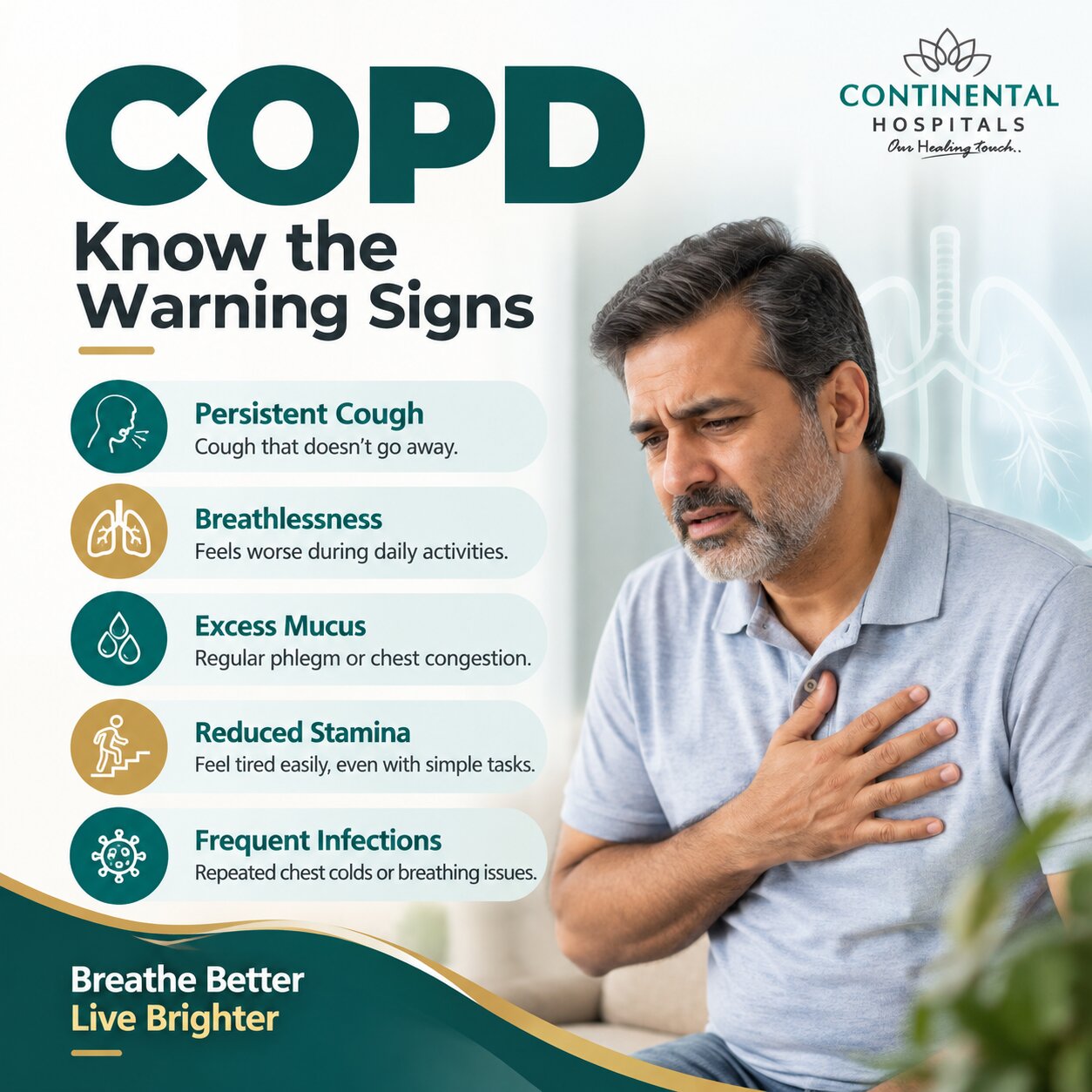
• Breathlessness, especially when performing physical activity
• A persistent or recurring cough
• Increased mucus or phlegm production
• Wheezing during breathing
• Chest tightness or discomfort
• Becoming tired during normal activities
• Frequent respiratory infections
• Decreased ability to exercise or participate in other activities.

Breathlessness and COPD symptoms become evident when airflow is compromised.

Visit the Pulmonology Department at Continental Hospitals, Hyderabad, for expert care for your respiratory health.

What Are the Indications to Look Out for COPD?
Look out for:

• Difficulty in breathing during activities that were once easy
• A cough that becomes persistent
• Mucous production
• Wheezing or noisy breathing
• Increase in fatigue
• Increased occurrence of respiratory infections in the chest
• Longer recovery after doing some work
• Difficulties in performing daily activities
        
Detecting these signs of COPD can help seek treatment in time.
Second Opinion

Who Is Susceptible to COPD?

Who are the people susceptible to developing COPD? Smoking is a key risk factor for the development of COPD, but it can still occur in those who have never smoked.

Additional risk factors may include:

• Prolonged exposure to second-hand smoke
• Pollution
• Dust and chemicals in the workplace
• Burning of certain fuels in cooking
• Repeated exposure to irritants in the respiratory system
• A certain medical history
• Rare genetic conditions that affect lungs

Awareness of the risk factors will allow you to discuss the nagging breathing problems with your doctor.

What are the methods of COPD diagnosis by experts?

In order to identify the ties between the breathlessness of a patient and COPD, first, they should examine their history of symptoms, background of the disease, and contact with cigarette smoking and other contaminants.

To come up with a diagnosis, the physician might suggest:

• Conducting their physical examination
• Testing lung function (especially spirometry, which is the crucial test)
• Testing how much oxygen is in the blood
• Performing an X-ray or another imaging
• Carrying out some blood analyses
• Conducting further respiratory examinations as needed

Need an Appointment?

Spirometry is a key method of testing how much air one can exhale quickly.

Managing Breathlessness and COPD

COPD is treatable even if it can last for a long time. While it may not be possible to completely reverse COPD, proper management can ease its troubling symptoms, enhance quality of life, and bring down risks associated with it.

Management may include:

• medication that will be inhaled
• medication for any complications or specific symptoms
• pulmonary rehabilitation when needed
• breathing techniques
• vaccines suggested by your physician
• cessation of smoking and eliminating other respiratory irritants
• regular medical appointments

Management is tailored to people because of their symptoms, lung function, health, and level of severity of the condition.

When Should You Consult a Pulmonologist?

When do you need to seek a doctor's help for breathlessness? If the breathlessness persists, becomes progressively worse, or affects daily activities, you should consult a doctor. You also need to see a doctor if you suffer from a chronic cough, repeated lung infections, wheezing, or frequent sputum production.  

If the difficulty breathing is severe or sudden, if your lips or face are blue, if you are confused, or if the symptoms worsen fast, you need to obtain emergency medical help.

Why Choose Continental Hospitals for COPD Treatment?

Why is specialist care essential for treating COPD? There are a number of reasons for breathing issues, such as asthma, heart diseases, lung infections, anemia, or some other issues with the lungs. Therefore, proper examination is recommended rather than assuming any case of breathlessness is a problem with COPD.

Continental Hospitals in Hyderabad offers a full range of breathing problems treatment services, so patients can obtain quality assistance from the best specialists available, modern facilities, and state-of-the-art technologies.

What are the important aspects concerning breathlessness and COPD?

• Breathlessness may be one of the key indicators of COPD, mainly when it develops progressively.
• Symptoms of COPD include coughing, producing mucus, wheezing, and poor exercise tolerance.
• Symptoms in adults may take a long time to develop and, at first, may resemble normal tiredness.
• Smoking and long-time exposure to air pollutants make you a COPD risk.
• When diagnosing COPD, doctors use lung function tests like spirometry.
• Early diagnosis allows medical experts to create adequate treatment.
• Giving up smoking and having regular check-ups can help you remain healthier.

Conclusion

Could your breathing difficulties indicate a more serious disease? Never ignore constant breathing problems, especially in case they are associated with a chronic cough, wheezing, or mucus production.

If you have breathing difficulties, a cough, or produce mucus, consult our best pulmonologist in Hyderabad at Continental Hospitals for treatment.

Related Blogs:

  1. Rising COPD & Asthma Due to Weather Shifts
  2. What are the common symptoms and risk factors for COPD?

Frequently Asked Questions

COPD stands for chronic obstructive pulmonary disease. It is a long-term condition that affects the lungs. COPD can make it difficult to move air in and out of the lungs. The condition commonly includes chronic bronchitis and emphysema. Smoking is one of the major risk factors for COPD. Long-term exposure to air pollution can also increase the risk. Workplace exposure to dust, fumes, and chemicals may contribute. Common symptoms include breathlessness and persistent cough. Some people may also produce excess mucus. Wheezing and chest tightness can occur in some patients. Symptoms may gradually become more noticeable over time. Early diagnosis can help manage symptoms and reduce complications. A pulmonologist can evaluate persistent breathing problems.
Breathlessness can be one of the common symptoms of COPD. It may initially occur during exercise or physical activity. Some people may later experience breathlessness during routine activities. Walking, climbing stairs, or carrying objects may become difficult. Breathing difficulty can gradually worsen if COPD is not managed. However, breathlessness does not always mean a person has COPD. Asthma, heart conditions, anemia, and infections can also cause it. Smoking history and long-term exposure to irritants are important clues. A persistent cough may occur along with breathlessness. Wheezing and increased mucus production can also be present. A doctor may recommend lung function testing for evaluation. Early medical assessment can help identify the underlying cause. Persistent or worsening breathlessness should not be ignored.
Persistent breathlessness is an important warning sign of COPD. A long-lasting cough may also indicate an underlying lung problem. Some people experience frequent mucus or phlegm production. Wheezing can occur because of narrowed airways. Chest tightness may be reported by some people with COPD. Frequent respiratory infections can occur in some patients. Physical activity may become increasingly difficult. Some people may feel unusually tired during everyday activities. Symptoms can develop gradually and may be overlooked initially. Smoking or exposure to lung irritants can increase the risk. Symptoms that interfere with daily life require medical evaluation. Lung function tests can help assess how well the lungs work. Early diagnosis allows appropriate treatment and lifestyle management.
People who smoke or have smoked have a higher risk of COPD. Long-term exposure to secondhand smoke can also affect lung health. Air pollution may contribute to chronic respiratory problems. Repeated exposure to workplace dust and chemical fumes can increase risk. Indoor smoke from certain cooking fuels can also affect the lungs. Older adults are more likely to develop COPD. People with certain genetic conditions may have increased susceptibility. Repeated childhood respiratory problems may also affect lung health. Not everyone with these risk factors develops COPD. The level and duration of exposure can influence individual risk. Persistent respiratory symptoms should be evaluated by a doctor. Pulmonary function testing may help identify airflow limitation. Reducing exposure to lung irritants is important for prevention.
Doctors diagnose COPD using symptoms, medical history, and lung testing. A detailed history may include smoking and environmental exposures. The doctor may ask about cough, mucus, wheezing, and breathlessness. Spirometry is commonly used to assess lung function. This test measures how much air a person can breathe out. It also measures how quickly air can be expelled from the lungs. A chest X-ray may be recommended in some situations. Other tests may be used to investigate alternative causes of symptoms. Oxygen levels may also be checked when clinically appropriate. The doctor considers the overall pattern of symptoms and test results. Early evaluation can help identify COPD at an earlier stage. Diagnosis can also help guide appropriate treatment and follow-up. A pulmonologist can determine which tests are suitable for each patient.
COPD is a chronic condition, but its symptoms can be managed. Treatment depends on the severity and individual characteristics. Stopping smoking is one of the most important steps for smokers. Doctors may prescribe inhaled medicines to improve breathing. Some inhalers help relax the muscles around the airways. Other medicines may help reduce airway inflammation when appropriate. Pulmonary rehabilitation can support exercise and breathing capacity. Vaccinations may help reduce the risk of certain respiratory infections. Oxygen therapy may be recommended for some people with low oxygen levels. Regular physical activity can be beneficial when medically appropriate. Avoiding smoke, dust, and other lung irritants is also important. Regular follow-up helps doctors monitor symptoms and lung function. Treatment plans should be personalized by a qualified healthcare professional.
COPD can gradually worsen over time, particularly without appropriate management. Smoking can accelerate lung function decline in people with COPD. Continued exposure to air pollution may also aggravate symptoms. Respiratory infections can trigger sudden worsening of symptoms. These episodes are sometimes called COPD exacerbations or flare-ups. During a flare-up, coughing and breathlessness may become more severe. Mucus production can also increase during some exacerbations. Early treatment of worsening symptoms may help reduce complications. Following prescribed medicines can support long-term disease management. Smoking cessation can help slow further damage to the lungs. Regular medical reviews can help monitor changes in lung function. Patients should understand their individual action plan for flare-ups. Severe or sudden breathing difficulty requires urgent medical attention.
See a doctor if breathlessness continues or repeatedly returns. A persistent cough should also be medically evaluated. Wheezing or ongoing mucus production may require assessment. Breathing difficulty that affects daily activities should not be ignored. People with a significant smoking history should discuss symptoms with a doctor. Frequent chest infections may also require further evaluation. A doctor can determine whether symptoms are related to COPD. Other lung, heart, or medical conditions may cause similar symptoms. Spirometry and other tests can help identify the underlying problem. Early diagnosis can support timely treatment and symptom management. Seek urgent medical care for severe or rapidly worsening breathlessness. Emergency attention is especially important if breathing becomes extremely difficult. Do not delay medical care when serious breathing symptoms occur.
Disclaimer: The information provided in this blog is intended for general knowledge and informational purposes only, and does not constitute medical advice. Always consult with a qualified healthcare professional for any medical concerns or before making any decisions about your health.

Get in Touch With Us

Whether you are from India or abroad, we are here to help you with your medical queries. Please fill out the form below and our team will connect with you shortly.

  • ✔ Quick response from our medical experts
  • ✔ Secure data handling & privacy
  • ✔ Easy upload for reports & documents
banner_image

Chat with our medical experts on WhatsApp for quick assistance and hassle-free appointment booking

Recent Posts