.webp)

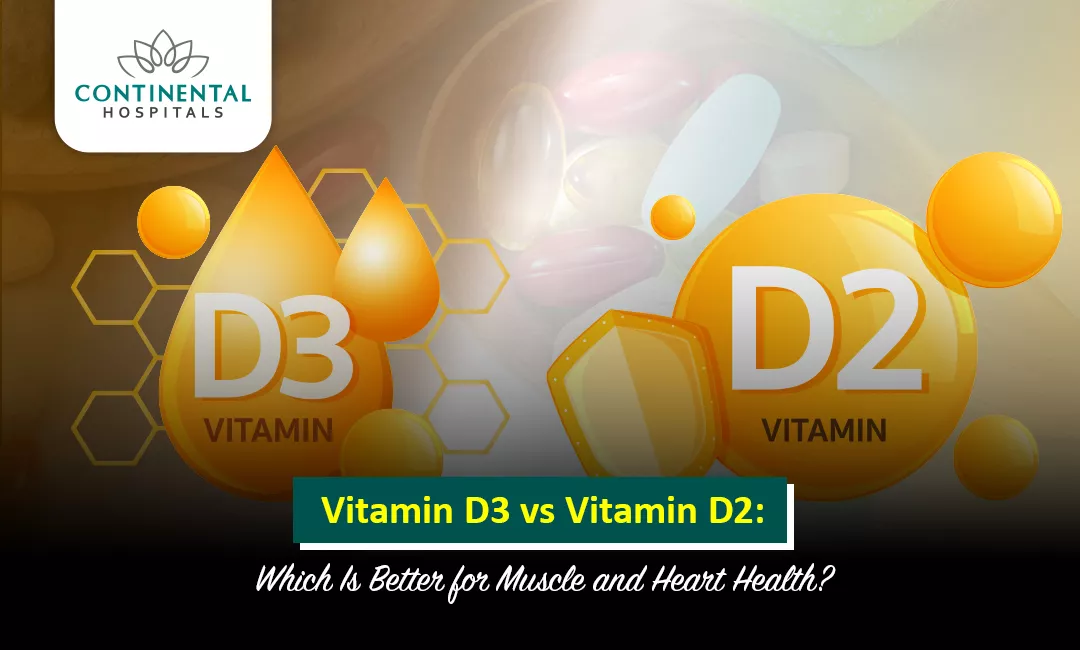
When we compare vitamin D3 and vitamin D2, we have to admit that both types of vitamins are efficient in keeping the organism at a certain level of vitamin D. Vitamin D3, also known as cholecalciferol, is produced based on the sunlight by the skin and thus may also be found in some food products with animal origin. Vitamin D2, or ergocalciferol is often received from various mushroom kinds and fortified foods.
But what about which form is better? Vitamin D3 is usually regarded as more effective in increasing and maintaining vitamin D3 blood levels. However, which vitamin D variant to choose will depend on your specific needs. It is important to know and understand the differences between vitamin D3 and D2 before making a decision.
What is the role of vitamin D in the body’s functioning?
What makes vitamin D a significant part of general well-being? Vitamin D is responsible for calcium and phosphorus absorption, playing an integral part in enabling the body to form strong bones and operate muscles correctly. It contributes to the occurrence of regular immune function and other processes.
Benefits of vitamin D include:
• Being responsible for the absorption of calcium and production of strong bones
• Being responsible for muscles to work properly
• Being responsible for immunity
• Being responsible for the functioning of nerves and cells
• Supporting body nutrition, provided the adequate vitamin D level is maintained
Vitamin D deficiency occurs when there is too little vitamin D that the body receives, produces, or obtains.
Visit the Internal Medicine Department at Continental Hospitals, Hyderabad, for comprehensive evaluation and expert care tailored to your health needs.
Are Vitamin D3 and Vitamin D2 Equivalent?
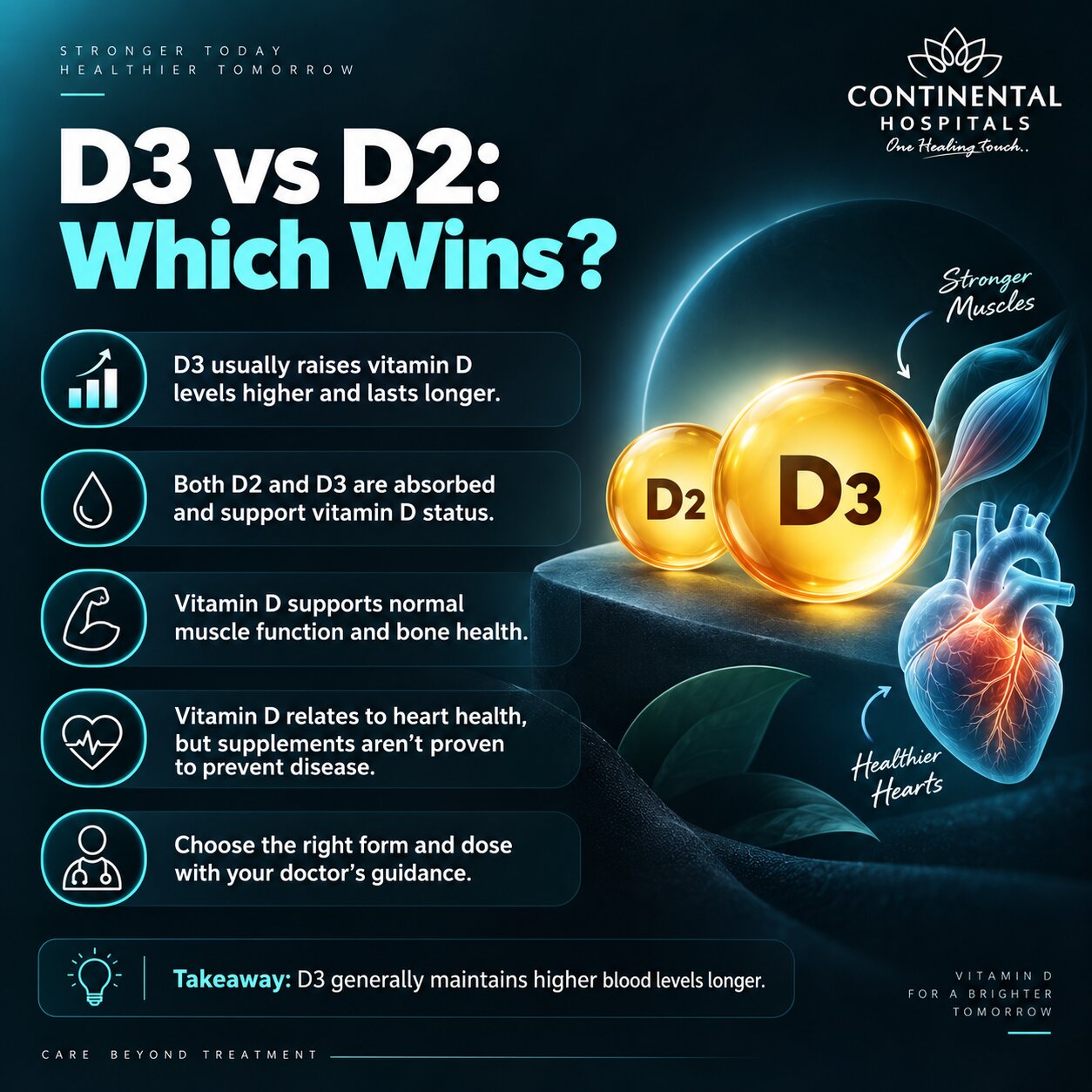
Is vitamin D3 more effective than vitamin D2? Studies show that while both drugs can positively affect blood levels of vitamin D, vitamin D3 can be more successful at raising the level of 25-hydroxy vitamin D in blood.
Vitamin D3 is widely used in supplements of vitamin D and can come in various forms. While vitamin D2 can work in some cases, there are some people who prefer to use it due to their dietary restrictions.

What is crucial is a question of whether vitamin D3 or vitamin D2 works better, but also whether you are actually getting the vitamin D you need or not.
In what ways does vitamin D contribute to the well-being of the muscles?
Does Vitamin D Have an Impact on the Muscles? The answer is affirmative, as vitamin D is essential for the health of muscles. If the body does not have enough vitamin D in it, the muscles are bound to suffer.
Vitamin D deficiency in people would lead to a decline in the muscle strength and overall achievement of physical activities. The lack of vitamin D in the body can impair the physical ability of an individual even more when the person is aged.
Does vitamin D help the health of your heart?
Can vitamin D help with the heart? Vitamin D plays different roles in various biological and functional processes for overall health, including those that are related to the health of the heart. However, at this time, there is no strong evidence upon which to support the use of vitamin D by the general public as a prevention of heart disease.
The importance of vitamin D in maintaining good health cannot be overstated in general and especially in cases of vitamin D deficiency. If we are to look at the health of the heart, other important factors include blood pressure, cholesterol, blood sugar, physical activity, nutrition, sleep, and smoking.
The Symptoms of Vitamin D Deficiency
How to tell if you have been vitamin D deficient? Some individuals experience no symptoms, even when their deficiency is severe.
Some common symptoms are:
• Weak muscles
• Pain in bones or muscles
• Tiredness
• Loss of strength
• Increased chance of bone diseases
These symptoms can relate to several other health conditions as well. A blood test can confirm any vitamin D deficiency.
Who Requires Vitamin D Supplements?
What groups of people are generally more susceptible to vitamin D deficiency? Limited exposure to sunlight is one factor that results in the deficiency. Age, skin tone, some eating habits, obesity, malabsorption of vitamin D, and certain health problems can also contribute to the deficiency of vitamin D.
A doctor might recommend taking vitamin D supplements if the results of the blood test and a clinical examination indicate that the patient’s condition is not suitable without vitamin D intake.
Could everyone take high doses of vitamin D supplements? No, as taking them without the advice of a doctor may lead to vitamin D toxicity or too much calcium in the blood.
What steps can be taken to promote healthy vitamin D levels?
• Expose yourself to the sun while taking care of your skin.
• Increase your consumption of foods that naturally include vitamin D as well as those that are fortified with vitamin D.
• Be sure to eat foods that are rich in calcium and protein.
• Exercise regularly to maintain healthy muscles and bones.
• Only take vitamin D supplements if they have been prescribed or recommended by a doctor.
• Ask about any ongoing issues related to vitamin D deficiency.
Why Choose Continental Hospitals for Vitamin D and Health Guidance?
Why is professional guidance useful when managing vitamin D health? Vitamin D levels can be influenced by diet, lifestyle, medications, medical conditions, and individual nutritional requirements. A healthcare professional can assess these factors and recommend appropriate testing or supplementation when necessary.
Continental Hospitals, Hyderabad, provides comprehensive healthcare through experienced specialists, advanced diagnostic facilities, modern infrastructure, and multidisciplinary medical expertise. The hospital follows established quality and patient safety practices and holds national and international healthcare accreditations, reflecting its commitment to maintaining recognized standards of clinical care and patient safety.
Whether you are concerned about vitamin D deficiency, muscle weakness, nutritional health, or broader cardiovascular health, the appropriate specialist can help assess your individual needs and guide you toward suitable care.
What Should You Remember About Vitamin D3 vs Vitamin D2?
• Vitamin D3 and vitamin D2 can both increase vitamin D levels.
• Vitamin D3 generally raises and maintains blood vitamin D levels more effectively than vitamin D2.
• Vitamin D is important for normal muscle and bone function.
• Vitamin D deficiency may contribute to muscle weakness and bone health problems.
• Vitamin D has an important role in overall health, but supplements should not be considered a standalone treatment for heart disease.
• Vitamin D supplements should be selected according to individual health needs.
• Excessive vitamin D supplementation can be harmful.
• Testing and medical advice can help determine whether supplementation is needed.
Conclusion
So, when it comes to Vitamin D3 vs Vitamin D2, which is better? Vitamin D3 is generally more effective at increasing and maintaining vitamin D levels, but the best choice depends on your nutritional needs, health status, and medical advice. Maintaining adequate vitamin D can support normal muscle function, bone health, and overall well-being.
If you suffer from persistent muscle weakness, unexplained fatigue, concerns about vitamin D deficiency, or other nutritional health concerns, consult our best internal medicine specialist in Hyderabad at Continental Hospitals, Hyderabad, for appropriate evaluation, testing, and personalized guidance.
Related Blogs: