post-title

How does exercise help damaged heart muscles?

Written by - Editorial Team
Medically Reviewed by - Dr Meeraji Rao Dandangi

Heart health is not just about avoiding illness. It is about restoring strength, balance, and endurance when the heart has already been affected. Many people worry that exercise might strain damaged heart muscles, but medically guided physical activity is one of the most effective ways to support heart recovery and long-term function.

What happens to heart muscles when they are damaged?

The heart is made of specialized cardiac muscle tissue that contracts rhythmically to pump blood throughout the body. These heart muscles include multiple components such as cardiac muscle cells, papillary muscles of the heart, and peripheral heart muscle fibers that support circulation.

Damage to heart muscles can happen due to:

  • Heart attack
  • Long-standing high blood pressure
  • Diabetes
  • Viral infections
  • Lifestyle-related stress
  • Poor physical activity levels

When heart muscles are damaged, the heart may become weaker or thicker. Thick heart muscle and thickening of the heart can reduce flexibility, while weak heart muscle reduces pumping strength. Both conditions can cause heart muscle pain, heart cramps, breathlessness, and fatigue.

Heart muscle pain, cramps, or breathlessness? Visit our Best Cardiology Doctors in Hyderabad at Continental Hospitals.

How does exercise help repair damaged heart muscles?

Exercise does not repair the heart overnight. Instead, it improves how heart muscles function, adapt, and regenerate over time.

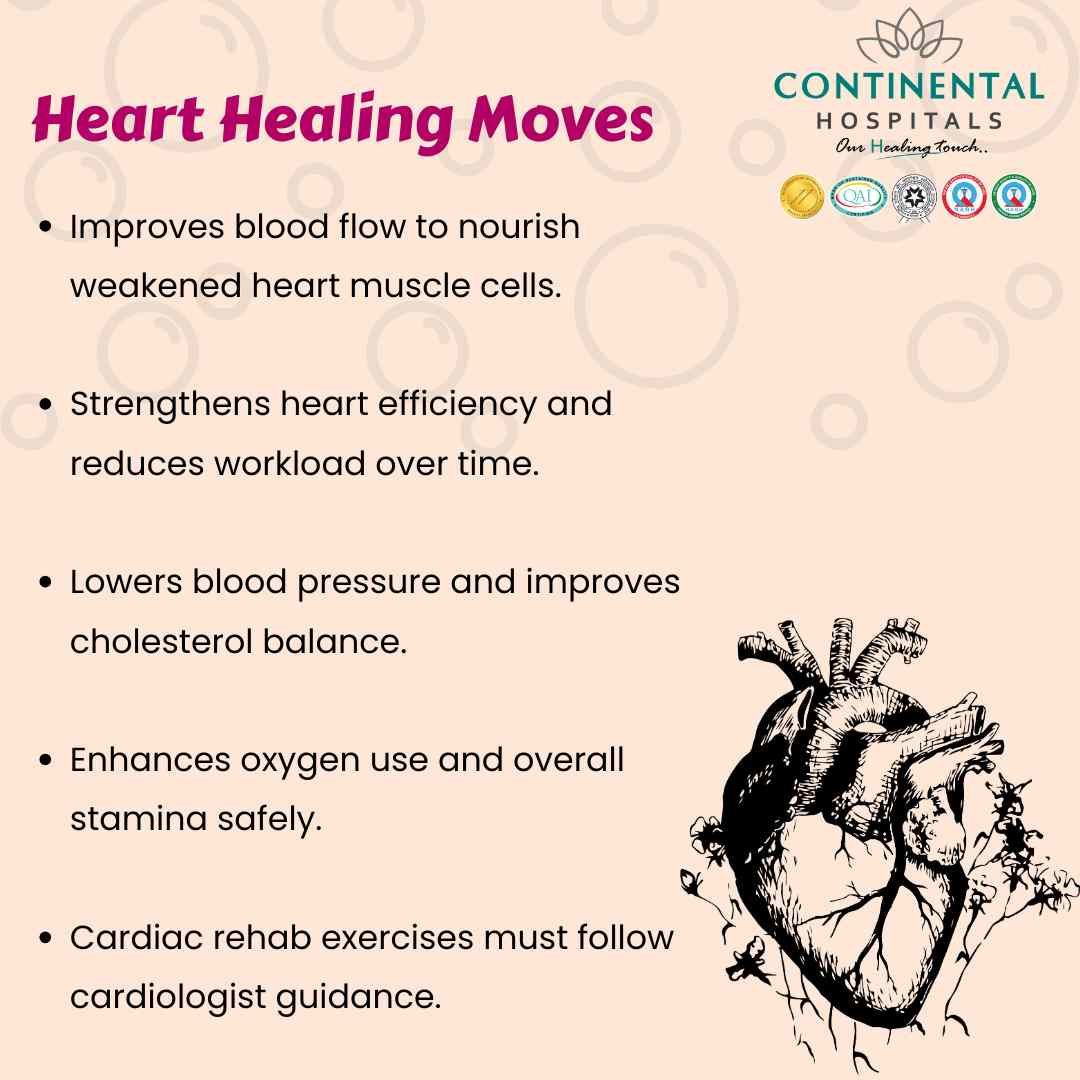
1. Improves Blood Flow to Heart Muscles
Regular physical activity increases blood circulation. This ensures that damaged cardiac muscle tissue receives more oxygen and nutrients. Better circulation reduces strain on the heart and supports healing at the level of each cardiac cell.

Improved blood flow also reduces chest discomfort and heart muscle pain by preventing oxygen deprivation.

2. Strengthens Weak Heart Muscle Safely
A weak heart muscle struggles to pump efficiently. Supervised exercise trains the heart to pump more blood with less effort. Over time, heart muscles become more efficient without becoming overstressed.

Second Opinion

This is one of the safest ways to learn how to strengthen heart muscle naturally under medical guidance.

3. Prevents Harmful Thickening of the Heart
Thick heart muscle often develops due to uncontrolled blood pressure or inactivity. Proper aerobic exercise improves elasticity and prevents excessive thickening of the heart, helping the heart relax better between beats.

This balance reduces symptoms like heart cramps and irregular heartbeats.

How does exercise affect heart cells?

Exercise works deep inside the heart at a microscopic level.

  • It improves the function of each cardiac muscle cell
  • It supports healthy cardiac cell metabolism
  • It enhances communication between cardiac muscle cells
  • It improves oxygen usage within cardiac muscle tissue

This cellular improvement explains why consistent exercise reduces hospital visits and improves survival in heart patients.
What types of exercise help strengthen heart muscles?

Not all exercises are the same. The goal is to support heart muscles without overloading them.

Need an Appointment?

Recommended Exercises:

  • Walking at a steady pace
  • Cycling on flat surfaces
  • Light jogging under supervision
  • Swimming
  • Breathing and flexibility exercises
  • Cardiac rehabilitation programs

These activities improve peripheral heart muscle endurance and support papillary muscles of the heart during pumping.

Exercises to Avoid Without Medical Advice:

  • Sudden heavy weightlifting
  • High-intensity interval training without clearance
  • Competitive sports during recovery

Always consult a cardiologist before starting any exercise if you have heart muscle pain or known heart muscle conditions.

How Exercise Reduces Symptoms?

Regular exercise helps reduce:

  • Heart muscle pain
  • Heart cramps
  • Breathlessness
  • Fatigue
  • Anxiety related to heart health

By improving coordination between cardiac muscle tissue and blood vessels, the heart works smarter rather than harder.

How Often Should You Exercise?

For damaged heart muscles, consistency matters more than intensity.

General medical guidance includes:

  • Moderate exercise most days of the week
  • Short sessions that gradually increase
  • Rest days when needed
  • Monitoring heart rate and symptoms

Structured cardiac rehabilitation programs are especially beneficial for patients with weak heart muscle or thick heart muscle.

When Exercise Needs Medical Supervision?

Exercise should never cause discomfort. Stop and seek medical advice if you experience:

  • Chest tightness
  • Severe heart muscle pain
  • Dizziness
  • Irregular heartbeat
  • Excessive fatigue

A doctor evaluates heart muscle function, cardiac muscle health, and overall fitness before adjusting activity levels.

What are the long-term benefits of exercise for heart muscles?

With time, exercise helps:

  • Improve heart muscle strength
  • Increase endurance
  • Reduce hospital admissions
  • Improve quality of life
  • Slow progression of heart disease
  • Improve function of papillary muscles of the heart
  • Enhance peripheral heart muscle performance

Patients who remain active under medical supervision often experience better outcomes than those who avoid physical activity completely.

Why Exercise Alone Is Not Enough?

Exercise works best when combined with:

  • Heart-healthy nutrition
  • Blood pressure control
  • Blood sugar management
  • Stress reduction
  • Proper sleep
  • Regular medical follow-ups

Ignoring symptoms while exercising can be harmful. Balance and expert guidance are essential.

Why Choose Continental Hospitals?

Continental Hospitals is recognized as one of the best hospital in Hyderabad for advanced cardiac care. The hospital offers comprehensive evaluation and treatment for heart muscle conditions using evidence-based protocols.

Key strengths include:

  • Experienced cardiologists and cardiac rehabilitation specialists
  • Advanced diagnostics for heart muscles and cardiac muscle tissue
  • Personalized exercise and recovery programs
  • International quality standards and global accreditations
  • Multidisciplinary care focused on long-term heart health

Patients receive structured guidance on how to strengthen heart muscle safely and effectively.

Conclusion

Exercise is not dangerous for damaged heart muscles when done correctly. It is one of the most powerful tools to restore strength, improve circulation, and enhance the function of cardiac muscle tissue. From weak heart muscle to thick heart muscle, medically supervised physical activity supports healing at both cellular and functional levels.

Avoiding exercise out of fear can weaken heart muscles further. The right approach builds resilience, confidence, and long-term heart health.

If you are experiencing heart muscle pain, heart cramps, breathlessness, or have been diagnosed with weak heart muscle or thickening of the heart, do not self-manage your condition.

Consult our top cardiologists in Hyderabad at Continental Hospitals for a complete heart evaluation and a personalized exercise and recovery plan designed to protect and strengthen your heart muscles safely.

Related Blogs:

  1. Is Your Lifestyle Damaging Your Heart?
  2. How Excessive Heat Impacts Heart Health

Frequently Asked Questions

Regular exercise strengthens the heart by improving its ability to pump blood more efficiently. It increases blood flow to the heart muscle, allowing more oxygen and nutrients to reach damaged areas. Exercise also encourages the development of new blood vessels, improving circulation around blocked arteries. Over time, it reduces the workload on the heart by lowering blood pressure and resting heart rate. Physical activity helps improve the flexibility of blood vessels, making it easier for blood to flow. It also supports better cholesterol levels and reduces inflammation, both of which protect the heart from further damage. Exercise improves the body's ability to use oxygen, reducing fatigue during daily activities. Patients often notice improved stamina, energy, and quality of life. Cardiac rehabilitation programs use carefully monitored exercises to ensure safety. The type and intensity of exercise should always be recommended by a cardiologist. Starting slowly and progressing gradually helps avoid complications. With medical guidance, regular exercise becomes an important part of heart muscle recovery and long-term cardiovascular health.
Yes, in many cases, medically supervised exercise can improve the function of a damaged heart muscle. While severely scarred heart tissue cannot regenerate, healthy portions of the heart can become stronger and more efficient. Exercise improves the pumping ability of the heart and increases endurance. It enhances blood circulation and oxygen delivery throughout the body. Patients often experience fewer symptoms such as breathlessness and fatigue. Regular activity also improves muscle strength, reducing strain on the heart during daily tasks. Exercise lowers blood pressure and supports healthy body weight, both of which reduce cardiac stress. Cardiac rehabilitation programs are specially designed for people recovering from heart attacks or heart failure. These programs monitor heart rate and blood pressure to ensure safety. Improvements usually occur gradually with consistency. Every exercise plan should be personalized based on the patient's condition. Always consult a cardiologist before beginning any exercise routine.
Low to moderate-intensity aerobic exercises are generally considered the safest for individuals with heart muscle damage. Walking is one of the most recommended activities because it is gentle and easy to control. Cycling on a stationary bike and light swimming may also be suitable for some patients. Stretching and flexibility exercises improve mobility without placing excessive strain on the heart. Light strength training using small weights or resistance bands may be introduced under medical supervision. Cardiac rehabilitation specialists create exercise plans based on individual health conditions. Exercise sessions usually begin with warm-up activities and end with cool-down exercises. Monitoring heart rate and symptoms during exercise is essential. Activities that cause chest pain, dizziness, or severe breathlessness should be stopped immediately. High-intensity workouts should only be attempted after medical clearance. Regular follow-up ensures the exercise program remains safe and effective. A cardiologist can recommend the most appropriate exercise routine.
The timing depends on the severity of the heart attack and the patient's overall health. Many people begin light physical activity within a few days under hospital supervision. Walking short distances is often encouraged to improve circulation and prevent complications. Structured cardiac rehabilitation usually starts within a few weeks after discharge. The rehabilitation team carefully evaluates heart function before increasing activity levels. Exercise intensity is gradually increased as recovery progresses. Patients are monitored for blood pressure, heart rhythm, and symptoms during rehabilitation sessions. Returning to normal physical activity too quickly may increase health risks. Following medical advice helps ensure a safe recovery. Lifestyle changes, including healthy eating and medication adherence, work alongside exercise for better outcomes. Every recovery plan is individualized according to the patient's needs. Always obtain clearance from your cardiologist before starting or increasing physical activity.
Yes, regular exercise is one of the most effective ways to reduce the risk of future heart attacks. Physical activity improves blood circulation and lowers blood pressure, reducing stress on the heart. It helps control cholesterol levels by increasing good HDL cholesterol and lowering harmful LDL cholesterol. Exercise also supports healthy blood sugar levels, which is especially important for people with diabetes. Maintaining a healthy weight further decreases cardiovascular risk. Regular movement reduces inflammation and improves blood vessel function. Exercise strengthens the heart, making it more efficient during physical activity and rest. It also reduces stress and supports better mental health, which positively affects heart health. Combining exercise with a healthy diet, medication, and smoking cessation offers the greatest protection. Cardiac rehabilitation programs significantly lower the chances of future cardiac events. Consistency is more beneficial than occasional intense workouts. A cardiologist can recommend the safest long-term exercise plan.
Most heart health guidelines recommend at least 150 minutes of moderate-intensity aerobic exercise each week for suitable patients. This can be divided into 30-minute sessions on five days of the week. Beginners may start with shorter sessions lasting 10 to 15 minutes. The duration and intensity are gradually increased based on individual progress. Walking, cycling, and light aerobic activities are common choices. Rest days are important to allow recovery and prevent overexertion. Strength training may be added two to three times per week if approved by a healthcare provider. Patients should pay attention to symptoms such as chest pain or unusual breathlessness. Exercising at a comfortable pace is generally safer than pushing beyond personal limits. Regular medical reviews help adjust the exercise plan when necessary. Consistency is more important than intensity for long-term heart recovery. Always follow your cardiologist's recommendations.
Yes, certain symptoms require immediate attention and stopping exercise right away. Chest pain, pressure, or discomfort should never be ignored. Severe shortness of breath that does not improve with rest may indicate a serious problem. Dizziness, fainting, or feeling lightheaded requires prompt evaluation. A rapid or irregular heartbeat accompanied by weakness should also be taken seriously. Pain spreading to the jaw, shoulder, neck, or arm may signal a heart emergency. Excessive sweating with chest discomfort should be treated urgently. Sudden fatigue beyond normal exercise tiredness is another warning sign. Swelling in the legs or worsening breathlessness may indicate heart failure symptoms. Rest immediately and seek medical advice if these symptoms occur. Call emergency medical services if symptoms are severe or persistent. Exercising only under medical guidance helps reduce these risks.
Cardiac rehabilitation is a medically supervised program designed to help patients recover safely after heart muscle damage. It combines personalized exercise, education, nutrition guidance, and emotional support. The program helps strengthen the heart while reducing the risk of future complications. Healthcare professionals monitor heart rate, blood pressure, and symptoms during exercise sessions. Rehabilitation improves physical fitness and confidence in returning to daily activities. Patients also learn healthy lifestyle habits that protect long-term heart health. The program addresses risk factors such as high blood pressure, diabetes, obesity, and smoking. Emotional well-being is also supported because anxiety and depression are common after heart disease. Studies show cardiac rehabilitation reduces hospital readmissions and improves survival. It encourages long-term adherence to exercise and medications. Every rehabilitation plan is tailored to the individual's medical condition and recovery goals. Participating in cardiac rehabilitation is one of the most effective ways to achieve a healthier recovery after heart damage.
Disclaimer: The information provided in this blog is intended for general knowledge and informational purposes only, and does not constitute medical advice. Always consult with a qualified healthcare professional for any medical concerns or before making any decisions about your health.

Get in Touch With Us

Whether you are from India or abroad, we are here to help you with your medical queries. Please fill out the form below and our team will connect with you shortly.

  • ✔ Quick response from our medical experts
  • ✔ Secure data handling & privacy
  • ✔ Easy upload for reports & documents
banner_image

Chat with our medical experts on WhatsApp for quick assistance and hassle-free appointment booking

Recent Posts