• Share this:
post-title

Is Your Lifestyle Damaging Your Heart?

Written by - Editorial Team
Medically Reviewed by - Dr CVN Murthy

It can be almost anyone’s heart at any time – is your daily routine putting yours at risk? Poor eating, lack of exercise, stress and smoking all contribute to heart disease. We live in an age where our lifestyles are making the condition more common than ever before – across all age groups. Many people believe that their heart is only affected once they reach an older age – however, it is often the enemy in disguise and can slowly damage the heart over time.

There is a close connection between an unhealthy lifestyle and heart disease. Sedentary living, processed foods, obesity, diabetes, high blood pressure or bad sleep habits can all have a detrimental impact on cardiovascular health. The three most common complications, blocked artery, stroke, and heart attack can increase in levels over time.

The good news is that a change in lifestyle brings about great improvements in lifestyle and heart health. Early awareness and early detection can prevent complications and improve your length of life. It is important to be aware of warning signs and to develop prevention habits to help protect your heart.

What Are the Common Heart Attack Symptoms?

Early detection of heart attack symptoms can be life-saving. While symptoms are different for every patient, common warning signs include:

  • Pain, pressure or discomfort in the chest
  • Pain radiating to the arm, shoulder, neck, jaw or back
  • Shortness of breath
  • Excessive sweating
  • Nausea or vomiting
  • Dizzy or faint
  • Excessive fatigue

In some patients, including women and people with diabetes, symptoms may be mild or atypical. It is important not to neglect these symptoms and delay urgent treatment.

For any concerns related to heart health or heart disease, visit the Cardiology Department at Continental Hospitals for expert diagnosis and advanced treatment.

How Does an Unhealthy Lifestyle Affect the Heart?

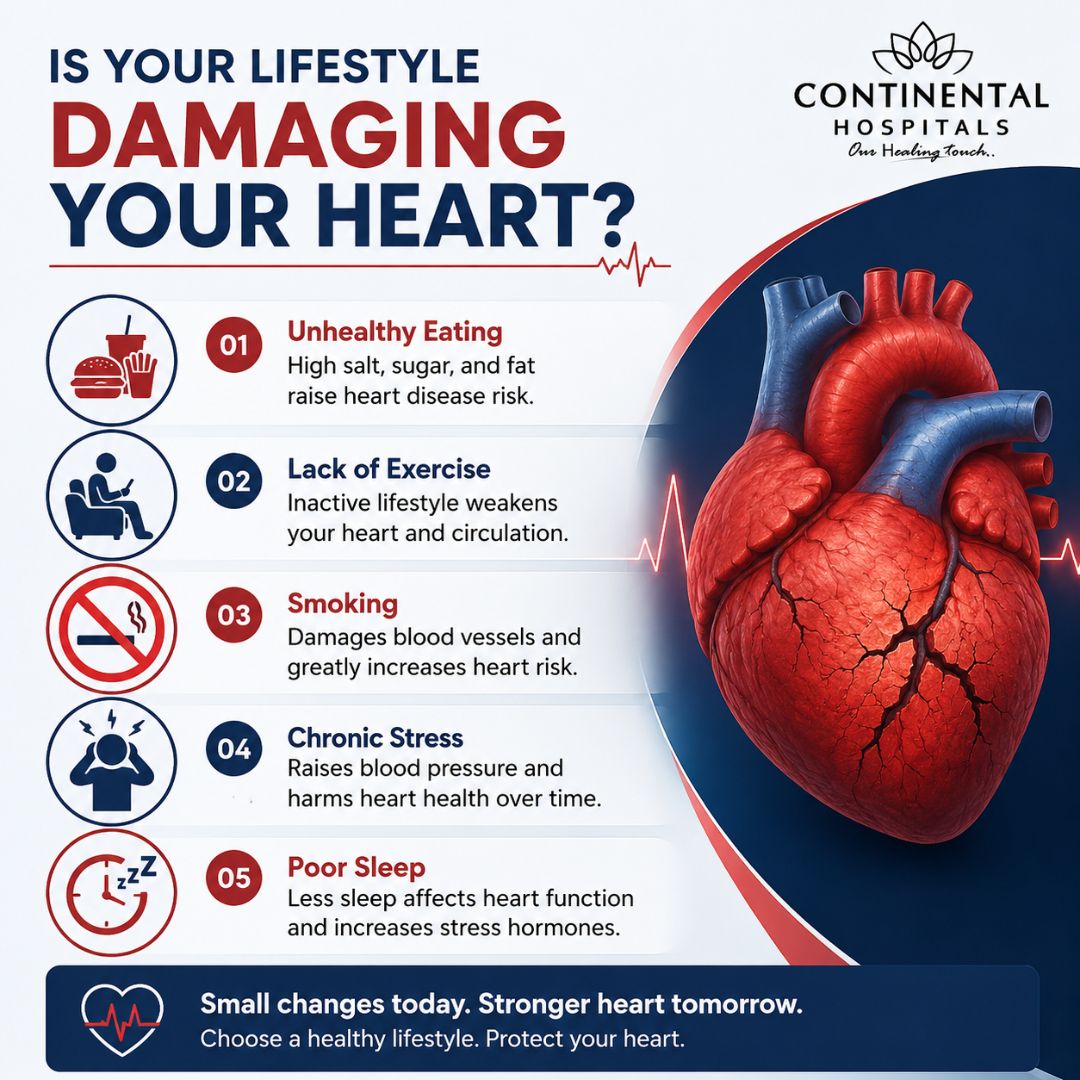
An unhealthy lifestyle not only causes damage to blood vessels and increases cholesterol levels but also puts a severe strain on the cardiovascular system. In the long term, these habits increase the risk of heart disease and can eventually cause a heart attack.
Which Lifestyle Habits Increase the Risk of Heart Disease?

Several behaviors that affect your heart health include:

Second Opinion

  • Tobacco smoking and use
  • Abundant drinking
  • Physical inactivity
  • Diet poor in fat or high in sugar
  • Chronic stress
  • Poor sleep
  • Being overweight or gaining too much weight

These habits can result in hypertension, diabetes, and hypercholesterolemia, the main cardiovascular risks.

Which Factors Raise the Risk of Developing Heart Disease?

Leading causes of heart disease include:

  • Hypertension
  • Diabetes
  • Hypercholesterolemia
  • Obesity
  • History of heart disease within your family

  • Tobacco use
  • Trouble and stress
  • Increasing age

People who have several of these cardiovascular risk factors are more likely to develop serious health complications if they neglect preventive care.

How Is Heart Disease Diagnosed?

Early detection is essential for better treatment and prevention of heart disease.

Which Tests Can Assess Your Heart Health?

Your doctor may suggest one or more of the following:

  • blood pressure test
  • blood sugar and cholesterol test
  • electrocardiogram (ECG)
  • echocardiogram
  • stress test
  • CT coronary angiography
  • cardiac MRI

These tests are used to determine the state of your heart, its blood flow, and overall cardiovascular health.

Which Heart Conditions Are Treated?

The type and severity of your cardiovascular condition will determine your form of treatment.

Need an Appointment?

How Heart Disease is Treated

Your doctor may suggest one or more of the following:

  • changes in lifestyle
  • blood pressure and cholesterol management medication
  • blood thinners
  • angioplasty and stenting
  • coronary artery bypass grafting
  • cardiac rehabilitation program

Timely treatment should aim to improve your quality of life and reduce your risk of getting further heart issues.

How Can You Protect Your Heart Naturally?

Healthy lifestyle practices are among the best ways to prevent heart disease.

What Are the Lifestyle Habits that Boost Heart Health?

Adopt these heart-healthy practices:

  • Healthy diet that is abundant with fruits and vegetables
  • Exercise for at least 30 minutes a day
  • Avoid smoking and tobacco products
  • Reduce processed and sugary foods
  • Keep an optimal body weight
  • Practice yoga or meditation
  • Sleep well
  • Check blood pressure and cholesterol levels regularly

Life changes are, without doubt, the easiest way to preserve your heart health and reduce your cardiovascular disease risk.

When Should You Consult a Doctor for Heart Problems?

If persistent chest pain, shortness of breath, sudden fatigue, a rapid heartbeat, leg swelling, or recurrent dizziness occurs, you should seek medical attention.

Seek immediate emergency medical help if you experience chest pain that could indicate a heart attack.

Why Choose Continental Hospitals for Heart Disease Treatment?

At Continental Hospitals, we provide complete cardiac care with a patient-focused approach. Our leading cardiology doctors and cardiac surgeons offer excellent cardiac diagnosis and treatment for various heart disease conditions.

  • A specialist doctor having a wealth of experience
  • Detection and imaging systems with a leading cardiac technology
  • Multidisciplinary approach
  • Individualized treatment strategy
  • JCI Accredited for International Healthcare
  • NABH Accredited for quality and safety
  • Robust infrastructure
  • 24/7 Critical Care and Emergency Care Services
  • Excellent level of patient care and safety

Our team takes a special interest in early diagnosis, preventive care, and treatment options that can improve your cardiovascular health.

Conclusion

Daily habits and practices have an impact on heart health. Unhealthy diet, lack of exercise, ineffectiveness, and smoking can damage the heart slowly over the years and lead to heart disease and heart attack. However, timely treatment, health check-ups, and a healthy approach can prevent and manage the majority of heart disease.

Adopting good habits today can keep your heart healthy for years.

For any questions regarding heart disease, please consult our best cardiologist in Hyderabad at Continental Hospitals. Visit Continental Hospitals for better diagnosis and advanced and complete treatment.

Related Blog Topics:

  1. Can Heart Disease Be Reversed Naturally?
  2. Irregular Heartbeat? Early Signs You Should Notice

Frequently Asked Questions

An unhealthy lifestyle can significantly increase the risk of heart disease and related complications. Poor eating habits, lack of exercise, smoking, excessive alcohol consumption, chronic stress, and inadequate sleep all place extra strain on the heart. Over time, these factors can lead to high blood pressure, obesity, high cholesterol, and diabetes, which are major contributors to heart disease. Processed foods rich in salt, sugar, and unhealthy fats may damage blood vessels and reduce proper blood circulation. A sedentary lifestyle weakens the heart muscles and reduces cardiovascular fitness. Smoking damages arteries and increases the risk of heart attacks and strokes. Chronic stress may also raise stress hormones that negatively affect heart function. Making healthier lifestyle choices can greatly improve heart health and reduce long-term risks. Early prevention and regular health checkups are essential for maintaining a healthy heart.
Several warning signs may indicate that your lifestyle is negatively affecting your heart health. Common symptoms include frequent fatigue, shortness of breath, chest discomfort, irregular heartbeat, dizziness, and poor exercise tolerance. Some individuals may notice weight gain, especially around the abdomen, due to unhealthy eating habits and inactivity. High blood pressure and elevated cholesterol levels often develop silently without noticeable symptoms. Persistent stress and poor sleep may also contribute to headaches, anxiety, and heart palpitations. In some cases, swelling in the legs or feet can indicate poor circulation and heart strain. Ignoring these early symptoms may increase the risk of serious heart conditions, including heart attacks. Regular health screenings and adopting healthier habits can help identify problems early. Paying attention to these signs is important for protecting long-term heart health.
Yes, chronic stress and poor sleep can significantly increase the risk of heart disease. Stress triggers the release of hormones such as cortisol and adrenaline, which may raise blood pressure and heart rate over time. Constant stress can also lead to unhealthy coping habits such as overeating, smoking, or alcohol consumption. Lack of sleep affects the body’s ability to regulate blood pressure, blood sugar, and inflammation levels. Sleeping less than the recommended seven to eight hours regularly may increase the risk of obesity, hypertension, and diabetes. Poor sleep quality can also contribute to irregular heartbeat and reduced heart recovery. Mental health and emotional well-being are closely connected to cardiovascular health. Managing stress through relaxation techniques, exercise, and proper sleep hygiene can improve overall heart health. Consistent healthy sleep patterns play an important role in heart disease prevention.
Physical inactivity is one of the leading lifestyle factors linked to heart disease. A sedentary lifestyle weakens the heart muscles and reduces blood circulation efficiency. Lack of regular exercise can contribute to obesity, high blood pressure, high cholesterol, and insulin resistance. These conditions increase the workload on the heart and raise the risk of heart attacks and strokes. Inactive individuals may also experience reduced stamina, poor metabolism, and increased body fat accumulation. Exercise helps improve oxygen supply to the body and strengthens cardiovascular function. Even moderate physical activity such as walking, cycling, or swimming can support better heart health. Regular movement also helps manage stress and improves sleep quality. Health experts recommend at least 150 minutes of moderate exercise per week for maintaining a healthy heart. Staying physically active is one of the most effective ways to prevent heart disease.
Certain foods can negatively affect heart health when consumed regularly in large amounts. Processed foods high in trans fats, saturated fats, sugar, and sodium are major contributors to heart disease. Fried foods, sugary beverages, packaged snacks, processed meats, and fast foods can increase cholesterol levels and blood pressure. Excess salt intake may cause water retention and strain the heart. High sugar consumption is linked to obesity, diabetes, and inflammation, all of which affect cardiovascular health. Refined carbohydrates and unhealthy oils may also damage blood vessels over time. Eating too many calorie-dense foods can lead to weight gain and reduced heart function. A heart-healthy diet should include fruits, vegetables, whole grains, lean proteins, nuts, and healthy fats. Choosing balanced meals and limiting processed foods can significantly improve heart health. Proper nutrition is essential for long-term heart disease prevention.
Yes, smoking and excessive alcohol consumption can seriously damage the heart and blood vessels. Smoking reduces oxygen supply in the blood and damages artery walls, increasing the risk of blockages. It also raises blood pressure and heart rate, placing extra strain on the cardiovascular system. Smokers are at a much higher risk of heart attacks, strokes, and peripheral artery disease. Excessive alcohol intake may weaken the heart muscles and contribute to irregular heartbeat and high blood pressure. Alcohol can also increase triglyceride levels and lead to weight gain. Long-term use of tobacco and alcohol may worsen existing heart conditions and reduce overall heart function. Quitting smoking and limiting alcohol intake can greatly improve cardiovascular health. Healthy lifestyle modifications often reduce the risk of serious heart complications. Seeking professional support can help individuals successfully overcome these harmful habits.
Several healthy lifestyle changes can help improve heart health and reduce the risk of heart disease. Eating a balanced diet rich in fruits, vegetables, whole grains, and lean proteins supports healthy blood circulation and cholesterol levels. Regular exercise strengthens the heart and improves cardiovascular endurance. Maintaining a healthy body weight reduces strain on the heart and lowers the risk of diabetes and hypertension. Quitting smoking and limiting alcohol intake are also important for protecting blood vessels and heart function. Managing stress through meditation, yoga, or hobbies can positively affect heart health. Adequate sleep allows the heart and body to recover properly each day. Regular health checkups help detect risk factors such as high blood pressure and cholesterol early. Small but consistent lifestyle improvements can create long-term benefits for heart health. Prevention remains the key to maintaining a strong and healthy heart.
Regular health checkups play a vital role in preventing heart attacks and other cardiovascular diseases. Many heart-related conditions such as high blood pressure, high cholesterol, and diabetes often develop without noticeable symptoms. Routine screenings help identify these risk factors before they become serious complications. Doctors can evaluate heart function through blood tests, ECGs, blood pressure monitoring, and other diagnostic assessments. Early detection allows timely lifestyle modifications and medical treatment if necessary. Regular consultations also help individuals understand their personal risk factors based on age, family history, and existing health conditions. Preventive care encourages healthier habits and better disease management. Monitoring heart health regularly can reduce the chances of sudden cardiac events. Individuals with stress, obesity, smoking habits, or sedentary lifestyles especially benefit from periodic evaluations. Consistent preventive care is essential for long-term heart disease prevention and overall wellness.
Disclaimer: The information provided in this blog is intended for general knowledge and informational purposes only, and does not constitute medical advice. Always consult with a qualified healthcare professional for any medical concerns or before making any decisions about your health.

Get in Touch With Us

Whether you are from India or abroad, we are here to help you with your medical queries. Please fill out the form below and our team will connect with you shortly.

  • ✔ Quick response from our medical experts
  • ✔ Secure data handling & privacy
  • ✔ Easy upload for reports & documents
0 / 100
Checkboxes Section


Chat with our medical experts on WhatsApp for quick assistance and hassle-free appointment booking

Recent Posts
Language Based Image
0 / 100