post-title

Can IBS Cause Pelvic Pain? Understanding the Connection

Written by - Editorial Team
Medically Reviewed by - Dr Guru N Reddy

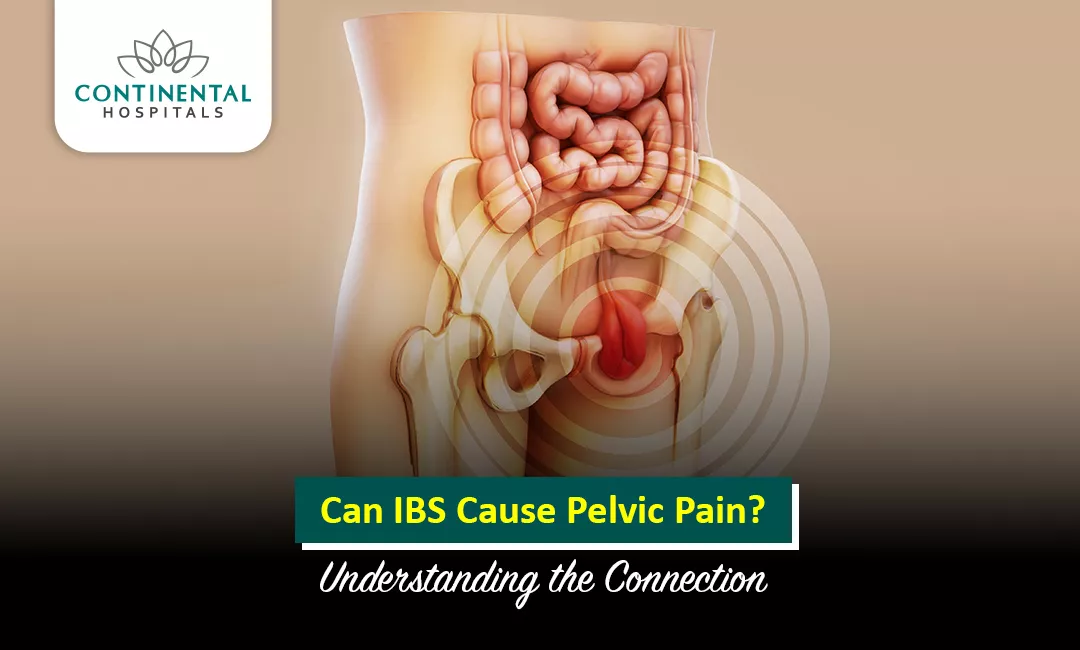
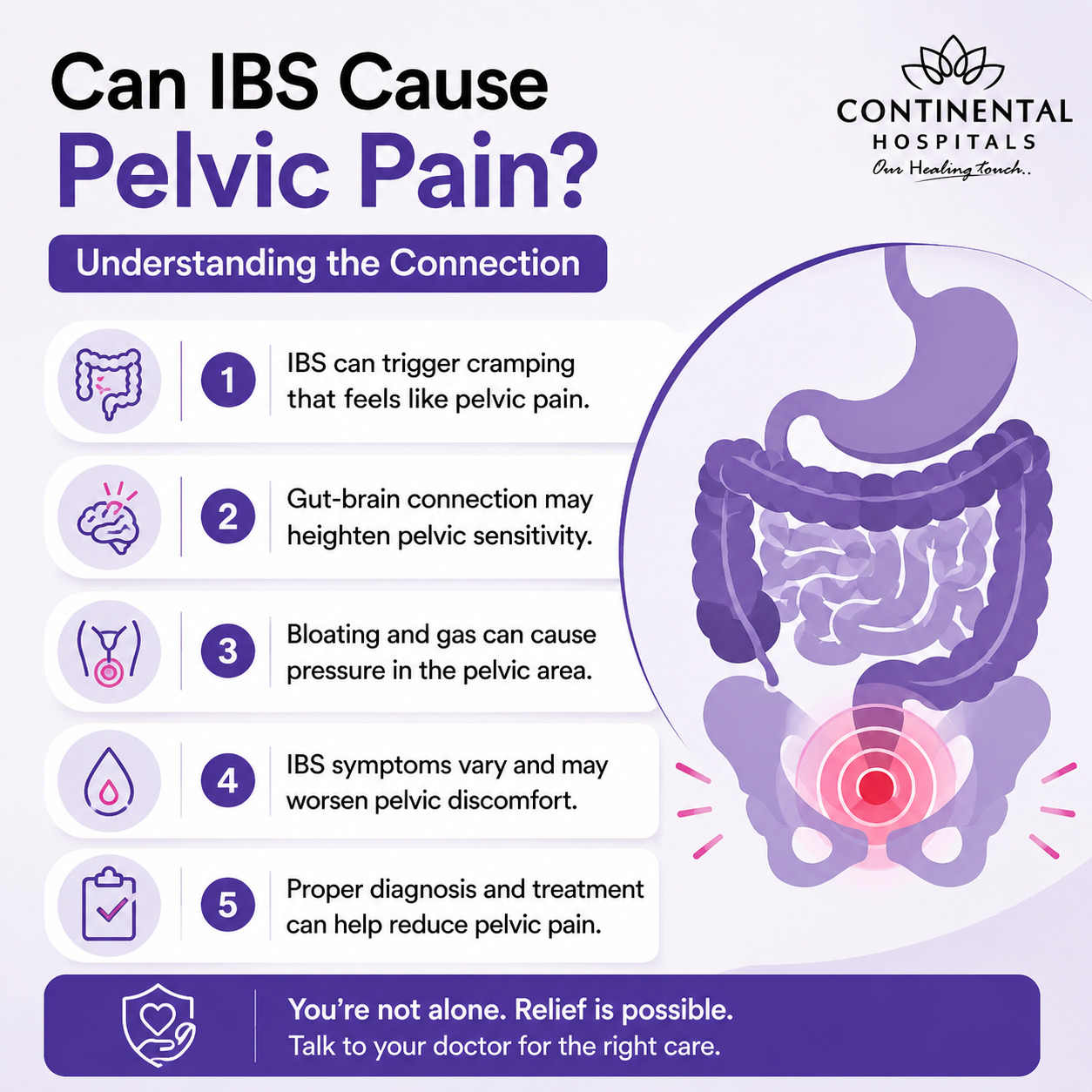
Can IBS cause pelvic pain? Yes, IBS and pelvic pain can be closely connected. Irritable bowel syndrome is a common digestive condition that can cause abdominal discomfort, changes in bowel habits, bloating, constipation, or diarrhea. For some people, the discomfort may also be felt lower in the abdomen or around the pelvic area.

Why does this happen? The digestive organs and pelvic organs are located close to each other and share nerve pathways. When the bowel becomes sensitive or irritated, the brain may interpret the discomfort as pain in the lower abdomen or pelvis. This is one reason why IBS pelvic pain can sometimes feel confusing or difficult to identify.

What Does IBS Pelvic Pain Feel Like?

What does IBS pain usually feel like? IBS pain may feel like cramping, pressure, aching, bloating, or discomfort in the lower abdomen. In some people, the pain may extend toward the pelvic region.

What can make IBS and pelvic pain worse?

  • Bloating or excess gas
  • Constipation or difficulty passing stools
  • Diarrhoea
  • Changes in bowel movements
  • Certain foods or eating patterns
  • Stress and emotional strain
  • Holding stools for a long time

Can pelvic pain and IBS occur together even when bowel symptoms are mild? Yes. Some people may experience pelvic discomfort even when their main bowel symptoms do not seem severe.

Visit our gastroenterology specialists in Hyderabad for proper evaluation and personalized treatment by experienced gastroenterology specialists.

How Can IBS Cause Pelvic Pain?

How can IBS cause pelvic pain if IBS mainly affects the bowel? The bowel has a complex network of nerves that communicate continuously with the brain. In IBS, these nerves can become more sensitive. This may cause normal bowel movements, gas, or intestinal stretching to feel painful.

Can constipation contribute to IBS pelvic pain? Yes. Constipation can increase pressure in the lower abdomen and pelvis. Straining during bowel movements may also increase discomfort.

Can diarrhea cause pelvic discomfort? It can. Frequent bowel movements and intestinal contractions may lead to cramping and discomfort around the lower abdomen and pelvic area.

Second Opinion

What Are the Common IBS Symptoms Along With Pelvic Pain?

  • Recurrent abdominal pain or discomfort
  • Bloating and a feeling of fullness
  • Constipation
  • Diarrhoea
  • Alternating constipation and diarrhoea
  • Changes in stool appearance
  • Feeling that the bowel has not completely emptied
  • Abdominal discomfort that may improve after passing stool

Is every case of pelvic pain caused by IBS? No. Pelvic pain can have several possible causes, so it should not automatically be considered an IBS symptom.

When Should You See a Doctor for Pelvic Pain?

When should IBS pelvic pain be medically evaluated? You should consider consulting a doctor when pelvic pain is persistent, recurrent, severe, or interfering with your daily activities.

Could pelvic pain indicate something other than IBS? Yes. Pelvic pain may also be associated with urinary, reproductive, gastrointestinal, muscular, or other conditions. A proper medical evaluation can help identify the underlying cause.

Are there warning signs that should not be ignored? Seek medical attention if pelvic or abdominal pain is accompanied by unexplained weight loss, blood in the stool, persistent vomiting, fever, severe pain, anemia, or significant changes in bowel habits.

How are IBS and pelvic pain diagnosed?

How does a doctor determine whether IBS is responsible for pelvic pain? The evaluation usually begins with your symptoms, medical history, bowel habits, diet, and physical examination.

Are tests always required? Not necessarily. Depending on your symptoms and medical history, your doctor may recommend blood tests, stool tests, imaging, endoscopy, colonoscopy, or other investigations to rule out conditions that can cause similar symptoms.

Need an Appointment?

Why is an accurate diagnosis important? Because treating the underlying cause can provide better and more lasting relief than simply treating pain.

How Can IBS Pelvic Pain Be Managed?

What can help reduce IBS pain? Management depends on the symptoms and individual triggers. Your doctor may recommend dietary changes, adequate hydration, regular physical activity, stress management, and medicines when appropriate.

Can identifying food triggers help? Yes. Some people notice that certain foods worsen bloating, bowel changes, or discomfort. Keeping track of symptoms and meals can help identify patterns.

Can stress affect IBS symptoms? Yes. The digestive system and brain are closely connected. Stress can influence bowel movement and pain sensitivity, which may make IBS symptoms more noticeable.

Why Choose Continental Hospitals for IBS and Pelvic Pain?

Why should you choose Continental Hospitals for persistent IBS symptoms and pelvic pain? Continental Hospitals provides multidisciplinary medical care, allowing patients to receive appropriate evaluation and treatment based on their symptoms.

Why is specialist care important? Gastroenterology specialists can assess digestive symptoms, identify possible causes, recommend appropriate investigations, and develop an individualized treatment plan.

What makes Continental Hospitals a trusted healthcare destination? Continental Hospitals is an NABH and JCI accredited hospital, with a focus on patient safety, clinical excellence, quality care, and advanced medical services. Its multidisciplinary approach supports coordinated care across different medical specialties when required.

For people searching for the best hospital in Hyderabad for digestive health concerns, Continental Hospitals offers specialist-led evaluation and comprehensive healthcare services.

Can IBS Pelvic Pain Be Managed Successfully?

Can IBS pelvic pain be managed? In many cases, symptoms can be controlled with the right diagnosis, lifestyle changes, dietary guidance, and medical treatment. Does this mean pelvic pain should always be treated as IBS? No. Persistent symptoms should be evaluated to understand their actual cause.

If you are experiencing IBS and pelvic pain, recurrent abdominal discomfort, constipation, diarrhea, or unexplained changes in bowel habits, consult our best gastroenterologist in Hyderabad for proper evaluation and personalized treatment.

Conclusion

So, can IBS cause pelvic pain? Yes, IBS can contribute to pelvic discomfort because of bowel sensitivity, intestinal contractions, constipation, bloating, and the close connection between the gut and nervous system. However, not all pelvic pain is caused by IBS.

Could getting the right diagnosis make a difference? Absolutely. Persistent or unexplained pelvic pain should be evaluated by a qualified specialist rather than being self-diagnosed as IBS. With appropriate medical guidance, IBS symptoms can often be managed effectively and quality of life can improve.

Related Blog Topics:

  1. Can a Yeast Infection Lead to Pelvic Inflammatory Disease
  2. What is IBS and How is it Treated?

Frequently Asked Questions

Yes, IBS can cause pelvic pain in some people. IBS affects how the digestive system works and can cause abdominal discomfort. The pain may sometimes be felt lower in the abdomen or around the pelvic area. It can occur along with bloating, constipation, diarrhea, or changes in bowel habits. IBS-related pain is often linked to changes in bowel movements. Some people notice that the pain improves after passing stool. Gas and bloating can also increase pressure and discomfort in the lower abdomen. The connection between the bowel and nervous system can contribute to pain sensitivity. Pelvic floor muscle tension may also occur in some people with IBS. However, pelvic pain is not always caused by IBS. Other digestive, urinary, or reproductive conditions can cause similar symptoms. Persistent or severe pelvic pain should be evaluated by a healthcare professional.
IBS-related pelvic discomfort is usually felt in the lower abdomen. Some people may describe the sensation as pressure, cramping, or aching. The discomfort can occur on one side or across the lower abdominal area. It may sometimes feel close to the pelvis because of the location of the lower bowel. Pain can vary from mild discomfort to stronger cramping. Bloating and trapped gas may make the pelvic area feel more uncomfortable. Symptoms can change depending on bowel movements and digestive activity. Constipation may cause additional pressure and discomfort in the lower abdomen. Diarrhea and repeated bowel movements can also trigger cramping. The exact location and intensity of pain can differ from person to person. Pain that is new, severe, or persistent should not automatically be attributed to IBS. A medical evaluation can help identify the underlying cause.
IBS can cause pelvic pain because the lower bowel is located close to the pelvic region. Changes in bowel movement and intestinal contractions can trigger abdominal cramping. People with IBS may also have increased sensitivity to normal digestive sensations. This can make gas, stool movement, or intestinal stretching feel painful. Bloating can increase pressure in the lower abdomen and contribute to discomfort. Constipation may cause stool buildup and increased abdominal pressure. Diarrhea can cause frequent intestinal contractions and cramping. The communication between the gut and brain can also influence how pain is experienced. Stress and emotional factors may worsen symptoms in some people with IBS. Pelvic floor muscle tension can sometimes contribute to discomfort as well. These factors may occur together and make symptoms feel more intense. A healthcare professional can help determine whether IBS is responsible for the pain.
Yes, some people with IBS may experience pelvic or lower abdominal pain after eating. Eating naturally stimulates movement in the digestive tract. In people with IBS, this response may trigger cramping or discomfort. Certain foods can also increase gas, bloating, constipation, or diarrhea. These digestive changes may create pressure or pain around the lower abdomen. Large meals may sometimes produce more noticeable symptoms. High-fat foods, certain carbohydrates, or other individual triggers may worsen IBS symptoms. However, food triggers vary considerably between people. Keeping a food and symptom diary can help identify patterns. Eating smaller meals and maintaining regular meal times may help some individuals. Persistent pain after meals should not always be assumed to be IBS. A doctor can assess recurring symptoms and recommend appropriate dietary or medical management.
Yes, constipation associated with IBS can contribute to pelvic discomfort. When stool moves slowly through the bowel, it can cause pressure and bloating. This pressure may be felt in the lower abdomen or pelvic region. Straining during bowel movements can also increase discomfort. Constipation may be associated with hard or difficult-to-pass stools. Some people may feel that they have not completely emptied their bowel. Gas trapped behind stool can further increase abdominal pressure. IBS with constipation can also cause episodes of cramping. Adequate fluid intake, dietary adjustments, and regular physical activity may help some people. However, dietary changes should be individualized because some high-fiber foods may worsen symptoms. Ongoing constipation or significant pelvic pain should be discussed with a healthcare professional. Treatment can be tailored according to the person's symptoms and bowel pattern.
IBS symptoms can be associated with pelvic floor muscle problems in some people. The pelvic floor muscles help control bowel movements and support pelvic organs. Some individuals with chronic constipation may repeatedly strain during bowel movements. This can affect how the pelvic floor muscles coordinate during defecation. Pelvic floor tension may contribute to discomfort or difficulty passing stool. People with IBS may also have increased sensitivity to sensations in the gut and pelvic area. Stress and anxiety can sometimes increase muscle tension and symptom awareness. Not everyone with IBS develops pelvic floor dysfunction. Symptoms such as difficulty emptying the bowel may warrant further assessment. A healthcare professional may evaluate bowel habits and pelvic floor function when appropriate. Pelvic floor physical therapy can be considered for selected patients. The right treatment depends on the underlying cause of the symptoms.
Managing the underlying IBS symptoms can help reduce related pelvic discomfort. Identifying individual food triggers may help prevent symptom flare-ups. Regular meals and appropriate hydration can support healthy bowel habits. Some people benefit from gradually adjusting their dietary fiber intake. A low-FODMAP diet may help selected people when used with professional guidance. Regular physical activity can support bowel function and overall digestive health. Stress management may also be useful because stress can worsen IBS symptoms. Adequate sleep and consistent daily routines may support symptom management. Medicines may be recommended depending on whether constipation or diarrhea is predominant. Pelvic floor therapy may be considered when muscle dysfunction contributes to symptoms. Treatment should be individualized rather than relying on a single approach. A gastroenterologist can help develop an appropriate plan based on the person's symptoms.
Pelvic pain should be medically evaluated if it is persistent, severe, or unexplained. Not every episode of pelvic pain is caused by IBS. Symptoms that suddenly become much worse should receive prompt medical attention. Blood in the stool is an important symptom that should be assessed by a doctor. Unexplained weight loss can also require further evaluation. Persistent vomiting, fever, or significant abdominal swelling should not be ignored. Changes in bowel habits that are new or persistent may need investigation. Pain that repeatedly wakes you from sleep should also be discussed with a healthcare professional. Urinary or reproductive symptoms may point to causes outside the digestive system. People with a family history of certain digestive diseases may need individualized assessment. A doctor can review symptoms and decide whether further tests are necessary. Early evaluation can help identify the cause and guide appropriate treatment.
Disclaimer: The information provided in this blog is intended for general knowledge and informational purposes only, and does not constitute medical advice. Always consult with a qualified healthcare professional for any medical concerns or before making any decisions about your health.

Get in Touch With Us

Whether you are from India or abroad, we are here to help you with your medical queries. Please fill out the form below and our team will connect with you shortly.

  • ✔ Quick response from our medical experts
  • ✔ Secure data handling & privacy
  • ✔ Easy upload for reports & documents
banner_image

Chat with our medical experts on WhatsApp for quick assistance and hassle-free appointment booking

Recent Posts