.webp)

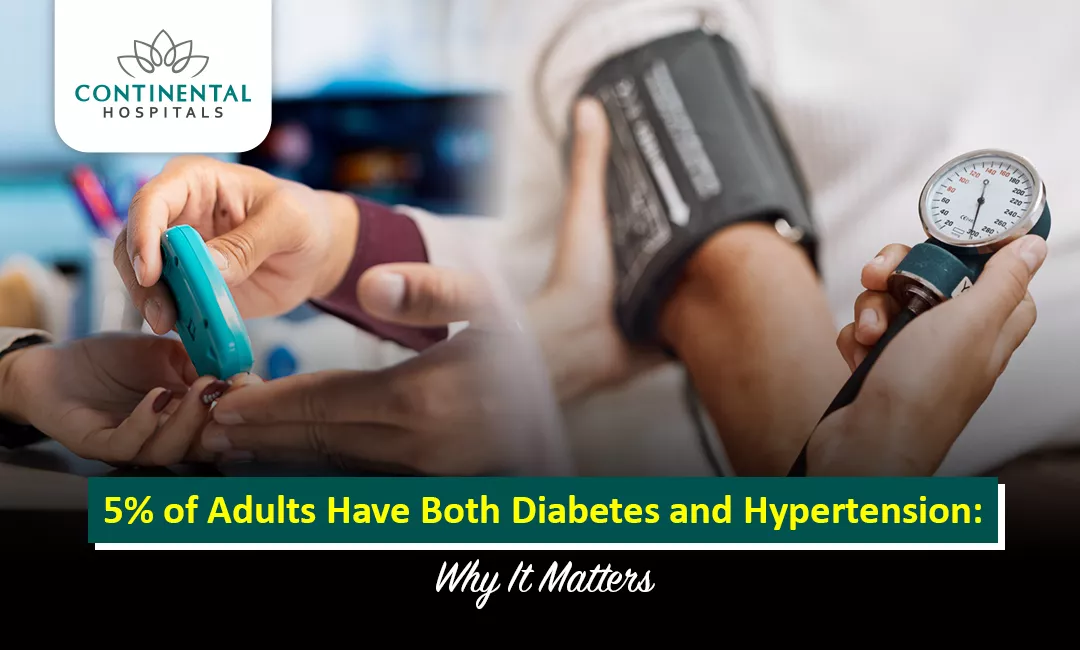
Diabetes and hypertension are two common health conditions that can affect the body for many years without causing clear symptoms. When a person has both conditions, the risk of problems affecting the heart, kidneys, eyes, brain, and blood vessels can increase. Understanding the connection between diabetes and hypertension can help people take timely steps to protect their long-term health.
Why does this combination matter? Diabetes can affect blood vessels and change how the body manages fluids and blood pressure. High blood pressure can also place extra stress on blood vessels and organs. When diabetes and high blood pressure occur together, their effects can add to each other and increase the diabetes-hypertension risk.
What is the link between diabetes and hypertension?
The link between diabetes and hypertension is closely connected to changes in blood vessels, kidney function, body weight, and metabolism. High blood sugar over time can damage blood vessels and affect their ability to function normally. This may contribute to higher blood pressure.
At the same time, hypertension can damage blood vessels and make it harder for organs to receive healthy blood flow. This explains why diabetes and hypertension coexistence is an important health concern.
Visit our diabetologist department in Hyderabad for expert diabetes care, regular monitoring, and long-term management.
Why is diabetes with hypertension more concerning?
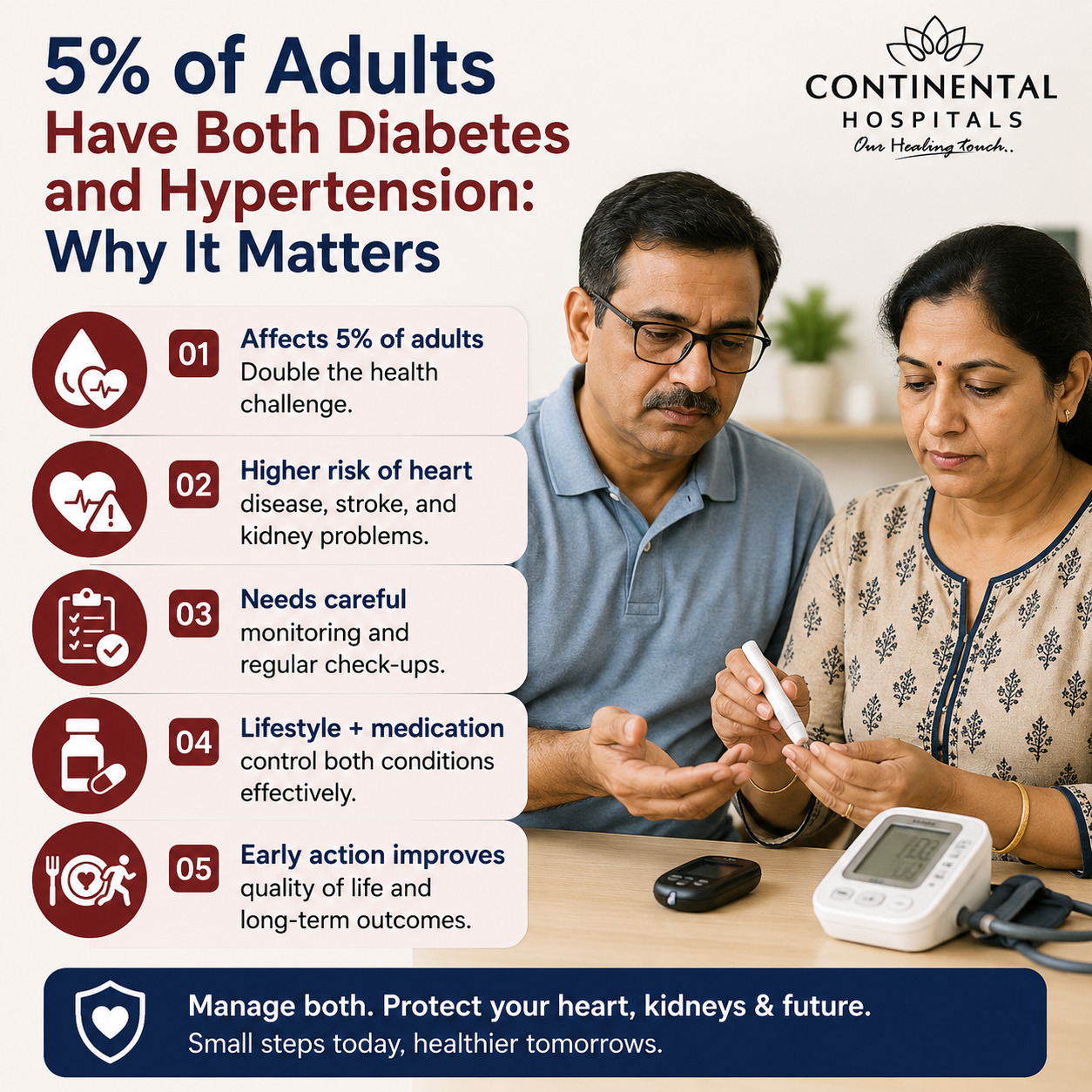
Why should people take diabetes with hypertension seriously? Having both conditions may increase the risk of cardiovascular and kidney complications compared with having either condition alone.
Important health concerns can include:
- Heart disease and heart attacks
- Stroke and other blood vessel problems
- Kidney disease
- Eye complications
- Nerve damage
- Poor circulation
- Increased risk of cardiovascular complications
Does having diabetes and high BP mean complications are certain? No. Good medical care, regular monitoring, healthy lifestyle habits, and appropriate treatment can help reduce these risks.

What symptoms should you watch for?
Can diabetes and hypertension cause symptoms? Diabetes may cause increased thirst, frequent urination, tiredness, blurred vision, or unexplained weight changes. However, some people may have diabetes without obvious symptoms.
Hypertension is often called a silent condition because many people do not notice any symptoms even when their blood pressure is elevated.
That is why regular health checks are important, especially for adults who have diabetes, excess weight, a family history of these conditions, kidney problems, or other cardiovascular risk factors.
How can diabetes and high blood pressure be managed?
Can lifestyle changes help when a person has diabetes and hypertension? Yes. Healthy daily habits can support blood sugar and blood pressure management.
Important steps include:
- Check blood sugar and blood pressure as advised by your doctor.
- Take prescribed medicines regularly and do not stop them without medical advice.
- Choose more vegetables, whole grains, pulses, fruits, and other nutrient-rich foods.
- Reduce excess salt and highly processed foods.
- Stay physically active according to your health condition.
- Maintain a healthy weight.
- Avoid smoking and limit alcohol.
- Attend regular medical follow-ups.
- Get recommended kidney, eye, heart, and foot evaluations.
When should you consult a doctor?
When should someone with diabetes and high BP seek medical advice? Regular consultation is important even when you feel well. Your doctor can assess your blood sugar, blood pressure, cholesterol, kidney health, medications, and overall cardiovascular risk.
If blood pressure or blood sugar levels are repeatedly outside the recommended range, medical review can help identify whether treatment or lifestyle changes need adjustment.
Seek urgent medical attention for symptoms such as severe chest pain, sudden weakness, difficulty speaking, severe breathlessness, sudden vision changes, or other signs of a possible medical emergency.
Why choose Continental Hospitals for diabetes and hypertension care?
Why can a specialized hospital be helpful for people managing diabetes and hypertension? These conditions can affect multiple organs, so coordinated care can be valuable.
Continental Hospitals provides multidisciplinary medical care with specialists who can evaluate related cardiovascular, kidney, metabolic, and other health concerns.
Continental Hospitals is known for its accredited healthcare environment, including JCI, NABH, and QAI accreditations, supporting a strong focus on quality, patient safety, and clinical standards. The hospital brings together experienced specialists, diagnostic services, advanced facilities, and coordinated care to support patients with complex health needs.
What is the key takeaway about diabetes and hypertension?
Diabetes and hypertension can occur together, and this combination deserves careful attention. The presence of both conditions may increase the risk of heart, kidney, eye, nerve, and blood vessel complications.
The good news is that diabetes and hypertension risks can often be managed through regular monitoring, appropriate treatment, healthy lifestyle choices, and consistent medical follow-up. Do not wait for symptoms before checking your health. Early detection and proper management can make an important difference.
Need medical guidance for diabetes and hypertension?
If you suffer from diabetes, hypertension, or diabetes with hypertension, consult our best diabetologist in Hyderabad for personalized evaluation and ongoing management. For associated heart, kidney, or other complications, your doctor may recommend consultation with the appropriate specialist.
Conclusion
Diabetes and hypertension are manageable conditions when identified early and monitored consistently. Regular check-ups, healthy habits, and timely medical care can help protect your health and reduce the risk of serious complications.
Related Blogs: