post-title

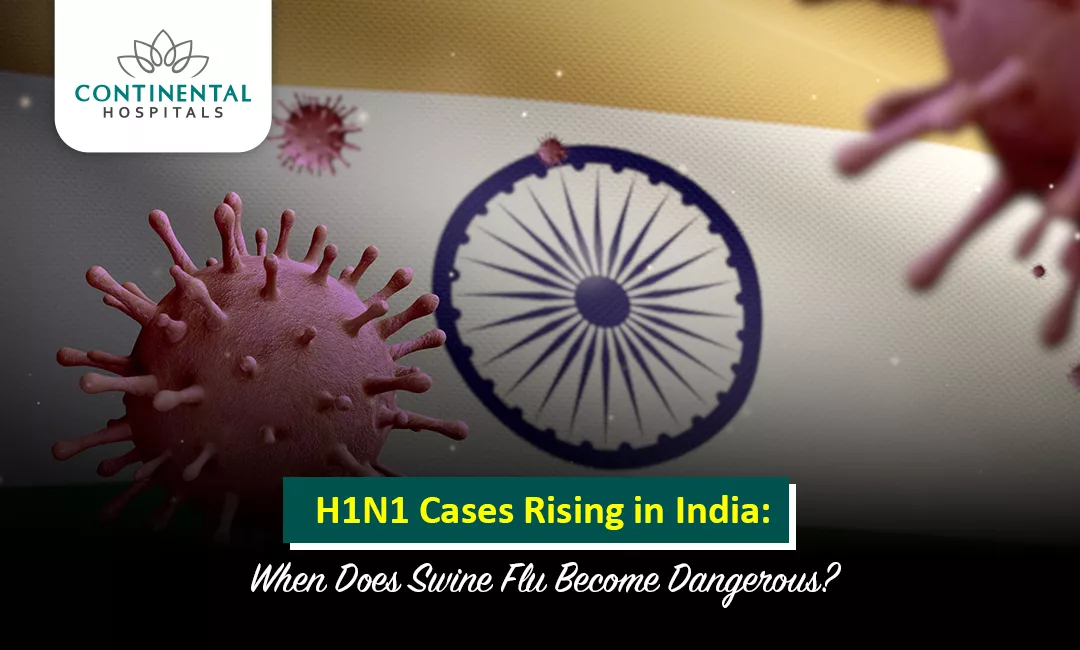
H1N1 Cases Rising in India: When Does Swine Flu Become Dangerous?

Written by - Editorial Team
Medically Reviewed by - Dr Jagadeesh Kanukuntla

Is H1N1 an emerging concern amid the rise in flu cases in India? Swine flu, or H1N1, is a respiratory infection caused by a strain of influenza virus. Most people recover with rest, fluids, and suitable medical treatment, but H1N1 can lead to severe illness and complications, such as pneumonia, breathing problems, and other serious conditions.

Can anyone get H1N1? Anybody can catch the flu, but some individuals are at increased risk of developing serious illness. Young children, the elderly, pregnant women, and those with chronic conditions involving the lungs, heart, kidneys, liver, or immune system should be seen more closely by a healthcare professional. When patients understand the signs of H1N1, they can seek appropriate medical care when needed.

What is H1N1 and how does it spread?

H1N1 is an influenza A virus that can spread among people via respiratory droplets and close contact. It may spread more easily in crowded or poorly ventilated situations.

Does H1N1 cause symptoms similar to regular flu? Yes. A list of common symptoms of H1N1 may include the following:

  • Fever or chills
  • Dry cough
  • Sore throat
  • Runny or blocked nose
  • Headache
  • Muscle and joint aches
  • Tiredness and weakness
  • In some cases, vomiting or diarrhoea (especially in children)

In people with uncomplicated influenza, most will recover in around a week, although cough and tiredness may linger for longer.

Visit our Department of Internal Medicine at Continental Hospitals for expert, comprehensive care.

When is H1N1 dangerous?

Can H1N1 become serious?
Yes. Only a few infections have been reported to progress to severe pneumonia, respiratory distress, sepsis, or exacerbation of preexisting medical condition, however.

When should you call an ambulance?
Be alert for warning signs such as:

  • Difficulty breathing, or shortness of breath
  • Persistent or worsening chest pain or pressure
  • Rapid, severe, unrelieved weakness or confusion, or feeling unusually drowsy
  • Lips or face that turn blue-grey
  • Fever that is persistent or worsening
  • Not able to drink enough fluids or signs of dehydration
  • Symptoms that go away or improve, and then suddenly become worse
  • Worsening of an existing heart, lung or other chronic condition

Can you just ignore these symptoms?
No. Severe symptoms of influenza require immediate medical assessment. Early evaluation may detect complications and help determine whether hospital care or additional treatment is needed.

Second Opinion

Who is more at risk of developing severe H1N1 infection?

People at higher risk include:

  • Children under 5
  • Adults who are 65 years and over
  • Pregnant women
  • People with asthma or other chronic lung disease
  • People with heart disease or diabetes
  • People with chronic kidney, liver or metabolic disease
  • People with weakened immune systems

Does having a risk factor guarantee you will develop severe H1N1 disease? No. But people in these groups should seek medical advice sooner if they develop notable H1N1 symptoms, as they are at greater risk of complications.
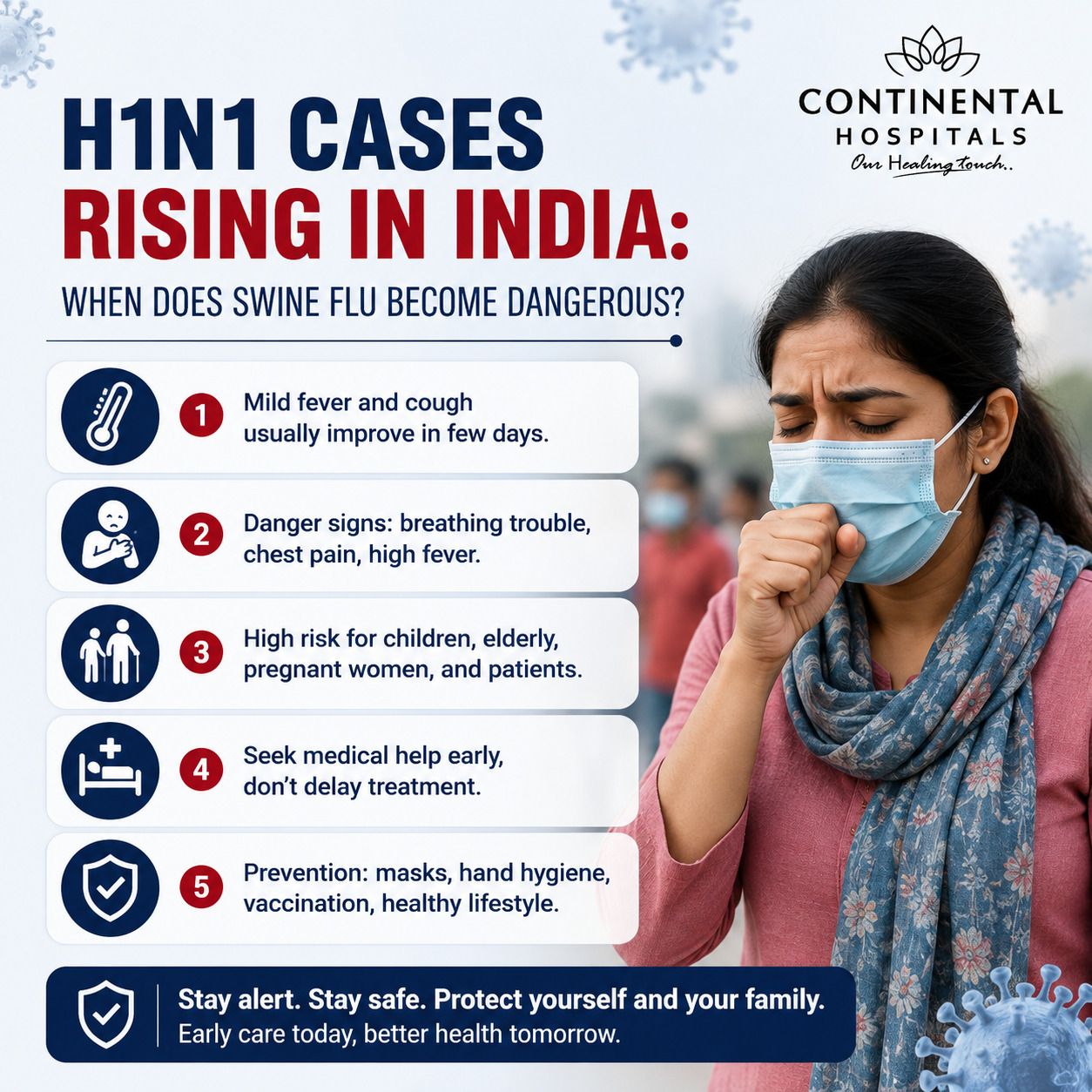
How is H1N1 acquired and treated?

Can H1N1 be diagnosed based on symptoms? H1N1 infection can sometimes be suspected based on signs and symptoms, but a laboratory test may be recommended for selected patients where the results inform treatment or confirm severe illness.

How is H1N1 treated? Treatment depends on the patient’s age, symptoms, medical history, and how severe the infection is. Mild cases may only require rest, fluids, and relief for symptoms. People at greater risk or those who are severely ill may need an antiviral drug, usually under medical supervision. Antiviral medicines are most effective if started early in selected patients.

Can antibiotics be used to treat H1N1? No. Antibiotics are not effective against the influenza virus that causes H1N1. A doctor may only consider prescribing them if they suspect a bacterial complication.

Prevention against H1N1: What could be done?

Can simple measures help prevent H1N1? Certainly! Key preventive measures include the following:

Need an Appointment?

  • Taking the seasonal influenza vaccine as recommended by your healthcare professional
  • Cleaning or washing hands frequently
  • Covering mouth and nose while coughing or sneezing
  • Keeping away from people who are sick
  • Increasing ventilation in indoor spaces
  • Not going to work or school when sick
  • Wearing a mask in crowds when appropriate

The best method to lower the risk of influenza, including severe disease, is vaccination.

Why choose Continental Hospitals for H1N1 care?

Why should you trust Continental Hospitals for your respiratory infections? Continental Hospitals, Hyderabad, is a multispecialty tertiary and quaternary care hospital with JCI and NABH accreditation, offering advanced diagnostic facilities, specialist doctors, and critical care if required.

What does accreditation hold weight for during serious illness? JCI and NABH accreditation provide a structured system for quality and patient safety. The hospital also offers dedicated critical care to cater to patients developing serious complications other than Covid-19 requiring hospital care.

When should you seek a doctor for H1N1?

Should you wait till you experience severe symptoms before seeking a doctor? No, if you develop symptoms such as fever, cough, breathing difficulty, or other symptoms of H1N1 that persist or worsen and you are a high-risk individual, seek medical advice.

If you are experiencing persistent flu-like symptoms, breathing difficulty, a worsening cough, or any other signs of serious illness, consult our best internal medicine specialist in Hyderabad for timely treatment.

Conclusion

Can H1N1 be controlled well when detected early? In many situations, yes. Although most people recover from the flu, be aware not to underestimate H1N1 in cases of worsening symptoms or among high-risk patients. Recognizing warning signs, hesitating before self-medicating, heeding medical advice, and taking preventive precautions may help avert complications. If you or a family member displays worrisome H1N1 symptoms, timely medical assessment can be valuable.

Related Blogs:

  1. H1N1 Virus in India: Symptoms, Warning Signs, Treatment and Prevention
  2. Understanding H1N1 Flu (Swine Flu) – Symptoms, Risks, and How to Stay Safe

Frequently Asked Questions

H1N1 is a type of influenza A virus. It is commonly known as swine flu. The H1N1 strain can cause seasonal influenza infections. It spreads mainly through respiratory droplets and particles. Common symptoms include fever, cough and sore throat. Body aches, headache and tiredness may also occur. Some people may develop a runny or blocked nose. Children can sometimes experience vomiting or diarrhoea. Most healthy people recover within about a week. However, some infections can become severe. Pneumonia and other complications can occur in serious cases. Early medical attention is important when warning signs appear.
H1N1 symptoms can appear suddenly after infection. Fever or chills are common symptoms. A dry or persistent cough may develop. Sore throat can occur along with respiratory symptoms. Headache and body aches are also common. Many people experience unusual tiredness or weakness. Some people may have a runny or blocked nose. Children may develop vomiting or diarrhoea. Symptoms can vary from person to person. Cough and fatigue may continue after other symptoms improve. Most uncomplicated cases improve within several days. Worsening symptoms should be assessed by a doctor promptly.
H1N1 can become dangerous when symptoms become severe or rapidly worsen. Difficulty breathing or shortness of breath is an important warning sign. Chest pain or persistent pressure needs urgent medical attention. Confusion or unusual difficulty staying awake can be concerning. Severe weakness or unsteadiness may indicate serious illness. Dehydration and very low urine output are also warning signs. A fever or cough that improves and then returns can signal complications. Pneumonia is one possible serious complication of influenza. People with chronic diseases may experience worsening of their condition. Pregnant women and older adults have a higher risk of complications. Young children are also more vulnerable to severe influenza. Seek urgent medical care when serious warning signs appear.
Influenza can affect people of all ages. However, certain groups have a higher risk of complications. Children younger than five years are more vulnerable. Adults aged 65 years and older also have increased risk. Pregnant women can develop more serious influenza illness. People with asthma or other lung diseases may be at higher risk. Heart disease and diabetes can increase the risk of complications. Chronic kidney, liver or metabolic conditions may also increase risk. People with weakened immune systems need extra caution. Cancer treatment and some medicines can suppress immunity. High-risk people should contact a doctor early after symptoms begin. Early treatment may help reduce the risk of serious complications.
Yes, H1N1 influenza can sometimes lead to pneumonia. Pneumonia can develop from the influenza infection itself. A secondary bacterial infection can also cause pneumonia. Breathing difficulty can be an important warning sign. Chest pain or persistent pressure should not be ignored. Rapid breathing may indicate worsening respiratory illness. Low oxygen levels can occur in severe respiratory infections. People with existing lung conditions may face greater risk. Older adults and young children can also become seriously ill. Persistent or worsening cough may require medical assessment. Doctors may recommend tests to assess the cause and severity. Urgent care is important when breathing problems become severe.
You should contact a doctor if flu symptoms are severe or worsening. People in high-risk groups should seek medical advice early. Difficulty breathing requires prompt medical attention. Chest pain or persistent chest pressure should not be ignored. Severe dizziness or confusion can indicate a serious complication. Severe weakness or difficulty walking may also require urgent care. Persistent vomiting can lead to significant dehydration. Very little or no urine can be a warning sign of dehydration. A fever or cough that returns after improving needs evaluation. Children with fast or difficult breathing need prompt medical care. Doctors can decide whether testing or antiviral treatment is needed. Do not delay care when symptoms appear to be rapidly worsening.
Yes, H1N1 influenza can be treated with supportive care and antivirals when indicated. Most people with mild illness recover with rest and adequate fluids. Fever and body aches may be managed with appropriate medicines. Antiviral medicines may be recommended for high-risk or seriously ill patients. They work best when started early after symptoms begin. Doctors may recommend antiviral treatment even in some severe cases later in illness. Antibiotics do not treat influenza because H1N1 is caused by a virus. Antibiotics may only be used when a bacterial complication is diagnosed. People with severe symptoms should seek medical evaluation. High-risk patients should contact their doctor early after symptoms appear. Treatment decisions should be based on symptoms and individual risk factors. Do not start prescription antiviral medicines without medical guidance.
Annual influenza vaccination is an important way to reduce flu risk. Vaccination can also reduce the likelihood of severe influenza complications. Wash your hands regularly with soap and water. Avoid touching your eyes, nose and mouth with unclean hands. Cover your mouth and nose when coughing or sneezing. Stay home when you are sick whenever possible. Avoid close contact with people who are unwell. Improve ventilation in indoor spaces by opening windows when appropriate. Avoid crowded and poorly ventilated spaces during periods of high transmission. Wear a mask in crowded settings when appropriate. People at higher risk should discuss flu vaccination with their doctor. Early attention to symptoms can help reduce the risk of complications.
Disclaimer: The information provided in this blog is intended for general knowledge and informational purposes only, and does not constitute medical advice. Always consult with a qualified healthcare professional for any medical concerns or before making any decisions about your health.

Get in Touch With Us

Whether you are from India or abroad, we are here to help you with your medical queries. Please fill out the form below and our team will connect with you shortly.

  • ✔ Quick response from our medical experts
  • ✔ Secure data handling & privacy
  • ✔ Easy upload for reports & documents
banner_image

Chat with our medical experts on WhatsApp for quick assistance and hassle-free appointment booking

Recent Posts