post-title

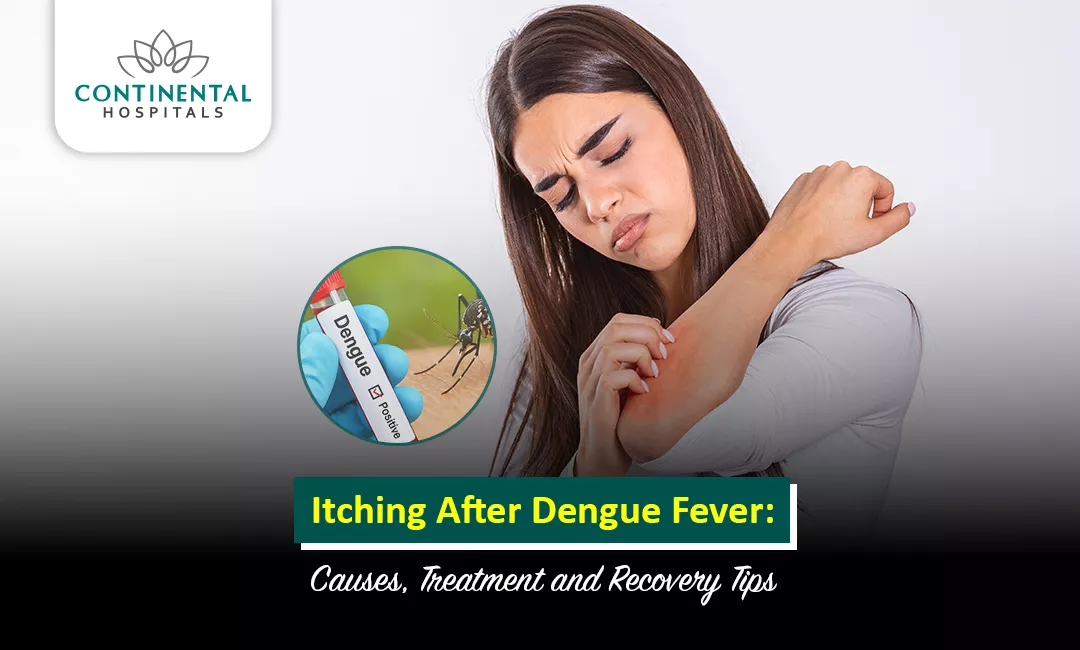
Itching After Dengue Fever: Causes, Treatment and Recovery Tips

Written by - Editorial Team
Medically Reviewed by - Dr Shilpa Aralikar

Dengue recovery can bring relief after several days of fever, body pain, and weakness. However, some people notice a new and uncomfortable problem during this period: itching after dengue fever. The skin may feel itchy, develop a mild rash, or appear red and irritated. Although this can be uncomfortable, itching can occur as part of the recovery phase of dengue.

So, is itching after dengue fever normal, and how can you manage it safely? Understanding why dengue itching occurs, what you can do at home, and when you should consult a doctor can make the recovery period more comfortable. This article explains the common causes, treatment options, and recovery tips in simple terms.

Why Does Itching After Dengue Fever Occur?

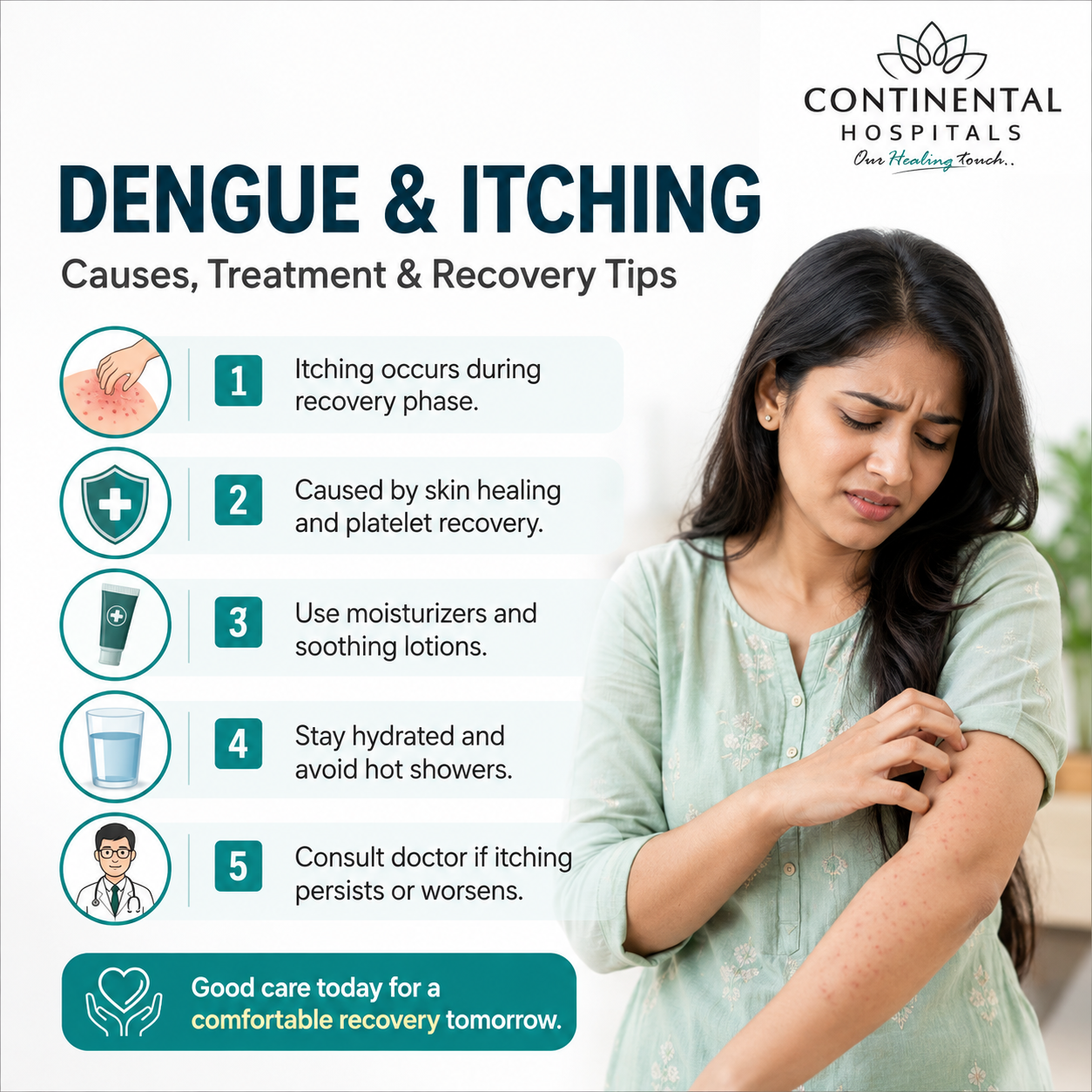
Itching after dengue fever can occur as the body moves into the recovery phase. During this stage, the dengue rash may become more noticeable, and some people can experience generalized itching. WHO dengue guidelines specifically describe generalized itching as a possible feature of the recovery phase.

Possible reasons include the following:

  • Changes in the skin during the dengue recovery phase
  • Healing of the dengue skin rash
  • Temporary skin sensitivity
  • Dry skin caused by illness or reduced fluid intake
  • The body's immune response following the infection

The exact reason can vary from person to person. Therefore, persistent or severe itching should not automatically be assumed to be caused by dengue.

Visit the Gastroenterology Department at Continental Hospitals, Hyderabad, for expert evaluation and personalized recovery guidance.

What Does Dengue Itching Usually Look Like?

Dengue itching may occur with or without a visible rash. Some people notice small red patches, while others experience widespread itching as the fever settles.

Common dengue rash and itching symptoms may include the following:

  • Mild to moderate skin itching
  • Red or pink patches
  • Increased skin sensitivity
  • Itching over the arms, legs, chest or back
  • Dry or uncomfortable skin

A rash is also a recognized symptom of dengue fever, and most people with dengue recover within one to two weeks.

Second Opinion

Is Itching During Dengue Recovery a Sign of Recovery?

Itching during dengue recovery can occur during the recovery phase and does not necessarily mean that the infection is becoming worse. In many cases, it settles as the skin returns to normal.

However, the disappearance of fever alone does not always mean dengue has completely passed. Warning signs of severe dengue can appear around the time the fever decreases.

Therefore, patients should continue following their doctor's advice and monitoring their symptoms during recovery.

How Can You Manage Itching After Dengue Fever?

If the itching is mild, simple skin-care measures may provide relief.

What can you do to reduce itching?

  • Keep the skin moisturized: Use a gentle, fragrance-free moisturizer if your skin feels dry.
  • Take a lukewarm bath: Very hot water can make itching and skin dryness worse.
  • Avoid scratching: Scratching can irritate the skin and may cause small wounds or secondary infection.
  • Wear loose clothing: Soft, breathable clothes can reduce friction and skin irritation.
  • Stay adequately hydrated: Fluids are an important part of dengue recovery, as advised by your healthcare professional.

Use medicines only on medical advice: your doctor may recommend an appropriate treatment depending on the severity and cause of the itching.

Need an Appointment?

When Should You See a Doctor for Dengue Itching?

Itching after dengue fever is often manageable, but not every skin change during recovery should be ignored. Seek medical attention if the itching is severe, persistent, rapidly worsening or associated with other concerning symptoms.

You should seek urgent medical care if you develop:

  • Severe abdominal pain
  • Persistent vomiting
  • Rapid breathing
  • Bleeding from the nose or gums
  • Blood in vomit or stool
  • Extreme weakness or restlessness
  • Pale or cold skin
  • Significant worsening of your condition

These can be warning signs of severe dengue and require prompt medical evaluation.

What Should You Avoid During Dengue Recovery?

Can certain habits make recovery more difficult?

Yes. During dengue recovery, avoid self-medicating without medical advice. In particular, aspirin and ibuprofen should generally be avoided in dengue because they can increase the risk of bleeding. Follow your doctor's recommendations for fever and pain management.

It is also better to avoid harsh soaps, strongly fragranced skincare products, and excessive scratching when the skin is sensitive.

How Long Can Itching After Dengue Fever Last?

How long itching after dengue fever continues can vary. Some people experience it for a short period during recovery, while others may have skin discomfort for longer. Dengue recovery itself can also include tiredness that continues for several weeks.

If itching does not gradually improve, keeps returning, or is accompanied by other symptoms, a doctor can assess whether another skin condition, medication reaction or health issue could be responsible.

Why Choose Continental Hospitals for Dengue Care?

Why should patients consider Continental Hospitals, Hyderabad, for evaluation and treatment?

Continental Hospitals is a multi-specialty tertiary and quaternary care hospital in Gachibowli, Hyderabad. The hospital is JCI and NABH accredited, reflecting established standards for quality and patient care. It also provides advanced diagnostic facilities and multidisciplinary medical services for patients requiring comprehensive evaluation.

For patients experiencing persistent dengue recovery symptoms, appropriate medical evaluation can help distinguish normal recovery-related symptoms from warning signs that require further care.

Can Itching After Dengue Fever Be Managed Safely?

Yes, mild itching after dengue fever can often improve with gentle skincare, adequate hydration, rest, and appropriate medical guidance. However, it is important to look at the complete picture rather than treating itching alone.

If you are experiencing persistent itching, a worsening dengue skin rash or other symptoms after dengue, consult a general physician or internal medicine specialist for proper evaluation and personalized treatment.

Conclusion

Yes. Itching after dengue fever, including dengue rash and itching, can occur during the recovery phase. While it is usually temporary, persistent or severe itching should be evaluated by a doctor. Rest, hydration, gentle skincare, and avoiding unnecessary self-medication can support a smoother recovery.

If you are concerned about itchy skin after dengue, dengue recovery symptoms, or a persistent dengue skin rash, seeking timely medical advice can help ensure that your recovery is progressing safely.

Need medical evaluation after dengue? Consult our best general physician in Hyderabad at Continental Hospitals, Hyderabad, for appropriate assessment and recovery guidance.

Related Blogs:

  1. India's First Dengue Vaccine: What Is QDENGA and Who Should Get It?
  2. Chikungunya Symptoms vs Dengue: How to Identify the Difference

Frequently Asked Questions

Yes, itching can occur during dengue recovery. It may appear as the fever starts to settle. Some people develop an itchy rash during this stage. This can happen as the body moves into the recovery phase. The rash may appear on different parts of the body. It can sometimes feel more noticeable at night. Mild itching usually improves as the skin settles. Avoid scratching because it can irritate or damage the skin. Keep the skin clean and use gentle skincare products. Drink enough fluids and continue getting adequate rest. Avoid applying strong creams or medicines without medical advice. If itching is severe or persistent, consult a doctor. Seek medical attention if itching occurs with other concerning symptoms.
Dengue can cause skin changes during different stages of illness. Itching may occur as the body enters the recovery phase. Changes in the skin can happen while the infection is resolving. Some people develop a generalized rash after the fever decreases. This rash may be itchy or uncomfortable. The exact intensity of itching varies from person to person. It does not necessarily mean the dengue infection is becoming worse. However, itching should be considered along with other symptoms. Scratching can increase irritation and cause small skin injuries. Gentle bathing may help keep the skin comfortable. Loose and breathable clothing can reduce friction on the skin. Avoid new cosmetic or fragranced products while the skin is sensitive. Speak with a doctor if the rash or itching becomes severe.
The duration of itching can vary from person to person. It may occur for a few days during the recovery period. Some recovery-phase rashes can last for several days. WHO guidance describes generalized pruritus during dengue recovery. The skin may gradually return to its normal appearance. Mild itching often becomes less noticeable as recovery continues. Avoid scratching even when the urge feels strong. Keep fingernails short to reduce accidental skin damage. Use gentle, fragrance-free skincare if your doctor approves it. Wear loose cotton clothing to reduce rubbing and irritation. Stay hydrated and continue following your recovery plan. Persistent or worsening itching should be medically assessed. A doctor can determine whether another skin condition is involved.
Keeping the skin cool may help reduce itching and irritation. Take gentle baths and avoid very hot water. Use mild, fragrance-free soaps or cleansers. Avoid vigorous rubbing of the skin after bathing. Pat the skin dry using a soft towel. Wear loose, breathable cotton clothing whenever possible. Avoid scratching because it can worsen skin irritation. Keep your fingernails trimmed to reduce accidental skin damage. Use moisturizers that are gentle and fragrance-free if suitable for you. Do not start medicated creams without medical advice. Ask your doctor before taking an antihistamine for itching. Continue adequate fluids and rest during dengue recovery. Seek medical advice if the itching becomes severe or does not improve.
Yes, a dengue rash can appear around or after the fever settles. Skin changes can occur at different stages of dengue illness. A recovery-phase rash may become noticeable after defervescence. Some people may experience itching along with the rash. The rash can spread across different areas of the body. It may gradually fade as the person continues recovering. A rash by itself does not always indicate severe dengue. However, symptoms should be monitored carefully during recovery. Fever going away does not always mean all risks have ended. Warning signs can occur around the period after fever decreases. Severe abdominal pain, persistent vomiting, or bleeding need urgent care. Breathing difficulty, extreme weakness, or restlessness also require attention. Contact a healthcare professional if you are concerned about new symptoms.
It is better to avoid scratching a dengue-related rash. Scratching can increase irritation and make the skin more uncomfortable. It may also cause small cuts or breaks in the skin. Damaged skin can become vulnerable to secondary infection. Try keeping the affected area cool and comfortable instead. Avoid hot showers because heat can sometimes increase itching. Wear loose clothing that does not rub against the rash. Keep your fingernails short and clean during recovery. Use gentle, fragrance-free skincare products when appropriate. Do not apply steroid or medicated creams without medical advice. Your doctor can recommend suitable treatment if itching is troublesome. Seek medical evaluation if the rash changes significantly. Urgent care is needed if itching occurs with severe dengue warning signs.
Itching can occur during the recovery phase of dengue. WHO clinical guidance describes generalized itching during this stage. Some people develop an itchy rash as the fever subsides. This can occur while the body is recovering from the infection. However, itching alone cannot confirm that recovery is complete. Dengue can have important warning signs around the recovery period. A falling temperature does not always mean the illness is fully resolved. Continue monitoring your symptoms even after the fever improves. Maintain adequate fluids and follow your doctor's recovery advice. Avoid medicines such as aspirin or ibuprofen unless specifically advised. Rest is important because tiredness may continue after dengue. Contact your doctor if symptoms become worse or unusual. Seek urgent care if severe dengue warning signs develop.
Mild itching after dengue often improves as recovery progresses. However, persistent or severe itching should be evaluated by a doctor. Seek medical advice if the rash keeps spreading or becomes painful. Medical assessment is important if the skin develops swelling or sores. Do not assume every rash after dengue is caused by dengue. Other infections, allergies, or skin conditions can also cause itching. Seek urgent care if severe abdominal pain develops. Persistent vomiting or unusual bleeding also requires immediate attention. Blood in vomit or stool is an important warning sign. Breathing difficulty, extreme weakness, or restlessness needs urgent assessment. Pale or cold skin can also indicate a serious problem. Do not delay medical care because the fever has already stopped. A healthcare professional can assess the rash and overall recovery.
Disclaimer: The information provided in this blog is intended for general knowledge and informational purposes only, and does not constitute medical advice. Always consult with a qualified healthcare professional for any medical concerns or before making any decisions about your health.

Get in Touch With Us

Whether you are from India or abroad, we are here to help you with your medical queries. Please fill out the form below and our team will connect with you shortly.

  • ✔ Quick response from our medical experts
  • ✔ Secure data handling & privacy
  • ✔ Easy upload for reports & documents
banner_image

Chat with our medical experts on WhatsApp for quick assistance and hassle-free appointment booking

Recent Posts