post-title

Nutrition Awareness Month: Celebrate with Healthy Habits

Written by - Editorial Team
Medically Reviewed by - Mrs Aiswarya Raj Kalyan

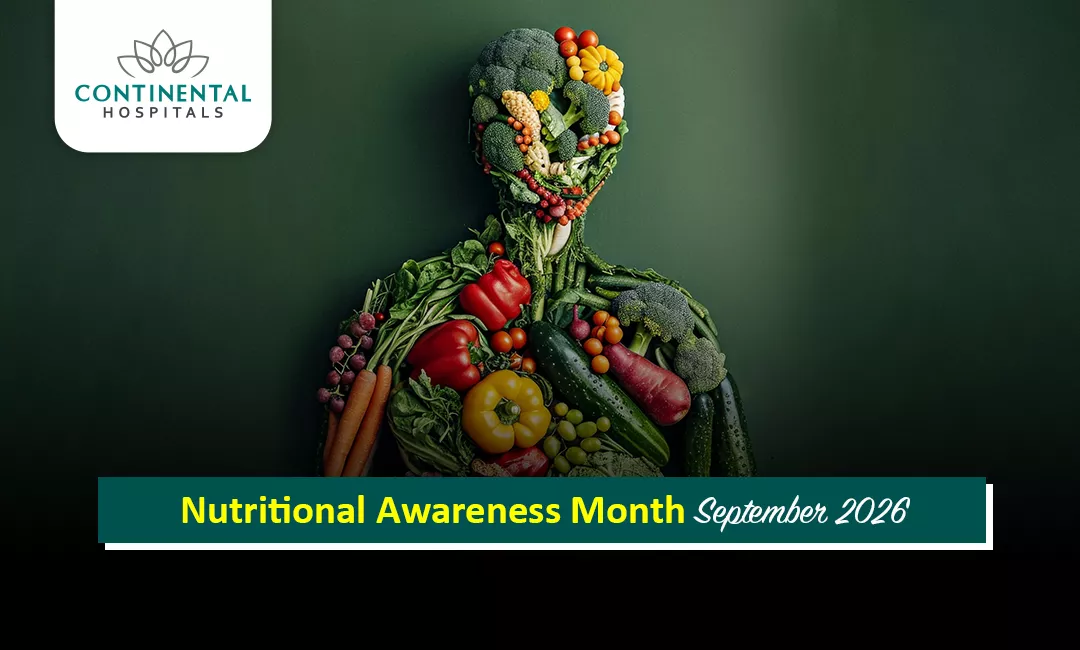
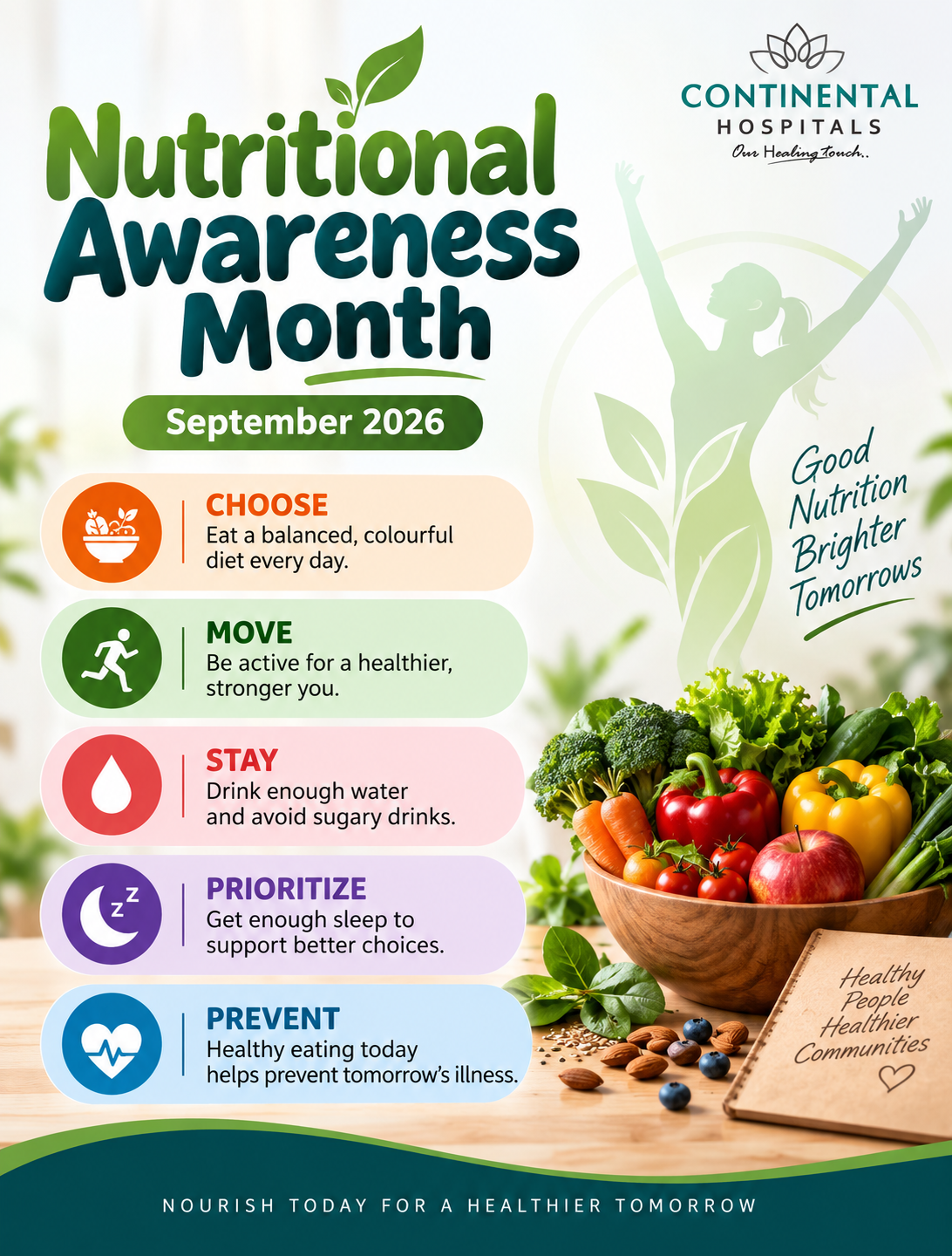
Nutritional Awareness Month 2026 gives people a chance to learn how their eating habits affect their health. With nutritional awareness, people can discover how beneficial healthy foods, balanced meals, proper hydration, and healthy eating habits are. Nutrition means providing the body with energy and nutrients for growing, healing, strengthening the immune system, and making daily functions possible.

Why is nutrition awareness so essential? Poor eating habits can contribute to many health issues such as obesity, lack of nutrients, high blood pressure, and diabetes. The event encourages people and families to assess their eating habits in order to take practical steps toward the necessary changes rather than joining a fad diet.

Why Is Nutrition Important for Health?

How does food impact the body? The food we consume has necessary nutrients, including carbohydrates, proteins, good fat, vitamins, minerals, fiber, and water. Every nutritional element has a unique function that assists the body in carrying out its different operations.

The significance of nutrition can be seen through these advantages:

• It provides energy for daily activities.
• It encourages proper growth and development.
• It assists in keeping the muscles, bones, and other body tissues strong.
• It helps the immune system function better.
• It allows for the maintenance of an ideal body weight.
• It helps in the functioning of the brain and concentration.
• It aids in digestion.
• Lastly, it preserves health for a long time.

A balanced diet allows the body to obtain many beneficial nutrients without reliance on only one type of food.

Visit the Nutrition and Dietetics Department at Continental Hospitals, Hyderabad, for expert guidance on healthy eating, therapeutic nutrition, and long-term wellness.

What does it mean to enjoy a healthy diet?

Healthy nutrition does not mean avoiding some food groups. Rather, it is the idea of selecting the proper proportion of various nutritious foods to achieve balance in nutrition.

The components of a healthy diet may include the following:

Second Opinion

• Different types of vegetables and greens
• Fresh fruits in season
• Whole grains and other fiber-rich foods
• Pulses and beans
• Dairy products
• Eggs, fish, meat, and other sources of protein
• Nuts and seeds
• Healthy fats
• Water

The amount of healthy food products to be consumed may depend on a person’s age, amount of physical activities, various health conditions, and individual requirements.
Why Is Nutrition Awareness Important for Children?

How does nutrition awareness help children? Childhood is a vital stage of development, both physically and mentally. It is essential that children consume enough nutrients to enable their growth, education, and development in a healthy way.

Parents and caregivers can help children to eat healthy foods by providing them with different meals and setting a daily meal schedule. Children can become more accustomed to eating healthy food by learning how to prepare meals at the same time.

Food should never be a bargaining tool for children, and they should be taught to appreciate food.

In what way can nutrition assist adults and senior citizens? 

Is good nutrition helpful for adults in all stages of their lives? Yes, because everybody’s nutritional needs vary according to age, degree of activity, way of living, and health conditions. 

Need an Appointment?

Healthy eating allows adults to maintain energy levels, ideal body weight, good heart condition, proper functioning of digestive organs, and general wellbeing. Senior citizens may face certain difficulties with nutrition because their appetite, process of digesting food, experience of absorbing nutrients, and muscular mass may decline with age. 

Customized nutrition advice can help with certain nutritional problems whenever it is required.

What Healthy Eating Habits Can You Adopt On A Daily Basis?

• Take in a variety of vegetables and fruits in your meals.
• Aim for whole grains and foods high in fiber when possible.
• Incorporate a protein source in meals.
• Stay hydrated and drink plenty of water.
• Cut back on sugar and salt.
• Try not to skip too many meals.
• Avoid eating excessive amounts of food.
• Monitor and control the amount of food eaten.
• Always read labels when purchasing food.
• Stick to variety in meals and avoid eating anything repetitively.

Making small changes on a regular basis is key to maintaining good eating habits.

Is diet able to save people from health problems?

Is there a connection between nutrition and health? Most definitely. Following a nutritious diet can help people have a healthy weight and support their cardiovascular and metabolism functioning.

Nonetheless, nutrition is not the only thing that contributes to health. Exercising regularly, sleeping enough hours, avoiding stress, and visiting health specialists will also help.

People with certain health conditions, like diabetes, kidney failure, or heart problems, may not be able to manage their diet without proper guidance.

Why is Consulting a Nutrition Expert Important?

Is general nutritional advice applicable to everyone? Not necessarily. The nutritional requirements of different individuals may vary significantly.

A qualified nutrition expert can evaluate the dietary habits, health requirements, lifestyle, and nutritional needs of an individual before recommending an appropriate diet plan. Individualized advice can be of great importance in the case of people suffering from any medical problem or deficiencies in nutrition, as well as in the case of those who need to control their weight.

Why Continental Hospitals for Nutrition and Healthcare?

What is the importance of professional help in terms of nutrition? In Continental Hospitals Hyderabad, nutrition care is included in the healthcare program so as to provide full consultation by doctors and dieticians if required.

Continental Hospitals works with the help of experienced medical staff and some advanced diagnostic facilities and infrastructure and various medical competencies. The hospital observes the standards of safety and quality of healthcare services established on the national and international levels that have been approved by respective accreditations.

Why should you bear in mind Nutritional Awareness Month in 2026?

• A healthy diet is defined by balance, variety, and proper portioning. 
• A balanced diet is necessary for providing several nutrients required by the body. 
• Healthy meals consist of fruit and vegetables, whole grains, protein, and healthy fats. 
• Staying hydrated is also part of eating healthy. 
• Reducing excess sugar, salt, and ultraprocessed foods will help you have a healthier diet. 
• Everybody has different dietary needs depending on their health condition, and those with health issues might require special nutritional courses. 
• Making gradual changes can help simplify one’s healthy eating process.

Conclusion

What message to convey in the Nutritional Awareness Month 2026? Healthy nutrition is not only following complicated diets or making drastic changes. It is about recognizing your body's needs and being aware of your food choices.

Nutrition awareness helps individuals to understand how healthy eating habits relate to nutrition and health in the context of people’s well-being. A balanced diet, proper hydration, and generally healthy lifestyle choices will help you achieve better health.

If you have nutrition conditions, unexplained weight changes, health issues related to food, or need personalized dietary advice, consult our best nutritionist or dietitian in Hyderabad of Continental Hospitals in Hyderabad for proper nutrition assessment and care.


Frequently Asked Questions

Nutritional Awareness Month highlights the importance of healthy eating.
It encourages people to understand their daily nutritional needs.
A balanced diet provides essential nutrients for the body.
These nutrients include proteins, carbohydrates, healthy fats, vitamins and minerals.
Good nutrition supports energy, growth and normal body functions.
Healthy eating habits can also support long-term wellness.
The right diet may vary based on age, lifestyle and health needs.
Regular meals can help maintain consistent energy levels.
Including a variety of foods can improve overall nutrient intake.
Drinking enough water is also an important part of healthy nutrition.
Limiting excess sugar, salt and highly processed foods can be beneficial.
Nutritional Awareness Month is a good time to review everyday eating habits.
Small, sustainable food choices can contribute to better overall health.
Good nutrition gives the body the nutrients it needs to function properly.
It supports energy production and everyday physical activities.
Protein helps support muscles and tissue maintenance.
Carbohydrates provide an important source of energy for the body.
Healthy fats support cells, hormones and the absorption of certain vitamins.
Vitamins and minerals are needed for many essential body processes.
A nutritious diet can support normal immune function.
Balanced meals may also help maintain a healthy body weight.
Eating a variety of foods can reduce the risk of nutrient deficiencies.
Good nutrition is important at every stage of life.
Children need nutrients for growth and development.
Adults need balanced nutrition to support daily health and activity.
Older adults may have different nutritional needs that require attention.
A balanced diet includes a variety of foods from different food groups.
It should provide carbohydrates, proteins and healthy fats in appropriate amounts.
Fruits and vegetables provide important vitamins, minerals and dietary fibre.
Whole grains can provide carbohydrates and additional fibre.
Protein sources may include pulses, beans, eggs, dairy, fish, meat or nuts.
Healthy fats can come from nuts, seeds and suitable cooking oils.
Dairy or alternatives can contribute calcium and other essential nutrients.
Water should be the main beverage for regular hydration.
The right portion size depends on individual nutritional requirements.
Balanced eating does not mean avoiding all favourite foods.
It is more about variety, moderation and overall dietary quality.
Highly processed foods should generally be limited rather than relied upon.
A dietitian can help create a balanced plan for specific nutritional needs.
The body needs several essential nutrients to maintain normal functions.
These include carbohydrates, proteins and fats.
Vitamins and minerals are also important for overall health.
Carbohydrates are a major source of energy for the body.
Protein supports muscles, tissues and many biological processes.
Healthy fats help support cells and assist with vitamin absorption.
Vitamins perform different roles in metabolism and body functions.
Minerals such as calcium and iron are needed for important physiological processes.
Fibre supports healthy digestion and contributes to a balanced diet.
Water is essential for hydration and normal body functions.
The required amount of each nutrient can vary between individuals.
Age, activity level and health conditions can influence nutritional requirements.
A varied diet can help provide many of these nutrients naturally.
Start by making small and practical changes to your everyday meals.
Add more vegetables and fruits to your regular diet.
Choose whole grains more often when possible.
Include a suitable source of protein with your meals.
Choose healthy sources of fats such as nuts and seeds.
Drink enough water throughout the day.
Try to reduce foods that are high in added sugar.
Limit excessive salt and highly processed foods.
Pay attention to portion sizes without following extreme restrictions.
Planning meals can make healthier choices easier during busy days.
Reading food labels can help you understand nutritional content.
Avoid skipping meals if it causes excessive hunger later in the day.
A registered dietitian can provide personalised dietary guidance when needed.
Nutrition plays an important role in supporting normal immune function.
The immune system requires several nutrients to function effectively.
Protein contributes to the development and maintenance of body tissues.
Vitamins and minerals support different processes involved in immune function.
Fruits and vegetables provide a range of vitamins, minerals and plant compounds.
Whole grains, pulses, nuts and seeds can provide useful nutrients and fibre.
A varied diet is generally better than relying on a single food for immunity.
Adequate hydration also supports normal body functions.
Severe nutrient deficiencies can affect normal immune function.
Eating a balanced diet can help reduce the risk of inadequate nutrient intake.
Good nutrition works together with adequate sleep and regular physical activity.
No single food or supplement can prevent every infection or illness.
People with specific nutritional deficiencies may need professional advice.
Healthy nutrition can contribute to reducing the risk of some health problems.
A balanced diet can support healthy body weight and metabolic health.
Eating enough fibre may support digestive and cardiovascular health.
Fruits and vegetables provide important nutrients and beneficial plant compounds.
Choosing healthier fats can support overall heart health.
Limiting excessive salt may help support healthy blood pressure.
Reducing excess added sugar can support better overall dietary quality.
Whole grains and pulses can be useful parts of a nutritious eating pattern.
Good nutrition is especially important alongside regular physical activity.
However, diet alone cannot prevent every disease.
Genetics, lifestyle, environment and other factors also influence health risks.
People with existing medical conditions may require individual dietary advice.
A healthcare professional or dietitian can recommend appropriate nutritional changes.
Nutritional supplements are not necessary for everyone.
Many people can obtain essential nutrients through a varied and balanced diet.
Some individuals may need supplements because of specific nutritional deficiencies.
Pregnancy and certain medical conditions can also increase nutritional requirements.
Some medications or dietary restrictions may affect nutrient intake.
A healthcare professional can help determine whether supplementation is appropriate.
Blood tests may sometimes be recommended to identify specific deficiencies.
Taking unnecessary high doses of nutrients can cause unwanted effects.
Supplements should not be used as a substitute for a healthy diet.
Always follow the recommended dose when a supplement is advised.
Tell your healthcare professional about supplements you are already taking.
Children, pregnant women and people with medical conditions may need specific guidance.
Professional advice can help ensure supplements are safe and appropriate.
Disclaimer: The information provided in this blog is intended for general knowledge and informational purposes only, and does not constitute medical advice. Always consult with a qualified healthcare professional for any medical concerns or before making any decisions about your health.

Get in Touch With Us

Whether you are from India or abroad, we are here to help you with your medical queries. Please fill out the form below and our team will connect with you shortly.

  • ✔ Quick response from our medical experts
  • ✔ Secure data handling & privacy
  • ✔ Easy upload for reports & documents
banner_image

Chat with our medical experts on WhatsApp for quick assistance and hassle-free appointment booking

Recent Posts