.webp)

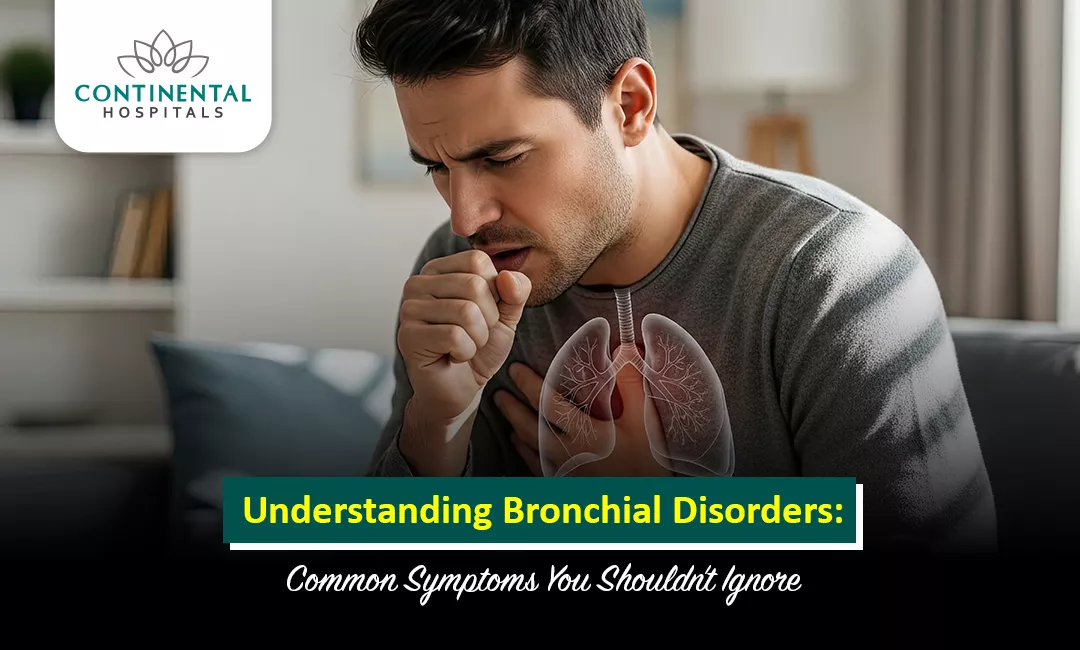
Bronchial conditions are afflictions that have an impact on the bronchi, the tubes that carry air from the throat to the lungs. When the bronchi undergo inflammation or when the air passages grow constricted or irritated, breathing can become compromised. Bronchial ailments can last a short time, as in the case of respiratory infections, or persist over an extended period of time, requiring ongoing medical treatment.
Is it possible that a persistent cough and wheezing are signs of a bronchial illness? By having knowledge of the symptoms associated with bronchial disorders, you will be able to tell if there are any changes connected to your breathing patterns and whether or not you need to seek a doctor's appointment.
What Are Some Common Bronchial Disorders?
Several disorders can lead to damage to the bronchial tubes and affect the airflow. The following are some of the common bronchial disorders:
- Bronchitis: This refers to the inflammation of the bronchial tubes, which may lead to malnutrition and coughing.
- Asthma: This is a disease that leads to inflammation and narrowing of the airway, which may cause wheezing, tightness of the chest, and difficulty in breathing.
- Chronic bronchitis: This is a long-term disease that leads to persistent coughing and mucus production.
- Bronchiectasis: This refers to the condition in which the bronchial tubes are dilated and damaged, which will lead to the occurrence of recurrent lung infections.
- Bronchospasm: It is a condition that leads to tightening of muscles around the airways, making breathing more difficult.
It is important to understand the type of bronchial condition to be able to deal with it properly.
Visit the Pulmonology Department at Continental Hospitals, Hyderabad, for expert respiratory care and advanced diagnostic services.
What Are the Typical Symptoms of Bronchial Diseases?
What symptoms should not be disregarded? Symptoms of bronchial disease may differ based on the particular illness and its severity. Some symptoms may appear sporadically, while others may develop to be chronic.
Here are some common symptoms of bronchial diseases:
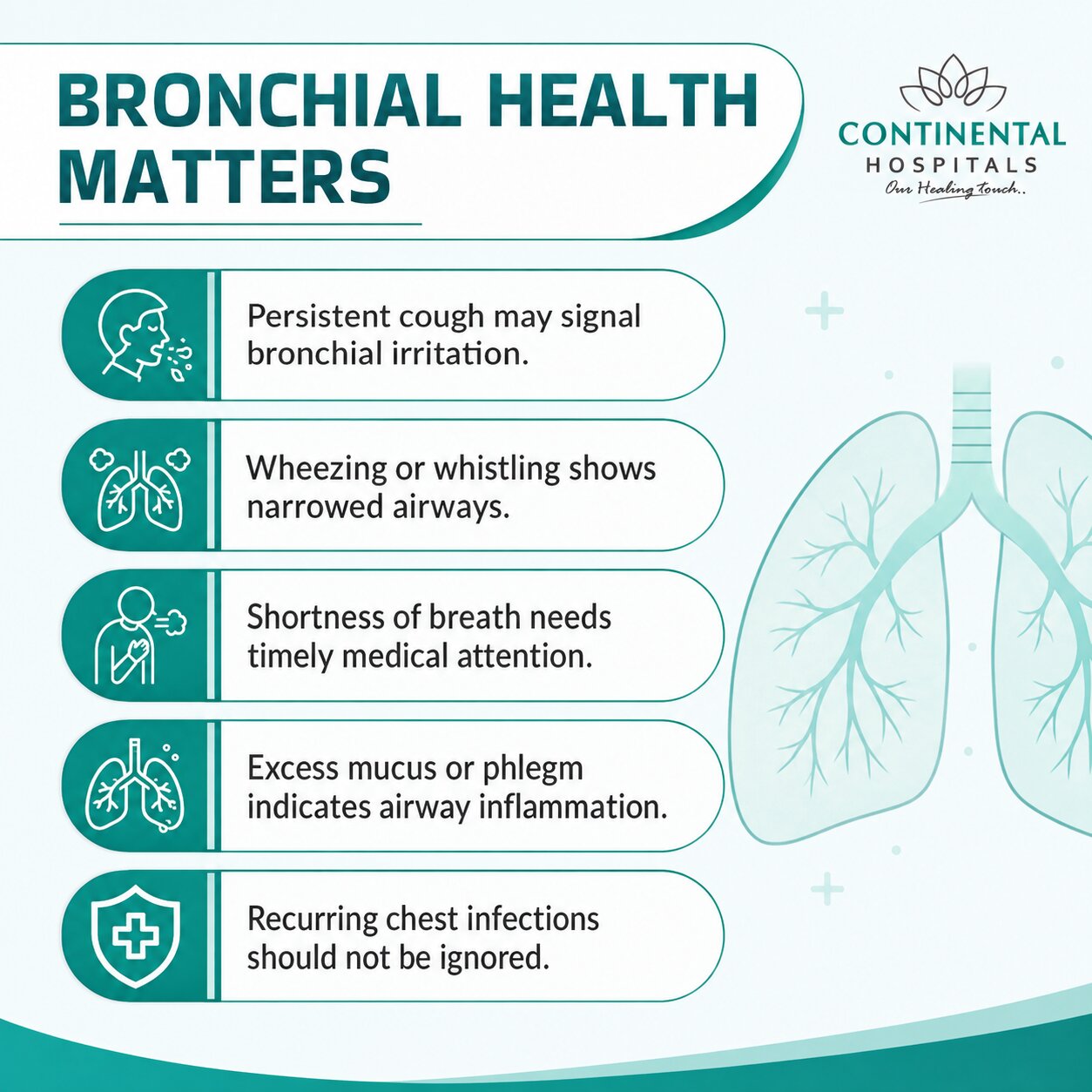
- Persistent cough or cough that keeps coming back
- Formation of mucus or phlegm
- Wheezing or whistling sound while breathing
- Difficulty in breath
- Tightness or discomfort in the chest
- Shortness of breath during exercises
- Tiredness during shortness of breath
- Occasional attacks of respiratory infections
Anyone who has a cough that lasts for several weeks or comes and goes should see a doctor.

What Causes Bronchial Disorders?
Which things increase the odds of one developing bronchial disorders? Several reasons may provoke irritation of the airways. These include respiratory illnesses, cigarette smoke, air pollution, dust, chemical smoke, allergies, and some other factors that involve job-related exposure to harmful substances.
Also, there are people who may develop some symptoms after exposure to specific triggers.
How Are Bronchial Disorders Diagnosed?
How do physicians find out if your ailments stem from a bronchial disorder? It usually begins with a thorough discussion of your symptoms, medical history, lifestyle, environmental exposure, and past respiratory disorders.
Based on your symptoms, your doctor could order the following:
- Physical examination and lung study
- Chest X-ray and/or imaging studies if required
- Pulmonary function tests
- Blood tests when considered necessary
- Sputum test where warranted
- Other tests on respiratory functions, if necessary.
These tests assist doctors in knowing how the lungs perform and finding the diseases responsible for the symptoms.
How Are Bronchial Conditions Treated?
Are bronchial disorders treatable? The treatment measures differ from one bronchial disorder to another, as well as depending on the severity of the bronchial disease and the health level of the patient. The primary objectives of treatment are alleviating the symptoms, improving airflow, treating the causes of the disease, and minimizing the risk of complications.
Treatment may involve the following steps:
- Medical treatment of inflammation of the airways
- Usage of inhalers to improve airflow if prescribed by the doctor
- Use of medications to alleviate particular respiratory symptoms
- The use of antibiotics if an appropriate bacterial infection is established
- Breathing exercises or rehabilitation of the lungs if recommended
- Avoiding smoke and other possible allergens
- Regular physician's influence in cases of chronic bronchial disorders.
It is crucial to follow the recommendations given by your doctor in order to maintain good bronchial conditions.
When to Consult a Medical Professional About Bronchial Symptoms?
When should one doctor be contacted regarding bronchial symptoms? One must see a doctor if the respiratory symptoms continue for long periods of time, come back time and time again, deteriorate, or hinder normal daily activities.
The following symptoms could be signaling the need to visit your doctor:
- Continuous or recurrent coughs
- Wheezes while inhaling air
- Being short of breath for no reason
- Repeated tightness in the chest
- Too much or continuous production of mucous
- Many respiratory infections
- Difficulty in breathing while doing regular things
The following symptoms would qualify for emergency medical attention: extreme difficulty in breathing, bluish color of lips or face, unusual confusion, and chest pain or sudden difficulty in breathing.
How Do You Keep Your Bronchial Health Intact?
What simple actions can ensure you keep your bronchi healthy? Keeping your bronchial system intact involves lowering the exposure to irritants and correctly handling the preexisting health conditions affecting the respiratory tract.
You can take some useful steps, such as:
- Refraining from smoking and exposing yourself to secondhand smoke.
- Minimizing exposure to dust, pollution, and harmful chemicals.
- Avoiding allergy and asthma triggers known for affecting your bronchial system.
- Following the prescribed treatment.
- Engaging in the right amount of physical activities suitable for your health condition.
- Practicing proper hand hygiene to avoid diseases of the respiratory system.
- Visiting a doctor in case of respiratory issues.
What's the reason for selecting Continental Hospitals for Respiratory Treatment?
Why is it important to choose the correct hospital for lung diseases? There could be various reasons behind respiratory symptoms, making it essential to diagnose accurately and obtain expert medical help for treatment.
Continental Hospitals Hyderabad is the right destination for all respiratory problems, where competent specialists, excellent diagnostic facilities, modern infrastructure, and multidisciplinary medical expertise are made available to patients. The hospital follows standards of quality and safety in healthcare and holds many accreditations from international and national organizations as a result of its commitment to be the best in healthcare.
Patients with lung diseases can benefit from comprehensive treatment, including detection of the cause behind the symptoms, assessment of lung function, use of the required treatment, and assistance in terms of maintaining a good level of lung health.
Bronchial Disorders Important points to note are:
- Bronchial disorders affect the airways, which may affect normal respiration.
- Some common bronchial disorders include bronchitis, asthma, and bronchiectasis.
- Symptoms include cough, wheezing, mucus, and shortness of breath.
- Factors causing symptoms include smoking, pollutants, infections, and allergens, as well as airway irritants.
- Inflated symptoms should not be ignored.
- Early diagnosis assists the doctor in providing treatment.
- Following a doctor's orders leads one to a better quality of life.
Conclusion
Could a persistent cough or difficulty in breathing be more than just a passing problem? Bronchial disorders can differ from a simple issue of inflammation of the airway to a chronic condition requiring constant monitoring and treatment. Recognizing symptoms of bronchial disorders early enough can help one seek proper treatment so that chronic respiratory ailments are not neglected.
If you are facing a persistent cough, wheezing, mucus production, tightness in the chest, shortness of breath, or repeated respiratory conditions, consult our best pulmonologist in Hyderabad at Continental Hospitals, Hyderabad, for an extensive examination.