post-title

How to stop a heart attack in 30 seconds?

Written by - Editorial Team
Medically Reviewed by - Dr Meeraji Rao Dandangi

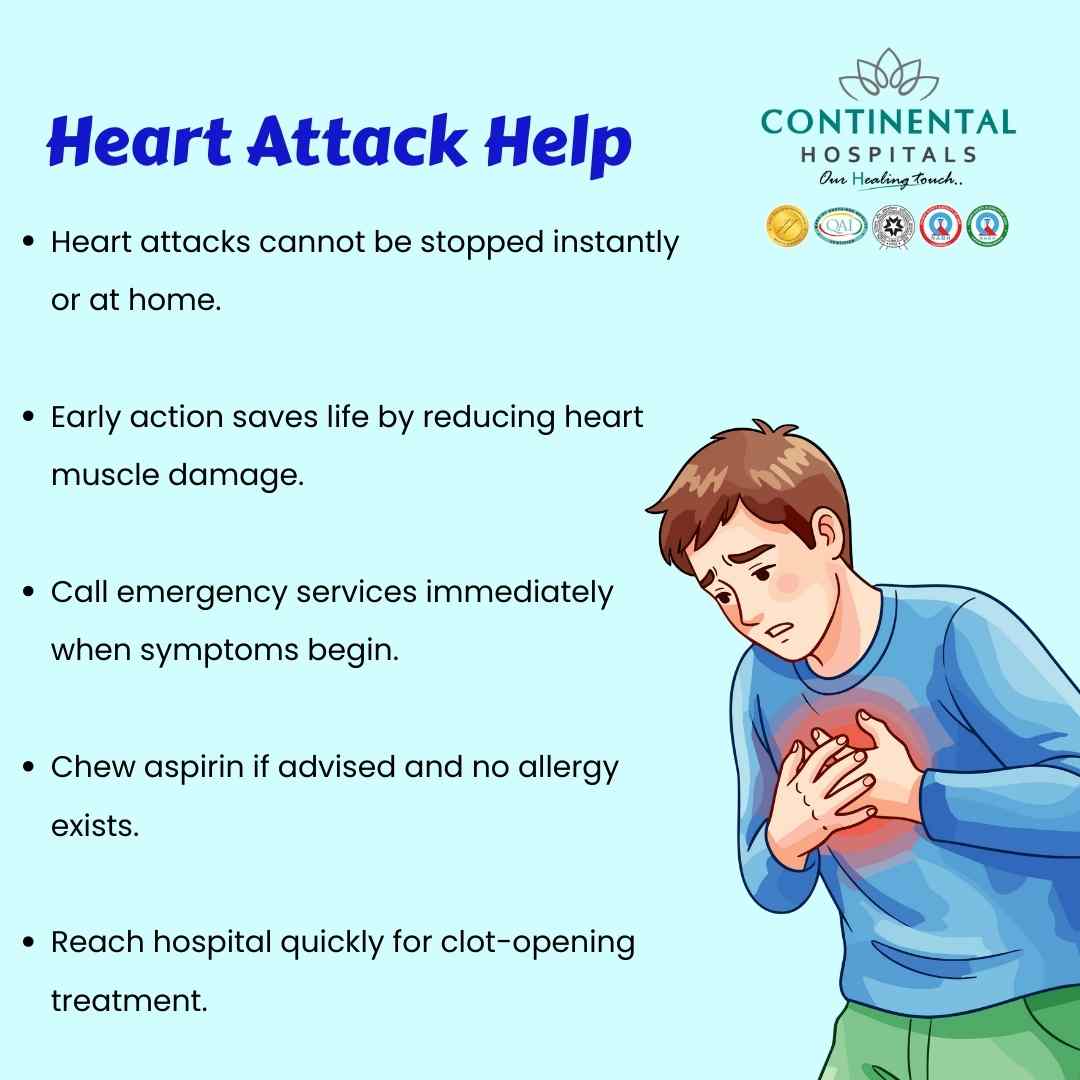
Many people search for how to stop a heart attack in 30 seconds, hoping for a quick action that can save a life. The truth is important and life saving to understand. A heart attack cannot truly be stopped in 30 seconds at home. However, the right action taken immediately can slow damage, save heart muscle, and keep you alive until medical help arrives.

What Is a Heart Attack?

A heart attack happens when blood flow to a part of the heart muscle is suddenly blocked. This is usually caused by a clot forming in a narrowed artery. Without oxygen rich blood, heart muscle cells begin to die.

Understanding how heart attack causes damage helps explain why time is critical.

The longer the blockage remains, the more heart muscle is lost.

Visit our Best Cardiology Doctors in Hyderabad at Continental Hospitals, Hyderabad for advanced heart attack diagnosis, emergency treatment, and long term heart care.

Can You Stop a Heart Attack in 30 Seconds?

No home method can completely stop a heart attack in 30 seconds. There is no breathing trick, cough technique, or exercise that cures a heart attack.

What you can do in the first 30 seconds is:

  • Recognize symptoms quickly
  • Call emergency services immediately
  • Take safe first aid steps that reduce risk

These actions significantly improve survival and recovery.

What To Do Immediately If You Suspect a Heart Attack?

If you or someone near you shows warning signs, act without delay.

Second Opinion

Step by Step Emergency Actions

  • Stop all activity and sit or lie down
  • Call emergency medical services immediately
  • Chew aspirin if advised and not allergic
  • Loosen tight clothing
  • Stay calm and breathe slowly
  • Do not drive yourself to the hospital

This is the closest reality to how to stop a heart attack in 30 seconds. Early response limits damage and saves lives.
Heart Attack Symptoms You Should Never Ignore?

Recognizing symptoms early can prevent severe complications.

Common heart attack symptoms include:

  • Chest pain or pressure lasting more than a few minutes
  • Pain spreading to the left arm, jaw, neck, or back
  • Shortness of breath
  • Cold sweating
  • Nausea or vomiting
  • Sudden fatigue or dizziness

Some people ask, can heart attack cause gas or acidity like pain? Yes. Heart attack pain can feel like indigestion or gas, especially in diabetics and older adults.

6 Signs of Heart Attack a Month Before?

Many patients experience warning signs weeks earlier.

Need an Appointment?

Watch for these early clues:

  • Unusual fatigue without reason
  • Mild chest discomfort on exertion
  • Shortness of breath during daily activities
  • Sleep disturbances
  • Anxiety or restlessness
  • Digestive discomfort or acid reflux

People often ask, can heart attack cause acid reflux symptoms? Yes. Acid reflux like pain may mask a developing heart attack.

Heart Attack Reasons and Main Causes?

Understanding heart attack main causes helps with prevention.

Major heart problems causes include:

  • Blocked coronary arteries
  • High blood pressure
  • High cholesterol
  • Diabetes
  • Obesity
  • Smoking
  • Chronic stress
  • Lack of physical activity

People also ask, how many years of smoking causes heart attack? Even five to ten years of smoking significantly raises risk. Longer exposure multiplies damage to blood vessels.

Can Heart Attack Cause Low Blood Pressure?

Yes. Can heart attack cause low blood pressure? Absolutely.

When the heart muscle weakens suddenly, it cannot pump blood efficiently. This can lead to:

  • Sudden drop in blood pressure
  • Dizziness or fainting
  • Cold clammy skin
  • Shock in severe cases

Immediate medical care is essential.

What Heart Failure Causes After a Heart Attack?

If treatment is delayed, permanent damage may occur.

What heart failure causes after a heart attack?

  • Loss of pumping strength
  • Fluid buildup in lungs
  • Chronic breathlessness
  • Swelling in legs and feet
  • Reduced quality of life

Early intervention prevents many of these complications.

Myths About Stopping a Heart Attack Instantly?

There are dangerous myths online. Let us clear them.

  • Cough CPR does not stop heart attacks
  • Deep breathing cannot dissolve clots
  • Drinking water does not unblock arteries
  • Home remedies cannot replace emergency care

Believing these myths delays life saving treatment.

When Should You Seek Emergency Help?

Do not wait if symptoms last more than five minutes.

Seek immediate help if you notice:

  • Chest pain with sweating
  • Pain with breathlessness
  • Sudden collapse
  • Unexplained weakness
  • Severe nausea with chest discomfort

Early hospital care saves heart muscle.

How Doctors Treat a Heart Attack?

Hospital treatment focuses on restoring blood flow fast.

Treatment may include:

  • Emergency ECG and blood tests
  • Clot dissolving medications
  • Angioplasty and stent placement
  • Oxygen support
  • Heart rhythm monitoring
  • Intensive cardiac care

The goal is to reopen blocked arteries as quickly as possible.

Why Choose Continental Hospitals for Heart Attack Care?

Continental Hospitals is recognized as a best hospital in Hyderabad for advanced cardiac care.

Our strengths include:

• International quality standards and accreditations
• Advanced cardiac catheterization laboratories
• Experienced interventional cardiologists
• Rapid emergency response protocols
• 24 hour cardiac ICU support
• Evidence based treatment practices
• Patient focused recovery and rehabilitation

Every minute matters in a heart attack. Our systems are designed to act fast.

How To Reduce Heart Attack Risk Long Term?

Prevention saves lives.

Follow these steps:

  • Quit smoking completely
  • Control blood pressure and sugar
  • Eat a heart healthy diet
  • Exercise regularly
  • Manage stress
  • Attend regular heart checkups

Early detection prevents emergencies.

Final Thoughts

Searching for how to stop a heart attack in 30 seconds shows how urgent and frightening this condition is. While no instant cure exists at home, fast recognition and immediate medical care save lives.

Ignoring symptoms or trusting myths can cost precious time and heart muscle.

Consult our top cardiologists in Hyderabad at Continental Hospitals, Hyderabad for advanced heart attack diagnosis, emergency treatment, and long term heart care.

Related Blog Topics:

  1. How to prevent Heart attacks in Winter
  2. Heart Risk Alert: Gum Problems Before Chest Pain

Frequently Asked Questions

No, a heart attack cannot be stopped in 30 seconds using any home remedy or breathing technique. Claims circulating on social media about instantly stopping a heart attack are false and potentially dangerous. A heart attack occurs when blood flow to the heart muscle is blocked, requiring immediate medical treatment. Delaying professional care can increase heart muscle damage and raise the risk of complications. If you experience chest pain, pressure, or discomfort that lasts more than a few minutes, call emergency medical services immediately. Quick medical intervention can restore blood flow and save heart muscle. Do not rely on internet myths or self-treatment. Seeking emergency care as soon as symptoms begin offers the best chance of recovery and survival.
If you suspect a heart attack, stop all physical activity and sit or lie down in a comfortable position. Call emergency medical services immediately instead of trying to drive yourself to the hospital. If your doctor has previously advised it and you are not allergic, chew a regular aspirin while waiting for help. Loosen tight clothing and remain as calm as possible. Inform someone nearby so they can assist if your condition worsens. Keep your phone within reach and unlock the door if possible for emergency responders. Avoid eating or drinking unless instructed by a healthcare professional. Prompt medical treatment is the safest and most effective way to reduce heart damage and improve survival.
The most common warning sign of a heart attack is chest pain or pressure that may feel like squeezing, heaviness, or tightness. Pain may spread to the left arm, right arm, neck, jaw, shoulder, or back. Some people experience shortness of breath, cold sweats, nausea, vomiting, dizziness, or sudden fatigue. Women, older adults, and people with diabetes may have less typical symptoms, including indigestion, extreme tiredness, or mild chest discomfort. Symptoms may come and go or gradually worsen over several minutes. Never ignore persistent chest discomfort. Recognizing symptoms early and seeking emergency care immediately can significantly improve outcomes.
No. The idea that coughing repeatedly can stop a heart attack is a widespread myth. Cough CPR is only used in very specific hospital settings under continuous heart monitoring and is not a treatment for someone experiencing a heart attack at home. Attempting to rely on coughing instead of calling emergency services can delay lifesaving treatment. A heart attack requires immediate evaluation, medications, and sometimes emergency procedures to restore blood flow. If you develop chest pain or other symptoms, call for medical help immediately rather than trying unproven techniques. Early treatment is the most effective way to reduce heart damage and improve survival.
No home remedy, including drinking water, consuming herbal drinks, garlic, lemon juice, or other household remedies, can stop a heart attack. These methods do not reopen blocked coronary arteries or restore blood flow to the heart muscle. Depending on home remedies may waste valuable time when emergency medical treatment is urgently needed. If heart attack symptoms appear, seek emergency medical care immediately. Medical professionals can provide medications, oxygen if required, and procedures such as angioplasty to treat the blockage. Home remedies should never replace emergency care during a suspected heart attack.
Several factors increase the risk of a heart attack. These include high blood pressure, diabetes, high cholesterol, obesity, smoking, physical inactivity, unhealthy eating habits, chronic stress, and excessive alcohol consumption. A family history of heart disease also raises risk. Men generally develop heart disease earlier than women, although women's risk increases after menopause. People with kidney disease or previous heart conditions require careful monitoring. Managing these risk factors through healthy lifestyle choices and regular medical checkups can significantly reduce the likelihood of a heart attack.
Many heart attacks can be prevented by maintaining a healthy lifestyle and controlling medical conditions. Eat a balanced diet rich in fruits, vegetables, whole grains, and lean proteins while limiting processed foods, salt, and unhealthy fats. Exercise regularly for at least 150 minutes each week. Avoid smoking and limit alcohol intake. Keep blood pressure, cholesterol, and diabetes under control with regular medical care. Maintain a healthy body weight, manage stress effectively, and get adequate sleep. Routine health screenings help identify risks early and allow timely treatment before serious heart problems develop.
You should see a cardiologist immediately if you experience unexplained chest pain, recurring chest discomfort, shortness of breath, or symptoms that occur during physical activity. Even if symptoms improve, they should never be ignored because they may indicate an underlying heart condition. A cardiologist can perform tests such as an ECG, echocardiogram, stress test, or coronary imaging to determine the cause. People with diabetes, hypertension, high cholesterol, or a family history of heart disease should also undergo regular cardiac evaluations. Early diagnosis and treatment can prevent serious complications, including future heart attacks.
Disclaimer: The information provided in this blog is intended for general knowledge and informational purposes only, and does not constitute medical advice. Always consult with a qualified healthcare professional for any medical concerns or before making any decisions about your health.

Get in Touch With Us

Whether you are from India or abroad, we are here to help you with your medical queries. Please fill out the form below and our team will connect with you shortly.

  • ✔ Quick response from our medical experts
  • ✔ Secure data handling & privacy
  • ✔ Easy upload for reports & documents
banner_image

Chat with our medical experts on WhatsApp for quick assistance and hassle-free appointment booking

Recent Posts