.webp)


Dialysis is a treatment used to get rid of waste materials, excess fluids, and toxins from the blood when the kidneys have started failing in doing their jobs. The healthy kidneys perform a very critical function, which involves cleaning the blood of the waste and controlling the levels of the fluids in the body. Once the functions of the kidneys fail completely, dialysis needs to be done.
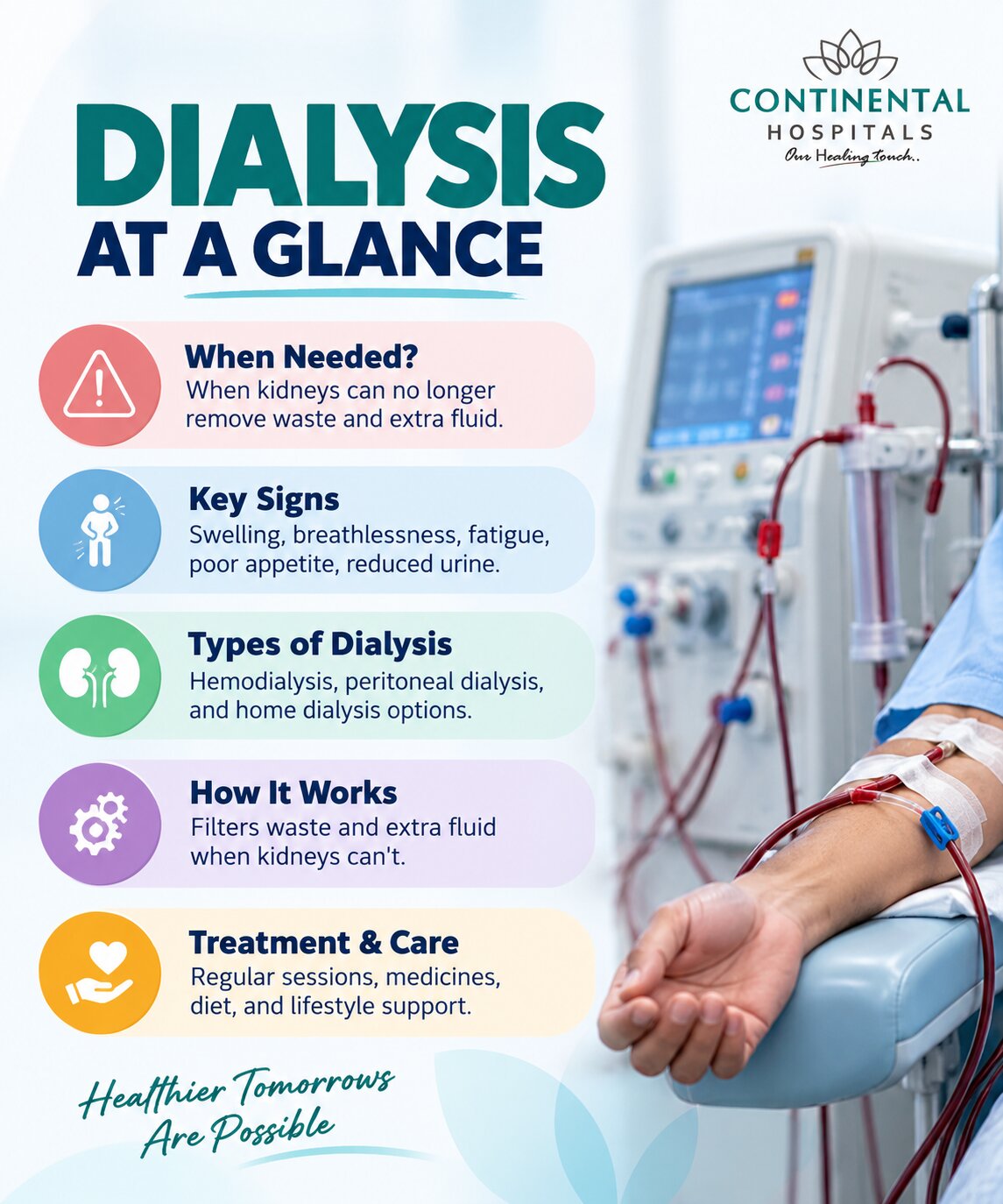
But when is it necessary? Dialysis is necessary when the kidneys are not functioning at all and failing to filter the waste out and keeping it from building up in the body. However, the decision cannot be made based on a single blood test only. Instead, the doctors will also evaluate the kidney functions, symptoms, blood work, fluid balance, and the general state of health of the patient when making the decision about starting dialysis.
When is dialysis required?
A person suffering from kidney disease may require dialysis when the organs can no longer keep the internal balance of the body or when the consequences of kidney disease is beyond medical treatment.
Dialysis may be taken into account in case of:
- Critical loss of kidney function
- High levels of waste products in the blood
- Excess fluid in the body that is not favorable to medications
- Change of potassium level or other electrolytes
- Complications affecting the heart, lungs, and brain
- Symptoms caused by kidney disease
- Sudden kidney disease cases resulting in a temporary loss of organ functionality.
- Dialysis may be used temporarily with cases of acute kidney failure or chronic kidney disease for a longer period of time.
Visit the Nephrology Department at Continental Hospitals, Hyderabad, for expert kidney care, advanced diagnostics, and comprehensive treatment options.
How Do You Recognize When Dialysis Is Necessary?
What are the symptoms when kidney disease worsens? Some experience intense symptoms, while others suffer extensive kidney damage with little or no noticeable issues.
Some of the signs include:
- Extreme fatigue
- Nausea
- Lack of appetite
- Swelling of feet, hands, or face
- Decreased urine output
- Breathing difficulties due to fluid overload
- Confusion
- Persistent itching
- Muscle spasms
- Changes in sleeping patterns
Each of these symptoms could arise from different conditions and do not signify the need for kidney dialysis unless evaluated by a medical professional.

What are the general types of dialysis?
What are the different types of dialysis? Hemodialysis and peritoneal dialysis are the principal types.
What is hemodialysis?
Hemodialysis is a process that utilizes a dialysis machine and a dialyzer to purify blood. The blood is collected from inside the body, flows through the dialyzer, and then returned freshly purified.
Hemodialysis can be done in the dialysis center or for eligible individuals at home with training and doctor support.
What is peritoneal dialysis?
Peritoneal dialysis uses the peritoneum, which is the lining of the abdominal cavity, as a filter. The method involves the process of introducing a dialysis solution into the abdominal cavity via a tube. Waste and excess fluid are removed into the solution, and the solution is replaced.
This type of dialysis can also be performed at home with proper training and doctor’s assistance.
What Is the Process of Dialysis?
- The dialysis process varies based on the method of dialysis.
- In hemodialysis, the blood is filtered through a dialyzer. However, it must first be accessed from the body.
- During peritoneal dialysis, the process involves the introduction of the dialysis fluid through a catheter into the abdomen. This product will remain within the abdomen for the required time.
- In both methods, the method of dialysis process employed depends on various factors, including the patients’ overall health, kidney function, medical needs and lifestyle considerations.
Is Dialysis the Sole Option for Infliction of Kidney Failure?
Is dialysis the only method of treating kidney failure? The answer is no, as treatment for kidney failure differs based on the cause and severity of kidney disease.
Possible procedures include:
- Medications to treat high blood pressure and other complications
- Dietary and fluid processing
- Treating primary kidney disease
- Taking necessary measures against diabetes and cardiovascular risk factors
- Utilizing peritoneal or hemodialysis if necessary
- Performing a kidney transplant in suitable candidates
Dialysis is an essential treatment for some patients who experience kidney failure; thus, treatment must be chosen by a nephrologist for every patient.
How Should Patients Get Ready for Dialysis?
What can be done when patients are faced with the need for dialysis? Learning about the procedure and taking action in advance can ease the way of undergoing the treatment.
The basic actions may include the following:
- Checking kidney function on a regular basis
- Following dietary and other fluid recommendations
- Taking medication according to the prescriptions made by a doctor
- Consulting a nephrologist on the types of access to dialysis
- Getting to understand the different types of dialysis
- Keeping scheduled medical appointments
- Inquiring about how one can lead a normal life during the procedure.
Taking precautions early will prevent unnecessary delays in case of the doctor’s recommendation to do dialysis.
Why opt for Continental Hospitals for dialysis treatment?
Why is it important to select a seasoned institution for dialysis treatment? Kidney failure patients may need more than simply dialysis treatment; they require other treatment modalities, intervention for their medical condition, medication advice, nutritional help, and emergency care.
Continental Hospitals, Hyderabad, provides comprehensive kidney treatment with the help of expert nephrologists, state-of-the-art medical facilities, dialysis equipment, diagnostic services, and treatment that is coordinated by multi-specialty support. The hospital has adhered to strict quality control and safety protocols and boasts a number of recognitions that determine its dedication to quality medical services.
What are the important things to take into account regarding dialysis?
- Dialysis helps the human organism when kidneys cannot work well enough to filter the waste and too much fluid.
- Dialysis can be either temporary or long-lasting depending on the problem causing the kidney failure.
- Dialysis has two main types: hemodialysis and peritoneal dialysis.
- Symptoms are not the only factor that affects the decision to use dialysis in the treatment of kidney diseases.
- Physicians are guided by kidney functionalities, symptoms, and additional medical tests while diagnosing a patient.
- Early nephrology care enables the patient to know their treatment options better.
Conclusion
What is the indication for the use of dialysis? Dialysis may become essential when there is significant kidney failure that results in complications that cannot be managed by the kidney anymore. Identifying the signs of kidney failure and obtaining timely medical attention can assist in understanding how to manage kidney disease.
In case of symptoms like edema, low urine production, continuous vomiting, extreme tiredness, or difficulty in breathing, or if you have been diagnosed with advanced kidney disease, you should consult our best nephrologist in Hyderabad at Continental Hospitals, Hyderabad, for a thorough examination and personalized kidney treatment.
Related Blogs: