.webp)

World Patient Safety Day 2026 is an important global observance that highlights the need to make healthcare safer for every patient. Observed annually on September 17, World Patient Safety Day encourages healthcare professionals, hospitals, patients, and families to work together to prevent avoidable harm and improve the quality of medical care.
Why does patient safety matter? Every person who visits a hospital expects to receive appropriate, respectful, and safe treatment. From accurate diagnosis and correct medication to infection prevention and clear communication, every step of the healthcare journey plays a role in protecting patients. World Patient Safety Day 2026 provides an opportunity to understand these practices and encourage patient safety awareness among healthcare teams and the public.
What Is the Theme of World Patient Safety Day 2026?
What is the official theme of World Patient Safety Day 2026? The World Health Organization has selected “Safe care for noncommunicable diseases” as the theme, with the slogan “Safe care for life!” The campaign focuses on protecting people living with long-term conditions such as heart disease, cancer, diabetes, and chronic respiratory diseases
Why is this theme important? People living with noncommunicable diseases often need regular consultations, diagnostic tests, medicines, and ongoing monitoring. Each stage of care must be managed safely to reduce avoidable harm and support better health outcomes.
Why Is Patient Safety Important in Healthcare?
How does patient safety improve healthcare? Patient safety means preventing avoidable harm during medical care and creating systems that support safe, effective, and respectful treatment.
Important areas of patient safety in healthcare include:
- Accurate patient identification before treatment or procedures.
- Correct diagnosis and timely communication of medical information.
- Safe prescribing, dispensing, and administration of medicines.
- Infection prevention and control.
- Clear communication between healthcare professionals, patients, and caregivers.
- Safe use of medical equipment and healthcare facilities.
- Proper documentation and follow-up.
When these practices are followed consistently, they help reduce risks and support a safer healthcare experience.
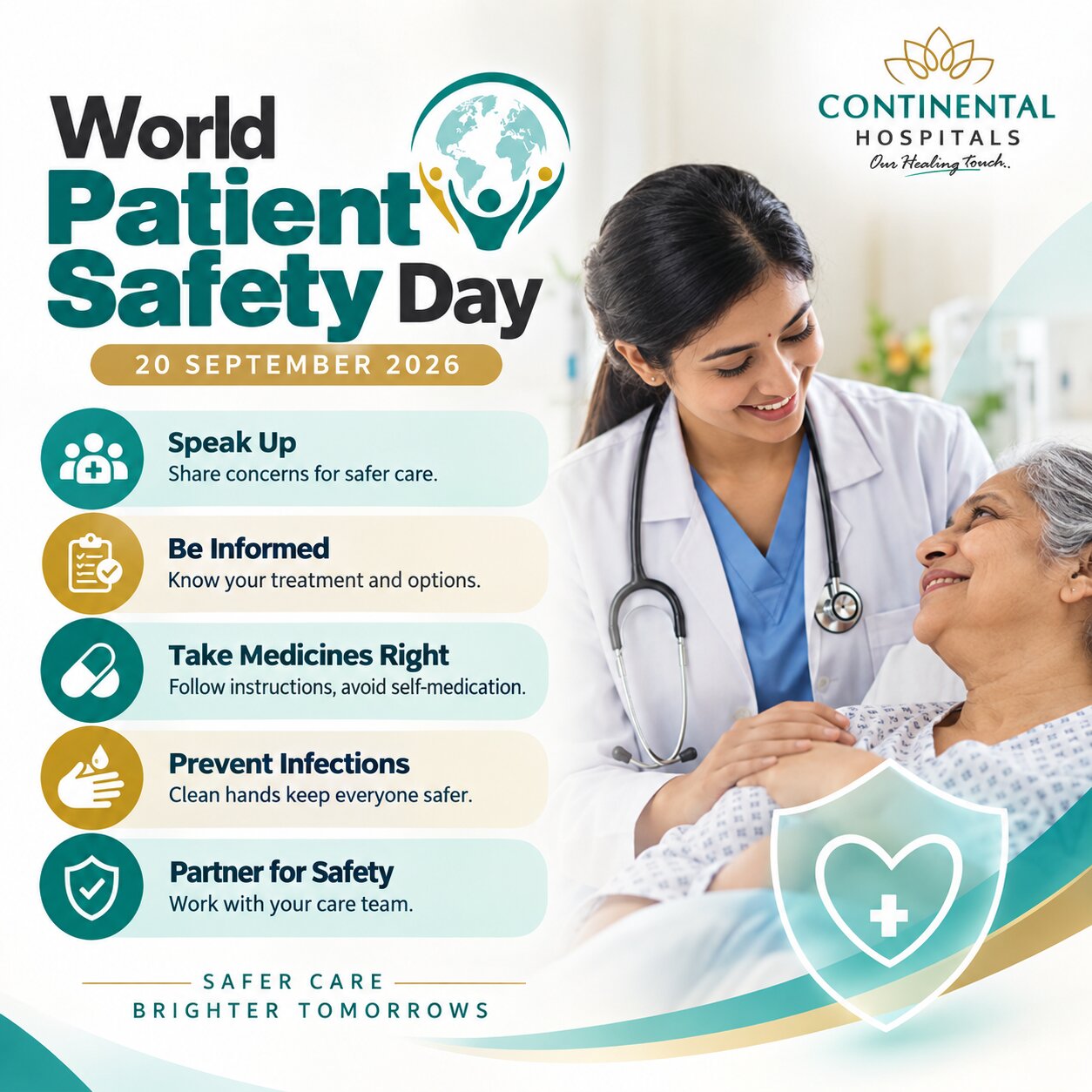
What Are the Patient Safety Risks for People With Chronic Diseases?
Why do people with chronic diseases need special attention to safety? Long-term conditions often require repeated interactions with healthcare services. Patients may consult different specialists, take several medicines, or undergo multiple investigations.

- Medication-related problems: Taking several medicines can increase the possibility of confusion, incorrect doses, or interactions.
- Delayed diagnosis: New symptoms may be overlooked if they are assumed to be related to an existing condition.
- Poor coordination: Important medical information may not be communicated between different healthcare teams.
- Infection risks: Healthcare-associated infections can affect patients receiving treatment in medical settings.
- Communication gaps: Patients may not understand their treatment plan, warning signs, or follow-up instructions.
Recognizing these risks can help healthcare teams and patients work together to improve safety.
How Can Patients and Families Support Patient Safety?
Can patients and caregivers contribute to safer healthcare? Yes. Patient safety awareness is a shared responsibility. Patients and families can actively participate in their care by asking questions, sharing accurate medical information, and following agreed treatment plans.
- Confirm that healthcare professionals have the correct personal and medical details.
- Inform the doctor about all medicines, supplements, and allergies.
- Ask questions if a diagnosis, procedure, or medicine is unclear.
- Maintain a record of medical reports and prescriptions.
- Follow instructions for medicines, investigations, and follow up visits.
- Report new or unexpected symptoms promptly.
- Speak up if something appears incorrect or unsafe.
- Involve a trusted family member or caregiver when additional support is needed.
Patients who understand their treatment and communicate openly can become active partners in safer care.
What Role Do Healthcare Professionals Play in Patient Safety?
How can healthcare professionals improve patient safety in healthcare? Doctors, nurses, pharmacists, technicians, and other healthcare workers play an essential role in identifying risks and preventing avoidable harm.
Their responsibilities may include:
Following established clinical safety procedures.
- Checking patient information before medicines, tests, or procedures.
- Communicating clearly with patients and other healthcare professionals.
- Recording and reviewing safety incidents and near misses.
- Maintaining infection prevention practices.
- Participating in continuous training and quality improvement.
- Encouraging patients to ask questions and express concerns.
A strong safety culture allows healthcare teams to learn from mistakes, identify system weaknesses, and improve care processes.
How Can Hospitals Build a Culture of Patient Safety?
What makes a hospital committed to patient safety? A safe healthcare environment requires more than individual effort. It depends on effective systems, trained staff, clear communication, appropriate technology, and continuous monitoring.
Hospitals can strengthen patient safety by:
- Developing clear clinical protocols.
- Conducting regular safety audits.
- Improving coordination between departments.
- Encouraging incident reporting without blame.
- Providing staff education and training.
- Maintaining appropriate infection prevention and control measures.
- Reviewing patient feedback to identify areas for improvement.
These measures can help create a healthcare environment where safety remains an important part of every patient interaction.
Why Choose Continental Hospitals for Patient-Centered Care?
Why is it important to choose a hospital that prioritizes quality and patient safety? Patients benefit from healthcare organizations that emphasize clinical standards, coordinated care, and continuous improvement.
Continental Hospitals, Hyderabad, is committed to providing patient-centered healthcare supported by experienced medical professionals, advanced infrastructure, and multidisciplinary expertise. The hospital holds Joint Commission International (JCI), National Accreditation Board for Hospitals and Healthcare Providers (NABH), and Quality and Accreditation Institute (QAI) accreditations. These accreditations reflect the hospital's commitment to recognized healthcare quality and safety standards.
Through its focus on clinical excellence, infection prevention and control, patient communication, and quality improvement, Continental Hospitals works toward supporting a safer healthcare experience for patients and their families.
How Can We Observe World Patient Safety Day 2026?
- Share reliable information about patient safety awareness.
- Educate patients about medicines, treatment plans, and follow-up care.
- Encourage healthcare workers to discuss safety concerns.
- Organize awareness sessions for patients and families.
- Promote clear communication between patients and medical teams.
- Support safe care practices for people living with noncommunicable diseases.
- Encourage healthcare organizations to review and improve safety systems.
The World Health Organization also encourages communities and healthcare organizations to participate in activities supporting the 2026 campaign.
Conclusion
How can World Patient Safety Day 2026 make a difference? By bringing patients, families, healthcare professionals, and hospitals together, the campaign encourages everyone to take an active role in preventing avoidable harm. The theme, “Safe care for noncommunicable diseases,” reminds us that safety is important throughout every stage of healthcare, from prevention and diagnosis to treatment and long-term management.
If you or your family member is living with a chronic disease and needs guidance regarding diagnosis, treatment, or ongoing care, consult an appropriate specialist at Continental Hospitals, Hyderabad. Working together with your healthcare team can help support informed decisions, better communication, and safer care.
World Patient Safety Day 2026 reminds us that every patient deserves safe, respectful, and quality healthcare.