.webp)

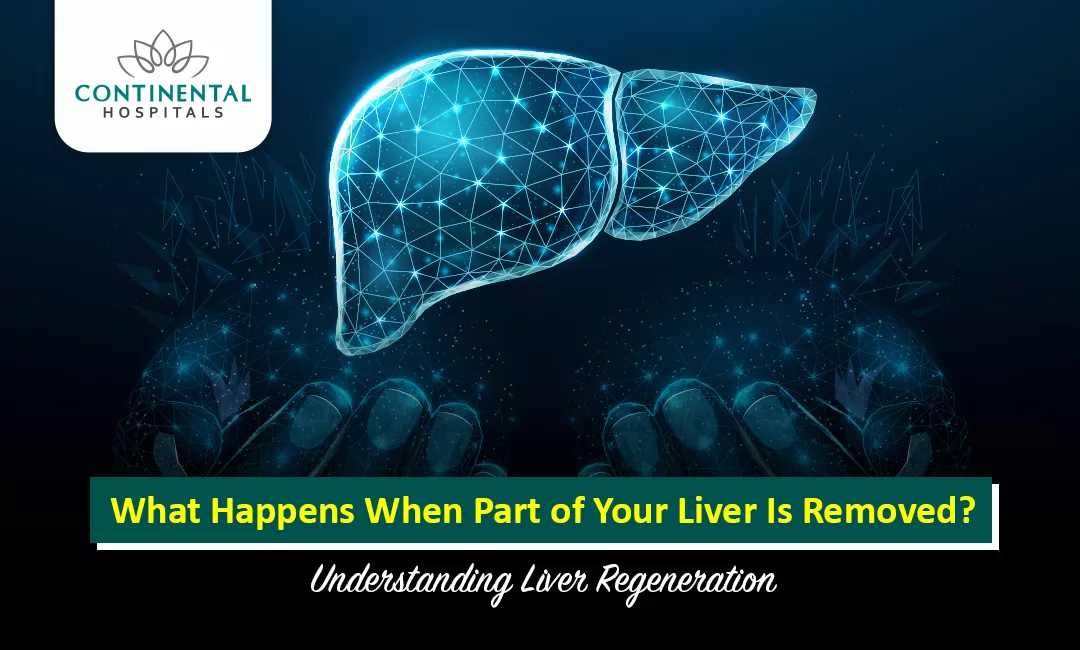
Have you ever wondered how the body responds when part of an important organ is removed? The liver has a remarkable ability to repair itself and restore its size after a portion is removed. This natural process is called liver regeneration. It allows the remaining liver tissue to grow and support essential functions such as digestion, metabolism, and removal of harmful substances from the blood.
But how does liver regeneration work, and what happens after partial liver removal? Whether liver surgery is needed to treat a tumor, remove a damaged portion, or manage another liver condition, understanding the process can help patients and families feel more prepared for recovery. Liver regeneration after surgery depends on several factors, including the amount of liver removed, the health of the remaining liver, and the patient's overall condition.
What Is Liver Regeneration?
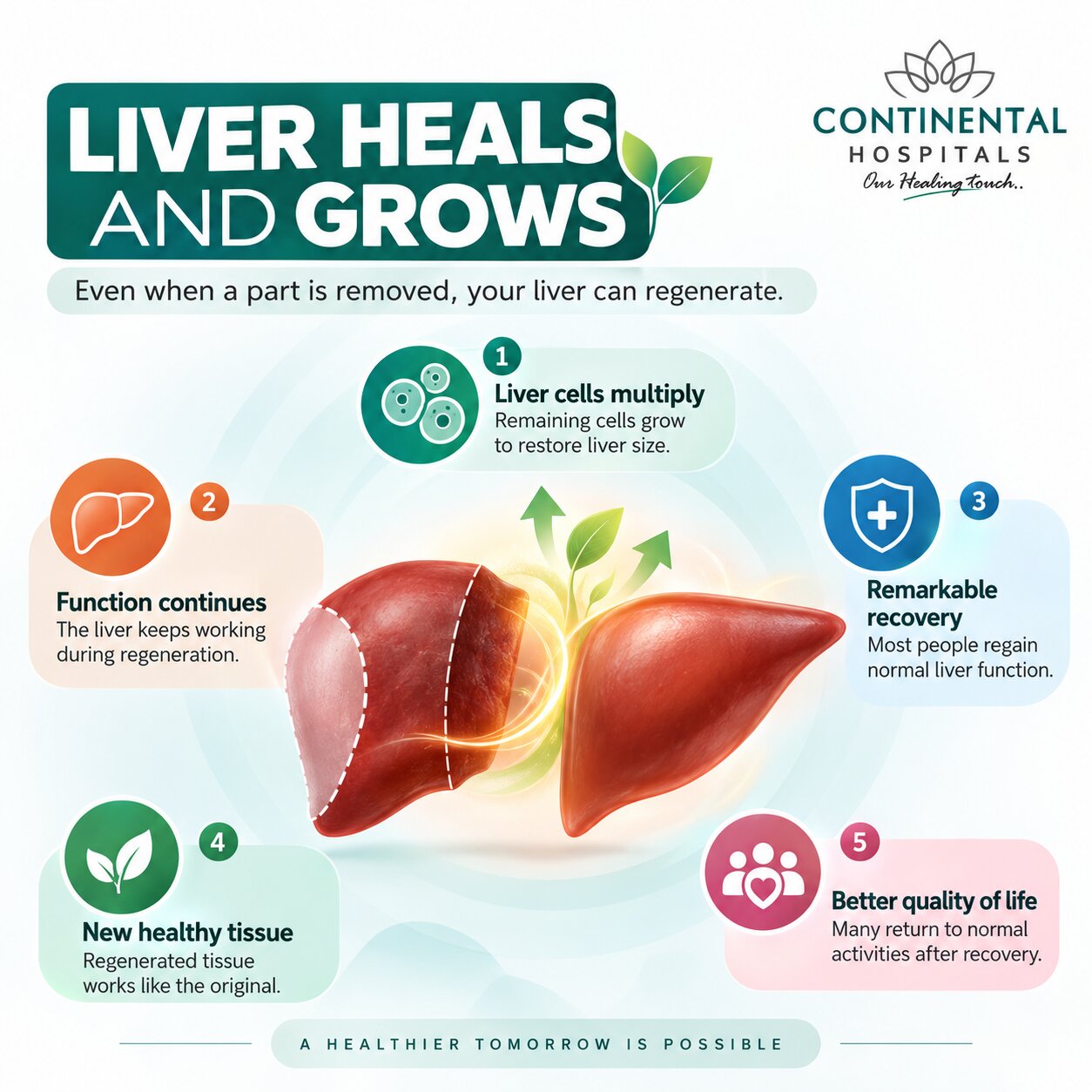
What exactly does liver regeneration mean? Liver regeneration is the body's natural process of restoring liver tissue after injury or surgery. Unlike many other organs, the liver can increase the size and function of its remaining tissue after a portion is removed.
The liver does not usually grow back as an identical copy of the removed section. Instead, the remaining liver cells become larger and multiply to help restore the liver's capacity to perform its important functions.
This ability is one reason why partial liver removal can be possible in carefully selected patients.
Visit the Liver Transplant Surgery Department at Continental Hospitals, Hyderabad, for advanced surgical care and expert guidance.
Can the Liver Grow Back After Surgery?
Can the liver grow back after surgery? Yes, the liver can regenerate after a partial liver resection. However, the process does not mean that the exact removed portion returns in the same shape.
After liver surgery, the remaining liver tissue responds to the increased demand for its functions. Liver cells begin to multiply, and the liver gradually increases in size and capacity.
Several factors influence liver regrowth after surgery, including:

- The amount of liver removed
- The health of the remaining liver tissue
- The presence of fatty liver or scarring
- The patient's nutritional status
- The presence of other medical conditions
- The type and complexity of the surgery
A healthy liver generally has a greater ability to regenerate than a liver affected by significant damage or chronic disease.
Why Is Partial Liver Removal Performed?
Why might a surgeon recommend removing part of the liver? Partial liver removal, also called liver resection, may be performed to treat certain liver conditions.
Common reasons include:
- Removing selected liver tumors or cancerous growths
- Treating certain benign liver tumors
- Removing a damaged portion of the liver
- Managing specific liver injuries
- Treating certain conditions affecting the bile ducts or nearby structures
The decision to perform liver surgery depends on the location of the problem, the amount of healthy liver remaining, and the patient's overall health.
What Happens During Liver Regeneration After Surgery?
What happens inside the body after a liver resection? Once part of the liver is removed, the remaining liver tissue adapts to the body's needs.
The process generally involves:
- Early response: The remaining liver cells receive signals that encourage regeneration.
- Cell growth: Liver cells increase in size and begin multiplying.
- Functional recovery: The remaining liver tissue works to meet the body's needs.
- Gradual adjustment: Liver growth and function continue to adapt over time.
The speed and extent of regeneration differ from person to person. Liver regeneration is a complex biological process, and the liver may not return to its original size in every patient.
How Long Does Liver Regeneration Take?
How long does liver regeneration after surgery take? The liver begins responding soon after a portion is removed. Much of the initial growth can occur during the first few weeks after surgery, although the overall process may continue for several months.
The timeline depends on the patient's health, the size of the resection, and the condition of the remaining liver.
Doctors may use blood tests and imaging studies to monitor liver function and recovery. These assessments help determine whether the liver is recovering as expected.
What Is Liver Surgery Recovery Like?
What should patients expect during liver surgery recovery? Recovery after liver resection varies depending on the type of operation and the patient's general health.
During recovery, patients may experience tiredness, reduced appetite, abdominal discomfort, or changes in their usual activity levels. These symptoms often improve gradually with appropriate care.
Important recovery measures may include:
- Following the surgeon's instructions
- Eating a balanced diet as advised by the medical team
- Staying hydrated
- Avoiding strenuous activity until medically cleared
- Taking prescribed medicines correctly
- Attending follow-up appointments
- Reporting unusual symptoms promptly
Patients should avoid alcohol and discuss any supplements or medicines with their doctor before taking them during recovery.
Can Liver Regeneration Be Affected by Liver Disease?
Can an unhealthy liver regenerate as effectively as a healthy liver? Not always. Conditions such as cirrhosis, significant fibrosis, fatty liver disease, or other forms of liver damage may affect the liver's ability to recover.
The amount of healthy liver tissue remaining after surgery is especially important. Surgeons carefully assess liver function and the expected remaining liver volume before recommending a major resection.
This planning helps reduce the risk of liver failure and supports safer surgical outcomes.
Why Choose Continental Hospitals for Liver Surgery?
Why is choosing an experienced hospital important for liver resection? Liver surgery requires careful planning, skilled surgical care, advanced diagnostic support, and close monitoring before and after the procedure.
Continental Hospitals, Hyderabad, provides comprehensive care through experienced specialists, modern surgical facilities, advanced diagnostic technology, and multidisciplinary medical expertise. The hospital follows established healthcare quality and patient safety practices and holds national and international accreditations that reflect its commitment to quality standards and continuous improvement.
Patients undergoing liver surgery can benefit from coordinated care involving surgeons, gastroenterologists, hepatology specialists, anesthesiologists, nutrition teams, and other healthcare professionals when required.
What Should You Remember About Liver Regeneration?
- The liver can regenerate after a portion is removed.
- Liver regeneration involves the growth and multiplication of remaining liver cells.
- The liver does not necessarily recreate the exact shape of the removed portion.
- Recovery depends on the amount of liver removed and the health of the remaining tissue.
- Liver surgery recovery requires medical supervision and appropriate lifestyle measures.
- Regular follow-up helps doctors monitor liver function and recovery.
Conclusion
What happens when part of your liver is removed? The remaining liver tissue can adapt, grow, and restore much of the liver's functional capacity through liver regeneration. Although the process is remarkable, recovery depends on individual health, the extent of surgery, and the condition of the remaining liver.
If you suffer from a liver condition that may require surgery, consult our best liver transplant surgeon in Hyderabad at Continental Hospitals, Hyderabad, for expert evaluation, personalized treatment planning, and comprehensive liver care.
Related Blogs: