.webp)

Why do medical experts call hepatitis a hidden threat to your health? The human liver is a highly resilient organ that performs hundreds of vital functions every single day, including filtering toxins and aiding digestion. However, certain types of the hepatitis virus can infect the liver and cause deep structural harm for decades without causing any obvious physical distress. This slow, unnoticeable destruction is precisely what healthcare professionals mean when they talk about silent liver damage. Because the liver lacks major pain receptors within its internal tissues, extensive inflammation and tissue scarring can develop quite quietly while you feel completely healthy.
How does hepatitis contribute to this hidden threat? Hepatitis refers to the inflammation of the liver, which is most commonly triggered by viral infections labeled as hepatitis A, B, C, D, and E. While some types cause acute illness with clear symptoms, types B and C are notorious for becoming long-term infections. Over several years, the viral replication slowly destroys healthy liver cells, replacing them with stiff scar tissue. If this viral activity is left unmonitored, the progressive scarring eventually blocks normal blood flow through the organ, leading to severe stages of liver disease. Recognizing the hidden dangers of hepatitis before major structural harm occurs is the absolute best way to protect your long-term wellness.
What Are the Hidden Dangers of Hepatitis?
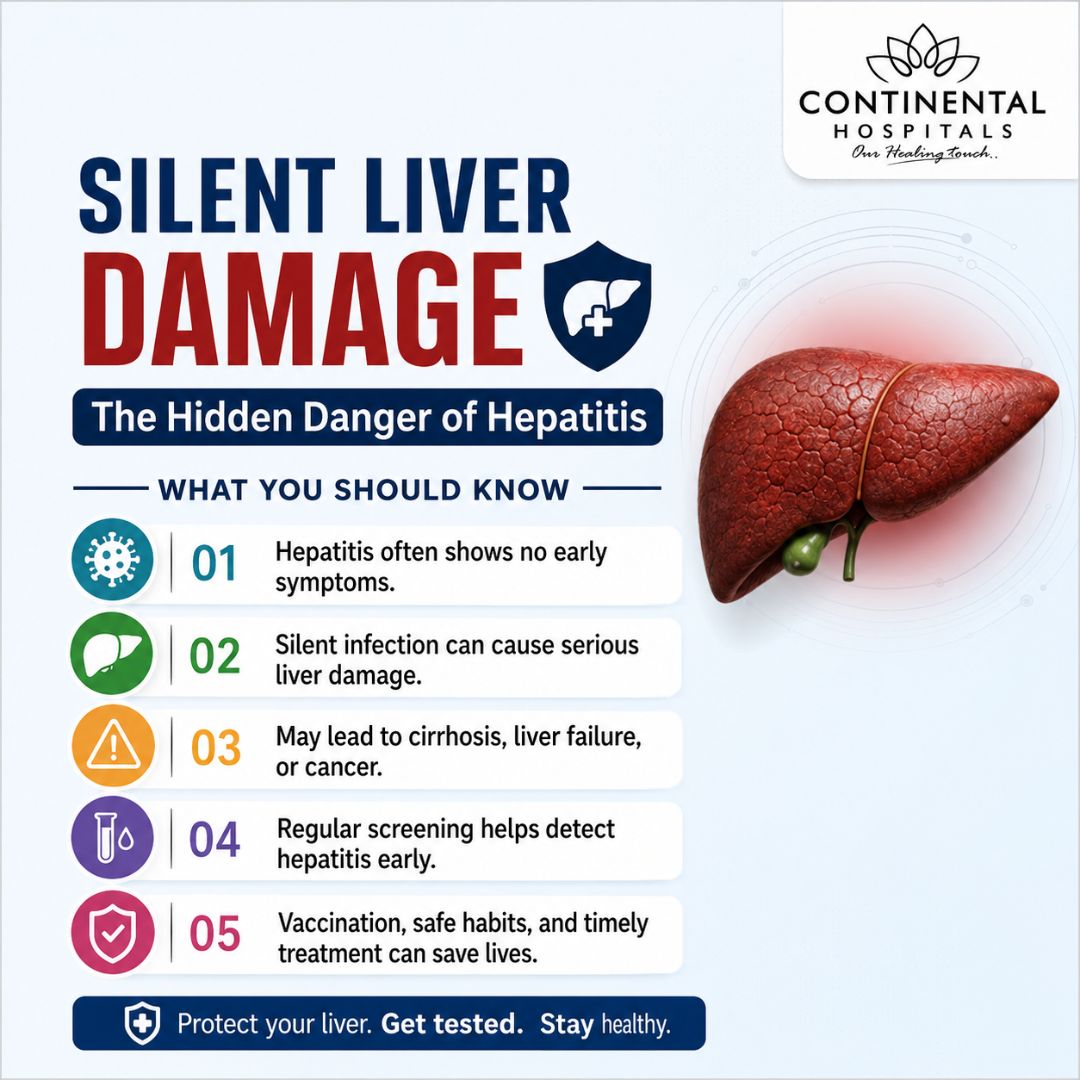
- Prolonged Asymptomatic Progression: The hepatitis virus can actively multiply inside your body for ten to thirty years without producing a single outward sign of illness.
- Gradual Tissue Scarring: Constant viral inflammation leads directly to fibrosis, which is the initial buildup of scar tissue that decreases the natural flexibility of your liver.
- Irreversible Cirrhosis: When silent liver damage is left completely unmanaged, the widespread scarring eventually hardens the organ, leading to a dangerous and permanent state called cirrhosis.
- Increased Risk of Liver Malignancy: Long-term cellular damage from chronic hepatitis B or hepatitis C significantly elevates the medical risk of developing primary liver cancer.
- Sudden Liver Malfunction: Because the organ works hard to mask its underlying struggles, the very first noticeable sign of an infection might be an unexpected, life-threatening liver failure.
If you have liver-related concerns or need preventive screening, visit the Hepatology Department at Continental Hospitals, Hyderabad, today.
What Are the Vital Hepatitis Warning Signs to Watch For?
- Persistent Unexplained Fatigue: Experiencing a deep, heavy exhaustion that does not improve with proper rest can indicate that your liver is working extra hard to process daily metabolic waste.
- Mild Upper Abdominal Discomfort: A vague feeling of fullness, dull aching, or slight pressure in the upper right side of your stomach area may point toward structural swelling.
- Subtle Changes in Urine and Stool: Developing noticeably dark or tea-colored urine along with pale, clay-colored bowel movements is a strong indicator of processing issues.
- Unusual Skin Changes: The sudden appearance of tiny, spider-like blood vessels on your upper body or experiencing persistent skin itching without an obvious rash warrants medical attention.
- Mild Nausea or Loss of Appetite: A gradual decrease in your desire to eat or experiencing frequent bouts of mild qualms can occur as metabolic processing slows down.
Why Do Chronic Infections Cause Severe Hepatitis and Liver Damage?
- Continuous Immune Response: Your body constantly sends immune cells to fight the virus, which inadvertently creates a state of permanent inflammation that hurts healthy tissue.
- Loss of Healthy Liver Cells: As the viral infection progresses, the total volume of functional liver tissue steadily decreases over time.
- Impaired Detoxification Capacity: Advanced liver damage from hepatitis stops the organ from safely cleaning your blood, allowing natural metabolic waste products to accumulate in your system.
- Disrupted Blood Circulation: Stiff scar tissue physically compresses the internal blood vessels, raising the blood pressure inside the digestive system.
- Compromised Protein Production: A damaged liver can no longer manufacture essential proteins that your body relies on for proper blood clotting and fluid balance.
What Are the Main Liver Disease Symptoms of Advanced Damage?
- Jaundice: This classic sign shows up as a visible yellowing of the skin and the white portions of your eyes due to a buildup of a waste chemical named bilirubin.
- Abdominal Fluid Accumulation: A condition called ascites causes your stomach area to swell up significantly with retained fluid as a direct result of elevated liver pressure.
- Swelling in the Lower Extremities: Fluid can also pool heavily in your ankles and feet, causing noticeable puffiness and physical discomfort during daily movement.
- Frequent Bleeding and Bruising: You might discover that you bruise very easily from minor bumps or experience frequent, difficult-to-stop nosebleeds due to a drop in clotting factors.
- Mental Confusion or Disorientation: Toxic waste compounds can eventually travel to the brain, causing sudden changes in your sleep patterns, mild forgetfulness, or slowed thinking.
Why Choose Continental Hospitals for Managing Liver Health?
Why is Continental Hospitals recognized as the best hospital in Hyderabad for comprehensive liver care? Continental Hospitals features a highly specialized, dedicated center for gastroenterology and liver diseases that delivers world-class medical diagnostic and therapeutic interventions. The institution is globally recognized for its uncompromising commitment to patient safety and clinical excellence, holding prestigious national and international accreditations.
Continental Hospitals is fully accredited by the National Accreditation Board for Hospitals & Healthcare Providers (NABH), ensuring that all medical protocols meet the highest national quality benchmarks. Furthermore, the institution has successfully secured its fourth consecutive Joint Commission International (JCI) accreditation, earning the highly coveted global Gold Seal of Approval. This international honor places Continental Hospitals among a select group of global healthcare organizations that maintain the strictest standards for patient safety, infection control, and optimal clinical outcomes.
Equipped with advanced diagnostic laboratories, high-definition imaging systems, and cutting-edge fibroscan technology, the hospital can easily detect silent liver damage in its earliest, most treatable stages. Patients receive highly personalized care plans designed by a collaborative team of liver experts, ensuring access to global standards of treatment right here in Hyderabad.
Conclusion
Protecting yourself from the hidden dangers of hepatitis requires proactive medical awareness and timely clinical screening. Because silent liver damage progresses without obvious physical alerts, waiting for major liver disease symptoms to appear can often mean addressing the problem after advanced complications have already set in. Recognizing the subtle hepatitis warning signs, understanding how chronic viral activity causes long-term hepatitis liver damage, and choosing an accredited healthcare facility are essential steps toward safeguarding your metabolic health. Early detection through simple blood investigations can completely change the course of a viral infection, allowing you to live a long, healthy life with a fully functional liver.
If you suffer from any liver-related concerns or wish to undergo a preventative screening, please book an appointment with our expert medical team. Consult our best hepatologist in Hyderabad at Continental Hospitals, Hyderabad.
Related Blog Topics: