.webp)

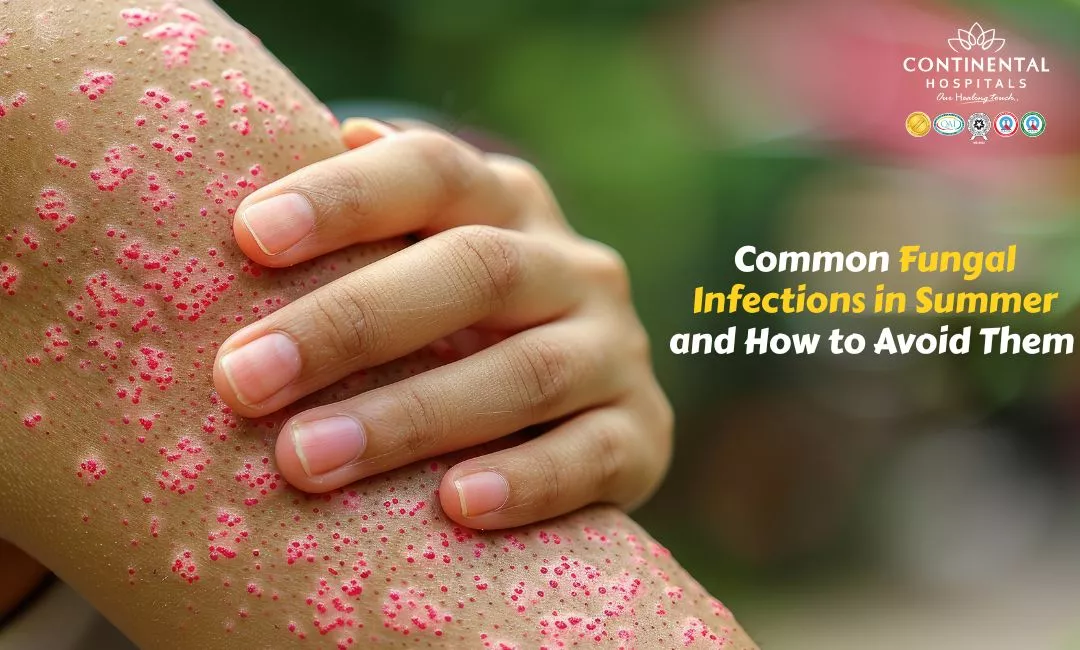
Summer brings sunshine, outdoor fun, and rising temperatures. However, it also creates the perfect environment for a fungal infection to thrive. Heat, humidity, and sweat make the skin more vulnerable, increasing the risk of fungal infections, especially in tropical regions like India.
A fungal infection is caused by microorganisms that grow rapidly in warm and moist conditions. These infections can affect the skin, nails, scalp, and even internal organs in severe cases. Understanding common fungal infections in summer and learning how to prevent them is essential for maintaining good skin health.
Why Are Fungal Infections Common in Summer?
During summer, the body sweats more to regulate temperature. Sweat accumulates in areas like the underarms, groin, feet, and skin folds. When this moisture is not properly managed, it becomes an ideal breeding ground for fungi.
Tight clothing, poor hygiene, and sharing personal items also contribute to the spread of a fungal infection. People with weakened immunity, diabetes, or excessive sweating are at a higher risk of developing fungal infections.
Experiencing fungal infection symptoms or recurring skin issues? Visit our Dermatology Department for advanced care.
Common Types of Fungal Infections in Summer
1. Ringworm Infection
Despite its name, ringworm is not caused by worms. It is a fungal infection on skin that appears as red, circular, itchy patches. It can spread easily through direct contact or contaminated surfaces.
2. Athlete’s Foot
Athlete’s foot is a common fungal skin infection that affects the feet, especially between the toes. It causes itching, burning, peeling, and cracked skin. Walking barefoot in public areas increases the risk.

3. Jock Itch
Jock itch is another fungal infection that affects the groin area. It is more common in men and causes redness, itching, and discomfort. Sweat and tight clothing worsen the condition.
4. Yeast Infections
Yeast infections are caused by an overgrowth of fungus in moist areas of the body. They can affect the mouth, skin folds, and private areas, leading to irritation and itching.
5. Nail Fungal Infection
A fungal infection can also affect the nails, causing discoloration, thickening, and brittleness. This condition often develops slowly but can become difficult to treat if ignored.

Signs and Symptoms to Watch For?
Recognizing the early signs of a fungal infection can help in timely treatment. Common symptoms include:
- Persistent itching and irritation
- Redness or rash on the skin
- Peeling or cracked skin
- White patches or discoloration
- Burning sensation in affected areas
- Thickened or brittle nails
If these symptoms persist, it is important to seek medical attention to prevent the fungal infection from spreading.
How Do Fungal Infections Spread?
Fungal infections can spread through multiple ways, including:
- Direct skin to skin contact with an infected person
- Sharing towels, clothes, or personal items
- Walking barefoot in public places like pools or gyms
- Poor hygiene and damp skin conditions
Understanding these transmission methods can help reduce the chances of developing a fungal infection.
Effective Ways to Prevent Fungal Infections in Summer
Preventing a fungal infection is easier than treating one. Following simple daily habits can protect your skin health and reduce risk.
Maintain Proper Hygiene
Keeping your body clean and dry is the first step in preventing fungal infections. Take regular baths and dry your skin thoroughly, especially in sweat-prone areas.
Wear Breathable Clothing
Choose loose-fitting, cotton clothes that allow air circulation. Avoid tight and synthetic fabrics that trap moisture and increase the risk of fungal infection on skin.
Keep Skin Dry
After sweating or bathing, ensure that areas like the groin, underarms, and feet are completely dry. Use antifungal powders if needed to reduce moisture.
Avoid Sharing Personal Items
Do not share towels, clothes, shoes, or grooming tools. This reduces the spread of fungal infections from one person to another.
Use Clean Footwear
Wear clean, dry footwear and avoid walking barefoot in public places. Change socks regularly to prevent fungal infections in summer.
Boost Immunity
A strong immune system helps the body fight infections effectively. Maintain a balanced diet, stay hydrated, and get enough rest to reduce the risk of fungal infections.
Treatment Options for Fungal Infections
Most fungal infections can be treated effectively if diagnosed early. Treatment depends on the type and severity of the fungal infection.
- Topical antifungal creams and powders are commonly used for mild skin fungal infection
- Oral medications may be prescribed for severe or recurring fungal infections
- Medicated shampoos help treat scalp-related fungal infection
- Proper hygiene and lifestyle changes support faster recovery
It is important not to self-medicate, as incorrect treatment can worsen the fungal infection or lead to recurrence.
When Should You See a Doctor?
You should consult a doctor if:
- The fungal infection does not improve with basic care
- Symptoms worsen or spread to other areas
- There is severe itching, pain, or swelling
- The infection keeps coming back
Early medical intervention ensures proper treatment and prevents complications.
Why Choose Continental Hospitals for Fungal Infection Treatment?
Continental Hospitals is known as the best hospital in Hyderabad, offering advanced care for a wide range of conditions, including fungal infections.
- Accredited by national and international healthcare organizations, ensuring high standards of patient care
- Experienced dermatologists and specialists for accurate diagnosis and treatment
- Advanced diagnostic facilities for identifying different types of fungal infections
- Patient-centered approach focusing on safety, hygiene, and comfort
- Comprehensive care covering prevention, treatment, and follow-up
The hospital’s commitment to excellence makes it a trusted choice for managing skin health and fungal infections in summer.
Conclusion
Fungal infections are common during the summer due to heat, humidity, and sweating. While a fungal infection can cause discomfort and affect daily life, it is preventable with proper hygiene and lifestyle habits.
Recognizing early symptoms, maintaining skin cleanliness, and avoiding risk factors can significantly reduce the chances of developing fungal infections. Timely treatment is essential to prevent the infection from spreading or becoming severe.
If you are experiencing symptoms of a fungal infection or dealing with recurring skin fungal infection, do not ignore the signs. Consult our best dermatologists at Continental Hospitals, the best hospital in Hyderabad, for accurate diagnosis, advanced treatment, and complete skin care support.
Related Blog Topics: