.webp)

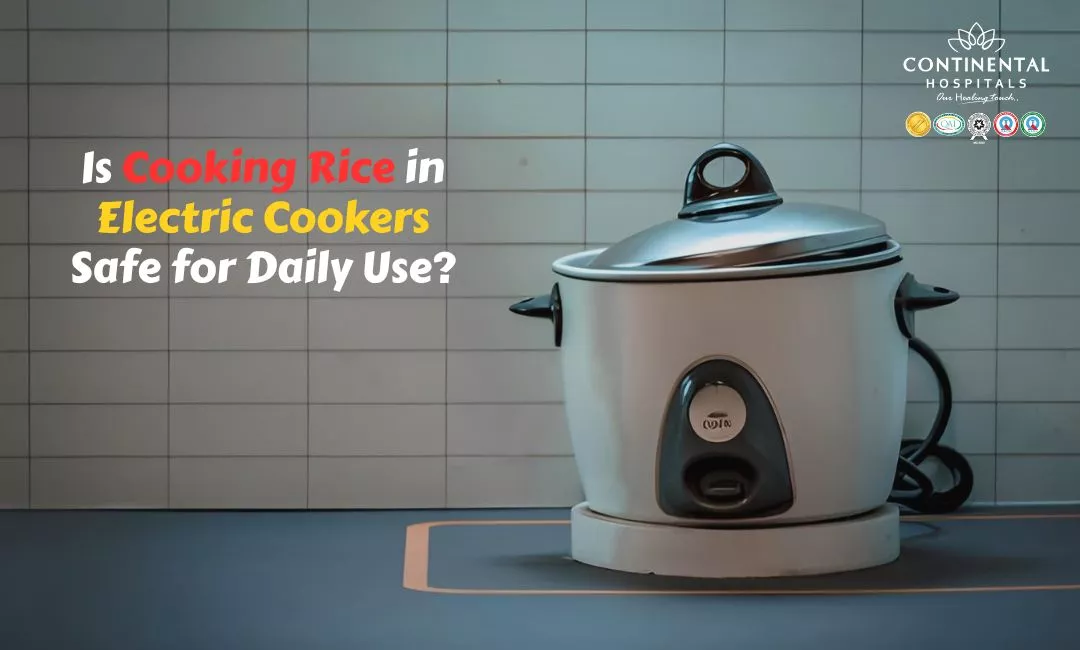
The modern kitchen has seen a significant shift toward automation and convenience. Among the various gadgets that have become staples in households, the electric rice cooker stands out for its efficiency. However, as more people rely on this appliance for their daily meals, questions regarding its long-term impact on health have surfaced. If you are wondering whether your daily habit of using an electric cooker is safe for your family, this guide provides a comprehensive look at the science, safety standards, and health implications.
Understanding the Electric Rice Cooker
An electric cooker is designed to automate the process of boiling or steaming rice. It consists of a heat source, a cooking bowl, and a thermostat that monitors the temperature. The primary appeal of using electric cookers is the consistency they provide. Unlike traditional stovetop cooking, where rice might burn or become undercooked, these appliances ensure a perfect texture every time.
But convenience often brings scrutiny. The concerns usually revolve around two main factors: the material of the inner pot and the impact of high-heat cooking on the nutritional value of the rice.
The Safety of Inner Pot Coatings
The most common concern regarding electric cookers is the non-stick coating used in the inner pots. Most modern cookers use polytetrafluoroethylene, commonly known as Teflon, or ceramic coatings.
Teflon and Heat
Teflon is generally stable at the temperatures required to boil water and steam rice. It only begins to break down and release fumes at temperatures above 300 degrees Celsius. Since an electric cooker is designed to stay around the boiling point of water, which is 100 degrees Celsius, the risk of toxic fumes is minimal during standard use.
Ceramic and Stainless Steel Alternatives
For those who prefer to avoid synthetic coatings altogether, many premium electric cookers now offer stainless steel or ceramic inner pots. These materials are inert, meaning they do not react with food or leach chemicals even after years of daily use. Choosing a high-quality electric cooker with a reputable coating or an inert metal pot ensures that your daily meal remains free from chemical contamination.
Nutritional Impact of Electric Cooking
A common myth is that cooking rice in an electric cooker destroys its nutrients. In reality, the method of cooking used by these appliances is quite gentle.
Steaming vs. Boiling: Electric cookers use a closed environment that traps steam. This method is often better at preserving water-soluble vitamins compared to traditional methods where excess water is drained away.

Starch Retention: When you cook rice in a pressure cooker or an electric cooker, the starch remains in the pot. For individuals managing blood sugar levels, it is often recommended to wash the rice thoroughly before cooking to reduce surface starch, regardless of the appliance used.
The Benefits of Using Electric Cookers Daily
Using an electric cooker is not just about saving time; it offers several functional benefits that contribute to a healthy lifestyle.
Consistent Results: It eliminates the risk of consuming undercooked rice, which can lead to digestive distress or exposure to bacteria like Bacillus cereus.
Time Management: In a busy world, the ability to set a timer allows families to have fresh, warm meals ready without the stress of constant monitoring.
Versatility: Many modern electric cookers come with settings for brown rice, quinoa, and millets. This encourages a diverse diet beyond simple white rice.
Tips for Safe Daily Use
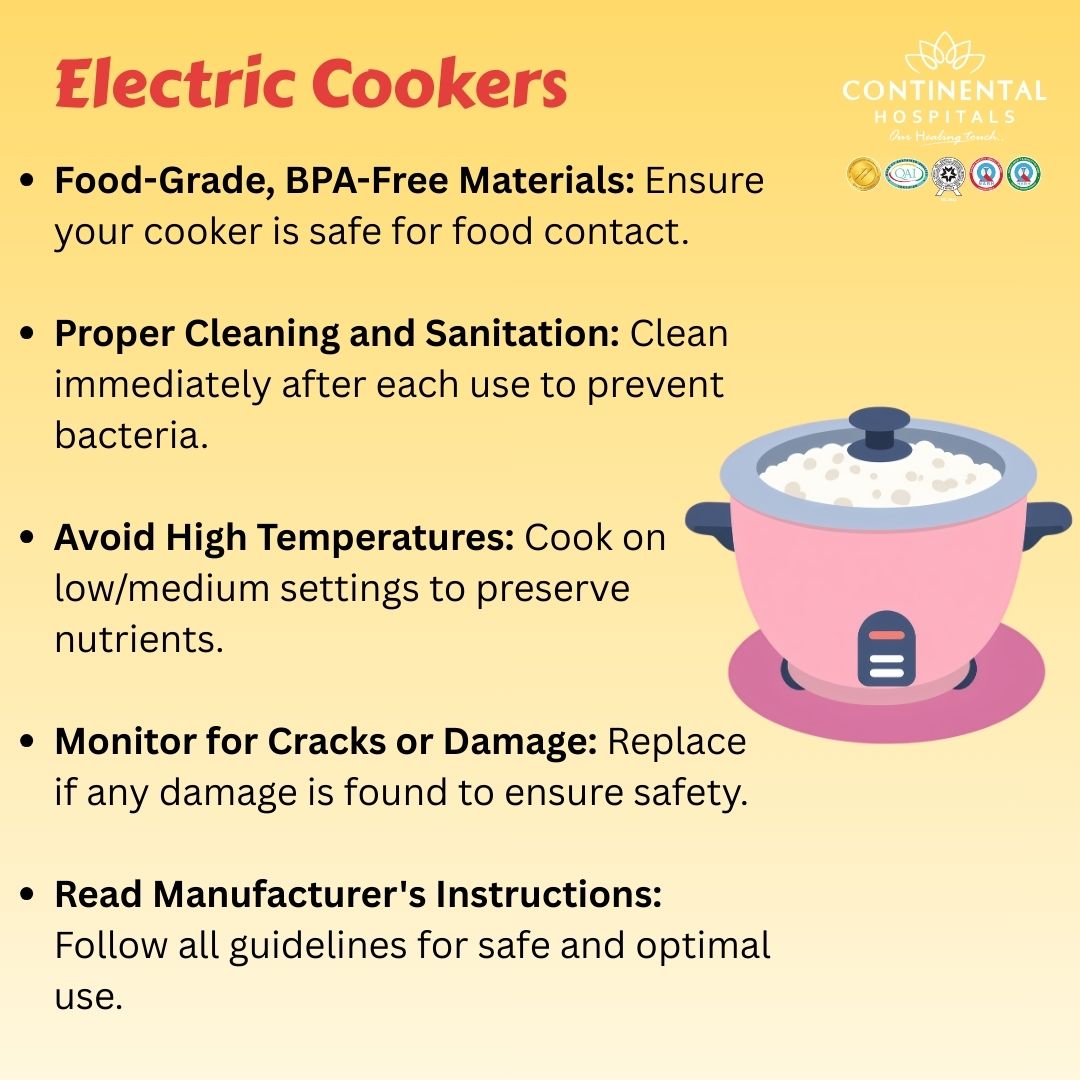
To ensure that your appliance remains safe for health over the years, follow these simple maintenance steps:
Avoid Metal Spoons: Using metal utensils can scratch the non-stick coating. Once a coating is scratched, tiny particles can enter the food. Always use the plastic or wooden spatula provided with the cooker.
Gentle Cleaning: Use a soft sponge to wash the inner pot. Harsh scrubbers can degrade the surface material.
Replace When Damaged: If you notice the coating of your electric cooker peeling or chipping, it is time to replace the inner pot or the entire unit.
Proper Water Ratios: Using the correct amount of water prevents the rice from sticking to the bottom, which reduces the need for aggressive cleaning.
Why Choose Continental Hospitals for Your Health Needs?
When it comes to your family's health, professional guidance is irreplaceable. Continental Hospitals in Hyderabad is recognized as a leader in comprehensive healthcare. Our facility is built on a foundation of clinical excellence and patient-centric care.
We hold prestigious JCI and NABH accreditations, which are the highest hallmarks of safety and quality in the healthcare industry. These accreditations ensure that every process, from diagnosis to treatment, follows international protocols. At Continental Hospitals, we combine world-class infrastructure with a team of highly experienced specialists to provide holistic wellness solutions. Whether it is nutritional counseling or advanced medical intervention, we are committed to keeping you healthy.
Making the Right Choice for Your Kitchen
The verdict on electric cookers is clear. They are safe for daily use provided the appliance is maintained well and the inner pot is in good condition. The technology behind these devices is focused on safety and efficiency. By choosing a high-quality model and following basic hygiene practices, you can enjoy the convenience of modern cooking without compromising your well-being.
Health is a result of consistent, small choices. From the way you cook your rice to the hospital you trust for your checkups, every decision matters. If you prioritize quality and safety in your kitchen, you are already on the right path toward a healthier life.
Conclusion
Cooking rice in an electric cooker is a safe, efficient, and healthy practice for the modern household. It simplifies meal preparation while maintaining the essential nutrients of the grain. While concerns about coatings exist, they are easily managed by choosing quality products and using them correctly.
If you suffer from persistent digestive issues or bloating or have concerns about how your diet is affecting your metabolic health, it is essential to seek professional advice. A dedicated medical consultation can help identify underlying causes and provide a tailored nutrition plan.