.webp)

Your liver works silently every day. It filters toxins, helps digestion, stores energy, and supports immunity. But what happens when the liver slowly becomes damaged over time? This condition is called Cirrhosis of the Liver.
Many people search online asking, Are there stages of cirrhosis? What are liver cirrhosis symptoms? What are the causes cirrhosis of the liver? Can it be treated?
This complete guide will help you understand liver stage progression, complications of liver cirrhosis, and available cirrhosis treatments in simple language.
What Is Cirrhosis of the Liver?
Cirrhosis of the Liver is a serious condition where healthy liver tissue is replaced with scar tissue. This scarring blocks normal blood flow and prevents the liver from working properly.
The damage usually develops slowly over years. Early detection is important because timely medical care can prevent further damage.
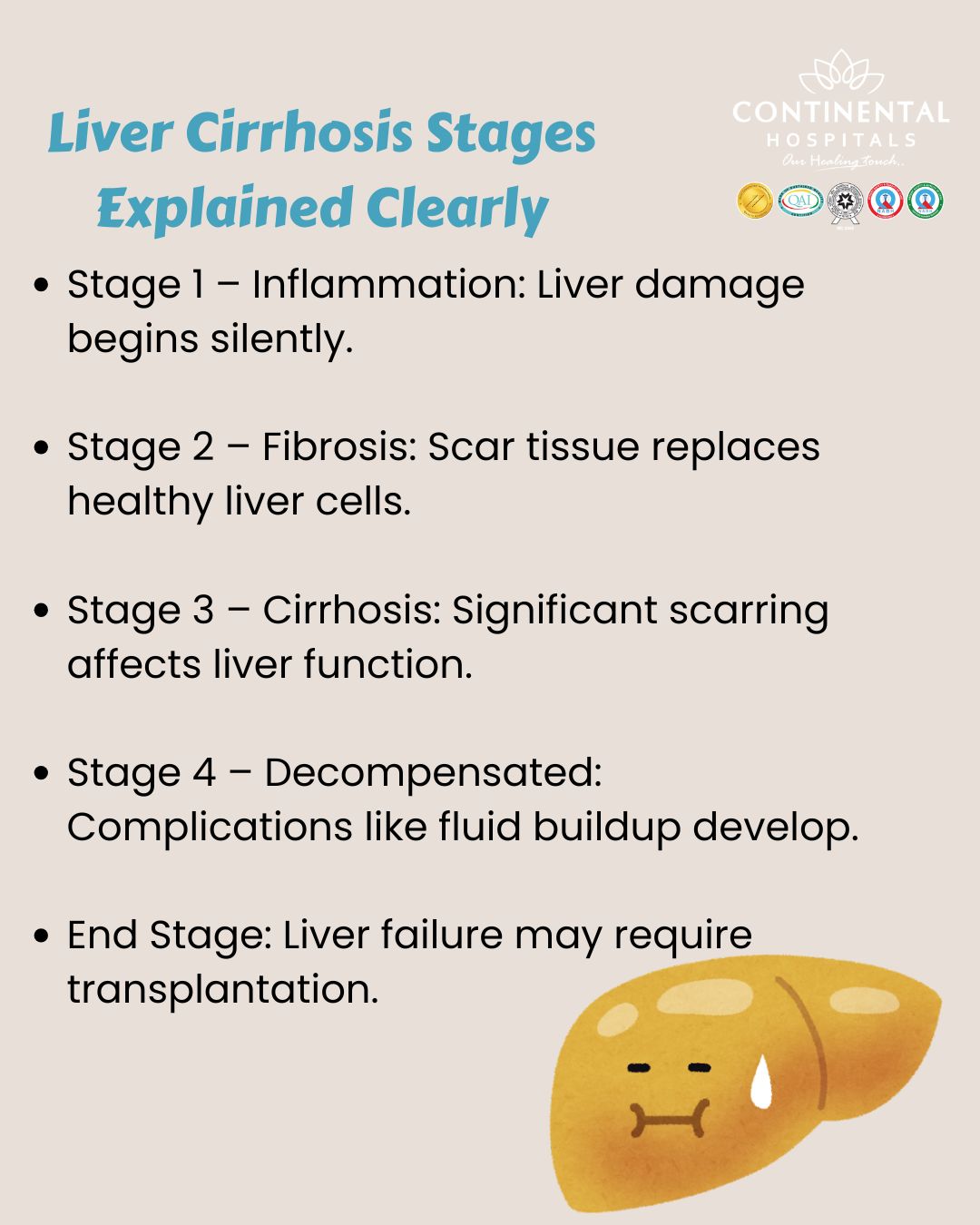
Are There Stages of Cirrhosis?
Yes, there are stages of cirrhosis. Doctors often divide the condition into different liver stage categories based on severity and symptoms.
1. Compensated Cirrhosis
In this early liver stage, the liver is damaged but still performs most of its functions. Many people may not notice symptoms.
Common signs may include:

- Mild fatigue
- Slight loss of appetite
- Mild abdominal discomfort
At this stage, early treatment can slow progression.
2. Decompensated Cirrhosis
This advanced liver stage occurs when the liver can no longer function properly.
Liver cirrhosis symptoms in this stage include:
- Yellowing of skin and eyes
- Swelling in legs and abdomen
- Easy bruising or bleeding
- Severe fatigue
- Confusion or memory problems
Immediate medical care is necessary in this stage.
Causes Cirrhosis of the Liver
Understanding the causes cirrhosis of the liver is important for prevention.
The most common causes include:
- Chronic alcohol consumption
- Hepatitis B infection
- Hepatitis C infection
- Fatty liver disease
- Long term liver inflammation
- Autoimmune liver disorders
- Uncontrolled diabetes and obesity can also increase the risk of liver damage.
If you are wondering, Can cirrhosis happen without alcohol? Yes. Many non alcoholic causes lead to liver scarring.
Liver Cirrhosis Symptoms to Watch For
In the early liver stage, symptoms may be mild. As the disease progresses, signs become more serious.
Common liver cirrhosis symptoms include:
- Persistent tiredness
- Nausea
- Weight loss
- Swelling in abdomen
- Dark urine
- Pale stools
- Itchy skin
- Loss of appetite
Advanced symptoms may include:
- Vomiting blood
- Severe abdominal swelling
- Mental confusion
- Increased infections
If you notice these warning signs, should you ignore them? No. Early diagnosis can prevent life threatening complications.
Complications of Liver Cirrhosis
If untreated, cirrhosis can lead to severe health issues. Understanding complications of liver cirrhosis helps patients seek timely care.
Major complications include:
Portal Hypertension
Increased pressure in the blood vessels supplying the liver.
Ascites
Fluid accumulation in the abdomen.
Variceal Bleeding
Enlarged veins in the food pipe that may bleed heavily.
Hepatic Encephalopathy
Toxin buildup in the brain leading to confusion and altered behavior.
Liver Cancer
Cirrhosis increases the risk of liver cancer.
These complications can be serious. Regular monitoring by a specialist is essential.
How Is Cirrhosis Diagnosed?
Doctors use several methods to diagnose liver cirrhosis:
- Blood tests
- Ultrasound scan
- CT scan
- MRI
- Liver biopsy
Early detection improves outcomes. If you have chronic liver disease, regular checkups are important.
Cirrhosis Treatments: What Are the Options?
Many patients ask, Can cirrhosis be cured? In most cases, existing scar tissue cannot be reversed. However, cirrhosis treatments can slow progression and manage symptoms.
Treatment depends on the liver stage and underlying cause.
Lifestyle Changes
- Stop alcohol completely
- Maintain healthy body weight
- Follow a liver friendly diet
- Avoid self medication
Medications
Doctors may prescribe medications to:
- Control infections
- Reduce fluid buildup
- Manage blood pressure in liver veins
- Treat hepatitis
Procedures
In severe cases, procedures may include:
- Removing excess abdominal fluid
- Treating bleeding veins
- Liver transplantation
Timely treatment reduces complications of liver cirrhosis and improves quality of life.
Can Cirrhosis Be Prevented?
Yes, prevention is possible.
You can protect your liver by:
- Getting vaccinated for hepatitis
- Avoiding alcohol abuse
- Managing diabetes
- Maintaining healthy weight
- Undergoing regular health checkups
Early screening is especially important if you have risk factors.
Why Choose Continental Hospitals for Liver Care?
When dealing with a serious condition like Cirrhosis of the Liver, choosing the right hospital makes a difference. Continental Hospitals is recognized as the Best hospital in Hyderabad, offering advanced liver care services.
Continental Hospitals is accredited by NABH and JCI, reflecting global standards of patient safety and clinical excellence. The hospital follows evidence based treatment protocols and ensures high quality medical care.
Why choose Continental Hospitals?
- Experienced Hepatologists and Gastroenterologists
- Advanced diagnostic imaging facilities
- Multidisciplinary liver care team
- Modern intensive care support
- Ethical and patient focused treatment approach
- Comprehensive liver disease management programs
The hospital combines advanced technology with compassionate care to deliver the best outcomes.
When Should You Consult a Specialist?
Do you have persistent liver cirrhosis symptoms? Do you have chronic hepatitis or fatty liver disease?
You should consult a Hepatologist or Gastroenterologist if you experience:
- Yellowing of eyes
- Swelling in abdomen
- Repeated vomiting
- Blood in vomit or stool
- Severe weakness
- Sudden weight loss
Early consultation prevents complications and supports better recovery.
Expert Care at Continental Hospitals
If you suffer from liver stage progression, chronic hepatitis, or complications of liver cirrhosis, seek expert medical advice immediately. The Hepatology and Gastroenterology team at Continental Hospitals provides advanced cirrhosis treatments tailored to your condition.
Their specialists focus on early diagnosis, personalized treatment plans, and continuous monitoring to prevent further liver damage.
Conclusion
Cirrhosis of the Liver is a serious condition, but early detection and proper management can make a significant difference. Understanding liver stage progression, liver cirrhosis symptoms, causes cirrhosis of the liver, and complications of liver cirrhosis helps patients take timely action.
Cirrhosis treatments today are advanced and effective when guided by experienced specialists. Do not ignore warning signs. Protect your liver through healthy habits and regular medical checkups.
If you suffer from symptoms of liver disease or have risk factors, consult the expert Hepatologists and Gastroenterologists at Continental Hospitals, the Best hospital in Hyderabad. Early care can save your liver and your life.
Related Blog Topics: