.webp)

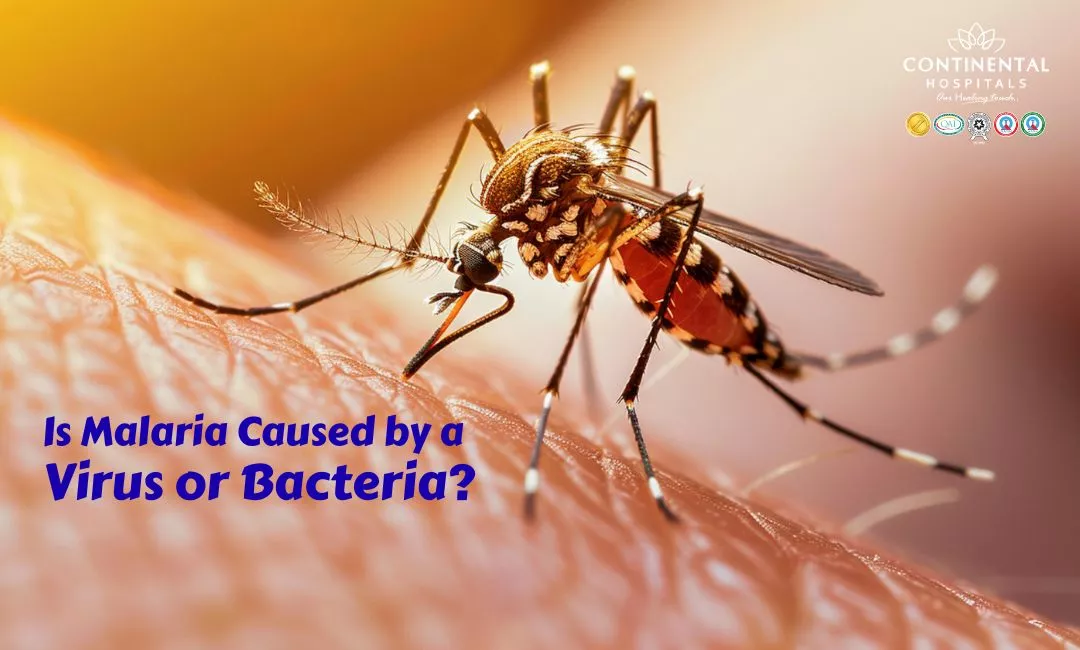
Malaria is one of the most common infectious diseases in many tropical countries, including India. Every year, thousands of people seek medical care for malaria due to high fever and related complications. A common question many patients ask is this? Is malaria caused by a virus or bacteria?
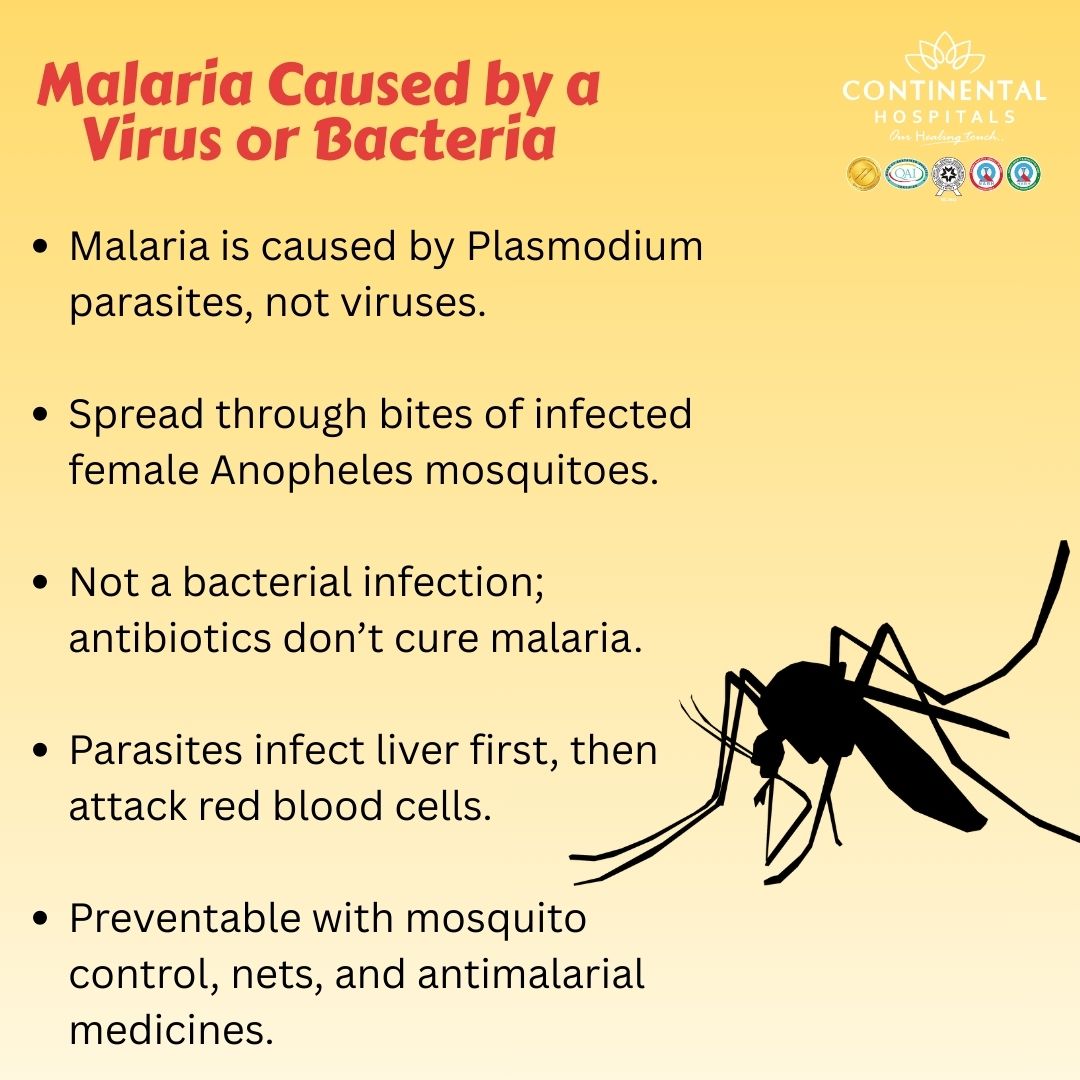
The simple answer is no. Malaria is not caused by a virus or bacteria. Malaria is caused by a parasite. Understanding what causes malaria helps you take the right steps for prevention, early diagnosis, and proper malaria treatment.
What Is Malaria?
Malaria is a serious infectious disease caused by a microscopic parasite called Plasmodium. This malaria parasite spreads to humans through the bite of an infected female Anopheles mosquito.
When the mosquito bites a person, the parasite enters the bloodstream and travels to the liver. It multiplies there and then infects red blood cells. This leads to the typical symptoms of malaria such as fever, chills, and body aches.
So if you are wondering what is malaria, it is a parasitic infection that affects the blood and can become life threatening if not treated properly.
If you or your family have malaria symptoms, don’t delay care. Visit our Internal Medicine Department at Continental Hospitals for expert diagnosis and advanced treatment.
Is Malaria a Virus or Bacteria?
Many people confuse malaria with viral infections like dengue or bacterial infections like typhoid. However, malaria is neither viral nor bacterial.
Here is the clear difference?
• A virus needs human cells to multiply and causes viral diseases
• Bacteria are single celled organisms that cause bacterial infections
• Malaria is caused by a parasite known as Plasmodium

The malaria parasite is different from viruses and bacteria in structure and behavior. Because malaria infection cause is parasitic, the treatment approach is also different. Antibiotics do not cure malaria. Antiviral drugs do not work either. Specific antimalarial medicines are required for effective malaria treatment.
What Causes Malaria?
Understanding what causes malaria helps prevent its spread.
Malaria infection cause is the Plasmodium parasite. There are different types of Plasmodium that infect humans:
• Plasmodium falciparum
• Plasmodium vivax
• Plasmodium malariae
• Plasmodium ovale
• Plasmodium knowlesi
In India, Plasmodium falciparum and Plasmodium vivax are the most common causes of malaria.
The infection spreads through:
• Bite of an infected female Anopheles mosquito
• Rarely through blood transfusion
• From mother to baby during pregnancy in some cases
Malaria does not spread through casual contact, food, or water. It is not contagious from person to person through touch.
How Does the Malaria Parasite Affect the Body?
Once the malaria parasite enters the body, it first multiplies in the liver. After that, it infects red blood cells. As the parasite grows inside the red blood cells, it destroys them.
This destruction leads to:
• High fever
• Chills and shivering
• Sweating
• Weakness
• Anemia
In severe malaria, especially with Plasmodium falciparum, complications can affect the brain, lungs, kidneys, and other organs.
This is why malaria should never be ignored. Early diagnosis and proper malaria treatment are essential to avoid serious outcomes.
Symptoms of Malaria
The symptoms of malaria usually appear within ten to fifteen days after being bitten by an infected mosquito. However, in some cases, symptoms may appear later.
Common symptoms of malaria include:
• High fever that may come and go
• Severe chills and shaking
• Profuse sweating
• Headache
• Body pain and muscle aches
• Nausea and vomiting
• Fatigue
• Enlarged spleen
Severe symptoms of malaria may include:
• Confusion
• Seizures
• Difficulty breathing
• Severe anemia
• Jaundice
If you notice repeated fever with chills, it is important to get tested for malaria immediately.
How Is Malaria Diagnosed?
Doctors diagnose malaria through blood tests. A small blood sample is examined under a microscope to detect the malaria parasite. Rapid diagnostic tests are also available for quicker detection.
Early testing helps confirm what causes malaria in a particular patient and allows doctors to start appropriate malaria treatment without delay.
At Continental Hospitals, advanced laboratory facilities ensure accurate and fast diagnosis of malaria and other infectious diseases.
Malaria Treatment
Malaria treatment depends on:
• The type of malaria parasite
• Severity of infection
• Patient’s age and health condition
• Pregnancy status
Antimalarial medicines are prescribed to kill the parasite. Most cases of uncomplicated malaria can be treated with oral medications. Severe malaria may require hospital admission and intravenous medicines.
It is very important to complete the full course of malaria treatment even if symptoms improve. Stopping medicines early can lead to recurrence or complications.
Self medication should be avoided. Always consult a qualified doctor for proper guidance.
How Can Malaria Be Prevented?
Prevention plays a key role in reducing malaria cases.
Here are important preventive steps:
• Use mosquito nets while sleeping
• Apply mosquito repellents
• Wear full sleeve clothing in mosquito prone areas
• Avoid stagnant water around homes
• Use window screens to prevent mosquito entry
Community awareness and timely medical care are also essential in controlling malaria.
Why Choose Continental Hospitals for Malaria Care?
When it comes to infectious diseases like malaria, choosing the right hospital matters.
Continental Hospitals is known as one of the best hospitals in Hyderabad, offering comprehensive care for malaria and other tropical infections.
Here is why patients trust Continental Hospitals:
• NABH accredited hospital ensuring high standards of quality and safety
• NABL accredited laboratories for accurate diagnostic testing
• Experienced internal medicine specialists and infectious disease experts
• Advanced intensive care units for managing severe malaria
• Multidisciplinary team approach for complex cases
• Strict infection control protocols
Accreditations reflect our commitment to clinical excellence, patient safety, and ethical medical practices. At Continental Hospitals, every patient receives evidence based malaria treatment tailored to their condition.
When Should You See a Doctor?
You should consult a doctor immediately if you have:
• Repeated high fever with chills
• Recent travel to malaria prone areas
• Severe weakness or confusion
• Symptoms of malaria that do not improve
Delaying medical care can increase the risk of complications. Early consultation helps confirm whether the fever is due to malaria or another infection.
Conclusion
So, is malaria a virus or bacteria? The answer is clear. Malaria is caused by a parasite, not a virus or bacteria. The malaria parasite enters the body through mosquito bites and infects red blood cells, leading to fever and other symptoms.
Understanding what is malaria, what causes malaria, and recognizing the symptoms of malaria can help you seek timely care. Proper malaria treatment can completely cure the infection when started early.
If you or your family members are experiencing symptoms of malaria, consult our best internal medicine specialists at Continental Hospitals, the best hospital in Hyderabad. Our expert team ensures accurate diagnosis, advanced treatment, and compassionate care to help you recover safely.
Related Blog Topics: