.webp)
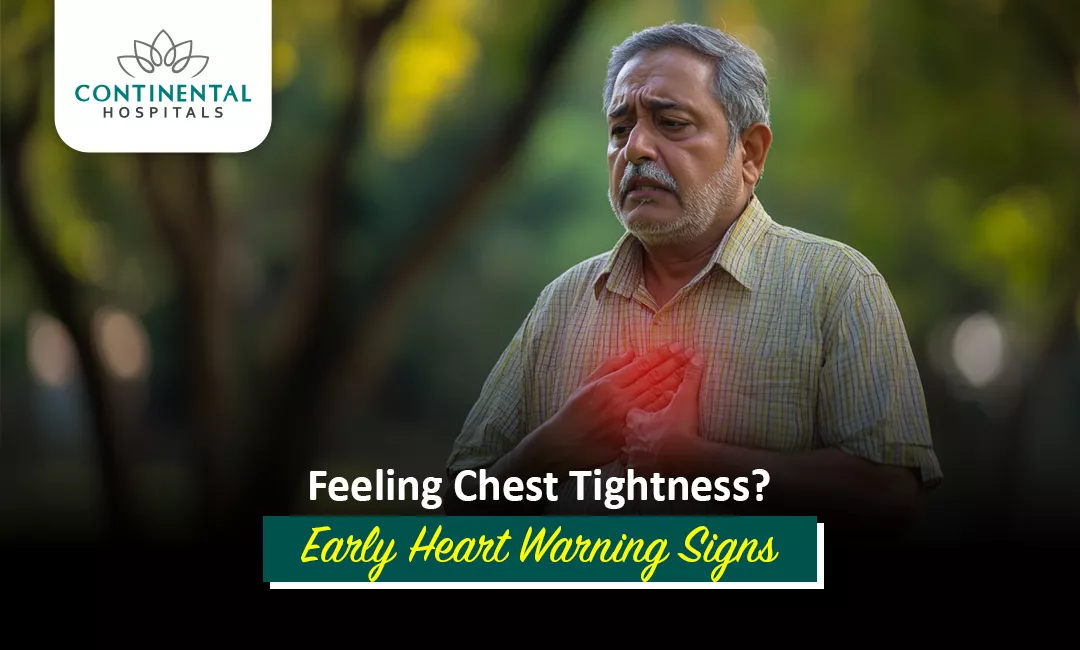
Chest tightness is one of the most common symptoms people experience, yet it is often misunderstood or ignored. While not every case is serious, Chest Tightness can sometimes be an early signal of heart-related problems. Recognizing these warning signs early can help prevent life-threatening complications and protect your heart health.
This article explains what chest tightness means, the possible causes, early heart attack warning signs, and when to seek medical care.
What Does Chest Tightness Feel Like?
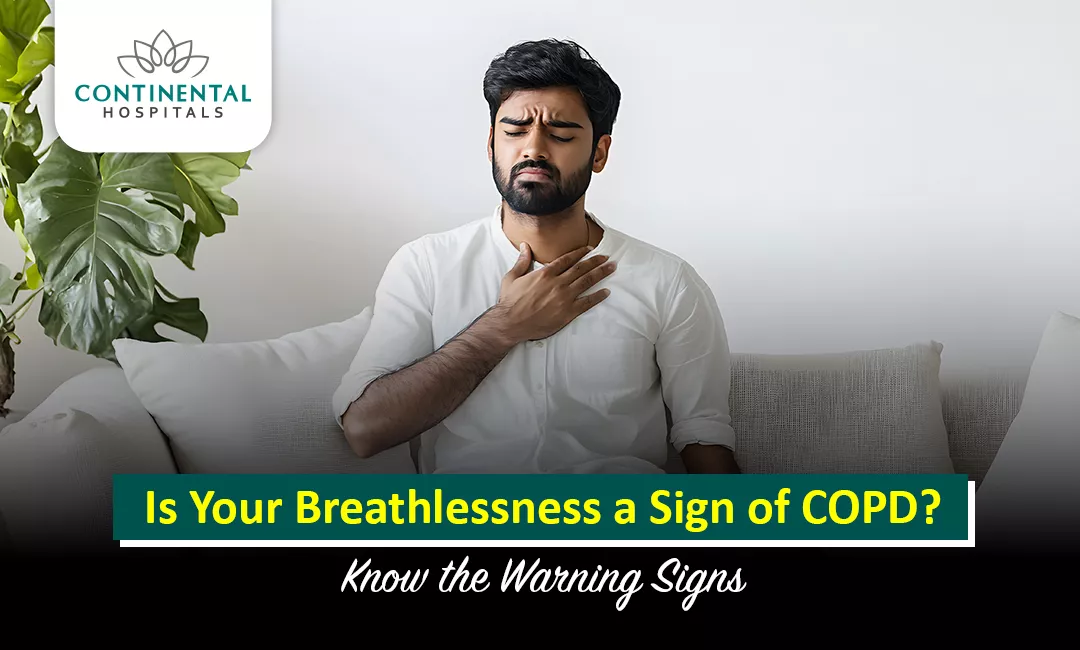
Chest tightness can feel different from person to person. Some describe it as pressure, squeezing, fullness, or a heavy weight on the chest. Others may feel a burning or sharp discomfort.
It may last for a few seconds or continue for several minutes. Sometimes it spreads to other parts of the body such as the arms, neck, jaw, or back.
Understanding these sensations is important because chest tightness is often one of the earliest symptoms of a heart attack or reduced blood flow to the heart.
Visit our Cardiology Department at Continental Hospitals, Hyderabad for expert care, early diagnosis, and advanced treatment to keep your heart healthy.
Common Causes of Chest Tightness
Not all chest tightness is related to the heart, but it should never be ignored. Below are some common causes:
- Heart-related causes
- Reduced blood flow to the heart muscles
- Blocked arteries
- Early signs of heart attack
- Angina or chest pain due to poor circulation
- Non-heart-related causes
- Acid reflux or digestive issues
- Muscle strain or injury
- Anxiety or stress
- Lung infections or breathing problems
Even though some causes are mild, it is always important to rule out serious heart conditions when chest tightness occurs.

Early Warning Signs of Heart Attack
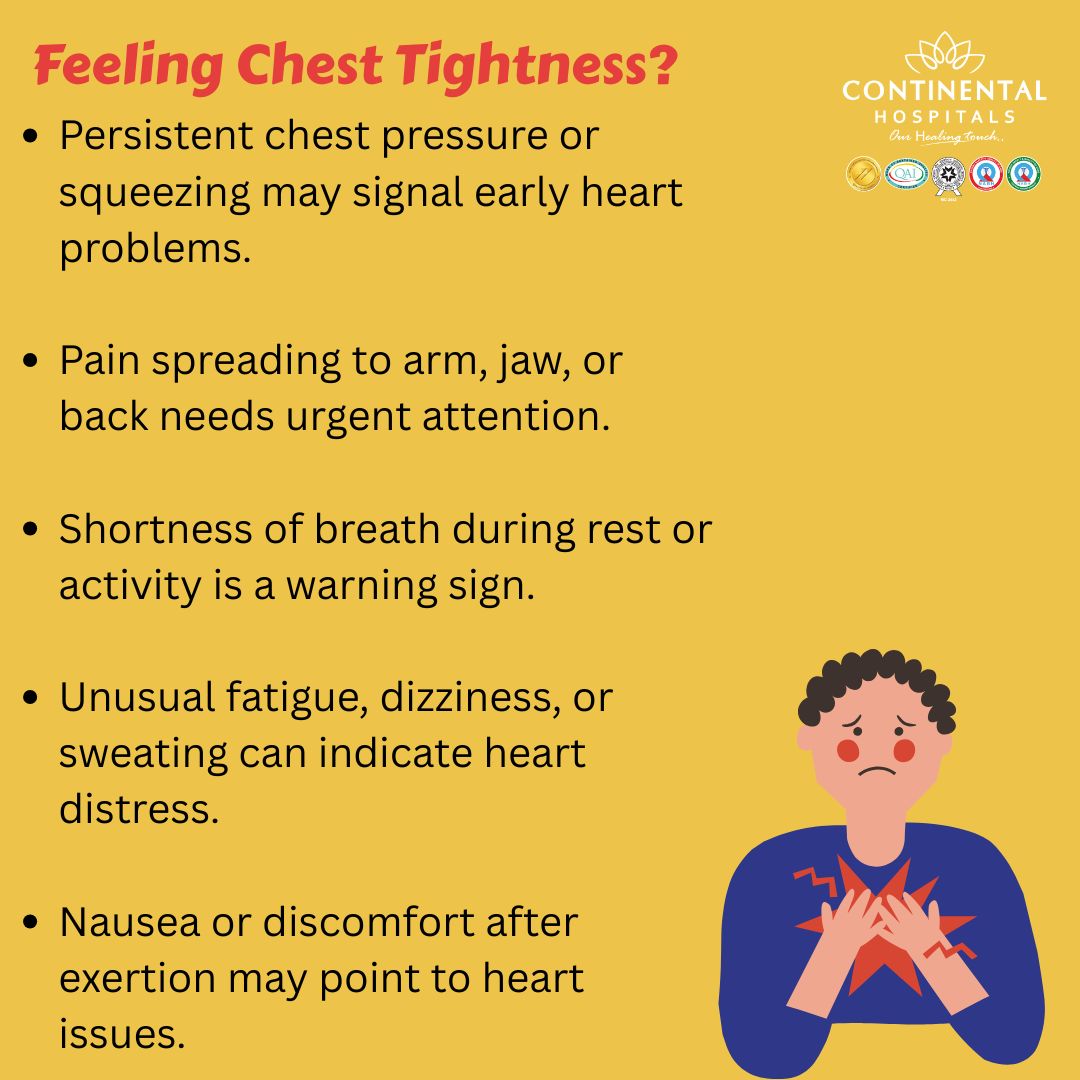
Chest tightness is one of the most important early warning signs of a heart attack. However, it rarely occurs alone. Watch for these symptoms of heart attack:
Key heart attack warning signs
- Persistent Chest Tightness or chest pain
- Pain spreading to the arm, shoulder, neck, jaw, or back
- Shortness of breath
- Cold sweating
- Nausea or vomiting
- Sudden fatigue or weakness
- Dizziness or lightheadedness
These heart attack symptoms may appear suddenly or develop gradually. Ignoring them can increase the risk of severe damage to the heart.
How Chest Tightness Differs from Normal Chest Pain
- Many people confuse chest tightness with general chest pain. While both can feel uncomfortable, there are key differences.
- Chest tightness related to heart problems often feels like pressure or squeezing and may worsen with activity. It may also come with other symptoms of heart attack.
- On the other hand, non-cardiac chest pain may feel sharp or localized and may improve with rest or medication.
- If you are unsure, it is always safer to seek medical evaluation.
Who Is at Risk?
Anyone can experience chest tightness, but certain factors increase the risk of heart-related issues:
- High blood pressure
- Diabetes
- High cholesterol
- Smoking
- Obesity
- Family history of heart disease
- Sedentary lifestyle
People with these risk factors should be especially cautious when experiencing Chest Tightness or other heart attack signs.
When Should You Seek Medical Help?
Chest tightness should never be ignored, especially if it is new, severe, or recurring.
Seek immediate medical attention if you notice:
- Chest Tightness lasting more than a few minutes
- Chest pain along with sweating or breathlessness
- Symptoms spreading to arms or jaw
- Repeated episodes of discomfort
- Sudden weakness or fainting
Quick action can save your life. Early treatment reduces the risk of complications and improves recovery outcomes.
Diagnosis and Tests
Doctors use several methods to evaluate chest tightness and identify heart problems.
Common diagnostic tests include:
- Electrocardiogram to check heart rhythm
- Blood tests to detect heart damage
- Echocardiogram to assess heart function
- Stress test to evaluate heart performance under activity
- Imaging tests to detect blockages
These tests help confirm whether chest tightness is linked to heart attack or other conditions.
How to Protect Your Heart Health
Preventing heart problems starts with simple lifestyle changes. Managing your heart health can reduce the chances of experiencing Chest Tightness and serious complications.
Tips for better heart health
- Eat a balanced diet rich in fruits and vegetables
- Exercise regularly
- Avoid smoking and limit alcohol
- Manage stress effectively
- Maintain healthy weight
- Monitor blood pressure and sugar levels
Regular health check-ups also play a key role in early detection of heart attack warning signs.
Why Choose Continental Hospitals?
Continental Hospitals is recognized as one of the best hospitals in Hyderabad for advanced cardiac care.
Key highlights
- Accredited by national and international healthcare organizations
- Highly experienced cardiologists and cardiac specialists
- Advanced diagnostic and treatment technology
- Comprehensive heart care services under one roof
- Focus on patient safety and quality care
The hospital follows strict clinical protocols and global standards to ensure accurate diagnosis and effective treatment of heart conditions.
Conclusion
Chest tightness is not a symptom you should ignore. While it may sometimes be harmless, it can also signal serious heart conditions such as heart attack or reduced blood flow to the heart. Recognizing early warning signs of heart attack and acting quickly can make a significant difference in outcomes.
Prioritize your heart health, stay aware of symptoms of heart attack, and seek medical help whenever needed.
If you are experiencing chest tightness or noticing any heart attack warning signs, do not delay seeking care.
Consult our best cardiologist in Hyderabad at Continental Hospitals for timely diagnosis and advanced treatment. Early evaluation can help prevent complications and protect your heart for the long term.
Related Blog Topics: