.webp)

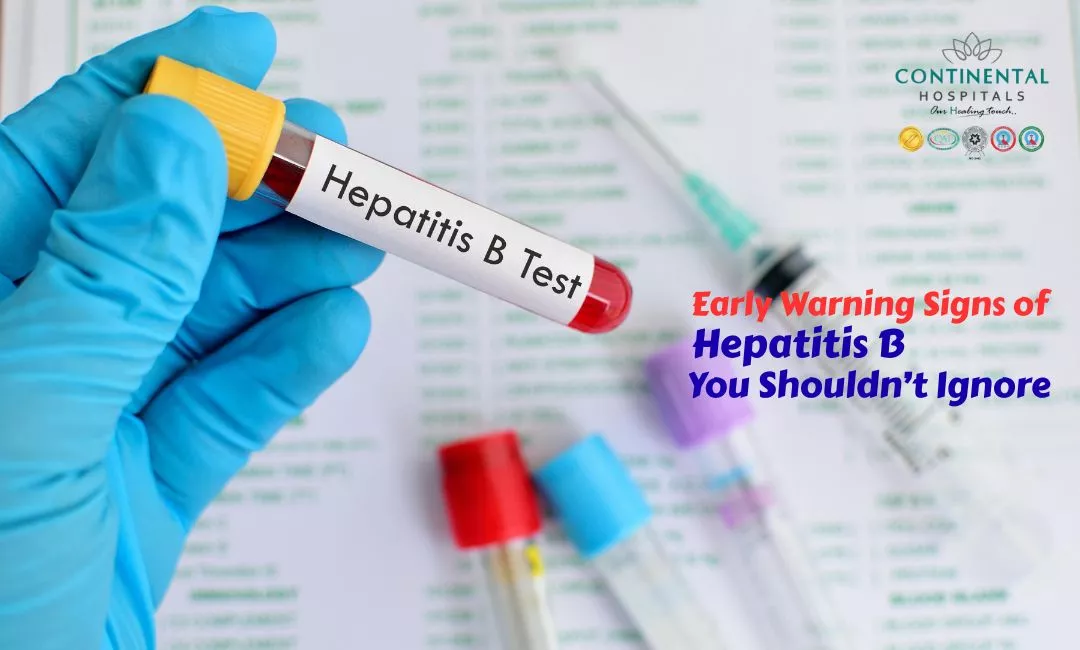
Hepatitis B is a serious liver infection caused by the hepatitis B virus. Many people do not notice symptoms in the early stages, which makes hepatitis B dangerous if left untreated. The infection can quietly damage the liver for months or even years before clear signs appear. Recognizing the early signs of hepatitis B can help prevent long term liver problems such as cirrhosis and liver cancer.
What Is Hepatitis B?
Hepatitis B is a viral infection that affects the liver. It spreads through contact with infected blood, unprotected sexual contact, sharing needles, or from mother to baby during childbirth. Viral hepatitis B can be acute or chronic.
Acute hepatitis B is a short term infection that may resolve on its own. Chronic hepatitis B lasts longer than six months and can lead to serious liver complications if not treated properly.
Understanding hepatitis B symptoms early can protect your liver and overall health.
Visit our Gastroenterology Department at Continental Hospitals, Hyderabad, for expert hepatitis B care. Early diagnosis and treatment can protect your liver and save your life.
Why Early Detection Matters?
Many people ask, why is it important to detect hepatitis B early?
The answer is simple. The liver performs hundreds of essential functions such as filtering toxins, producing proteins, and supporting digestion. When hepatitis B damages the liver silently, the condition may only be diagnosed after significant harm has occurred.
Early diagnosis allows doctors to monitor liver health, control the virus, and prevent complications.

Early Signs of Hepatitis B You Should Watch For
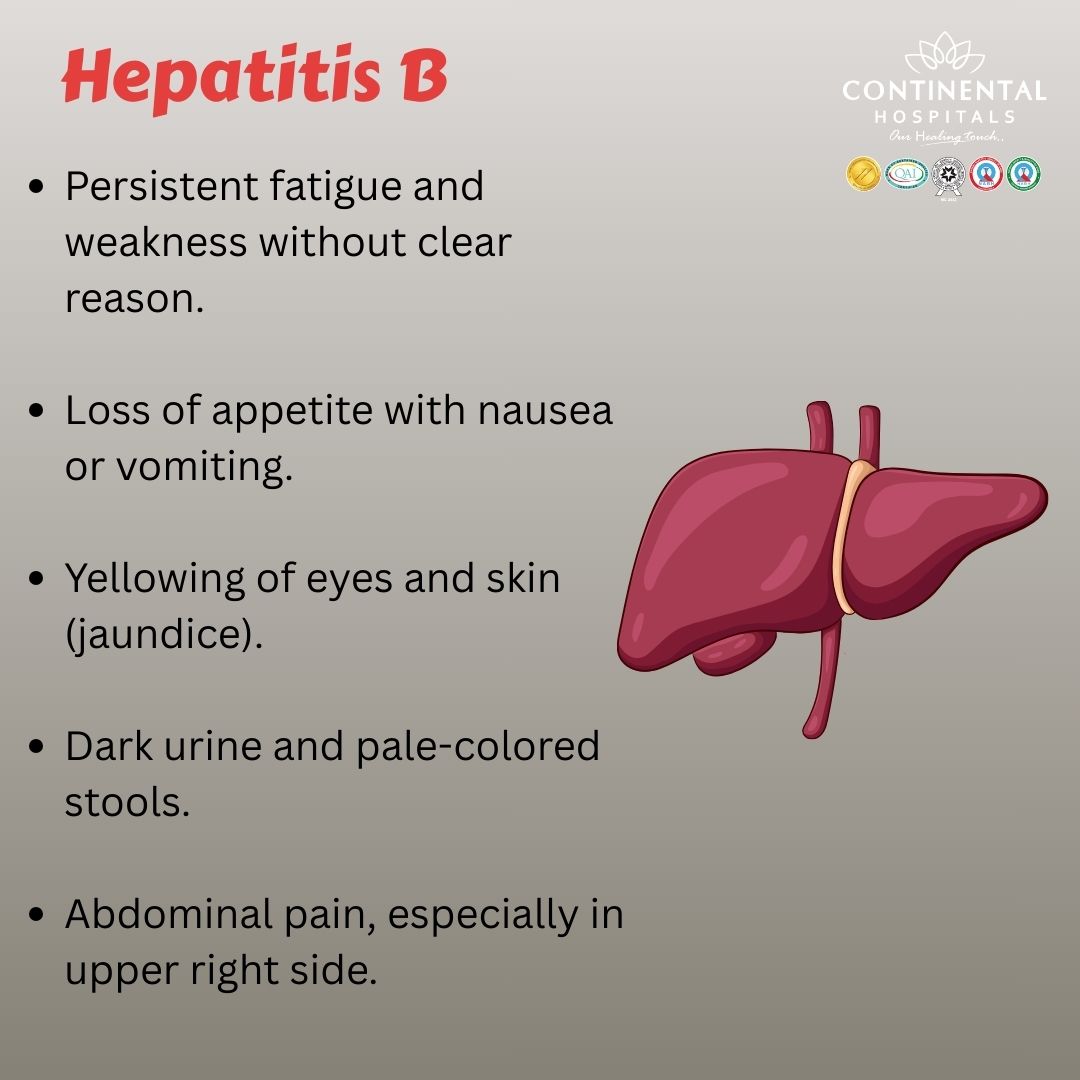
The early signs of hepatitis B are often mild and may feel like common viral illness symptoms. However, ignoring these warning signs of hepatitis B can lead to serious problems later.
Here are the most common early signs of hepatitis B.
1. Unusual Fatigue
Feeling constantly tired without a clear reason is one of the early signs of hepatitis B. This fatigue does not improve with rest. The liver plays a key role in energy production, and when hepatitis B affects liver function, the body feels drained.
If you experience ongoing weakness along with other symptoms, consult a doctor.
2. Loss of Appetite
A sudden decrease in appetite can signal hepatitis B symptoms. You may feel full quickly or avoid meals altogether. Nausea may also accompany this symptom.
Loss of appetite combined with fatigue and digestive discomfort should not be ignored.
3. Nausea and Vomiting
Many patients with hepatitis B report nausea in the early stages. Some may also experience vomiting. These symptoms are often mistaken for food poisoning or a minor stomach infection.
Persistent nausea without a clear cause may indicate viral hepatitis B.
4. Mild Fever
Low grade fever is another warning sign of hepatitis B. It usually appears during the early infection phase as the immune system responds to the virus.
If fever is accompanied by body aches and fatigue, medical evaluation is important.
5. Abdominal Discomfort
Pain or discomfort in the upper right side of the abdomen may indicate liver inflammation. This is where the liver is located.
Some people describe it as a dull ache or heaviness. If abdominal pain continues for several days, it may be one of the early signs of hepatitis B.
6. Dark Urine
Dark colored urine is a significant warning sign of hepatitis B. It may appear brown or tea colored. This happens when bilirubin builds up in the blood due to liver dysfunction.
If you notice dark urine without dehydration, consult a healthcare provider immediately.
7. Pale Stools
Changes in stool color can signal liver problems. Pale or clay colored stools may occur when bile flow from the liver is affected by hepatitis B.
This symptom should never be ignored.
8. Yellowing of Skin and Eyes
Jaundice is one of the most recognized hepatitis B symptoms. It causes yellowing of the skin and the whites of the eyes.
Jaundice indicates that the liver is not processing bilirubin properly. When you see this symptom, immediate medical care is necessary.
9. Joint Pain
Some individuals experience joint pain during early hepatitis B infection. This may feel similar to arthritis and can affect daily activities.
Joint pain along with fatigue and fever may point to viral hepatitis B.
Who Is at Risk of Hepatitis B?
Certain groups have a higher risk of developing hepatitis B.
- People with multiple sexual partners
- Healthcare workers exposed to blood
- Individuals who share needles
- Babies born to infected mothers
- People living with someone who has hepatitis B
- Those who travel to areas with high infection rates
If you fall into any of these categories, regular screening is important.
When Should You See a Doctor?
You may wonder, should I see a doctor if symptoms are mild?
Yes. Even mild hepatitis B symptoms should not be ignored. Early testing includes simple blood tests that check for hepatitis B infection and liver function.
If you suspect exposure to hepatitis B, immediate medical consultation can reduce the risk of chronic infection.
How Is Hepatitis B Diagnosed?
Doctors diagnose hepatitis B through:
- Blood tests to detect hepatitis B virus
- Liver function tests
- Ultrasound imaging of the liver
- Fibroscan to assess liver stiffness
- In some cases, liver biopsy
Early detection helps determine whether the infection is acute or chronic and guides treatment decisions.
Treatment and Management of Hepatitis B
Treatment depends on the stage of hepatitis B.
Acute hepatitis B may only require monitoring, rest, hydration, and supportive care.
Chronic hepatitis B may need antiviral medications to reduce viral load and prevent liver damage. Regular follow up is essential to monitor liver health.
Vaccination is also available to prevent hepatitis B. It is safe and highly effective.
Prevention Tips for Hepatitis B
Prevention is always better than treatment. Here are simple ways to reduce the risk of hepatitis B.
- Get vaccinated
- Avoid sharing needles or personal items
- Practice safe sex
- Ensure safe blood transfusions
- Use sterile medical equipment
- Screen pregnant women for hepatitis B
Vaccination remains the most powerful protection against viral hepatitis B.
Why Choose Continental Hospitals for Hepatitis B Care?
Continental Hospitals is recognized as the best hospital in Hyderabad for comprehensive liver care. Our gastroenterology and hepatology department provides advanced diagnosis and personalized treatment plans for hepatitis B.
Our strengths include:
- Internationally trained liver specialists
- State of the art diagnostic technology
- Advanced liver imaging and Fibroscan
- Multidisciplinary team approach
- Strict infection control protocols
- National and international accreditations
- Patient centered care and ethical practices
Continental Hospitals holds prestigious accreditations such as NABH and NABL, reflecting our commitment to global healthcare standards, safety, and clinical excellence.
Our team ensures early detection, continuous monitoring, and long term management of hepatitis B to prevent complications.
Conclusion
Hepatitis B is a silent but serious liver infection. Many early signs of hepatitis B may seem mild, but they can signal underlying liver damage. Fatigue, nausea, abdominal discomfort, dark urine, and jaundice are warning signs of hepatitis B that require medical attention.
Early diagnosis can prevent serious complications such as cirrhosis and liver cancer. If you notice hepatitis B symptoms or suspect exposure to the virus, do not delay medical consultation.
Consult our best gastroenterologists at Continental Hospitals, the best hospital in Hyderabad, for comprehensive evaluation and advanced hepatitis B treatment. Your liver health matters. Early action can save your life.
Related Blog Topics: