.webp)

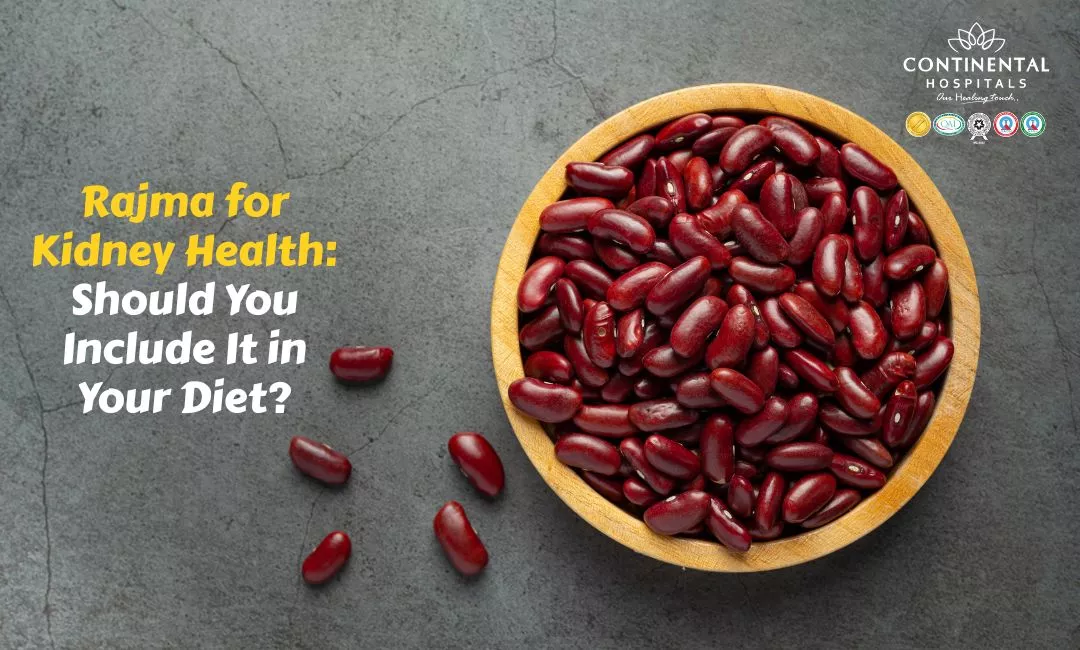
Rajma, commonly known as kidney beans, is a staple in many Indian households. Loved for its rich taste and versatility, rajma is not only filling but also packed with nutrients. But for people concerned about kidney health, the question often arises: is rajma safe for the kidneys? Can rajma be included in the diet for kidney patients? Let’s explore the benefits, risks, and the right way to include rajma in your daily meals.
What Is Rajma and Why Is It Popular?
Rajma is a type of legume that belongs to the bean family. It is an excellent source of protein, fiber, vitamins, and minerals. In Indian cuisine, rajma is often cooked in spicy gravies or served with rice, making it a hearty and satisfying meal.
Some of the essential nutrients in rajma include:
- Protein which helps in muscle repair and growth
- Dietary fiber for smooth digestion
- Iron for healthy blood
- Magnesium and potassium which support overall body functions
Due to its high nutrient content, rajma is considered a healthy food option for most people. However, when it comes to kidney health, moderation and proper preparation are key.
Consult top nephrologists at Continental Hospitals for personalized kidney care, diet advice, and long-term kidney health. Visit our Nephrology Dept.
Rajma and Kidney Health
The kidneys play a crucial role in filtering waste and excess substances from the blood. For people with kidney conditions, consuming foods high in protein or potassium can sometimes put extra strain on the kidneys. This is why rajma for kidney health needs to be considered carefully.
Rajma contains:
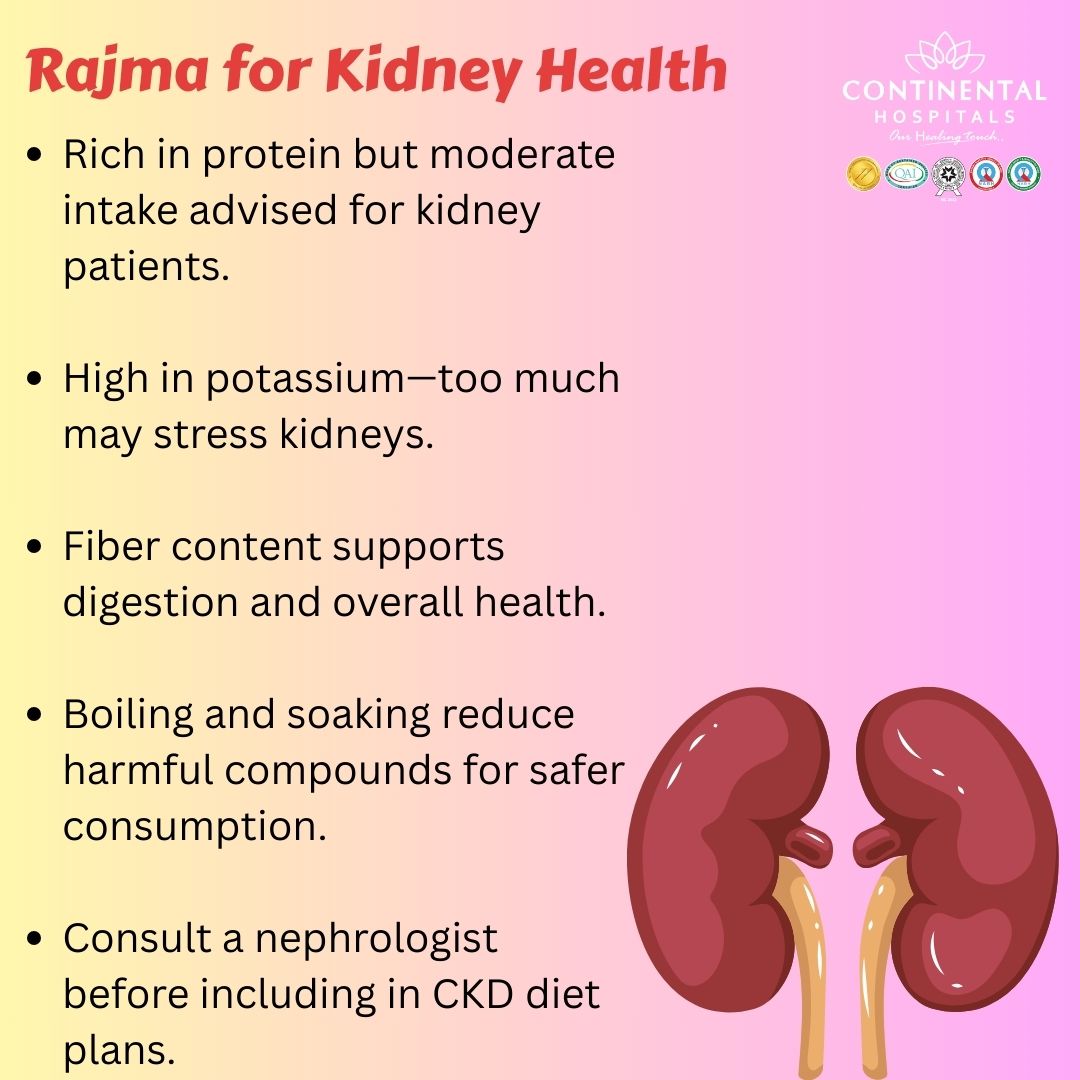
- Protein which is beneficial but should be balanced in kidney patients
- Potassium which supports nerve and muscle function but may need restriction for advanced kidney disease
- Phosphorus which is necessary for bone health but can accumulate in people with reduced kidney function
This means that for healthy individuals, rajma is excellent for maintaining kidney function. But for patients with chronic kidney disease (CKD), a careful diet plan is essential to prevent complications.

Benefits of Rajma for Kidneys
When included in a controlled and balanced diet, rajma offers several benefits for kidneys:
Rich in Plant-Based Protein
Rajma provides protein without the saturated fat found in animal sources. Plant-based protein is easier on the kidneys while still meeting daily protein requirements.
Supports Digestive Health
High fiber content in rajma helps in digestion and reduces the risk of constipation, which indirectly supports kidney function.
Helps Maintain Blood Sugar Levels
Rajma has a low glycemic index, which helps regulate blood sugar. Since diabetes is a common cause of kidney disease, rajma can play a role in kidney protection.
Provides Essential Minerals
Magnesium and iron in rajma are important for overall health, including kidney function.
Considerations for Kidney Patients
If you have kidney problems, including rajma in your diet requires attention to portion size and preparation methods. Here are some practical tips:
Soak Rajma Properly
Soaking beans overnight and discarding the soaking water helps reduce potassium and phosphorus content.
Cook Thoroughly
Boiling rajma until soft ensures easier digestion and lowers anti-nutrients that may affect absorption.
Monitor Portion Size
Kidney patients should consult a dietitian to determine the safe amount of rajma per meal. Small servings combined with other low-potassium foods are ideal.
Avoid Excess Salt
Using too much salt or ready-made spice mixes can increase sodium intake, which may affect kidney health.
Rajma Diet for Kidney Patients
A kidney-friendly rajma diet focuses on moderation and balance. Here is a simple guideline:
- Use a small portion of soaked and boiled rajma
- Combine rajma with rice or low-potassium vegetables
- Limit high-potassium or high-phosphorus ingredients in the gravy
- Consult a nephrologist or renal dietitian for personalized advice
Including rajma in this way ensures you get its nutritional benefits without overloading the kidneys.
How Continental Hospitals Supports Kidney Health
At Continental Hospitals, we understand the importance of a tailored diet for kidney patients. Our hospital is accredited and recognized for providing comprehensive kidney care, from routine checkups to advanced treatments. Here’s why patients choose us:
- Expert Nephrologists and dietitians for customized kidney care plans
- Advanced Diagnostic Facilities to monitor kidney function accurately
- Personalized Diet Plans including safe and nutritious foods like rajma
- State-of-the-Art Dialysis Units for patients with advanced kidney disease
- Patient-Centered Care with focus on long-term kidney health
Our team ensures that every patient receives treatment and dietary guidance based on the latest medical standards and research.
Quick Tips on Including Rajma Safely
- Rinse canned or boiled rajma thoroughly to remove excess sodium
- Avoid adding too much ghee or oil while cooking
- Pair rajma with fresh vegetables for a balanced meal
- Eat smaller portions to prevent excess protein load on kidneys
- Stay hydrated but follow fluid restrictions if advised by your doctor
Conclusion
Rajma can be a healthy addition to your diet if consumed correctly. For people with normal kidney function, it provides essential nutrients, supports digestion, and maintains overall health. Kidney patients can also enjoy rajma with proper preparation, moderation, and guidance from a nephrologist or dietitian.
If you are concerned about kidney health or want to know whether rajma is suitable for your diet, consult our best nephrologists at Continental Hospitals. Our team provides personalized advice, treatment, and dietary guidance to help protect your kidneys and maintain long-term health.
Your kidneys deserve the best care. Consult the kidney specialists at Continental Hospitals today for safe and advanced kidney health management.
Related Blog Topics: