.webp)


Heart disease is one of the most common health concerns across the world. Many people are now exploring natural ingredients that may support heart health. One ingredient that often appears in traditional remedies and home kitchens is the bay leaf. Known for its aroma and flavor in cooking, this simple herb has also been associated with several health benefits.
But can bay leaf actually reduce heart attack risk? Is there any scientific basis behind this belief? Let us explore the potential connection between bay leaves, heart health, and overall wellbeing.
What is a Bay Leaf?
A bay leaf comes from the bay laurel plant, scientifically known as Laurus nobilis. It has been used for centuries in cooking and traditional medicine. The leaf is commonly added to soups, curries, rice dishes, and stews to enhance flavor.
Beyond its culinary use, many cultures have valued bay leaf benefits for digestion, blood sugar balance, and inflammation control. Researchers are now studying whether these properties may also support cardiovascular health.
Nutrients Present in Bay Leaves
Although used in small quantities, bay leaves contain several beneficial compounds that may support the body.
Important nutrients found in a bay leaf include
• Antioxidants that help reduce cell damage
• Polyphenols that support heart and metabolic health
• Vitamin A that supports immunity
• Vitamin C that helps reduce inflammation
• Minerals such as potassium, calcium, and magnesium
These nutrients contribute to the overall bay leaf health benefits that have made this herb popular in traditional wellness practices.

How Bay Leaf May Support Heart Health
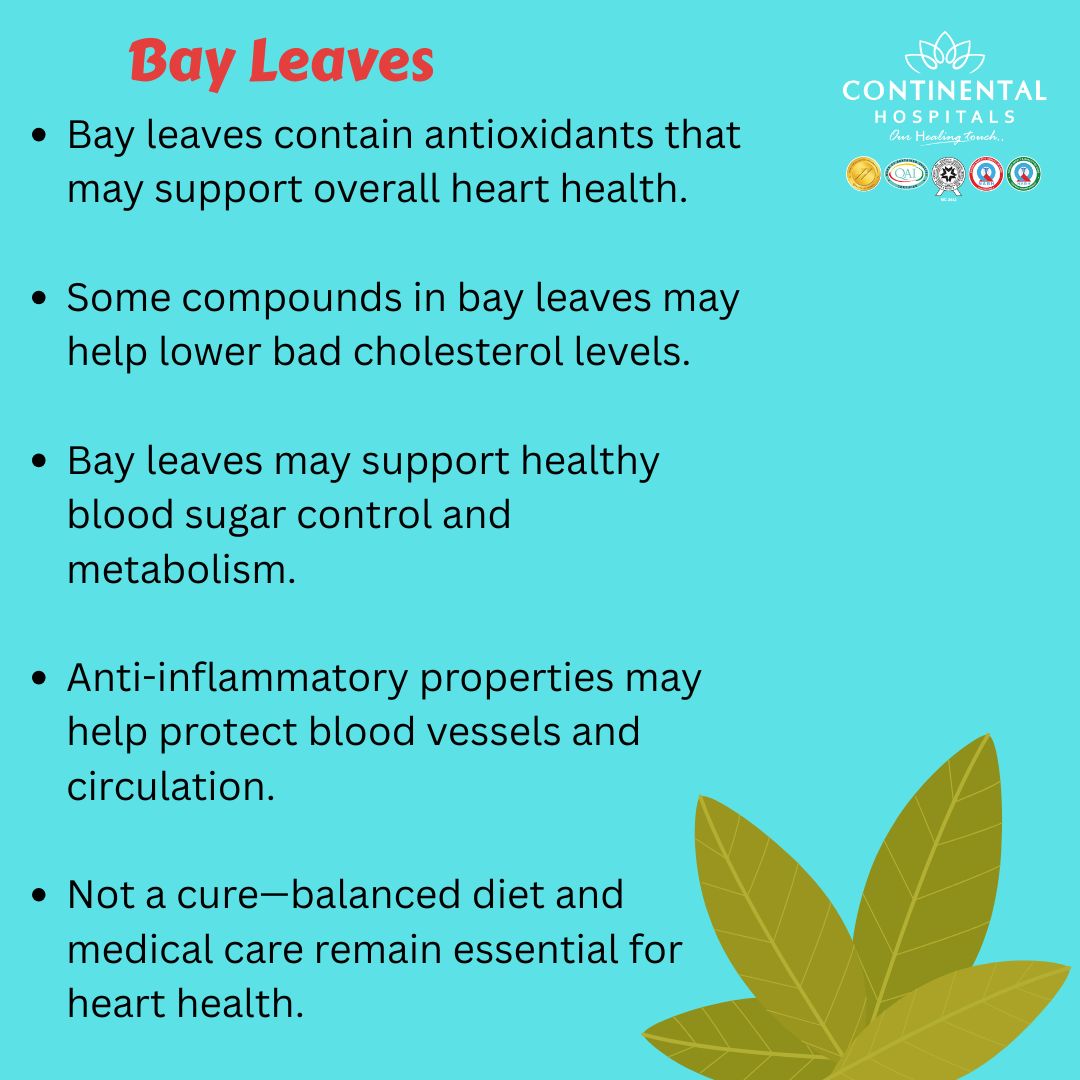
While bay leaf alone cannot prevent heart disease, some of its compounds may support heart function when combined with a healthy lifestyle. Researchers have studied how bay leaves for heart health may help in several ways.
Antioxidant Protection
Oxidative stress is one of the factors linked to cardiovascular disease. Antioxidants help neutralize harmful molecules in the body.
A bay leaf contains powerful antioxidants that may protect blood vessels from damage. This protective effect may support long term heart health.
Cholesterol Management
High cholesterol is a major contributor to heart attacks. Some studies suggest that compounds found in bay leaves may help improve lipid levels in the blood.
These compounds may help
• Reduce harmful LDL cholesterol
• Support healthy HDL cholesterol
• Improve overall lipid balance
Better cholesterol balance may indirectly lower bay leaves heart attack risk factors.
Blood Sugar Control
Uncontrolled diabetes significantly increases the risk of heart disease. Some research suggests that bay leaf benefits may include better blood sugar regulation.
Certain plant compounds in bay leaves may help the body respond better to insulin. Stable blood sugar levels can help reduce long term cardiovascular complications.
Anti Inflammatory Properties
Chronic inflammation plays a role in the development of heart disease. Natural anti inflammatory compounds present in a bay leaf may help calm inflammatory responses in the body.
Lower inflammation may contribute to better cardiovascular health over time.
Bay Leaves and Heart Disease
Many herbal traditions associate bay leaves and heart disease prevention with improved circulation and digestion. While these traditional beliefs are interesting, it is important to understand the scientific perspective.
Current research shows that bay leaf health benefits may support factors related to heart health such as cholesterol, inflammation, and blood sugar control. However, no study confirms that bay leaf alone can directly prevent a heart attack.
Heart disease is influenced by many factors including
• Diet
• Exercise habits
• Stress levels
• Smoking
• Blood pressure
• Family history
This means that bay leaves for heart health should be seen as a supportive dietary addition rather than a cure.
Simple Ways to Use Bay Leaf in Your Diet
Including bay leaf in daily meals is simple and safe when used in moderate amounts. The herb adds both flavor and potential health benefits.
Common ways to use bay leaves include
• Adding a bay leaf to soups and broths while cooking
• Using bay leaves in rice dishes and biryani
• Adding bay leaf to lentils and vegetable curries
• Preparing herbal tea with a boiled bay leaf
• Using dried bay leaves while cooking stews
Remember that bay leaves are typically removed before serving because they remain tough even after cooking.
Additional Bay Leaf Benefits
Apart from potential heart support, bay leaf benefits extend to several other aspects of health.
Digestive Support
A bay leaf has traditionally been used to improve digestion. It may help reduce bloating and support smoother digestion after meals.
Immune Support
The vitamins and antioxidants present in bay leaves may support immune function and help the body respond better to infections.
Stress Relief
Some herbal traditions use bay leaf tea to promote relaxation. Reduced stress levels can indirectly support heart health.
Metabolic Support
The compounds in bay leaf may help regulate metabolism and blood sugar levels, which are important factors in preventing cardiovascular disease.
Important Precautions
While bay leaf health benefits are promising, it is important to use the herb responsibly.
Consider the following precautions
• Always remove whole bay leaves before eating food
• Do not consume large quantities of bay leaf powder
• People with medical conditions should consult a doctor before using herbal remedies
• Herbal remedies should not replace prescribed heart medications
Maintaining heart health requires medical guidance, especially for individuals already diagnosed with cardiovascular conditions.
Heart Attack Warning Signs You Should Not Ignore
Even if you include healthy foods like bay leaf in your diet, recognizing the warning signs of a heart attack is critical.
Common symptoms include
• Chest pain or pressure
• Shortness of breath
• Pain spreading to the arm, jaw, or back
• Sudden dizziness or fatigue
• Cold sweating or nausea
If these symptoms appear, immediate medical attention is essential.
Why Choose Continental Hospitals?
When it comes to heart health, choosing the right hospital is crucial. Continental Hospitals, widely recognized as one of the best hospitals in Hyderabad, provides advanced care for cardiovascular conditions.
Key strengths include
• Internationally recognized accreditations including JCI and NABH
• Highly experienced cardiologists and internal medicine specialists
• Advanced diagnostic technology for early detection of heart disease
• Comprehensive cardiac care from prevention to rehabilitation
• Patient focused care with evidence based treatment approaches
These standards ensure safe, reliable, and world class healthcare for patients.
When Should You Consult a Doctor?
Lifestyle changes and healthy foods such as bay leaves can support heart health, but medical guidance remains essential if you experience symptoms or risk factors.
Consult a doctor if you have
• High blood pressure
• Diabetes
• High cholesterol
• Family history of heart disease
• Frequent chest discomfort or breathlessness
Early evaluation can prevent serious complications and protect long term heart health.
Conclusion
The bay leaf is a simple herb with several nutritional compounds that may support overall wellness. Research suggests that bay leaf benefits may include antioxidant protection, improved cholesterol balance, and better blood sugar regulation. These factors can indirectly contribute to heart health.
However, it is important to understand that bay leaves and heart disease prevention should not be viewed as a standalone solution. A balanced diet, regular physical activity, stress management, and medical checkups play a far more important role in reducing bay leaves heart attack risk factors.
If you are experiencing symptoms related to heart health or have risk factors such as high blood pressure or cholesterol, consult our best cardiologist in Hyderabad, experts at Continental Hospitals, the best hospital in Hyderabad. Their expert team provides accurate diagnosis, preventive care, and advanced treatment to help protect your heart and overall health.
Related Blog Topics: