.webp)

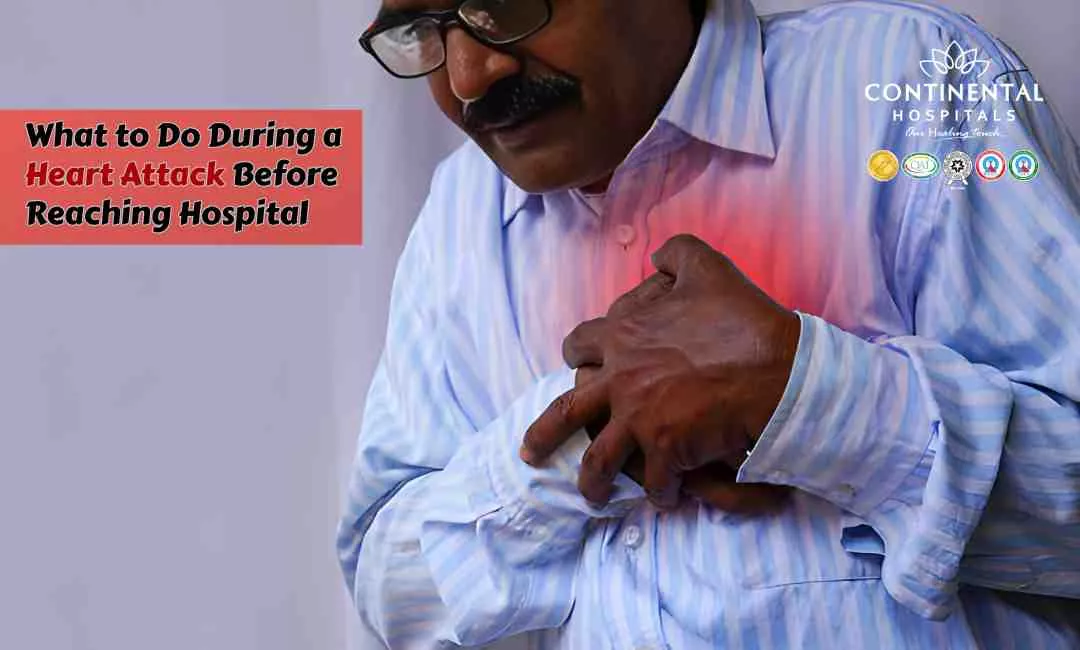
A heart attack is a life threatening emergency that needs immediate action. Many people lose valuable time because they are unsure whether the symptoms are serious or what to do next. Knowing the right steps to take before reaching the hospital can save a life, including your own or someone close to you. This guide explains, in clear and simple language, what to do during a heart attack until medical help is reached.
Understanding a Heart Attack
A heart attack happens when blood flow to the heart muscle is suddenly blocked. This usually occurs due to a clot forming in a coronary artery. Without oxygen rich blood, the heart muscle starts getting damaged within minutes.
Early action reduces heart damage and improves survival. That is why what you do before reaching the hospital matters just as much as hospital treatment.
Common Warning Signs You Should Never Ignore
Heart attack symptoms can vary from person to person. Some are obvious, while others are subtle. Knowing them helps you act without delay.
Typical symptoms include
- Chest pain, pressure, heaviness, or tightness
- Pain spreading to the left arm, shoulder, neck, jaw, or back
- Shortness of breath
- Cold sweats
- Nausea or vomiting
- Dizziness or sudden weakness
- Less common symptoms
- Mild chest discomfort that comes and goes
- Upper abdominal pain or indigestion like sensation
- Unusual fatigue
- Anxiety or restlessness
If these symptoms last more than a few minutes or keep returning, treat it as an emergency. Ask yourself, could this be a heart attack? If the answer might be yes, act immediately.
What to Do Immediately During a Heart Attack
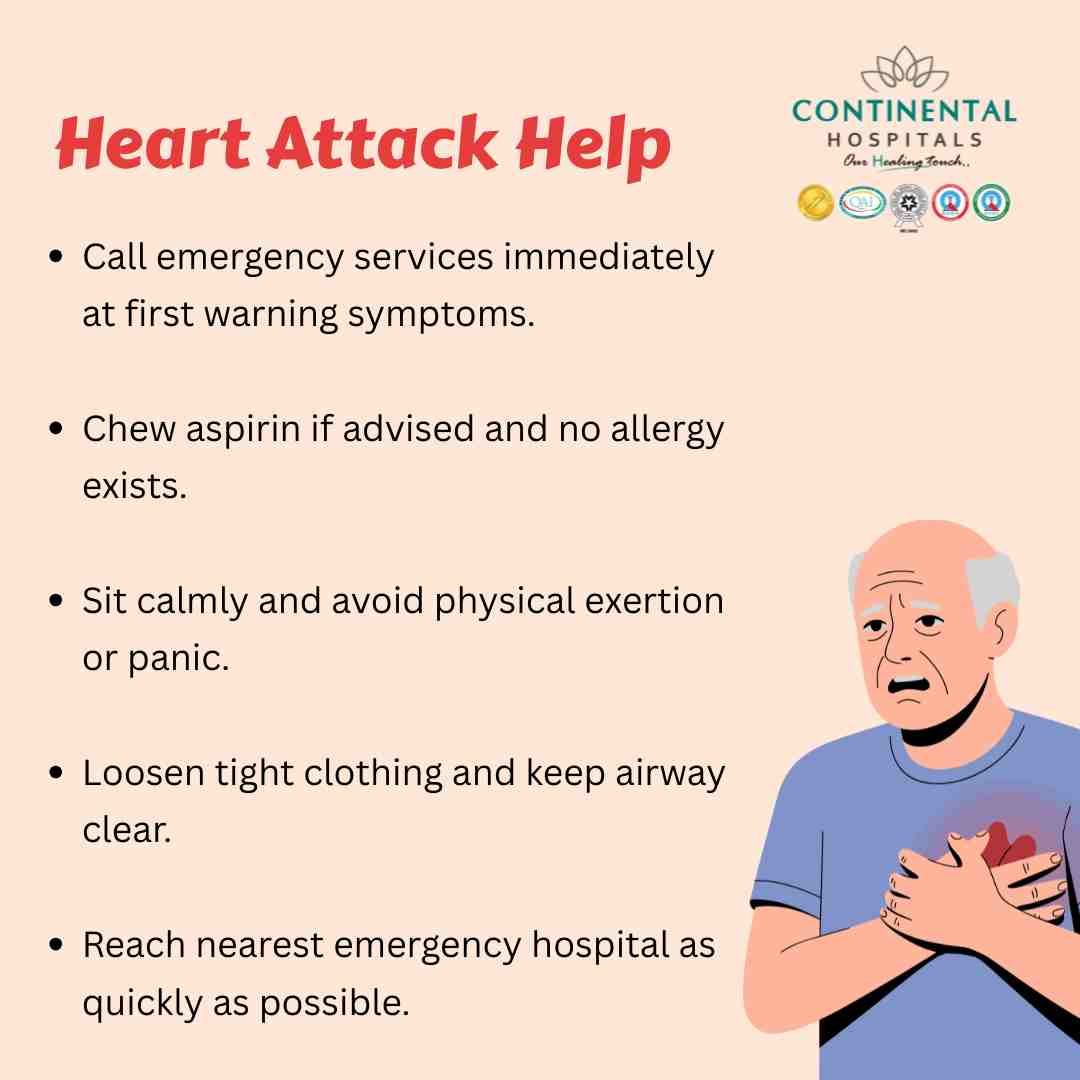
1. Call for Emergency Medical Help Right Away
The first and most important step is to call an ambulance. Do not try to drive yourself or wait for the pain to pass.
Emergency medical teams can start treatment on the way and inform the hospital in advance. This saves critical time.

If you are alone, call emergency services first before doing anything else.
2. Stay Calm and Sit or Lie Down
Panic increases the heart’s workload. Try to remain as calm as possible.
- Sit down or lie in a comfortable position
- Keep your head slightly elevated
- Avoid walking or physical exertion
Resting helps reduce strain on the heart until help arrives.
3. Take Aspirin If Advised and Not Allergic
If you have aspirin available and are not allergic, chew one tablet unless your doctor has told you not to.
Chewing helps it work faster by reducing blood clot formation. Do not take other painkillers unless specifically advised by a doctor.
If you are unsure, ask the emergency operator on the call.
4. Loosen Tight Clothing
Loosen tight clothes around the neck, chest, or waist to make breathing easier.
Ensure good airflow by opening windows or switching on a fan if possible.
5. Do Not Eat or Drink Anything
Avoid food or drinks while waiting for help. This reduces the risk of complications if emergency procedures are needed.
6. If the Person Becomes Unconscious
If someone collapses and is unresponsive:
- Check breathing
- If not breathing normally, start CPR immediately
- Continue CPR until medical help arrives
If an automated external defibrillator is available, use it as instructed.
What You Should Never Do During a Heart Attack
Knowing what not to do is just as important.
- Do not ignore symptoms or wait for them to go away
- Do not drive yourself to the hospital
- Do not lie flat if breathing feels difficult
- Do not take unknown medications
- Do not delay calling for help due to fear or embarrassment
Every minute of delay increases heart muscle damage.
Why Early Hospital Care Is Critical
A heart attack is a race against time. The sooner blood flow is restored, the better the outcome.
Early hospital treatment can:
- Limit heart muscle damage
- Prevent life threatening complications
- Improve survival and recovery
- Reduce long term heart failure risk
This is why reaching a well equipped hospital quickly is essential.
When to Seek Emergency Care Without Delay?
Seek immediate medical attention if:
- Chest pain lasts more than five minutes
- Pain spreads to arm, jaw, or back
- Breathing becomes difficult
- You feel faint or collapse
- Symptoms worsen suddenly
Do not try home remedies or wait for reassurance. Immediate care saves lives.
How Doctors Treat Heart Attacks After You Reach the Hospital?
Once you reach the hospital, doctors act fast using advanced cardiac protocols.
Treatment may include:
- ECG and blood tests to confirm diagnosis
- Oxygen therapy if needed
- Medications to dissolve clots or reduce heart strain
- Emergency angioplasty or stent placement
- Continuous cardiac monitoring
The goal is to restore blood flow and protect heart function as early as possible.
Why Choose Continental Hospitals for Heart Emergency Care?
When it comes to heart attacks, choosing the right hospital makes a critical difference. Continental Hospitals is known as one of the best hospitals in Hyderabad for advanced cardiac care.
Key reasons to choose Continental Hospitals
- Internationally accredited hospital with global healthcare standards
- Advanced cardiac cath labs for rapid intervention
- Experienced cardiologists and emergency care teams available round the clock
- Evidence based protocols for heart attack management
- Advanced ICU and critical care facilities
- Multidisciplinary approach ensuring complete heart care
- Patient focused care with quick decision making
Continental Hospitals combines clinical expertise, modern technology, and internationally recognized accreditations to deliver safe and reliable heart care when every second counts.
Preventing Future Heart Attacks
While emergencies cannot always be predicted, risk can be reduced.
Simple prevention steps
- Control blood pressure, sugar, and cholesterol
- Quit smoking
- Maintain a healthy diet
- Exercise regularly as advised by your doctor
- Manage stress
- Go for regular heart checkups
If you have a family history of heart disease, discuss preventive screening with your doctor.
Conclusion
A heart attack can strike without warning, but the right action before reaching the hospital can be life saving. Recognizing symptoms early, calling emergency services, staying calm, and reaching a well equipped hospital quickly are the most important steps.
Continental Hospitals stands ready with expert cardiologists, advanced technology, and internationally accredited care to handle heart emergencies with speed and precision. When it comes to your heart, every second matters. Do not wait. Act fast and choose trusted care.