.webp)


Heart health has become an important focus for people who want to maintain an active and healthy life. Many individuals look for natural ways to support their heart, and green tea is often mentioned as a helpful daily drink. Green tea has been consumed for centuries and is widely known for its antioxidant properties and health benefits.
Many people ask a common question: is green tea good for the heart? Research suggests that drinking green tea in moderation may support heart health when combined with a balanced diet and healthy lifestyle. However, it is also important to understand both the benefits and the possible risks before making it a regular habit.
What Is Green Tea?
Green tea is made from the leaves of the Camellia sinensis plant. Unlike black tea, the leaves used to make green tea are not heavily processed. Because of this, green tea retains natural compounds called antioxidants.
These antioxidants, especially catechins, are believed to provide several health benefits. Many studies have explored the relationship between green tea for heart health and how its natural compounds may support cardiovascular function.
People who drink green tea regularly often include it as part of a heart-healthy routine that includes nutritious food, exercise, and regular health checkups.
Visit our Best Cardiology Doctors in Hyderabad to consult our leading cardiologists in Hyderabad for advanced diagnosis, comprehensive heart screenings, preventive care, and personalized treatment plans for all heart-related conditions.
Why is green tea linked to heart health?
The heart and blood vessels work together to circulate oxygen and nutrients throughout the body. Problems such as high cholesterol, high blood pressure, and inflammation can increase the risk of heart disease.
Green tea contains bioactive compounds that may help support the cardiovascular system. This is why the benefits of green tea are often discussed in relation to heart health.
Several observational studies suggest that people who consume green tea regularly may have a lower risk of certain heart related conditions.

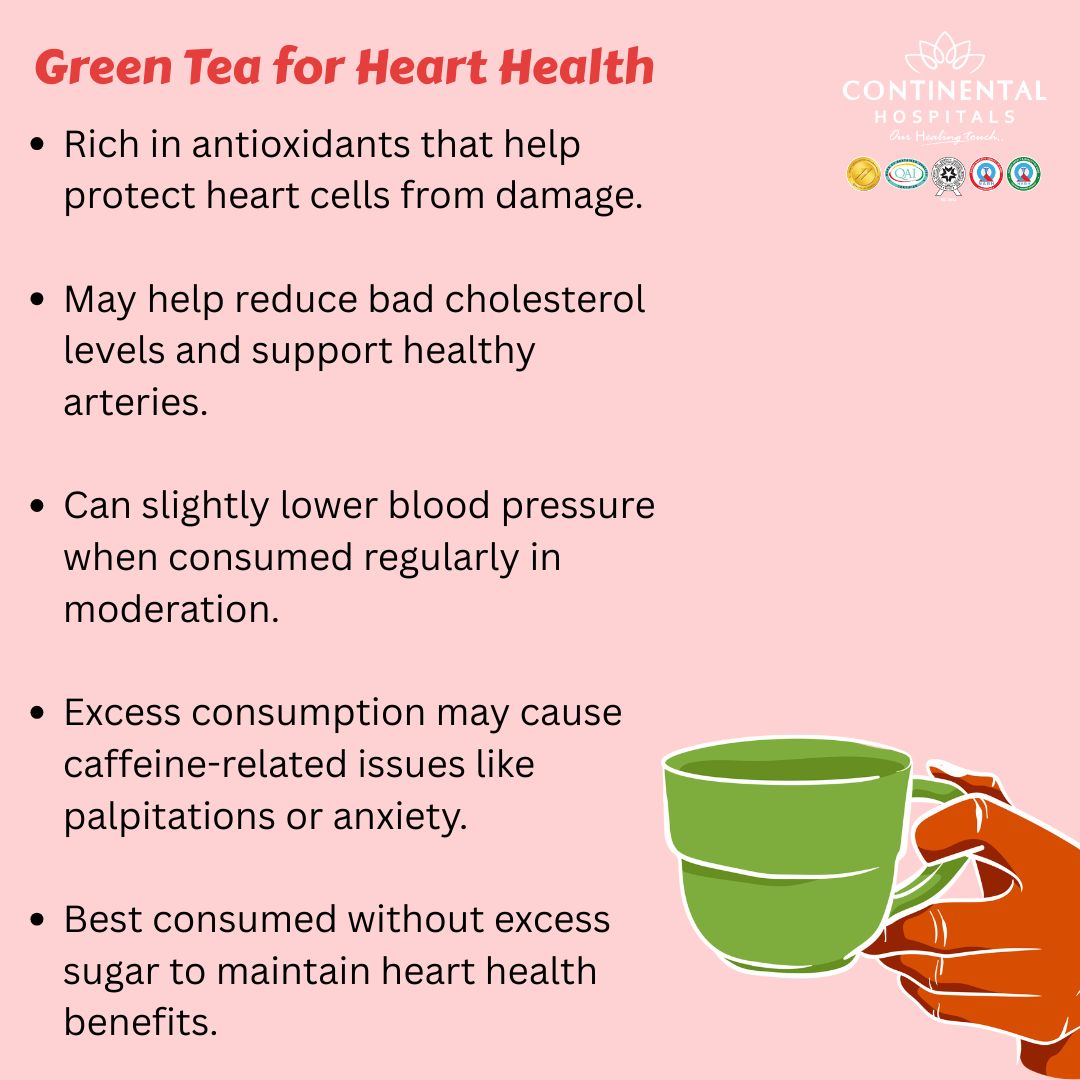
Is green tea good for heart health?
Rich in Powerful Antioxidants
One of the main green tea benefits is its high antioxidant content. Antioxidants help protect cells from damage caused by free radicals. This protection can help reduce oxidative stress, which is associated with heart disease.
The catechins present in green tea may support healthy blood vessels and improve overall cardiovascular function.
May Help Lower Bad Cholesterol
High levels of LDL cholesterol can increase the risk of blocked arteries. Some studies suggest that green tea may help reduce LDL cholesterol levels while supporting healthy HDL cholesterol levels.
Lower cholesterol levels can contribute to better blood circulation and improved heart health.
Supports Healthy Blood Pressure
High blood pressure is one of the leading risk factors for heart disease. Drinking green tea regularly may help support healthy blood pressure levels.
The natural compounds in green tea may help relax blood vessels and improve blood flow. This is one reason why green tea for heart health is often recommended as part of a healthy lifestyle.
May Improve Blood Vessel Function
Healthy blood vessels are essential for proper circulation. Some research suggests that green tea may help improve the function of the inner lining of blood vessels.
Better blood vessel function can support efficient blood flow and reduce stress on the heart.
Helps Reduce Inflammation
Chronic inflammation is linked to many heart related problems. The antioxidants found in green tea may help reduce inflammation in the body.
Lower inflammation levels may contribute to improved cardiovascular health over time.
What are the additional benefits of green tea?
Along with heart health support, green tea is associated with several other health advantages.
Important benefits of green tea include:
• Supports metabolism and weight management
• Provides natural antioxidants for overall health
• May support brain function and focus
• Helps maintain healthy blood sugar levels
• Supports digestive health
These added benefits make green tea a popular beverage choice among people who want to maintain long term wellness.
Is Green Tea Good for the Heart?
Many people frequently ask this question: is green tea good for the heart?
Scientific research indicates that moderate green tea consumption may support cardiovascular health due to its antioxidant and anti inflammatory properties. However, it should not be considered a replacement for medical treatment or prescribed medication.
Green tea works best when combined with healthy habits such as:
• Balanced nutrition
• Regular physical activity
• Stress management
• Adequate sleep
• Routine medical checkups
These factors together play a significant role in maintaining heart health.
What are the possible risks of drinking green tea?
While green tea offers many potential health benefits, excessive consumption may cause certain side effects.
Caffeine Sensitivity
Green tea contains caffeine, although less than coffee. People who are sensitive to caffeine may experience symptoms such as restlessness, increased heart rate, or difficulty sleeping.
Interaction with Medications
Green tea may interact with certain medications, including blood thinners and some heart medications. Individuals taking prescription medication should consult a doctor before significantly increasing green tea intake.
Stomach Irritation
Drinking green tea on an empty stomach may cause mild stomach discomfort for some individuals.
Excess Intake of Antioxidants
Although antioxidants are beneficial, consuming extremely high amounts through supplements or excessive tea intake may not always be beneficial.
Moderation is important when including green tea in your daily routine.
How Much Green Tea Is Safe to Drink?
For most healthy adults, drinking two to three cups of green tea per day is generally considered safe.
Helpful tips for consuming green tea include:
• Avoid drinking green tea late at night to prevent sleep disturbances
• Choose freshly brewed green tea instead of sugary bottled versions
• Drink green tea after meals instead of on an empty stomach
• Limit excessive consumption to avoid caffeine related effects
Following these simple habits allows individuals to enjoy the benefits of green tea safely.
Who Should Be Careful with Green Tea?
Certain individuals should consult a healthcare professional before consuming green tea regularly.
These include:
• People with heart rhythm disorders
• Individuals taking blood thinning medications
• Pregnant or breastfeeding women
• People sensitive to caffeine
A doctor can provide personalized guidance based on an individual’s health condition.
Why Choose Continental Hospitals for Heart Care?
Heart health requires expert care, advanced technology, and timely diagnosis. Continental Hospitals in Hyderabad is recognized for delivering high quality cardiac care with a patient centered approach.
Reasons to choose Continental Hospitals include:
• Internationally accredited hospital with globally recognized standards
• Advanced diagnostic technology for accurate heart disease detection
• Highly experienced cardiologists and cardiac surgeons
• Comprehensive heart care including prevention, diagnosis, and treatment
• Multidisciplinary team approach for personalized patient care
The hospital is known for its commitment to clinical excellence, patient safety, and evidence based treatment protocols.
Conclusion
Green tea is a widely consumed beverage that offers several potential health advantages. The benefits of green tea include antioxidant protection, improved cholesterol levels, better blood vessel function, and support for healthy blood pressure.
These properties explain why green tea for heart health is often recommended as part of a balanced lifestyle. However, moderation is important because excessive consumption may lead to caffeine related side effects or medication interactions.
Drinking green tea along with healthy food choices, regular exercise, and routine medical checkups can help support long term cardiovascular wellness.
If you experience symptoms such as chest discomfort, shortness of breath, irregular heartbeat, or high blood pressure, it is important to consult a specialist.
At Continental Hospitals, consult our top cardiologists in Hyderabad, who provide advanced diagnosis, preventive screening, and personalized treatment plans for heart-related conditions. Early consultation can help detect problems early and protect your heart health for the future.
Related Blog Topics: