post-title

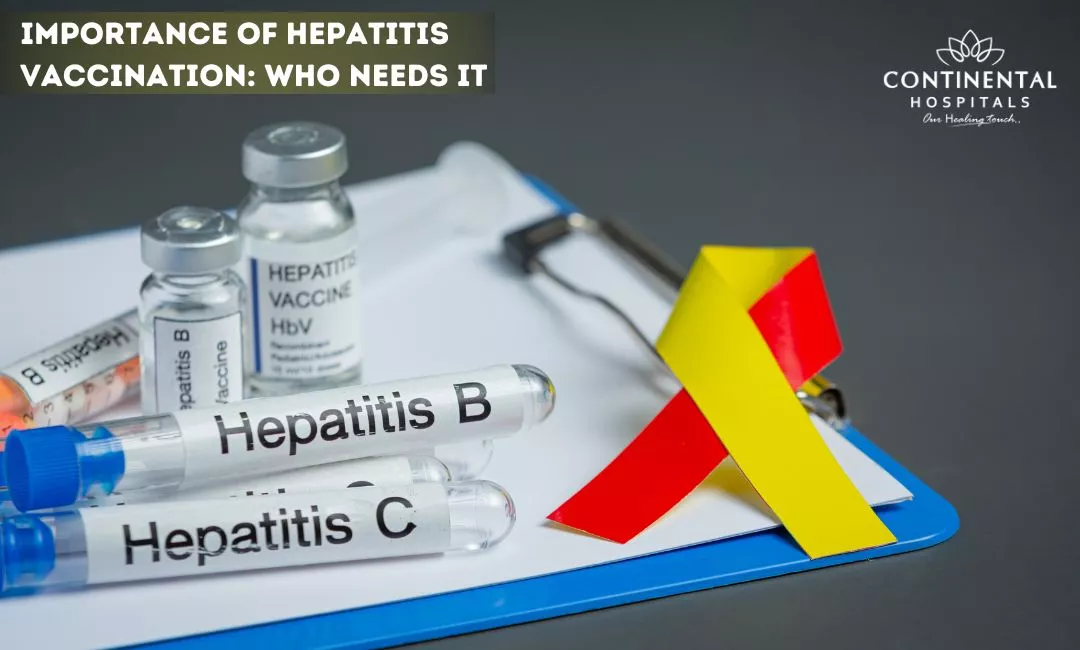
Importance of Hepatitis Vaccination: Who Needs It

Written by - Editorial Team
Medically Reviewed by - Dr Dhiraj Gopal Agrawal

Hepatitis is a term that refers to inflammation of the liver, which can result from several causes, including viral infections, alcohol, and drug use. The most common forms of viral hepatitis are Hepatitis A, B, and C, all of which can cause serious health problems if left untreated. Fortunately, vaccination can protect against some of these forms, making it one of the most effective ways to prevent the spread of hepatitis.

In this blog, we’ll explore the importance of hepatitis vaccination, who should get vaccinated, and how Continental Hospitals offers comprehensive treatment and prevention options for hepatitis.

What is Hepatitis?

Hepatitis is a viral infection that affects the liver, potentially leading to severe liver damage, cirrhosis, liver failure, or even cancer. Hepatitis A, B, and C are the most common types of viral hepatitis:

Hepatitis A: Primarily spread through contaminated food or water, this form is short-term but can still cause significant illness. Vaccination is available to prevent Hepatitis A.

Hepatitis B: Transmitted through blood, sexual contact, or from mother to child during birth, Hepatitis B can cause long-term liver damage. The vaccine is highly effective in preventing it.

Hepatitis C: Although there is no vaccine for Hepatitis C, treatment options are available. It is primarily spread through blood-to-blood contact and can lead to chronic liver disease.

Visit our gastroenterology specialists in Hyderabad at Continental Hospitals for expert evaluation, accurate diagnosis, and advanced treatment to protect your liver health.

What Are the Symptoms of Hepatitis?

Hepatitis often does not cause noticeable symptoms in the early stages, especially Hepatitis B and C. However, if symptoms do appear, they may include:

  • Fatigue
  • Nausea or vomiting
  • Loss of appetite
  • Dark urine
  • Pale stools
  • Jaundice (yellowing of the skin and eyes)
  • Abdominal pain or discomfort

If you experience any of these symptoms or suspect you have been exposed to hepatitis, it is important to seek medical attention as soon as possible.

Second Opinion

Why Is Hepatitis Vaccination Important?

Vaccination is the most powerful tool we have to prevent Hepatitis A and B. Here’s why it's crucial:

Preventing Infection: Vaccination reduces the risk of contracting Hepatitis A and B. Since these infections can be easily transmitted through contaminated food, water, and bodily fluids, vaccination helps stop the spread of the virus in communities.

Protecting the Liver: Chronic hepatitis infections can lead to long-term liver problems, including liver cirrhosis and liver cancer. By getting vaccinated, you reduce the chance of developing chronic hepatitis and severe liver damage.

Safeguarding Vulnerable Populations: Hepatitis can be especially dangerous for infants, young children, and people with compromised immune systems. Vaccinating these groups is crucial for protecting their health and preventing outbreaks.

Cost-Effective: The cost of treating chronic hepatitis, liver failure, or liver cancer is significantly higher than the cost of vaccination. By preventing these diseases through vaccination, individuals and healthcare systems save on long-term healthcare expenses.

Who Needs the Hepatitis Vaccination?

While vaccines for Hepatitis A and B are not mandatory for everyone, certain groups of people are at higher risk and should consider getting vaccinated. Let’s look at who needs it:

1. Newborns and Infants
In many countries, including India, the Hepatitis B vaccine is given to newborns within 24 hours of birth. This is especially important because Hepatitis B can be passed from mother to child during delivery. The vaccine protects newborns from contracting the virus, which could lead to chronic infection.

Need an Appointment?

2. Healthcare Workers
Healthcare professionals are regularly exposed to blood and bodily fluids, putting them at higher risk of contracting Hepatitis B. Vaccination is crucial for doctors, nurses, lab technicians, and anyone who works in the medical field.

3. Travelers to High-Risk Areas
People traveling to areas with high rates of Hepatitis A and B should get vaccinated before their trip. Countries with poor sanitation or limited access to clean water are often at higher risk for Hepatitis A. Similarly, Hepatitis B is more common in certain parts of Asia and Africa.

4. People with Chronic Liver Disease
Individuals with liver disease are already at risk of liver damage, and contracting hepatitis can make their condition worse. Vaccination helps protect them from further liver complications.

5. People Who Use Intravenous Drugs
Sharing needles is one of the most common ways Hepatitis B is transmitted. Vaccination is essential for individuals who use intravenous drugs to prevent infection.

6. People in Close Contact with Hepatitis Patients
Family members or caregivers of people with hepatitis should consider getting vaccinated, as they are at risk of contracting the virus through blood or bodily fluids.

7. Sexually Active Individuals
Hepatitis B can be transmitted through unprotected sexual contact. Vaccination is recommended for sexually active individuals who are not in long-term, mutually monogamous relationships.

What Are the Treatment Options Available for Hepatitis?

For individuals who contract hepatitis, treatment options vary depending on the type:

  • Hepatitis A: There is no specific treatment for Hepatitis A since it usually clears up on its own. However, rest, hydration, and good nutrition can help you recover faster.
  • Hepatitis B: Antiviral medications can help control the infection and reduce the risk of liver damage. For chronic cases, long-term monitoring and treatment are often necessary.
  • Hepatitis C: Although there is no vaccine for Hepatitis C, antiviral medications are highly effective in treating the infection. New treatments can even cure the infection in many cases.

Continental Hospitals in Hyderabad provides comprehensive care for hepatitis patients, from prevention and vaccination to diagnosis and treatment. Our team of specialists ensures that each patient receives personalized care tailored to their needs. Whether you’re looking to get vaccinated or need treatment for a current hepatitis infection, Continental Hospitals has you covered.

Why Choose Continental Hospitals?

Continental Hospitals offers world-class care for hepatitis patients, using the latest treatments and technologies. Our dedicated team of gastroenterologists provides accurate diagnoses, effective treatments, and preventive care for all types of hepatitis.

Conclusion

Hepatitis is a serious health issue that can lead to life-threatening complications if left untreated. Fortunately, vaccination offers powerful protection against Hepatitis A and B. By getting vaccinated, you’re not only protecting yourself but also helping to prevent the spread of these diseases within your community.

If you suspect you have been exposed to hepatitis, it is important to consult our best gastroenterologist in hyderabad at continental hospitals.

Related Blogs:

  1. All you need to know about Hepatitis
  2. ABCs of Viral Hepatitis Types Symptoms and Prevention

Frequently Asked Questions

Hepatitis vaccination is one of the most effective ways to prevent viral hepatitis infections, especially hepatitis A and hepatitis B. These viruses can cause inflammation of the liver, leading to serious health complications if left untreated. Vaccination helps the immune system recognize and fight the virus before it can cause illness. It significantly reduces the risk of liver damage, liver failure, and liver cancer associated with hepatitis B infection. The vaccines are safe, well-tested, and provide long-lasting protection. They also help prevent the spread of infection within families, workplaces, schools, and healthcare settings. Vaccination is especially important for people at higher risk of exposure. By getting vaccinated, individuals protect not only themselves but also their communities. It is an essential part of preventive healthcare. Early vaccination offers the best protection throughout life.
The hepatitis B vaccine is recommended for all newborn babies as part of routine immunization. Children and adolescents who missed vaccination earlier should also receive it. Adults who have never been vaccinated can benefit, particularly those at increased risk of infection. Healthcare workers, laboratory staff, and emergency responders should be vaccinated due to occupational exposure. People with diabetes, chronic liver disease, kidney disease, or weakened immune systems are also advised to receive the vaccine. Individuals with multiple sexual partners or those living with someone infected with hepatitis B should get vaccinated. Travelers visiting regions with high hepatitis B prevalence are encouraged to receive the vaccine before travel. Vaccination is also recommended for people who inject drugs. Discussing your risk factors with a doctor helps determine the right vaccination schedule.
The hepatitis A vaccine is recommended for children beginning at one year of age as part of routine immunization in many regions. Adults who have not been vaccinated and are at risk can also benefit from the vaccine. People traveling to countries where hepatitis A is common should receive vaccination before departure. Individuals with chronic liver disease are strongly encouraged to get vaccinated because hepatitis A can cause severe illness in them. Food handlers, healthcare workers, childcare staff, and people working in sanitation may also benefit from vaccination. Men who have sex with men and people using recreational drugs are considered at higher risk. Those experiencing homelessness may also be advised to receive the vaccine. Vaccination helps prevent outbreaks and reduces virus transmission. A healthcare provider can determine whether hepatitis A vaccination is appropriate based on individual risk.
Yes, adults who were not vaccinated during childhood can still receive hepatitis vaccines. There is no upper age limit for vaccination if protection is needed. Many adults remain unprotected without realizing their risk of infection. Catch-up vaccination is recommended for those with occupational exposure, chronic medical conditions, or travel plans to high-risk areas. Even healthy adults may choose vaccination for long-term protection. Before vaccination, some people may undergo blood tests to check for previous infection or immunity, depending on their medical history. Completing the recommended vaccine schedule is important for full protection. Delaying vaccination increases the chance of preventable infection. Consult a healthcare provider to determine the most appropriate vaccination plan based on your health status.
Hepatitis vaccines have been extensively studied and are considered safe for people of all recommended age groups. They undergo rigorous testing before approval and continuous safety monitoring afterward. Millions of doses have been administered worldwide with an excellent safety record. Most people experience only mild side effects such as soreness at the injection site, mild fever, or temporary fatigue. Serious allergic reactions are extremely rare. The vaccines provide strong protection against hepatitis A and hepatitis B infections when the full schedule is completed. Vaccination has significantly reduced infection rates and related liver complications globally. The benefits of preventing severe liver disease far outweigh the small risk of side effects. Following your doctor's recommendations helps ensure optimal protection.
The number of vaccine doses depends on the type of hepatitis vaccine and the individual's age and health condition. Hepatitis B vaccination commonly involves a series of three doses, although some adults may receive a two-dose schedule depending on the vaccine used. Hepatitis A vaccination is usually given as two doses several months apart. Combination vaccines protecting against both hepatitis A and B are also available for eligible individuals. It is important to complete the full vaccination schedule to achieve long-lasting immunity. Missing a scheduled dose does not usually require restarting the series, but follow-up doses should be completed as advised by a healthcare provider. Your doctor will recommend the most suitable schedule based on your medical history and risk factors.
Yes, people with chronic liver disease are strongly advised to receive hepatitis vaccination whenever appropriate. Liver conditions such as fatty liver disease, cirrhosis, or chronic hepatitis make the liver more vulnerable to additional infections. Contracting hepatitis A or hepatitis B can worsen liver damage and increase the risk of serious complications. Vaccination provides an important layer of protection against preventable infections. Doctors often recommend evaluating vaccination status soon after a liver disease diagnosis. Early vaccination helps reduce future health risks and supports better long-term liver health. Individuals awaiting liver transplantation may also require vaccination if they are not already immune. A healthcare provider can recommend the appropriate vaccines based on medical history and existing liver condition.
Hepatitis vaccination is available at hospitals, vaccination centers, primary healthcare clinics, and many specialty medical facilities. Before vaccination, a doctor will review your medical history, vaccination records, travel plans, and potential risk factors. They may recommend hepatitis A vaccination, hepatitis B vaccination, or both depending on your needs. If you have chronic liver disease, diabetes, kidney disease, or other medical conditions, personalized advice is especially important. Healthcare providers can also answer questions about vaccine schedules, booster doses, and possible side effects. Timely vaccination offers reliable protection against preventable liver infections. Regular health checkups and preventive care further reduce the risk of liver-related complications. Consulting a qualified gastroenterologist or liver specialist ensures you receive the right guidance and vaccination plan.
Disclaimer: The information provided in this blog is intended for general knowledge and informational purposes only, and does not constitute medical advice. Always consult with a qualified healthcare professional for any medical concerns or before making any decisions about your health.

Get in Touch With Us

Whether you are from India or abroad, we are here to help you with your medical queries. Please fill out the form below and our team will connect with you shortly.

  • ✔ Quick response from our medical experts
  • ✔ Secure data handling & privacy
  • ✔ Easy upload for reports & documents
0 / 100
Checkboxes Section


banner_image

Chat with our medical experts on WhatsApp for quick assistance and hassle-free appointment booking

Recent Posts
Language Based Image
0 / 100