.webp)


Rectal bleeding is a condition that can be alarming and uncomfortable. Many adults notice blood in stool and wonder about its cause. While sometimes the cause is minor, other times it may signal a serious medical condition. Understanding the common causes of rectal bleeding, their symptoms, and treatment options can help you take timely action and maintain gut healt.
If you experience rectal bleeding, blood in stool, abdominal pain, or persistent digestive issues, visit our Gastroenterology Speciality at Continental Hospitals. Early diagnosis and expert guidance can prevent complications and restore digestive health.
What Is Rectal Bleeding?
Rectal bleeding refers to the presence of blood in stool or from the rectum. The color and quantity of blood can vary depending on the source. Bright red blood typically indicates bleeding near the anus, while dark or black stools may indicate bleeding from higher up in the gastrointestinal tract.
Rectal bleeding in adults should never be ignored. Early evaluation can help prevent complications and ensure timely treatment.
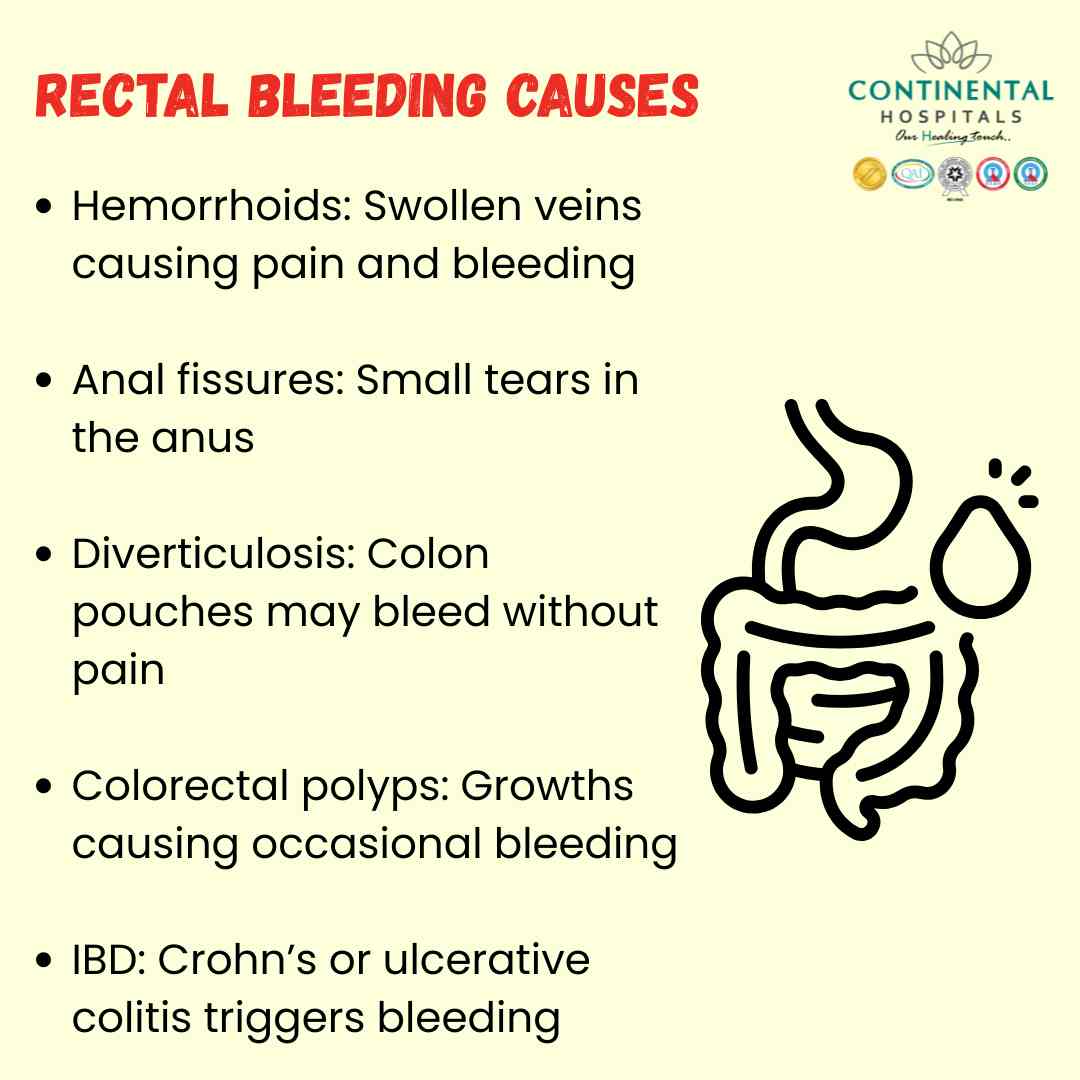
Common Causes of Rectal Bleeding
Rectal bleeding can occur due to a variety of conditions. Some are minor, while others require medical intervention. The most common causes include:
1. Hemorrhoids Bleeding
Hemorrhoids are swollen veins in the rectum or anus. They can cause discomfort, itching, and bright red bleeding during bowel movements. Hemorrhoids are common in adults and often worsen with constipation or prolonged sitting.
2. Anal Fissure Bleeding
Anal fissures are small tears in the lining of the anus. They often cause sharp pain during bowel movements and may result in bright red blood on the toilet paper or stool surface. Fissures can occur due to constipation, passing hard stools, or chronic diarrhea.
3. Diverticulosis Bleeding
Diverticulosis occurs when small pouches form in the colon wall. Occasionally, these pouches may bleed, causing rectal bleeding without pain. Diverticulosis bleeding is more common in older adults and may require medical evaluation to determine the exact cause.

4. Colon Polyps Bleeding
Colon polyps are growths on the inner lining of the colon or rectum. Some polyps can bleed, causing blood in stool. While many polyps are benign, some can develop into colorectal cancer over time, making early detection important.
5. Inflammatory Bowel Disease Bleeding
Conditions such as Crohn’s disease and ulcerative colitis cause chronic inflammation in the gastrointestinal tract. Inflammatory bowel disease bleeding may present as blood mixed with stool, abdominal pain, diarrhea, or weight loss.
Symptoms to Watch For
Understanding the symptoms associated with rectal bleeding can help determine when to seek medical care. Key symptoms include:
- Bright red blood on stool, toilet paper, or in the toilet bowl
- Dark or tarry stools indicating higher GI bleeding
- Abdominal pain or cramps
- Persistent diarrhea or constipation
- Unexplained weight loss or fatigue
Persistent rectal bleeding or accompanying symptoms should prompt immediate consultation with a gastroenterologist.
Diagnosing Rectal Bleeding
Accurate diagnosis is essential to treat rectal bleeding effectively. Doctors use a combination of methods to determine the cause:
Medical History and Physical Examination
Discussing the frequency, color, and quantity of bleeding along with other symptoms.
Colonoscopy
A procedure to visualize the colon and rectum for polyps, inflammation, or other abnormalities.
Sigmoidoscopy
Examining the lower part of the colon for hemorrhoids, polyps, or inflammation.
Imaging Tests
CT scans or MRI may be recommended to detect internal bleeding sources.
Blood Tests
To assess for anemia or infection caused by chronic bleeding.
Early diagnosis helps in treating the underlying condition effectively and preventing complications.
Treatment Options
Treatment for rectal bleeding depends on the underlying cause:
- Hemorrhoids: Dietary changes, high-fiber foods, stool softeners, and topical medications
- Anal Fissures: Sitz baths, topical creams, and in severe cases, minor surgical procedures
- Diverticulosis: High-fiber diet, medications to control bleeding, and monitoring
- Colon Polyps: Removal via colonoscopy and regular screening
- Inflammatory Bowel Disease: Medications to reduce inflammation, dietary management, and regular monitoring
Lifestyle changes, including a fiber-rich diet, adequate hydration, and avoiding straining during bowel movements, are important for preventing recurrence.
When to See a Doctor
Rectal bleeding in adults should never be ignored. Immediate consultation is necessary if you notice:
- Large amounts of blood in stool
- Persistent or recurring bleeding
- Severe abdominal pain
- Signs of anemia such as fatigue or dizziness
- Blood mixed with black or tarry stool
Early intervention by a specialist ensures accurate diagnosis and reduces the risk of serious complications.
Why Choose Continental Hospitals?
Continental Hospitals is recognized as one of the best hospitals in Hyderabad, providing comprehensive care for gastrointestinal conditions including rectal bleeding. The hospital holds esteemed accreditations such as NABH and JCI, ensuring adherence to international standards of quality, patient safety, and clinical excellence.
Key features include:
- Experienced gastroenterologists and colorectal specialists
- Advanced diagnostic facilities including colonoscopy, sigmoidoscopy, and imaging
- Multidisciplinary teams providing personalized treatment plans
- Patient-centered approach with continuous monitoring and education
Continental Hospitals combines expert medical care with compassionate service, making it a trusted choice for adults experiencing rectal bleeding and other digestive issues.
Conclusion
Rectal bleeding in adults can occur due to hemorrhoids, anal fissures, colon polyps, diverticulosis, or inflammatory bowel disease. Understanding the causes, symptoms, and treatment options is essential for maintaining gut health. Early evaluation by a gastroenterologist ensures timely management and improved quality of life.
If you experience rectal bleeding, blood in stool, abdominal pain, or persistent digestive issues, consult our best Gastroenterologist at Continental Hospitals. Early diagnosis and expert guidance can prevent complications and restore digestive health.
Related Blog topics: