.webp)

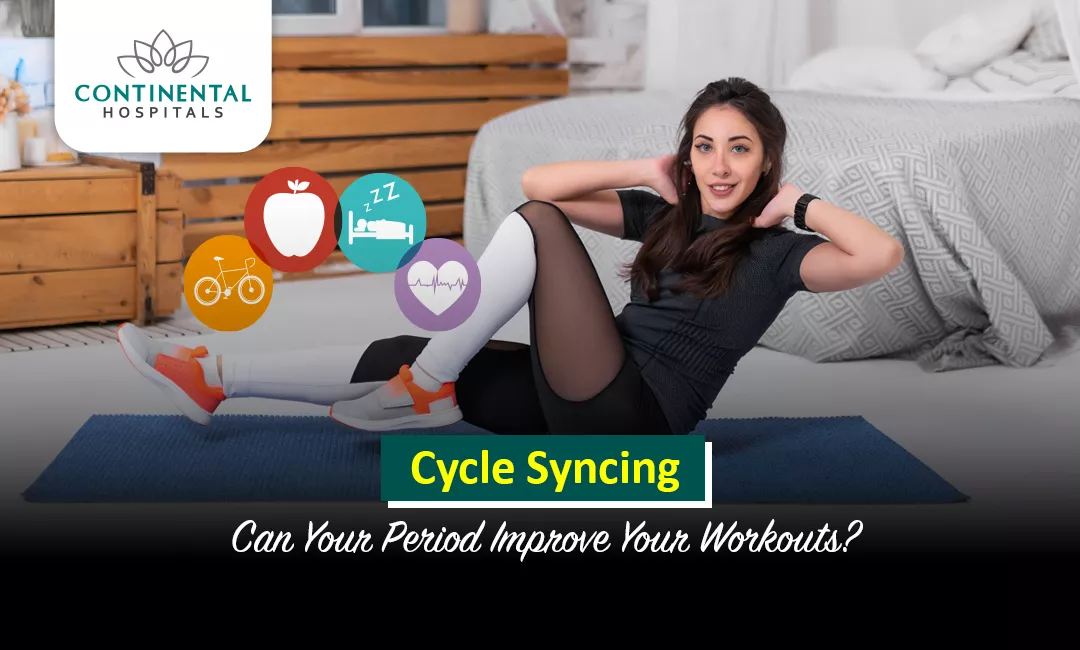
Have you ever noticed that on some days your high-intensity interval training (HIIT) session was a walk in the park, but on other days you couldn't even complete a gentle walk? If you have been pushing through a hard-earned fitness routine because it is what you are told to do rather than how your body feels, you are going against the grain of your biology. The energy, mood, metabolism, and strength of the body are regulated by a monthly cycle of hormones.
At addiction labs, we are learning to beat the drag of fatigue with a growing health trend: working with your body instead of against it. Cycle syncing is a lifestyle method that has been practiced for thousands of years, where exercise, nutrition, and various activities are synced with the distinct phases of the monthly cycle. By understanding the effect of these changes in hormones in the body, you can achieve better results, avoid burnout, and support your overall well-being.
Can your period help the results of your workouts? The answer is yes, but only if you know how to cycle sync your body. By learning how your menstrual cycle impacts your physical function, you train smarter, recover on Monday, and may have fewer painful symptoms. Let's explore.
What Is Cycle Syncing and How Does It Work?
As with any periodic biological process, the menstrual cycle causes regular fluctuations in hormone levels. In particular, the three key hormones that drive the monthly reproductive cycle—estrogen, progesterone, and luteinizing hormone (LH)—also influence how we use and recover from energy. By syncing your exercise and nutrition to these changes, you’ll be able to manage the weekly (and even daily) changes in your body that happen when you synchronize your meals, workouts, and priorities to your menstrual cycle.
It could reduce systemic inflammation, manage your stress hormones (like cortisol), and even prevent severe PMS, bloating, or fatigue.
Why Do Hormonal Shifts Cause Changes in Your Energy?
Most things you notice at different times of the month are due to natural hormonal changes: estrogen and progesterone rise and fall. Estrogen is lowest in the first half of the month, but it starts to climb, beats as an energy transformer, and is a major player in muscle recovery.
But as estrogen continues to rise, progesterone takes over. It can cause you to feel more relaxed (or even tired), increase your resting heart rate, and make your body more sensitive to heat, food, and even intense physical stress. Ignoring these biological factors and pushing for high-intensity exercise when your body is programming for rest will likely increase your risk of muscle strains, hormonal imbalance, and chronic exhaustion.
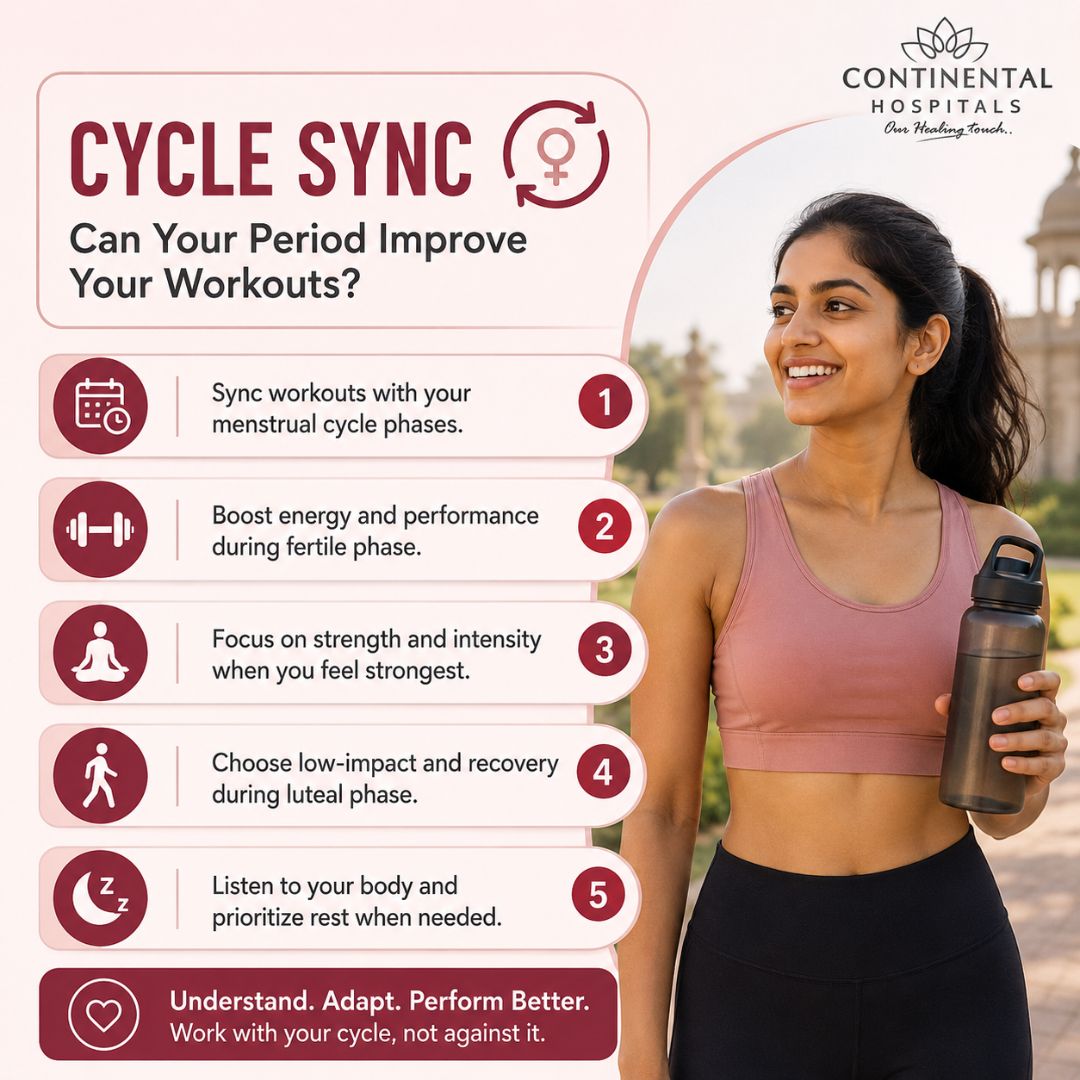
How Do You Plan Cycle Syncing Workouts For The Four Phases?
To properly do cycle syncing workouts, you have to understand the four phases of your cycle each month and learn how to tailor the intensity of your workouts accordingly.

The Menstrual Phase (The Period): This phase starts on day one of your period. Your estrogen and progesterone levels are at the lowest in your cycle, and it’s common to feel exhausted. There is no point in doing a period-heavy workout; instead, do something small like walking, light stretching, or restorative yoga. This will ensure that you’re moving, and it will also relieve any cramps.
The Follicular Phase: After your period workout phase ends, estrogen starts to rise. Your energy, stamina, and brainpower will naturally be higher during this phase. Now is the time to start adding light jogging, hiking, dance workouts, and novelty fitness routines.
The Ovulatory Phase: In the middle of your cycle, estrogen reaches its peak. You will feel optimal in terms of strength and endurance. This is the time to do HIIT, heavy weightlifting, or power cycling if you can.
The Luteal Phase: Progesterone starts to rise during the luteal phase. It's still possible to do moderate strength training and aerobic work during the early luteal phase. But as you move toward your next period, syncing with your menstrual phase, your energy will start to drop. Move into low-impact workouts like Pilates, barre, or steady-state cardio to avoid injury.
What Kind of Diet Should Be Implemented for Cycle Syncing?
Alongside your fitness plan, you also need to look at your nutrition. A proper cycle-syncing diet enables the body to get sufficient nutrition for the specific movement and quick recovery you require.
- Menstruation: Get iron-rich foods (spinach, lean meats) for blood loss and anti-inflammatory foods (ginger, berries) for pain prevention and relief.
- Follicular Phase: The blood flow is starting; you'll have plenty of energy, but also use light, vibrant foods, complex carbohydrates, and fermented foods to metabolize estrogen efficiently.
- Ovulation: This is when your metabolism is at its peak, so it's best to prioritize high-quality lean proteins, antioxidant-rich fruits and greens to sustain cellular energy.
- Luteal Phase: At this point, you need more calories. Opt for complex carbohydrates (sweet potatoes, oats) to regulate your blood sugar and magnesium sources (dark chocolate, nuts) to avoid PMS cravings.
When to Seek Medical Help for Irregular Menstrual Cycles?
In addition to your lifestyle changes, cycle syncing does not act as a cure for any medical condition. However, if you have missed periods, feel a lot of pain or have a lot of spotting, or have significant mood swings, it's essential for you to be checked by qualified medical professionals.
A comprehensive checkup by a qualified gynecologist will help you rule out any possibilities such as Polycystic Ovary Syndrome (PCOS), Endometriosis or thyroid conditions. A proper medical diagnosis and specialized treatment would ensure that your hormonal health is taken care of safely.
Why Continental hospitals for hormonal care and gynecological care?
While taking care of your hormones, reproductive health, and personal fitness guidance, Continental Hospitals are top experts at comprehensive health care. We provide a complete solution to women’s health, underpinned by clinical science and helping you plan a healthy life.
Our department consists of specialty experts who are interested in understanding your personal biological rhythm and health goals. We have advanced technology and state-of-the-art infrastructure to provide accurate diagnoses and a good experience. We promote a multidisciplinary approach, bringing together gynecology, endocrinology, and nutrition to formulate personalized treatment plans unique to your body.
Since we are accredited by both JCI Accreditation and NABH Accreditation, our facility is compliant with international and national standards for the safety and care of patients. In addition, we provide 24/7 emergency & critical care services for your complete comfort and your family.
Conclusion
Cycle syncing is a powerful, science-proven method to work with rather than against your body’s natural rhythms and fluctuations to enhance your athletic performance and avoid the frustration of the dreaded monthly fatigue. By syncing your training intensity and nutrition with your hormonal fluctuations, you can improve your relationship to fitness. However, always remember that human bodies are individually unique. Always listen to yourself and do not hesitate to consult a doctor for medical help if you suspect a hormonal imbalance.
For any queries related to menstrual cycle health, consult our best gynecologist in Hyderabad at Continental Hospitals. Visit Continental Hospitals for expert diagnosis, advanced treatment, and comprehensive care.