• Share this:
post-title

Dealing with Constant Bloating: Expert Tips

Written by - Editorial Team
Medically Reviewed by - Dr Dhiraj Gopal Agrawal

Do you feel the need to keep adjusting your clothes, or do you feel like your tummy is swelling after every meal? Constant bloating is an everyday problem that drives many to wonder why this is happening to them in the first place, significant as those who suffer. But despite the general inclination to ignore an enlarged belly as petty, a bloated abdomen is in fact a secret warning of a transformation in one's digestive tract. Thus, the first and major part of finding help is to discover the fundamentals of constant bloating.

Having constant bloating means that your gastrointestinal system is full of too much air or gas, so it is uncomfortable to hold and feels quite tight as it applies pressure to your stomach. But the degree of pain goes from a mild ache to a very strong sensation, which can make the person concentrate less on his/her normal activities and routines. So, being able to discover that constant bloating is the body’s direct medical sign from the digestive system helps the patient put his/her attention to the solution in addition to finding peace in the daily physical experience. Let's see what your body is slowly trying to convey and how to solve the problem safely.

What Is The Commonest Cause Of Constant Bloating?

You should identify the exact source of your tight, distended abdomen before you can treat the problem. In many cases, simple day-to-day habits and underlying conditions can cause inevitable bowel troubles.

  • Delayed Digestive Motility: The intestines(tm) are working too slowly to move food and waste through, and fermentation ensues, causing your constant bloating and gas conditions.
  • Irritable Bowel Syndrome (IBS): This is a chronic functioning disorder of the large intestine and may preclude the use of most of the common stomach bloating remedies, since you may be hypersensitive to normal amounts of gas.
  • Small Intestine Bacterial Overgrowth (SIBO): With an unchecked growth of bacteria in the small intestine, food particles will be fermented too quickly, releasing gases that result in constant bloating.
  • Food Intolerances and Malabsorption: Without the specific enzymes required to digest lactose or gluten, all of this can result in major lower gut problems, including bloating and gas.
  • Chronic Constipation: When stool is retained in the colon for days and days on end, a pressure/gas backup develops that can be a major contributor to your constant bloating.

If persistent abdominal discomfort or frequent gas affects your daily life, visit the Gastroenterology Department at Continental Hospitals, Hyderabad.

What Are The Best Bloating Relief Tips You Can Try At Home?

Even simple changes to your lifestyle can have a huge impact on just how much gas your digestive tract produces and stores.

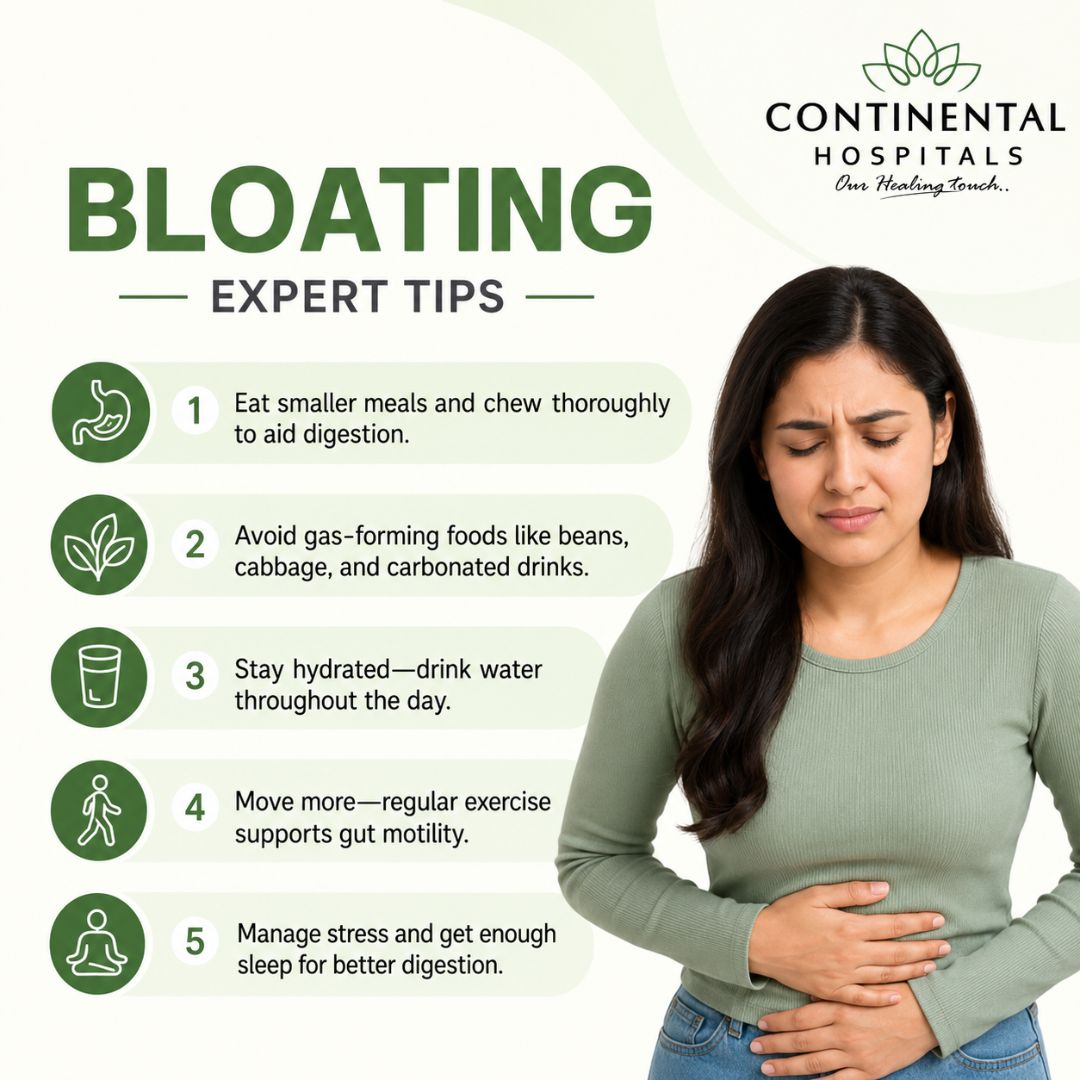
  • Eat More Slowly: You swallow a lot of air when you eat quickly, and this is a major contributor to constant bloating.
  • Pinpoint Your Problem Foods: Make a note of how your body reacts to beans, lentils, broccoli, and soda; these are some of the main culprits of bloating and gas.
  • Hydrate Daily: While you need to drink plenty of water to help prevent constipation, avoid taking large gulps of water during meals because that can also increase the amount of air swallowed.
  • Take a Light Walk: After lunch or dinner, spend twenty minutes walking around, and you’ll trigger intestinal contractions and learn how to get rid of bloating on your own.
How to Stop Bloating and Gas Problems Through Diet?

Every day, the foods you eat are controlling the health of your microbiome and therefore how much gas you produce during digestion.

  • Add Soluble Fiber Slowly: Taking in huge amounts of fiber can actually increase constant bloating, so add things like oatmeal or peeled zucchini in small amounts.
  • Try Your Own Carminative Herbs: Ginger, peppermint, and fennel tea are all natural stomach bloating remedies that help relax the intestinal muscles.
  • Check Your Polyol Intake: Sorbitol, xylitol, and other sugar substitutes that are found in diet products are hard to digest and act as a food source for gas-producing bacteria, which can greatly increase constant bloating.
  • Adopt Smaller, More Frequent Meals: Large meals expand the stomach and cause a backup in the digestive system, while smaller, more frequent meals prevent the backup that leads to constant bloating.

When Do Stomach Bloating Remedies Need Medical Attention?

While home remedies may ease occasional bloating, persistent bloating that lasts for weeks needs diagnostic testing in an expert setting.

  • Unexplained Weight Loss: Weight loss without diet is one of the most serious warning signs. Doctors should be called right away if your constant bloating is causing weight loss.
  • Severe and Ongoing Abdominal Pain: Pain that signals from your stomach and other organs does not respond to simple remedies. If it keeps you awake or makes you unable to do everyday tasks, it must be due to something serious.
  • Changes in Your Bowel Habits: When new stool changes such as chronic diarrhea, constipation, or bloody stools occur with persistent bloating, this should not be ignored.
  • Early Satiety or Difficulty Swallowing: If you feel full quickly or experience trouble swallowing associated with constant bloating, it is important to get a specialized examination by a gastroenterologist.

Why Continental Hospitals is Your Go-To for Digestive Health Issues?

When lifestyle modifications do not bring lasting relief, it is best to consult a reputable medical institution so that you receive the correct answers and optimal care plan. Continental Hospitals is considered to be the best hospital in Hyderabad for medical and surgical care.

International Healthcare Accreditations
Continental Hospitals is one of the leading healthcare providers with Joint Commission International (JCI) accreditation, and it is the first super-specialty hospital in India to get JCI accreditation within two years of its application. Continental has also received National Accreditation Board for Hospitals & Healthcare Providers (NABH) certification and gets the first Gold Seal after becoming a JCI-accredited hospital. Continental Hospitals is ensuring its medical safety and quality infrastructure by being accredited by Joint Commission International (JCI).

Second Opinion

Specialized Diagnostic Available
The Continental Institute of Gastroenterology and Liver Diseases is equipped with the latest diagnostic equipment like high-definition endoscopy, colonoscopy, and other breath test technologies to pinpoint the exact cause of your bloating. The unit has 21 specialized, modern modular operating theaters and an ultra-modern ICU facility to ensure patient safety. Continental Hospitals is combining international standards of care with a patient-centered focus to bring you the best of world-class clinical results literally from Hyderabad.

Conclusion

Bloated stomachs can be both physically draining and emotionally distressing, but you need not suffer in silence. Understanding the causes and making appropriate dietary changes can put your digestive well-being on the correct track. When lifestyle modifications are not enough, clinical evaluation by an expert will prevent small problems from worsening.

If you have complaints of abdominal discomfort, altered bowel habits, or recurrent pain, do not put off your medical evaluation. Consult our best gastroenterologist in Gachibowli at the earliest. Our internationally trained specialists will formulate a comprehensive treatment plan according to your health needs.

Related Blog Topics:

  1. Hot Water for Acidity & Bloating: Does It Really Help?
  2. Feeling Bloated Often? Foods That Improve Gut Health

Need an Appointment?

Frequently Asked Questions

Constant bloating can occur even when you follow a healthy diet. Certain nutritious foods such as beans, broccoli, cauliflower, onions, apples, and whole grains contain fibers and carbohydrates that ferment in the digestive tract. This fermentation produces gas, leading to abdominal fullness and discomfort. Eating large portions, consuming meals too quickly, or not chewing food thoroughly can also contribute to bloating. Food intolerances, especially to lactose, gluten, or artificial sweeteners, may trigger symptoms despite otherwise healthy eating habits. Hormonal fluctuations, stress, constipation, and imbalances in gut bacteria can further worsen bloating. Some people may experience bloating due to digestive disorders such as IBS or SIBO. Identifying personal food triggers and monitoring eating habits can help reduce symptoms. If bloating becomes persistent or severe, professional medical evaluation is recommended.
Food intolerance-related bloating often appears shortly after consuming specific foods. Common triggers include dairy products, gluten-containing grains, artificial sweeteners, and high-FODMAP foods. Symptoms may include abdominal swelling, gas, cramping, diarrhea, or digestive discomfort. Keeping a detailed food diary can help identify patterns between meals and symptoms. An elimination diet supervised by a healthcare professional may reveal problematic foods. Unlike food allergies, intolerances generally do not cause severe immune reactions but can significantly affect digestion. Lactose intolerance and fructose malabsorption are common examples. If symptoms consistently occur after eating certain foods, testing and professional guidance may be beneficial. Identifying and managing triggers often leads to significant improvement in bloating and overall digestive comfort.
Reducing chronic bloating often starts with making strategic dietary adjustments. Eating smaller, more frequent meals can help prevent excessive pressure on the digestive system. Limiting carbonated beverages, excessive salt, and highly processed foods may reduce water retention and gas production. Gradually increasing fiber intake allows the digestive tract to adapt without causing excess bloating. Drinking sufficient water supports healthy digestion and bowel regularity. Some individuals benefit from reducing high-FODMAP foods temporarily under professional supervision. Chewing food slowly and avoiding swallowing excess air can also help. Including probiotic-rich foods such as yogurt, kefir, or fermented vegetables may improve gut balance. Since triggers vary between individuals, tracking symptoms and dietary habits is often the most effective way to identify beneficial changes.
Yes, stress and anxiety can significantly affect digestive function and contribute to ongoing bloating. The gut and brain communicate through a complex network known as the gut-brain axis. When stress levels rise, digestive processes may slow down or become irregular, leading to gas accumulation and abdominal discomfort. Anxiety can also increase sensitivity to normal digestive sensations, making bloating feel more noticeable. Stress often influences eating behaviors, causing people to eat quickly, skip meals, or choose foods that trigger symptoms. Chronic stress may alter gut bacteria and impact intestinal motility. Relaxation techniques such as meditation, deep breathing, regular exercise, and quality sleep can support digestive health. Addressing both emotional and physical factors often provides the best long-term relief from stress-related bloating.
Occasional bloating is common, but persistent symptoms may require medical evaluation. You should consult a healthcare professional if bloating lasts for several weeks, worsens over time, or interferes with daily activities. Warning signs include unexplained weight loss, persistent abdominal pain, blood in the stool, severe constipation, chronic diarrhea, vomiting, or difficulty eating. These symptoms could indicate underlying digestive conditions such as IBS, inflammatory bowel disease, celiac disease, or other gastrointestinal disorders. Women experiencing new or unusual bloating should also discuss symptoms with their doctor, as hormonal and reproductive conditions can sometimes be involved. Early assessment can help identify the cause and prevent complications. A healthcare provider may recommend tests, dietary evaluations, or treatment options based on your specific symptoms.
Probiotics may help reduce bloating for some individuals by supporting a healthier balance of gut bacteria. These beneficial microorganisms can improve digestion, support regular bowel movements, and reduce excessive gas production. Certain probiotic strains have shown promise in managing symptoms associated with IBS and other digestive issues. However, results vary from person to person because each individual's gut microbiome is unique. Some people may experience temporary increases in gas or bloating when first starting probiotics. Choosing the right strain and dosage is important for achieving benefits. Fermented foods such as yogurt, kefir, kimchi, and sauerkraut naturally contain probiotics and may support digestive wellness. Consulting a healthcare professional can help determine whether probiotics are appropriate for your specific digestive concerns.
Dehydration can contribute to bloating by slowing digestion and increasing the likelihood of constipation. When the body lacks adequate fluids, the intestines absorb more water from waste material, making stools harder and more difficult to pass. This can result in abdominal fullness, discomfort, and visible bloating. In some cases, the body may also retain water as a protective response to dehydration, creating a sensation of puffiness or swelling. Drinking enough water supports healthy digestive function, nutrient absorption, and waste elimination. Adequate hydration also helps fiber work effectively within the digestive system. While water alone may not eliminate all causes of bloating, maintaining proper fluid intake is an important component of digestive health and symptom management.
Several lifestyle habits can help reduce bloating naturally and improve digestive comfort. Eating slowly and chewing food thoroughly minimizes swallowed air and supports efficient digestion. Regular physical activity encourages healthy intestinal movement and helps prevent gas buildup. Staying hydrated throughout the day supports bowel regularity and digestive processes. Limiting carbonated drinks, excessive alcohol, and high-sodium foods may reduce water retention and abdominal swelling. Maintaining consistent meal times can also promote better digestive function. Stress management techniques such as yoga, mindfulness, and adequate sleep help regulate the gut-brain connection. Tracking symptoms and identifying personal triggers allows for more targeted prevention strategies. Combining healthy eating habits with an active lifestyle often provides the most effective long-term approach to managing bloating.
Disclaimer: The information provided in this blog is intended for general knowledge and informational purposes only, and does not constitute medical advice. Always consult with a qualified healthcare professional for any medical concerns or before making any decisions about your health.

Get in Touch With Us

Whether you are from India or abroad, we are here to help you with your medical queries. Please fill out the form below and our team will connect with you shortly.

  • ✔ Quick response from our medical experts
  • ✔ Secure data handling & privacy
  • ✔ Easy upload for reports & documents
0 / 100
Checkboxes Section


Chat with our medical experts on WhatsApp for quick assistance and hassle-free appointment booking

Recent Posts
Language Based Image
0 / 100