.webp)

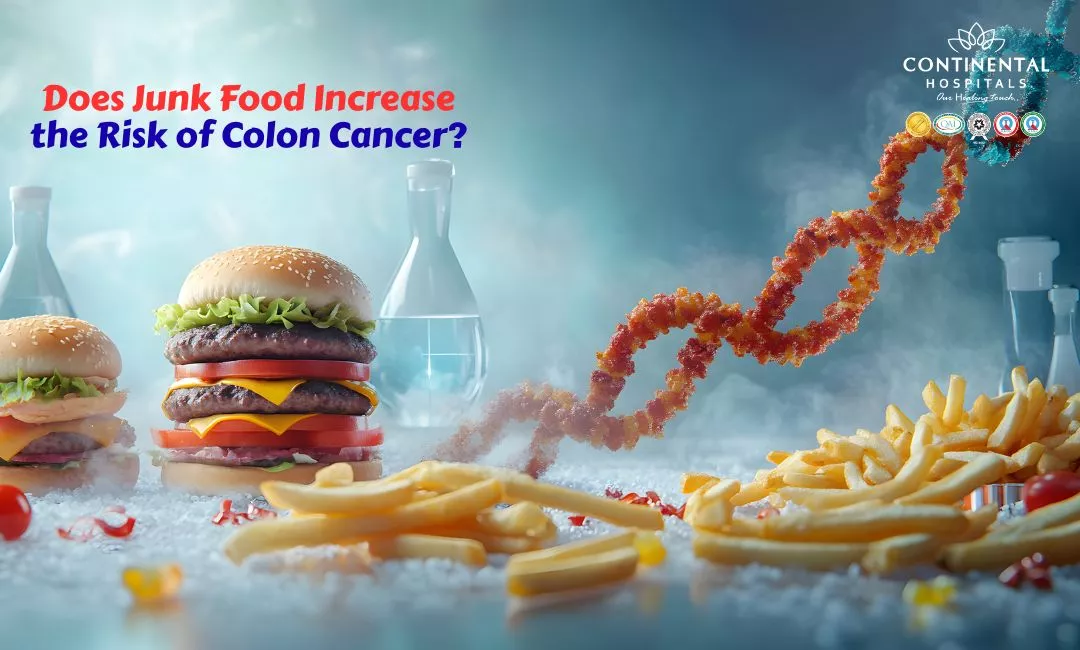
Colon cancer is one of the most common cancers affecting the digestive system. It develops in the large intestine, also called the colon, which plays an important role in absorbing nutrients and removing waste from the body. In recent years, doctors and researchers have been studying how lifestyle habits influence colon cancer risk. One major concern is the growing consumption of junk food.
Many people enjoy junk food because it is quick, tasty, and easily available. However, frequent intake of processed and fast foods may have serious health consequences. A common question people ask is: Does junk food increase the risk of colon cancer? Understanding the connection between junk food and colon cancer can help people make better dietary choices and protect long term health.
What Is Colon Cancer?
Colon cancer begins when abnormal cells start growing in the lining of the colon. These cells may form small growths called polyps. Some polyps are harmless, but others can slowly develop into colon cancer if not detected early.
Colon cancer may develop over several years. Early stages often show no symptoms, which is why regular screening and healthy lifestyle habits are important.
Common symptoms of colon cancer include
• Changes in bowel habits
• Blood in the stool
• Persistent abdominal discomfort
• Unexplained weight loss
• Fatigue or weakness
If these symptoms persist, medical evaluation is important for early detection and treatment.
Visit our gastroenterology department at Continental Hospitals, Hyderabad, for advanced screening, accurate diagnosis, and treatment for colon cancer and digestive disorders.
Colon Cancer Causes
There is no single cause of colon cancer. It usually develops due to a combination of genetic, lifestyle, and environmental factors.

Some of the common colon cancer causes include
• Diets high in processed foods and red meat
• Low fibre intake
• Obesity and physical inactivity
• Smoking and excessive alcohol consumption
• Family history of colon cancer
• Inflammatory bowel diseases
Among these factors, diet plays a significant role in digestive health. This is where the connection between junk food and colon cancer becomes important.
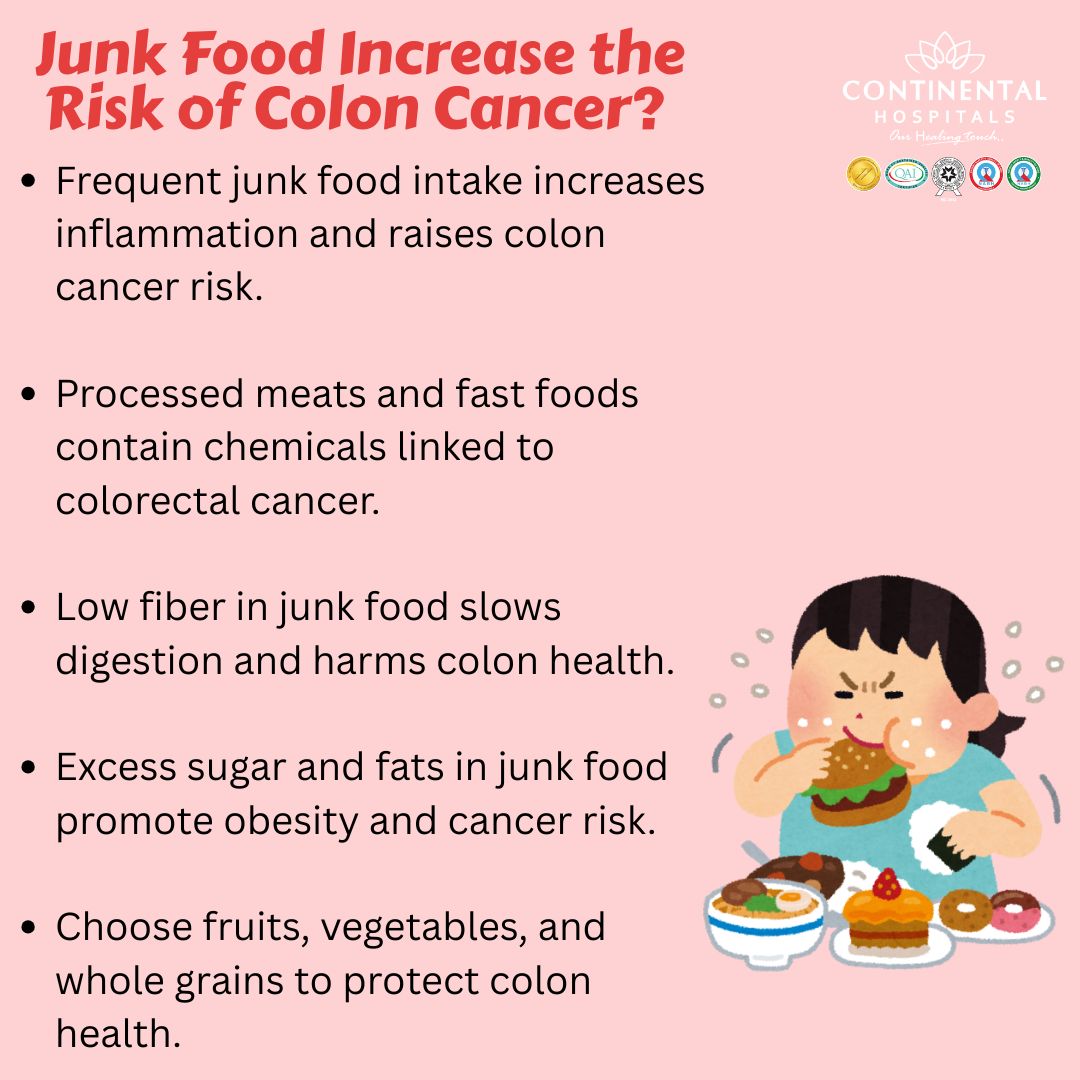
What Is Junk Food?
Junk food refers to foods that are high in calories but low in essential nutrients. These foods often contain large amounts of unhealthy fats, sugar, salt, and artificial additives.
Common examples of junk food include
• Fried foods
• Packaged snacks
• Fast food burgers and pizzas
• Sugary beverages
• Processed meats
• Instant noodles and ready to eat meals
Regular consumption of these foods can increase the risk of several health problems, including obesity, diabetes, heart disease, and certain types of cancer.
Junk Food and Colon Cancer: What Is the Connection?
Research suggests that poor dietary habits may increase the risk of colon cancer. Diets high in junk food often lack fibre and essential nutrients that support healthy digestion.
Here are some ways junk food may contribute to colon cancer risk.
Low Fibre Intake
Fibre plays an important role in maintaining colon health. It helps move waste through the digestive system and supports healthy gut bacteria.
Junk food is typically low in fibre. When fibre intake is low, waste may stay longer in the colon. This prolonged exposure may increase the chances of harmful substances affecting colon cells.
Processed Meats and Preservatives
Many junk foods contain processed meats such as sausages, bacon, and deli meats. These foods often contain preservatives like nitrates and nitrites.
When digested, these compounds may form substances that can damage cells in the colon lining. Over time, this damage may increase the risk of colon cancer.
High Fat and Sugar Content
Junk food is often rich in unhealthy fats and refined sugars. Diets high in these ingredients may contribute to obesity and metabolic disorders.
Excess body weight has been strongly linked to a higher risk of colon cancer. Fat tissue can produce inflammatory chemicals that may promote abnormal cell growth.
Impact on Gut Microbiome
The gut microbiome refers to the community of bacteria living in the digestive system. A balanced microbiome supports digestion, immunity, and colon health.
Frequent junk food consumption can disrupt this balance. Unhealthy diets may encourage harmful bacteria to grow while reducing beneficial microbes. This imbalance may increase inflammation and colon cancer risk.
Chronic Inflammation
Highly processed foods may trigger inflammation in the body. Chronic inflammation can damage tissues and create an environment where cancer cells may develop.
Long term inflammation in the colon may increase the likelihood of abnormal cell changes that lead to colon cancer.
Fast Food Health Risks
Fast food is a major part of junk food culture. While occasional consumption may not cause harm, regular intake may lead to several health risks.
Fast food health risks include
• Increased risk of colon cancer
• Obesity and weight gain
• High cholesterol levels
• Heart disease
• Insulin resistance and diabetes
• Digestive disorders
Reducing fast food consumption and choosing balanced meals can significantly improve overall health.
Foods That Help Reduce Colon Cancer Risk
While junk food may increase the risk of colon cancer, healthy food choices can help protect colon health.
Consider including the following foods in your daily diet
• Fruits and vegetables rich in antioxidants
• Whole grains such as oats and brown rice
• High fibre foods like beans and lentils
• Nuts and seeds
• Probiotic foods such as yogurt
• Lean protein sources like fish and legumes
These foods support healthy digestion, reduce inflammation, and promote a balanced gut microbiome.
Healthy Habits to Protect Colon Health
In addition to diet, lifestyle habits also influence colon cancer risk. Simple daily changes can make a significant difference.
Important preventive habits include
• Eating a balanced and fibre rich diet
• Limiting junk food and processed meats
• Staying physically active
• Maintaining a healthy body weight
• Drinking enough water
• Avoiding smoking and excessive alcohol
• Undergoing regular colon cancer screening
Early detection greatly improves treatment outcomes for colon cancer.
Why Choose Continental Hospitals for Colon Cancer Care?
Continental Hospitals is widely recognized as one of the best hospitals in Hyderabad for comprehensive cancer care. The hospital offers advanced diagnosis, treatment, and prevention services for colon cancer and other gastrointestinal conditions.
Continental Hospitals is accredited by leading national and international healthcare organizations, reflecting its commitment to high standards of patient safety, clinical excellence, and quality care.
The hospital features modern medical infrastructure, advanced diagnostic technologies, and multidisciplinary teams of experienced specialists who work together to provide personalized treatment plans.
Patients benefit from
• Expert gastroenterologists and oncologists
• Advanced diagnostic imaging and screening facilities
• Multidisciplinary cancer care teams
• Patient focused treatment planning
• World class medical infrastructure
This comprehensive approach ensures accurate diagnosis and effective treatment for colon cancer.
Conclusion
Colon cancer is a serious but preventable disease in many cases. Diet plays an important role in maintaining colon health. Regular consumption of junk food may increase colon cancer risk due to low fibre content, processed ingredients, unhealthy fats, and disruption of gut health.
Making healthier food choices, staying active, and undergoing routine health screenings can significantly reduce the risk of colon cancer. Small lifestyle changes today can protect long term digestive health and overall wellbeing.
Are you experiencing persistent digestive symptoms such as changes in bowel habits, abdominal discomfort, or unexplained weight loss? Early evaluation is important for detecting colon cancer at an early stage.
Consult our best gastroenterology specialists at Continental Hospitals, the best hospital in Hyderabad, for advanced screening, accurate diagnosis, and comprehensive treatment for colon cancer and other digestive disorders. Early medical guidance can make a life saving difference.
Related Blog Topics: