• Share this:
post-title

How Anxiety Disorders Affect Physical and Mental Health

Written by - Editorial Team
Medically Reviewed by - Dr Shwetha Purkanti

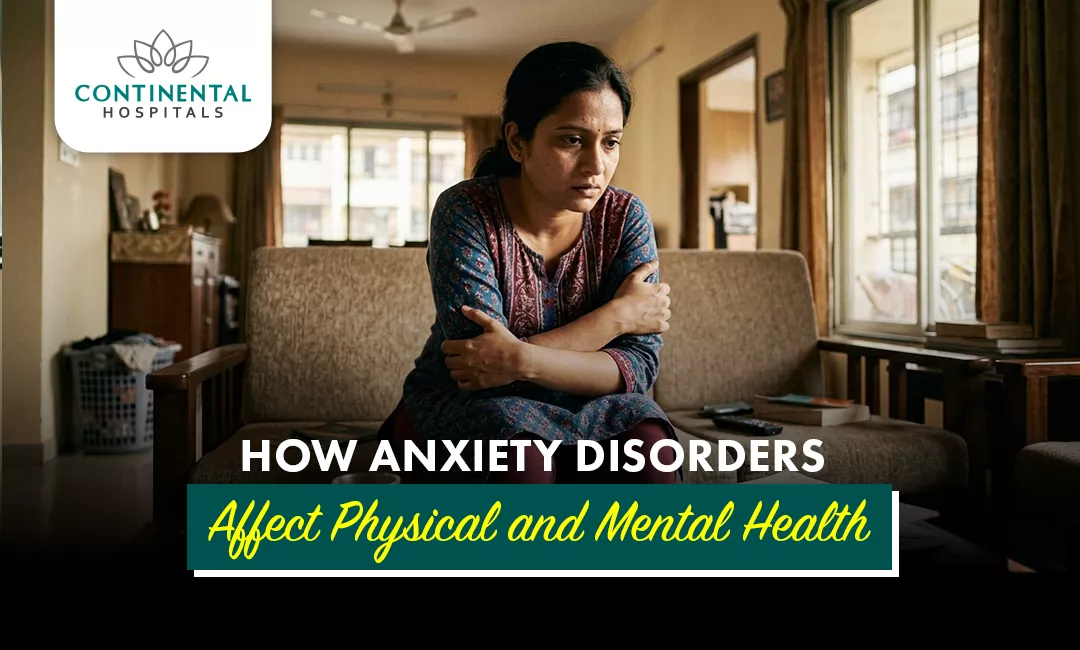
Everyone will experience stress or anxiety at some point in their life. However, when they do not disappear and begin to disrupt your daily routine, they may be a symptom of an anxiety disorder. These conditions are not simply short-term fears; they are more complicated medical conditions where thoughts, feelings, and everyday functioning are altered.

But understanding the link between mental health and anxiety is only the beginning. Many people are not aware that the repercussions anxiety disorders have reach beyond the mind. There is a very robust link between mental and physical health, so your body regrettably is feeling the stress like your brain does. This can, if untreated, lead to many physical issues.

In this article, we will discuss why anxiety impacts your health and the ways it does so. We will go over what the symptoms of anxiety disorders are, as well. We will also explain how anxiety disorder treatment can help you regain control of your life and increase your overall health and happiness.

What Exactly Are Anxiety Disorders?

An anxiety disorder is marked by worry, or intense worry; that is, you worry too much about everyday matters. Of course you fear panic before you give a big speech or some such thing. This happens only once or twice. In an anxiety disorder, you have sudden bouts of panic that can happen over and over again, and the feelings swirl and build up; it can peak in minutes. These are not moods you can just shake off. They are illnesses. It's important to find out what causes these feelings to arise. Millions of people suffer from an anxiety disorder, but most seek help only after weeks or months of trying to manage it alone. The first step to bringing yourself relief is to educate yourself about the condition.

Visit the Psychiatry Department at Continental Hospitals for compassionate, confidential, and personalized mental healthcare.

What is the connection between anxiety and mental health?

When you have an anxiety disorder, your brain is in a state of hyperacutely constant alertness. This state of hyperacutely constant alertness can lead to a number of significant mental health challenges.

  • Constant worry: It's difficult to stop thinking about all the things that could go wrong.
  • Poor concentration: It's difficult to concentrate on key tasks or to remember things.
  • Irritability: The strong mental stress can make you feel irritated or angry.
  • Sleep issues: Your mind is full of all kinds of thoughts at night, which prevents you from sleeping.
  • Social difficulties: You may experience panic in social situations and thus avoid socializing.

These mental health challenges associated with anxiety disorders can cause a great deal of weariness with normal activities.
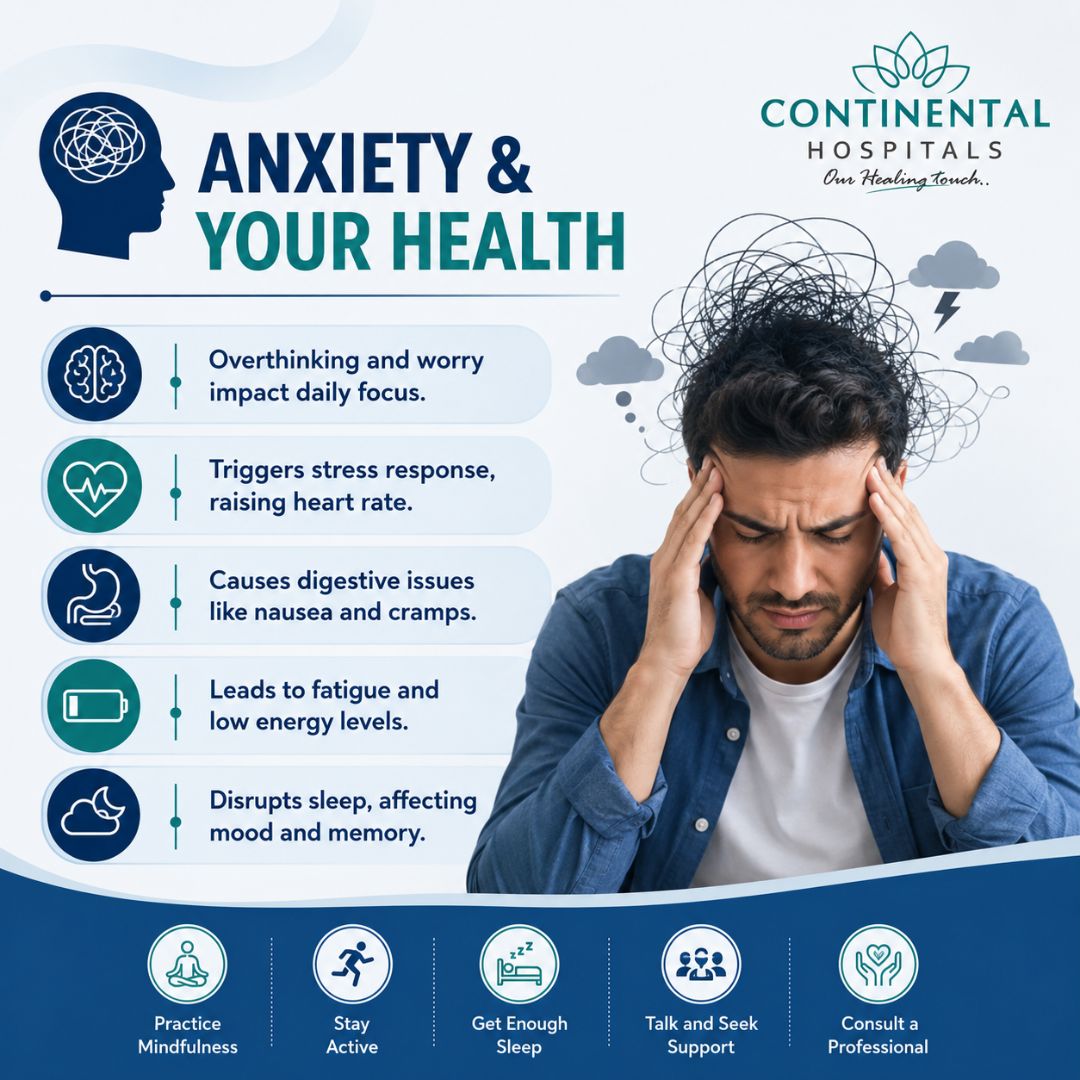
What Is the Connection Between Anxiety and Physical Health?

Your brain and body are connected. That's why there's a strong relationship between anxiety and your physical health. Anxiety disorders cause your brain to send signals to your body that you are in real danger. As such, your body will automatically trigger your fight or flight response even when there is no danger.

Second Opinion

  • Cardiovascular System: You will notice your heart rate increases and your blood pressure rises.
  • Respiratory System: Your breathing will become shallow and rapid, leaving you feeling lightheaded.
  • Digestive System: Due to worry, you may have digestive problems or even stomach aches.
  • Muscular System: Your muscles will feel tense as they prepare for danger, leading to chronic body aches.

The link between your health and anxiety is undoubtedly real and should never be ignored.

What Are The Common Symptoms Of Anxiety Disorder?

Anxiety disorder symptoms may manifest themselves in a variety of ways. While some people primarily suffer mental symptoms, for others, it is a purely physical problem. By knowing the more common symptoms, you can catch them earlier. Below are the most common symptoms of an anxiety disorder:

  • A feeling of restlessness, anxiety, or feeling tense all the time.
  • Sudden feeling of impending doom or panic.
  • Rapid breathing and increased heart rate.
  • Feeling your hands or legs tremble or sweat suddenly.
  • Feeling weak or excessively tired even after resting.
  • Digestive problems and stomach aches.
  • Difficulty focusing on anything but your current worry.

If frequent anxiety disorder symptoms arise for you, you should get help for them.

What Are the Long-Term Effects of Anxiety Disorders?

The long-term effects of anxiety disorders can be truly devastating if left untreated. Your immune system may be compromised by an excess of stress hormones, which could result in you being more susceptible to everyday illnesses. Muscle tension from the constant stress can lead to frequent headaches or back aches. You may also suffer from mental complications like depression. It’s best to take action early in treatment for anxiety disorders to avoid these long-term effects and protect your overall well-being.

What Is the Best Anxiety Disorder Treatment?

The important thing to realize is that these disorders are incredibly treatable. Here is an outline of what is typically included as a core approach to anxiety disorder treatment.

  • Therapy: Working with an expert, you can identify what triggers your anxiety. Therapy will also equip you with practical coping skills to modify negative thinking patterns.
  • Medication: Doctors can prescribe specific medication to help adjust brain chemistry and reduce panic.
  • Lifestyle Changes: Daily exercise, a regular diet, and mindfulness practices can help support your anxiety disorder treatment plan.

Finding the right anxiety disorder treatment will help you take control and manage your symptoms.

Why Choose Continental Hospitals For Your Care?

Finding the right medical support is essential for mental health care. Continental Hospitals is the best hospital in Hyderabad for complete healthcare. We offer reliable, comfortable, and reassuring care to all patients. Continental Hospitals is accredited by both JCI and NABH. These advanced-level accreditations signify that we comply with the highest international standards for patient safety and medical care. Selecting Continental Hospital means selecting a dedicated team of professionals primarily working in unison with evidence-based medical therapy. Our specialist physicians have an in-depth awareness of the complex interrelationship between mental health and physical health. So you are not only appeasing your anxieties but also receiving the comprehensive care you need. We treat the root cause to deliver better health.

Need an Appointment?

Conclusion

Anxiety disorders represent serious medical conditions that permeate all aspects of your life. The impact of anxiety disorders may be daunting, but you do not have to face them alone. Now that you have clearly identified the symptoms of anxiety disorder and have recognized the profound link between anxiety and mental health, you can take proactive steps toward your own recovery. Professional anxiety disorder treatment by medical experts is the best way to safeguard your health. Care for your mind is just as important as caring for your body.

If you suffer from any of the symptoms mentioned above, or if your mental well-being is affecting your daily life, consult our experts today. At Continental Hospitals, we provide a safe space for you to discuss your concerns and find a treatment plan tailored specifically to your needs. Consult our best psychiatrist in Hyderabad at Continental Hospitals.

Related Blog Topics:

  1. Mental Health Awareness: Coping Strategies
  2. Top 7 Risk Factors That Can Trigger Anxiety Disorders

Frequently Asked Questions

Anxiety disorder is a mental health condition characterized by excessive fear, worry, or nervousness that persists over time and interferes with daily life. While occasional anxiety is a normal response to stress, anxiety disorders can become chronic and impact both mental and physical health. People may experience persistent feelings of apprehension, difficulty concentrating, irritability, and sleep disturbances. Physically, anxiety can trigger headaches, muscle tension, fatigue, digestive problems, and increased heart rate. Long-term anxiety may contribute to elevated blood pressure and cardiovascular strain. It can affect work performance, relationships, and social interactions. Individuals may avoid situations that trigger anxiety, leading to isolation and reduced quality of life. Early recognition and treatment can help manage symptoms effectively. Professional support, lifestyle modifications, and stress management techniques often improve outcomes. Seeking timely medical advice is important when symptoms become persistent or disruptive.
Anxiety disorders can cause a wide range of physical symptoms because the body's stress response becomes overactive. Common symptoms include rapid heartbeat, palpitations, chest tightness, shortness of breath, dizziness, sweating, trembling, and muscle tension. Some people experience frequent headaches, fatigue, or unexplained body aches. Digestive symptoms such as nausea, bloating, diarrhea, or stomach discomfort are also common. Sleep disturbances, including difficulty falling asleep or staying asleep, can further worsen physical health. Chronic anxiety may weaken the immune system and increase susceptibility to illness. Symptoms can vary in intensity and may sometimes resemble other medical conditions. This overlap often causes additional worry and health-related anxiety. A comprehensive medical evaluation can help determine whether symptoms are related to anxiety or another underlying condition. Proper diagnosis is essential for effective treatment and symptom management.
Anxiety disorders can significantly impact mental health by causing persistent worry, fear, and emotional distress. Individuals may struggle with concentration, decision-making, and memory due to constant anxious thoughts. Anxiety often leads to feelings of restlessness, irritability, and being overwhelmed by everyday situations. Over time, chronic anxiety can reduce self-confidence and affect self-esteem. Many people experience difficulty enjoying activities they once found pleasurable. Anxiety may also contribute to social withdrawal and avoidance behaviors, limiting personal and professional growth. Emotional exhaustion can develop when the mind remains in a prolonged state of alertness. Anxiety disorders frequently coexist with depression and other mental health conditions. Untreated symptoms can interfere with relationships, work performance, and academic achievement. Early intervention, counseling, and appropriate treatment can help restore emotional balance and improve overall well-being.
Yes, chronic anxiety can have a significant impact on cardiovascular health. Anxiety activates the body's fight-or-flight response, leading to increased heart rate, elevated blood pressure, and the release of stress hormones such as cortisol and adrenaline. When this response occurs frequently, it may place additional strain on the heart and blood vessels. People with anxiety often experience palpitations, chest discomfort, and feelings of breathlessness. Persistent stress may contribute to inflammation and unhealthy lifestyle habits that affect heart health. Anxiety can also worsen existing cardiovascular conditions and increase symptom perception. Sleep disturbances associated with anxiety may further elevate cardiovascular risk. Although anxiety alone does not always cause heart disease, it can be an important contributing factor. Managing stress, maintaining healthy habits, and seeking professional support can help reduce long-term cardiovascular effects. Individuals with recurring chest symptoms should seek medical evaluation promptly.
The digestive system is closely connected to the brain through the gut-brain axis, making it highly sensitive to anxiety and stress. Anxiety can alter digestive function and lead to symptoms such as nausea, bloating, abdominal discomfort, diarrhea, constipation, and indigestion. Stress hormones may affect gut motility and increase sensitivity within the gastrointestinal tract. Some individuals notice worsening symptoms during periods of heightened anxiety. Chronic anxiety may also contribute to appetite changes, resulting in overeating or loss of appetite. Poor eating habits associated with stress can further aggravate digestive issues. Existing conditions such as irritable bowel syndrome may become more severe when anxiety is not adequately managed. Sleep deprivation caused by anxiety can additionally affect digestion and metabolism. Addressing both mental and digestive health is important for symptom relief. Medical evaluation is recommended if gastrointestinal symptoms become persistent or severe.
Anxiety disorders are a common cause of sleep disturbances and can significantly affect daily functioning. Persistent worrying and racing thoughts may make it difficult to fall asleep or remain asleep throughout the night. Poor sleep quality often results in daytime fatigue, reduced concentration, and impaired productivity. Individuals may find it challenging to manage routine responsibilities at work, school, or home. Sleep deprivation can worsen anxiety symptoms, creating a cycle that becomes difficult to break. Mood changes, irritability, and decreased motivation are also common consequences. Over time, chronic sleep disruption may affect physical health, immune function, and emotional resilience. Anxiety-related fatigue can reduce participation in social and recreational activities. Healthy sleep habits, stress management, and professional treatment can improve both sleep quality and overall functioning. Seeking help early can prevent symptoms from becoming more severe.
Treatment for anxiety disorders typically involves a combination of psychological therapies, lifestyle modifications, and, when appropriate, medication. Cognitive behavioral therapy is one of the most effective approaches and helps individuals identify and change unhelpful thought patterns. Counseling can improve coping skills and emotional resilience. Regular physical activity, stress management techniques, and relaxation exercises may reduce anxiety symptoms naturally. Adequate sleep, balanced nutrition, and limiting caffeine intake can also support recovery. In some cases, healthcare providers may prescribe medications to help manage symptoms. Treatment plans are personalized based on the type and severity of anxiety. Consistent follow-up is important to monitor progress and adjust therapy when needed. Many individuals experience significant improvement with appropriate care. Early diagnosis and intervention often lead to better long-term outcomes and improved quality of life.
Medical help should be sought when anxiety symptoms become persistent, overwhelming, or begin interfering with daily activities. Warning signs include excessive worry that is difficult to control, panic attacks, ongoing sleep problems, difficulty concentrating, and avoidance of normal situations or responsibilities. Physical symptoms such as chest pain, palpitations, dizziness, or shortness of breath should also be evaluated to rule out other medical conditions. Anxiety that affects work performance, relationships, or overall quality of life requires professional attention. Individuals experiencing symptoms of depression alongside anxiety should seek timely assessment. Early intervention can prevent symptoms from worsening and reduce the risk of complications. Healthcare professionals can provide an accurate diagnosis and recommend appropriate treatment options. Support from mental health specialists, counselors, and physicians can be highly beneficial. Seeking help is an important step toward recovery and improved well-being.
Disclaimer: The information provided in this blog is intended for general knowledge and informational purposes only, and does not constitute medical advice. Always consult with a qualified healthcare professional for any medical concerns or before making any decisions about your health.

Get in Touch With Us

Whether you are from India or abroad, we are here to help you with your medical queries. Please fill out the form below and our team will connect with you shortly.

  • ✔ Quick response from our medical experts
  • ✔ Secure data handling & privacy
  • ✔ Easy upload for reports & documents
0 / 100
Checkboxes Section


Chat with our medical experts on WhatsApp for quick assistance and hassle-free appointment booking

Recent Posts
Language Based Image
0 / 100