post-title

How Arthroscopy Helps in Treating Sports Injuries

Written by - Editorial Team
Medically Reviewed by - Dr GK Sudhakar Reddy

Sports injuries can be devastating, affecting both professional athletes and weekend warriors alike. Whether it's a torn ligament, damaged cartilage, or a fracture, such injuries can keep you away from the activities you love. Fortunately, advancements in medical technology have brought about minimally invasive procedures like arthroscopy that help treat these injuries effectively. If you’ve been struggling with a sports injury and are looking for a way to recover quickly and safely, arthroscopy may be the solution for you.

What Is Arthroscopy?

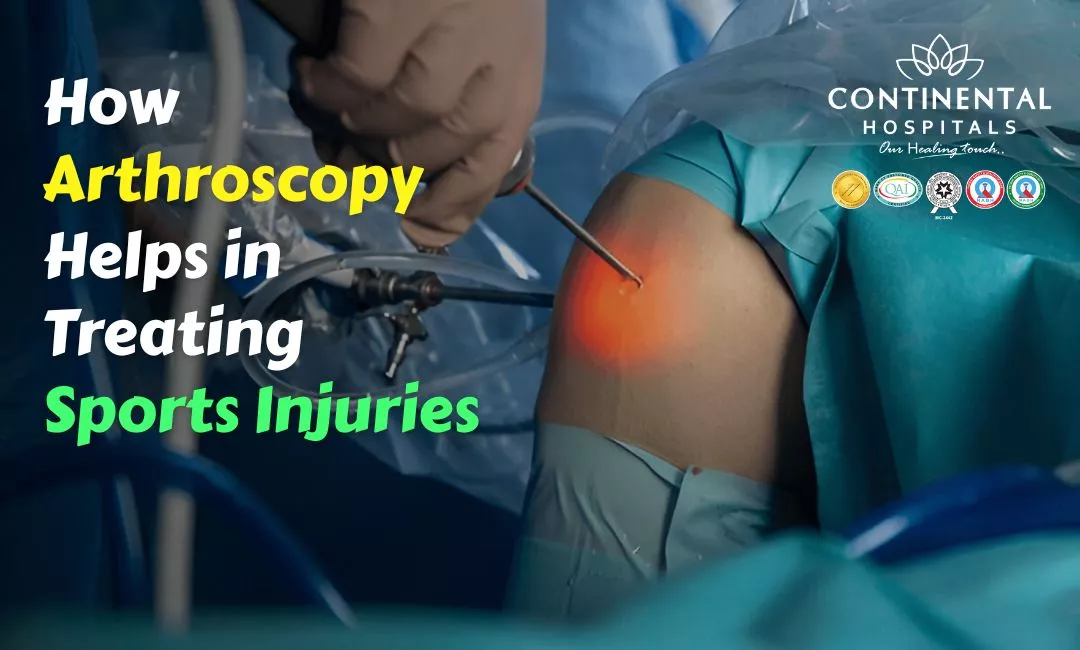
Arthroscopy is a minimally invasive surgical procedure used to diagnose and treat joint problems. It involves inserting a small camera (arthroscope) into a joint through tiny incisions. This allows doctors to see the inside of the joint without making large cuts, which means less pain, quicker recovery, and smaller scars. This procedure is commonly used to treat injuries in the knee, shoulder, elbow, hip, and ankle areas often affected by sports activities.
If you're experiencing joint pain, don't wait. Visit the top orthopedic doctors in Hyderabad at Continental Hospitals, Hyderabad, and consult our experienced orthopedic specialists for expert diagnosis and personalized treatment.

How does arthroscopy help in treating sports injuries?

When you suffer a sports injury, traditional open surgery may not always be the best option. Open surgery involves making larger incisions, which means longer recovery times and a greater risk of infection. Arthroscopy offers a safer, quicker alternative, and here’s why:

Quick Diagnosis and Treatment: Arthroscopy allows doctors to examine the inside of the joint in real-time. This means they can identify the exact cause of the injury, such as a torn ligament or damaged cartilage. Once the issue is identified, the surgeon can use specialized tools through the arthroscope to repair the injury immediately, all while minimizing damage to the surrounding tissue.

Minimal Recovery Time: Since arthroscopy involves smaller incisions, patients experience less trauma to the body. This results in less pain and swelling, and many people can return to their regular activities faster than with traditional surgery. For athletes or active individuals, this faster recovery time means they can get back to their sport in a fraction of the time.

Reduced Risk of Infection: The smaller incisions used in arthroscopy also significantly lower the risk of infection compared to traditional surgery. With fewer openings in the skin, the chance for bacteria to enter the body is minimized, making it a safer option for patients.

Effective Treatment of Various Injuries: Arthroscopy can treat a wide range of sports injuries, including:

Second Opinion

  • Knee injuries, Such as torn ACLS or meniscal tears.
  • Shoulder injuries: Like rotator cuff tears or labral tears.
  • Ankle injuries, including cartilage damage or ligament tears.
  • Elbow injuries, Such as tendinitis or cartilage damage.

These injuries often occur in sports that require sudden movements, twisting, or heavy impact. Arthroscopy can help repair these injuries and allow the patient to regain mobility without significant delays.

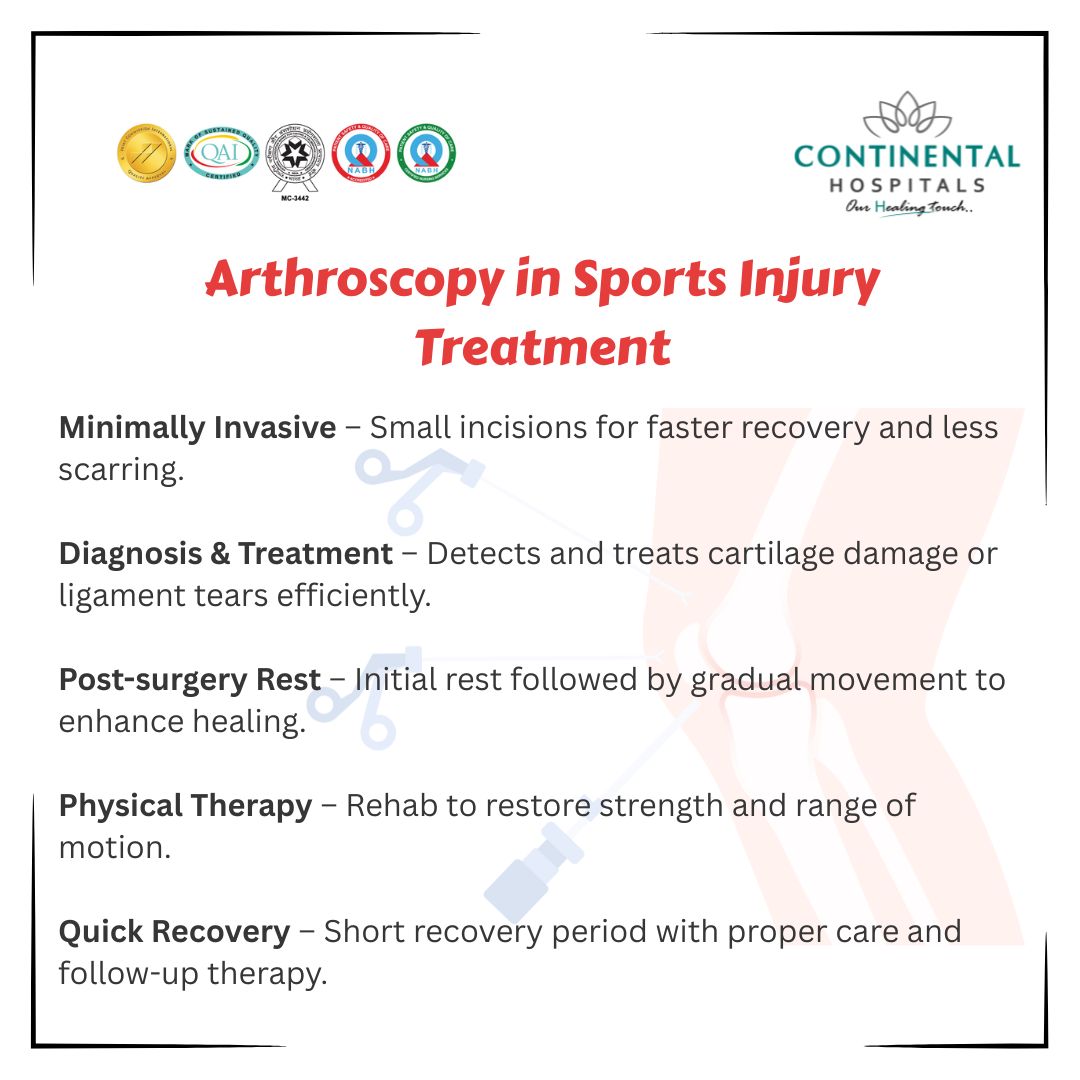
Minimally Invasive Procedure: One of the main benefits of arthroscopy is that it is minimally invasive. The small incisions reduce trauma to the surrounding muscles and tissues, making the recovery process less painful and quicker than traditional open surgery. This also reduces the chances of developing complications such as blood clots or scarring.

What are the benefits of arthroscopy for athletes?

For athletes, getting back into the game is crucial. The sooner you can recover, the better, and that’s where arthroscopy shines. Here’s why arthroscopy is ideal for sports enthusiasts:

Less Pain, Faster Recovery: Because arthroscopy is less invasive, the pain experienced after surgery is significantly reduced. Many patients only need a few days of rest before they can start rehabilitation exercises. In contrast, traditional surgery often requires weeks of recovery and physical therapy.

Return to Play: Athletes who undergo arthroscopy often experience quicker recovery times, enabling them to return to their sport sooner. While recovery time can vary depending on the injury and the type of surgery performed, many athletes find themselves able to return to their sport within a few months—much sooner than they would after traditional surgery.

Preserving Joint Function: By using minimally invasive techniques, arthroscopy allows for precise treatment of the injury without unnecessarily disturbing the surrounding tissue. This helps preserve the overall function of the joint, which is crucial for athletes who rely on full range of motion and strength for peak performance.

Lower Risk of Long-Term Joint Damage: Athletes often experience recurring injuries or long-term damage to their joints. Arthroscopy can not only treat the injury at hand but also reduce the risk of future problems by addressing underlying issues like damaged cartilage or unstable ligaments.

Need an Appointment?

Why Choose Continental Hospitals for Arthroscopy?

At Continental Hospitals, we understand the importance of getting you back to your active lifestyle as quickly and safely as possible. Here’s why choosing Continental Hospitals for your arthroscopy procedure is the right decision:

Expert Surgeons: Our team of orthopedic surgeons is experienced in performing arthroscopy for sports injuries. They are well-versed in the latest techniques and technology, ensuring you receive the best care possible.

State-of-the-Art Facilities: Our hospital is equipped with cutting-edge equipment and diagnostic tools, allowing for precise and effective treatment. You’ll benefit from our modern surgical suites, which are designed to minimize risk and promote recovery.

Comprehensive Care: We offer a holistic approach to treatment, from pre-surgery consultations to post-surgery rehabilitation. Our physical therapy team is dedicated to helping you regain strength and mobility so you can return to your sport with confidence.

Patient-Centered Approach: At Continental Hospitals, we prioritize your comfort and well-being. From the moment you step into our hospital, you’ll receive personalised care tailored to your specific needs and recovery goals.

Conclusion

Sports injuries don’t have to sideline you permanently. Arthroscopy provides a quick, effective, and minimally invasive way to treat a wide range of sports-related injuries. By choosing Continental Hospitals for your arthroscopy treatment, you’ll be in the hands of experienced professionals who can help you recover faster and get back to doing what you love.

If you're experiencing joint pain, don't wait—contact our healthcare team at Continental Hospitals in Hyderabad today. Consult the Best Orthopedic Specialists in Hyderabad

Frequently Asked Questions

Arthroscopy is a minimally invasive surgical procedure used to diagnose and treat problems inside a joint. During the procedure, an orthopedic surgeon inserts a tiny camera called an arthroscope through a small incision to view the joint in detail. Specialized instruments are then used to repair damaged tissues without making large cuts. Arthroscopy is commonly performed on the knee, shoulder, ankle, elbow, hip, and wrist. It helps treat sports injuries such as ligament tears, cartilage damage, meniscus injuries, and tendon problems. Because the incisions are small, patients usually experience less pain, minimal blood loss, and reduced scarring. Recovery is often faster compared to traditional open surgery. Most athletes can begin rehabilitation sooner and gradually return to their sport. The procedure also lowers the risk of infection and helps preserve healthy tissues surrounding the joint. Arthroscopy has become a preferred option for many sports-related injuries because it offers accurate diagnosis and effective treatment with quicker recovery.
Arthroscopy is widely used to treat many common sports injuries affecting different joints. In the knee, it is commonly performed for meniscus tears, anterior cruciate ligament (ACL) injuries, cartilage damage, and loose bone fragments. Shoulder arthroscopy is used for rotator cuff tears, labral tears, shoulder instability, and impingement syndrome. Athletes with ankle ligament injuries, cartilage defects, or persistent joint pain may also benefit from arthroscopy. Hip arthroscopy helps manage labral tears and femoroacetabular impingement. Elbow arthroscopy is useful for removing loose bodies and treating sports-related stiffness. The procedure allows surgeons to repair damaged structures while preserving healthy tissues. Early diagnosis and treatment help prevent long-term joint damage. Arthroscopy also supports faster rehabilitation and improved joint function. It is considered one of the most effective surgical options for many sports injuries.
Arthroscopic surgery offers several advantages over traditional open surgery. The procedure requires only small incisions, resulting in less tissue damage and reduced pain after surgery. Smaller wounds also lead to lower blood loss and minimal scarring. Patients generally have a shorter hospital stay, and many procedures are completed as day-care surgeries. The risk of infection is lower because the incisions are small. Arthroscopy provides highly detailed visualization of the joint, allowing precise diagnosis and treatment. Most patients recover faster and can begin physiotherapy earlier. Athletes often regain strength and mobility more quickly than with open surgery. Daily activities can usually be resumed sooner depending on the type of injury. Overall, arthroscopy improves patient comfort, speeds recovery, and delivers excellent clinical outcomes for many sports-related conditions.
Recovery after arthroscopic surgery depends on the type of injury, the joint involved, and the specific procedure performed. Minor procedures may allow patients to return to normal activities within a few weeks. More complex surgeries, such as ACL reconstruction or rotator cuff repair, require several months of rehabilitation. Physical therapy plays a vital role in restoring strength, flexibility, balance, and joint function. Following the surgeon's instructions is essential for a successful recovery. Most patients experience less pain and swelling compared to open surgery. Regular follow-up appointments help monitor healing and recovery progress. Athletes should return to sports only after receiving medical clearance. A gradual return to training reduces the risk of re-injury. With proper rehabilitation, many patients achieve excellent long-term outcomes and safely resume their active lifestyle.
Yes, arthroscopy is considered a safe and effective procedure for both professional and recreational athletes when performed by experienced orthopedic surgeons. The minimally invasive technique reduces damage to surrounding muscles and tissues. Most patients experience less postoperative pain and recover faster than with traditional surgery. Arthroscopy allows precise repair of damaged ligaments, cartilage, tendons, and other joint structures. Every surgical procedure carries some risks, including infection, bleeding, blood clots, or stiffness, but these complications are relatively uncommon. Careful preoperative evaluation helps determine whether arthroscopy is the best treatment option. Rehabilitation after surgery is essential for restoring strength and function. Athletes should closely follow their physiotherapy program to achieve the best results. Many athletes successfully return to competitive sports after completing rehabilitation. Long-term outcomes are generally very positive with appropriate treatment and follow-up care.
Athletes should consider arthroscopic surgery when conservative treatments fail to relieve pain or restore joint function. Persistent pain, swelling, instability, locking, or limited movement may indicate significant joint damage. Doctors usually recommend rest, medications, physiotherapy, and activity modification before considering surgery. If imaging studies such as MRI reveal ligament tears, cartilage injuries, or meniscus damage requiring repair, arthroscopy may be advised. Early surgical intervention may help prevent further joint deterioration in certain cases. The decision depends on the athlete's age, activity level, sport, and treatment goals. A detailed evaluation by an orthopedic specialist is necessary before planning surgery. Arthroscopy aims to restore joint stability, reduce pain, and improve performance. Timely treatment also supports faster rehabilitation and a safer return to sports. Personalized treatment planning ensures the best possible recovery outcomes.
In many cases, arthroscopy helps reduce the risk of long-term joint damage by repairing injuries before they worsen. Untreated ligament tears, cartilage injuries, or meniscus damage can lead to chronic pain, instability, and early osteoarthritis. Arthroscopic procedures restore joint alignment and improve overall function. Repairing damaged tissues at the right time helps protect healthy cartilage from further wear. The procedure also removes loose fragments that may cause additional joint damage. Successful rehabilitation strengthens surrounding muscles and improves joint stability. While arthroscopy cannot completely eliminate the risk of arthritis, it can significantly improve long-term joint health when combined with appropriate rehabilitation. Early diagnosis and treatment are key to achieving the best outcomes. Regular follow-up care also supports long-term recovery and injury prevention.
Athletes can lower their risk of serious joint injuries by following proper injury prevention strategies. Regular strength training helps support muscles around the joints and improves stability. Warm-up exercises before sports and stretching afterward prepare the body for physical activity. Using correct sports techniques and appropriate protective equipment reduces injury risk. Gradually increasing training intensity helps avoid overuse injuries. Adequate rest allows muscles and joints to recover between workouts. Maintaining a healthy body weight reduces stress on weight-bearing joints such as the knees and ankles. Early medical evaluation of pain or swelling prevents minor injuries from becoming severe. Following rehabilitation programs completely after an injury also lowers the chance of recurrence. Taking preventive measures helps athletes stay active and may reduce the likelihood of requiring arthroscopic surgery in the future.
Disclaimer: The information provided in this blog is intended for general knowledge and informational purposes only, and does not constitute medical advice. Always consult with a qualified healthcare professional for any medical concerns or before making any decisions about your health.

Get in Touch With Us

Whether you are from India or abroad, we are here to help you with your medical queries. Please fill out the form below and our team will connect with you shortly.

  • ✔ Quick response from our medical experts
  • ✔ Secure data handling & privacy
  • ✔ Easy upload for reports & documents
banner_image

Chat with our medical experts on WhatsApp for quick assistance and hassle-free appointment booking

Recent Posts