.webp)

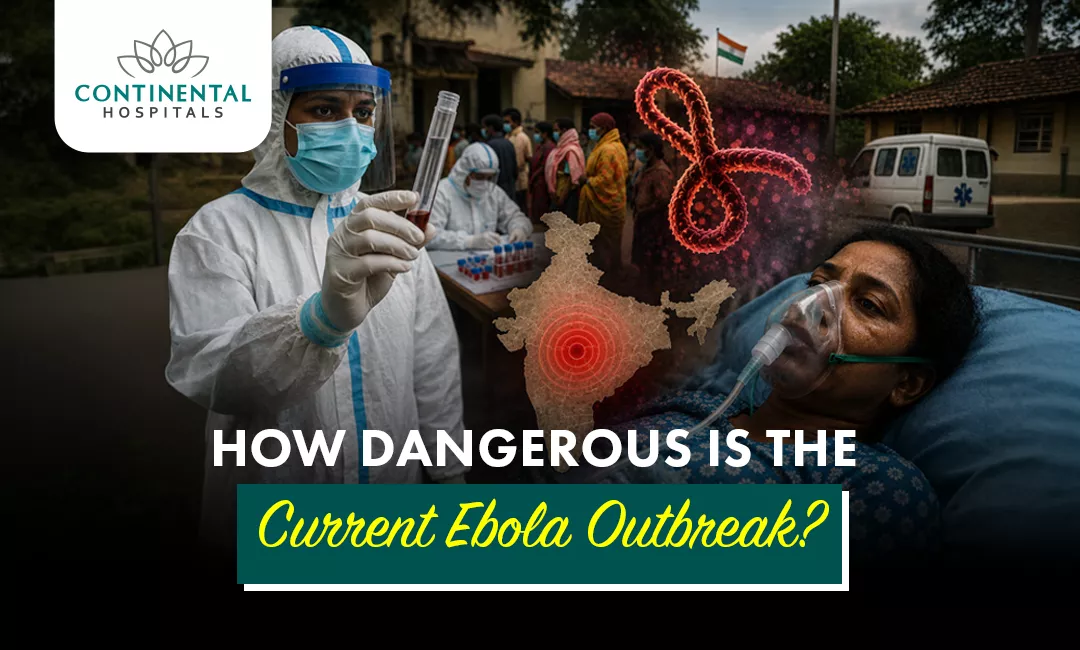
These days, Ebola and its outbreaks have captured the attention of many around the world. Ebola is an uncommon outbreak compared with many other infectious diseases. However, it is still one of the most serious viral diseases because of its high fatality rate and the likelihood of spreading quickly in affected areas. To learn more about the current situation, read on.
Are there people wondering what Ebola is, how it spreads, and whether the current outbreak is a threat to the entire planet? No matter how advanced our modern healthcare system is and no matter how much we’ve progressed our public health efforts, Ebola still warrants close attention because of its dangerous symptoms and the risk of complications.
Knowledge of the disease is one of the most powerful weapons we have against infectious diseases. Understanding the causes of the disease, how to recognize its symptoms and how to protect yourself and others significantly reduces the fear surrounding it and helps to counter misinformation.
What Is Ebola?
Ebola is a highly fatal disease that is caused by the Ebola virus and is a member of the Filoviridae virus group. Primarily, it affects human and certain animal species.
Observations of the disease were first made by scientists in 1976. It was discovered near the Ebola River in what is now the Democratic Republic of Congo. Since the first observation, the disease has been widely observed in several outbreaks in Africa, the most recent of which were in West Africa.
Concerned about Ebola or other infectious diseases? Visit our Infectious Diseases Department at Continental Hospitals for expert evaluation, accurate diagnosis, and comprehensive care.
What Is the Ebola Outbreak 2026?
The Ebola outbreak of 2026 is a public health concern because public health officials around the world have identified new cases and are working to implement means to stop further spread. Even though the majority of cases in current outbreaks are limited geographically, outbreaks of Ebola are always a public health concern due to the seriousness of the disease.
Major concerns include:
- Quick spread of the disease through direct contact
- Fatality rates and serious complications
- Nosocomial spread within the health-care setting
- Difficulty containing the outbreak in the current location of spread
What Are the Symptoms of Ebola?
Early signs and symptoms of Ebola are quite similar to other viral infections and may make diagnosis difficult in the early stages of the illness.

Early symptoms include:
- Sudden onset of a high fever
- Severe headache
- Muscle aches
- Weakness and fatigue
- Sore throat
Later in the course of the disease, the following symptoms may appear:
- Vomiting
- Diarrhea
- Abdominal pain
- Skin rash
- Internal and external bleeding
- Severe organ failure
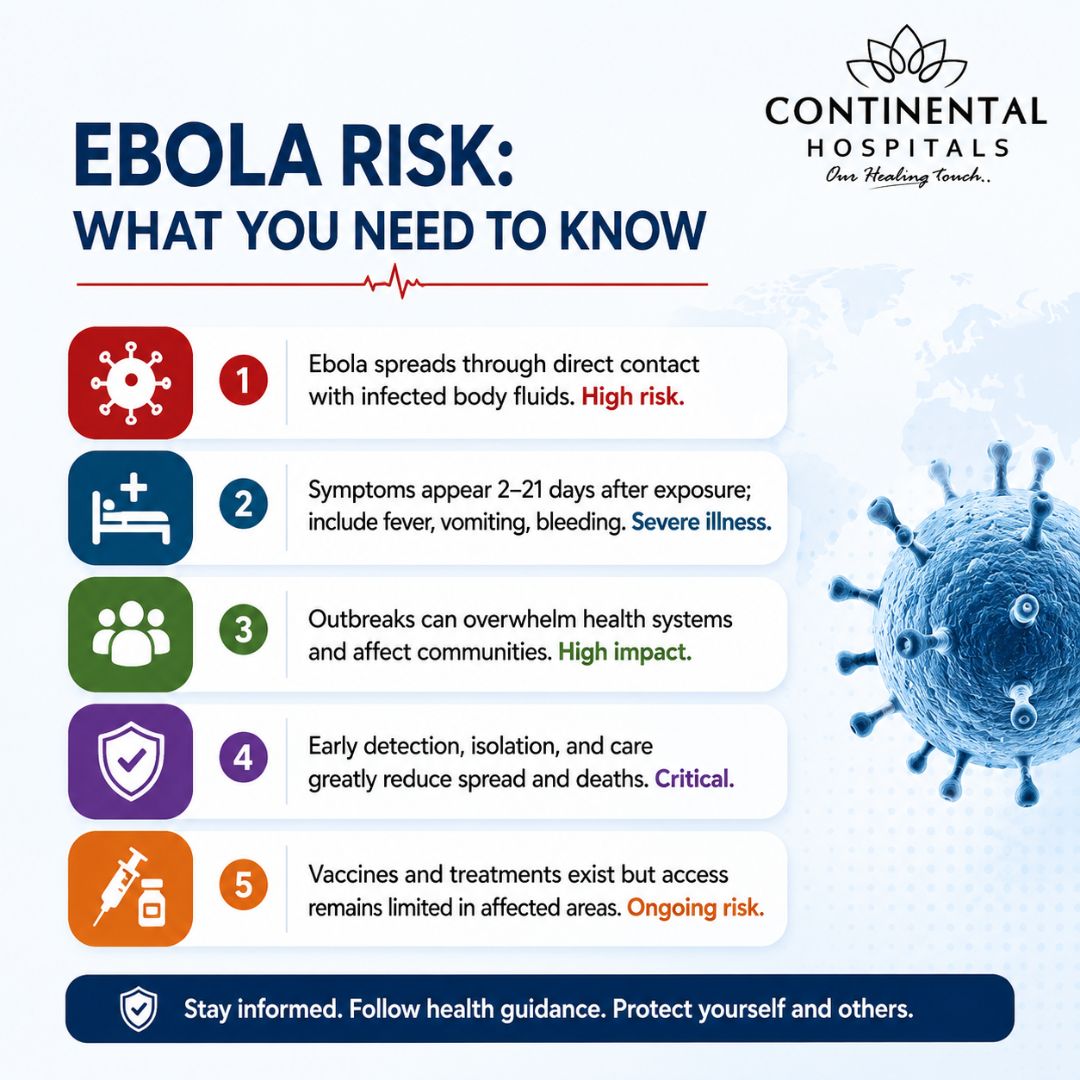
Symptoms usually appear anywhere from 2-21 days after exposure to the Ebola virus.
What Causes Ebola?
The Ebola virus causes the disease. Most human infections begin with contact with an infected animal, and then spread from person to person.
It can be transmitted by:
- Direct contact with infected blood or body fluids
- Contact with contaminated surfaces or objects
- Contact with infected animals
- Contact with the body of a person who has died from Ebola disease
Other than casual social contact and airborne transmission (as is seen with the common flu), Ebola is not transmitted.
Who Is At Risk of Ebola Infection?
Certain groups of people have a higher risk of exposure to the virus during an outbreak.
The main groups at risk are:
- Health-care workers treating patients and their families
- People traveling to areas where an outbreak is occurring
- People whose jobs involve handling infected plant or animal material
- Laboratory workers handling infected plant or animal material
- People involved in burial practices.
Proper infection-control measures are critical and greatly reduce the chances of infection.
How Is Ebola Diagnosed?
Ebola is difficult to recognize because, in its early stages, it is similar to other infections.
Doctors diagnose the disease based on:
- Polymerase Chain Reaction (PCR) testing
- Antigen detection tests
- Blood tests
- Viral isolation tests
The sooner a diagnosis is made, the better the outcomes for patients and the much lesser spread of infection.
How Is Ebola Treated?
There is no one cure for Ebola at present, though substantial advances in treatment have improved patient survival.
Treatment involves:
- Replacing fluids through an IV
- Managing electrolytes
- Oxygen support
- Stabilizing blood pressure
- Treating secondary infections
- Advanced critical care monitoring
Depending on clinical guidelines and the patient's eligibility, some approved therapies and antibodies may be used.
How Can Ebola Be Prevented?
Prevention is best during an Ebola outbreak.
Key prevention strategies are the following:
- Take care to avoid contact with infected persons
- Wash hands often
- Wear protective equipment when caring for patients
- Pay attention to public health advisories
- Avoid hunting or handling potentially infected animals
- See a doctor if you develop symptoms after contact
Vaccination programs also have an important role to play in controlling outbreaks in high-risk areas.
What Lifestyle Precautions Can You Take During an Ebola Outbreak?
Here are a few simple measures that can lower the risk:
- Stay informed by seeking reliable health resources
- Avoid unnecessary travel in outbreak-affected regions
- Practice good personal hygiene
- Follow infection control recommendations
- Seek timely medical care after likely exposure
Being aware and prepared can help people make informed choices during public health emergencies.
When Do You Need to See a Doctor?
Call your doctor or the nearest hospital if:
- You develop a fever after visiting the outbreak-affected region
- You have been in contact with a person having a confirmed Ebola diagnosis
- You have severe flu-like symptoms after likely exposure
- You notice unexplained bleeding or sudden severe weakness
Prompt medical care improves the chances of a better outcome and lowers the risk of disease spread.
Why Choose Continental Hospitals to Treat Ebola?
At Continental Hospitals, we aim to provide the best possible healthcare for patients, including infectious disease specialists. Our facility boasts the specialized medical expertise and infrastructure required for infectious disease management.
What Makes Continental Hospitals A Good Choice?
- Infectious disease specialists
- Cutting-edge IE diagnostic and treatment technology
- Multidisciplinary team approach
- Patient-tailored treatment plans
- Accredited Healthcare Excellence by JCI
- Quality Standards Accredited by NABH
- High-standard infrastructure
- 24X7 Emergency and critical care services
- Patient safety and care standards
- Dedicated infection prevention and control services
Our multidisciplinary team works to provide a timely, accurate diagnosis, evidence-based treatment, and compassionate care to complex infectious disease patients.
Conclusion
The Ebola outbreak of 2026 is a stark reminder that infectious diseases are still a major global public health problem. Although Ebola disease is a serious disease, recent developments in surveillance, diagnostics, treatment, and vaccination are helping to minimize Ebola disease outbreaks. Know what Ebola is, what the Ebola symptoms are, and how to reduce the spread of Ebola. These are some of the essential knowledge you should have to stay safe from infections. To fight against this potentially fatal disease, it is necessary to stay informed about the Ebola outbreak and be ready to seek medical attention in every possible scenario.
Consult our best infectious disease specialists in Hyderabad at Continental Hospitals about any Ebola-related questions. Go to Continental Hospitals for the best diagnosis, treatment, and care.
Related Blog Topics: