.webp)

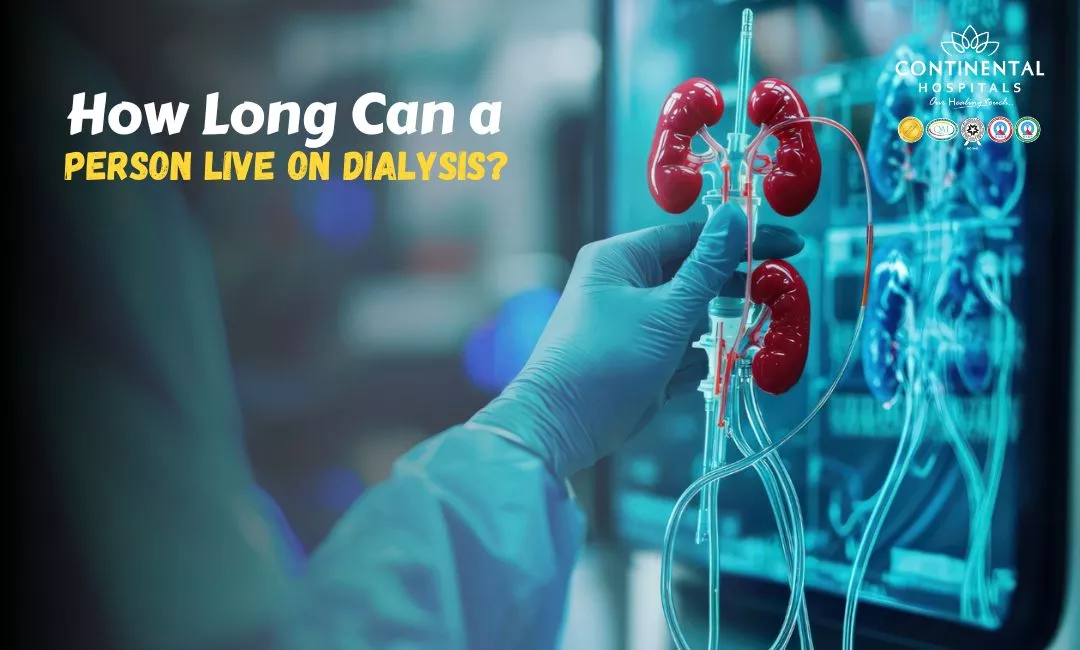
When someone is told they need dialysis, one of the first questions they ask is simple and honest. How long can you live on dialysis? This concern is natural. Dialysis becomes part of life when the kidneys can no longer do their job properly. Understanding dialysis life expectancy, kidney failure survival, and living with dialysis helps patients and families feel more prepared and hopeful.
At Continental Hospitals, patients receive advanced kidney care focused on safety, comfort, and long term health. This article explains kidney dialysis duration, end stage kidney disease survival, and how proper care can improve dialysis patient life.
What Is Dialysis and Why Is It Needed?
Dialysis is a treatment that performs the function of failed kidneys. Healthy kidneys remove waste, extra fluid, and toxins from the blood. When someone develops chronic kidney disease dialysis becomes necessary if the kidneys stop working well enough.
This condition is also called end stage kidney disease. Without dialysis or a kidney transplant, waste builds up in the body, which can be life threatening. Dialysis helps maintain balance and supports kidney failure survival.
There are two main types
- Hemodialysis, where blood is filtered through a machine
- Peritoneal dialysis, which uses the lining of the abdomen to filter blood
Both methods help extend dialysis treatment lifespan and allow people to continue daily life.
How Long Can You Live on Dialysis?
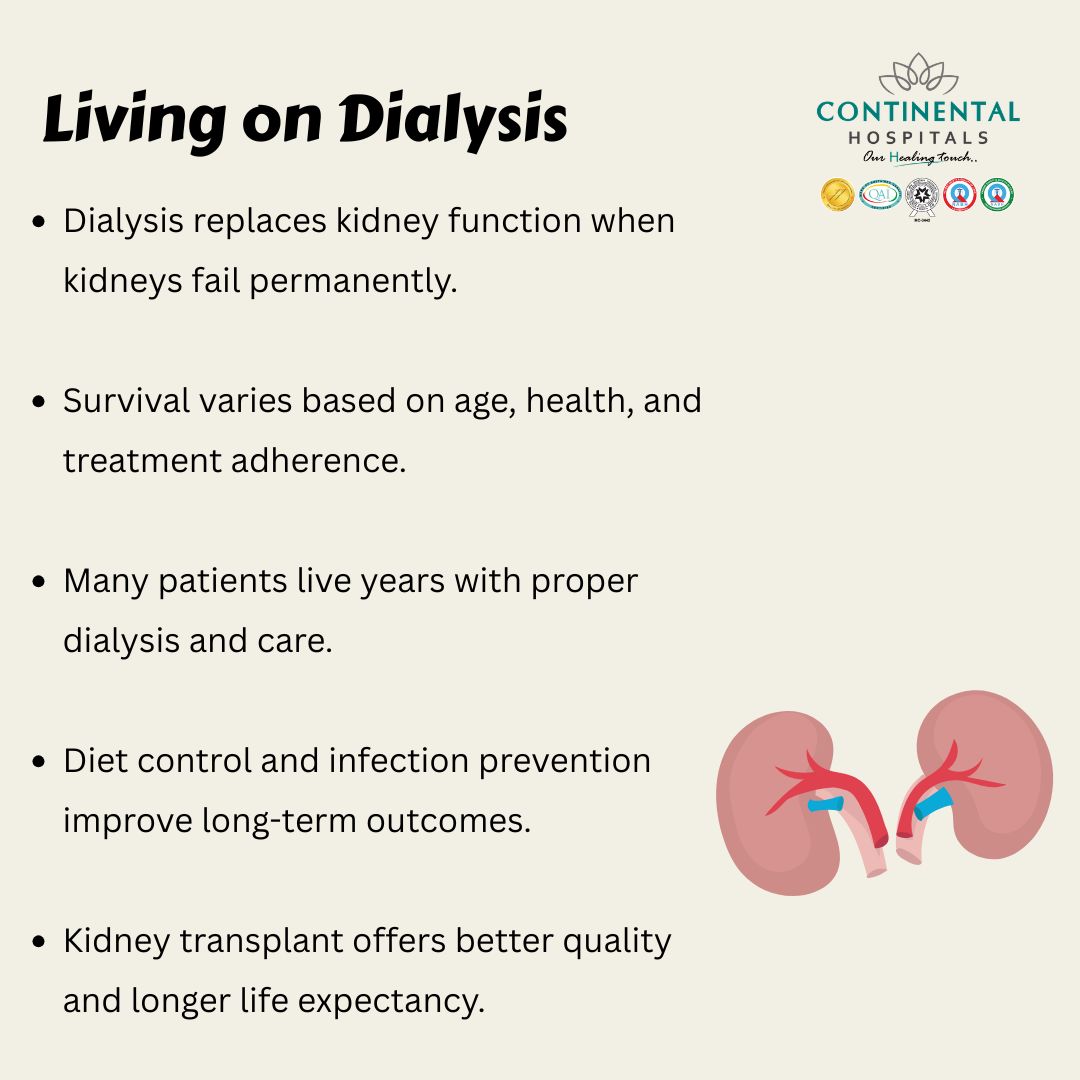
There is no single answer. Dialysis life expectancy varies from person to person. Some people live for many years or even decades on dialysis. Others may have a shorter kidney dialysis duration depending on their overall health.
Several factors influence dialysis survival rate

- Age of the patient
- Other health problems like diabetes or heart disease
- How early dialysis was started
- Diet and lifestyle habits
- Regular follow up care
- Infection prevention
- Mental and emotional wellbeing
Many patients live productive lives with proper chronic kidney disease dialysis management. Living with dialysis does not mean life stops. It means life changes and requires structured medical care.
What Improves Dialysis Patient Life?
Patients often wonder how to improve kidney failure survival. The answer lies in daily care and medical support.
Important habits include
- Following a kidney friendly diet
- Controlling blood pressure and blood sugar
- Taking medications exactly as prescribed
- Not missing dialysis sessions
- Staying physically active as advised
- Avoiding smoking and alcohol
- Monitoring fluid intake
- Reporting symptoms early
This disciplined routine supports longer dialysis treatment lifespan and better end stage kidney disease survival.
Emotional Health Matters Too
Living with dialysis can feel overwhelming at first. Some patients worry about their independence, work life, or family responsibilities. Emotional support plays a major role in dialysis survival rate.
Counselling, family involvement, and support groups help patients adapt. When patients stay positive and informed, dialysis life expectancy often improves.
Can Someone Stop Dialysis?
This is a common question. Dialysis replaces kidney function. Stopping dialysis without a kidney transplant leads to serious complications. Decisions about treatment should always be made with a nephrologist.
Patients at Continental Hospitals are guided with compassion and medical clarity to make informed choices about kidney dialysis duration.
Signs Dialysis Is Working Well
Good response to dialysis shows through
- Stable weight between sessions
- Controlled blood pressure
- Good appetite
- Improved energy levels
- Balanced blood test results
When treatment is optimized, kidney failure survival improves and dialysis patient life becomes more manageable.
Why Choose Continental Hospitals for Dialysis Care?
Choosing the right hospital plays a huge role in dialysis life expectancy. Continental Hospitals is recognized as a best hospital in Hyderabad for advanced kidney care.
Key strengths include
- International quality standards and strong accreditation systems
- Dedicated nephrology specialists
- Advanced dialysis technology
- Strict infection control protocols
- Personalized treatment plans
- Nutrition guidance for kidney patients
- Emergency care support
- Patient education programs
The hospital follows a comprehensive Ghee Health approach that focuses on whole body wellness, balanced nutrition, and sustainable recovery. This method supports long term kidney failure survival and improves living with dialysis.
Dialysis and Quality of Life
People often think dialysis means poor quality of life. This is not true. Many patients work, travel, and enjoy family time while on dialysis.
Managing chronic kidney disease dialysis properly allows patients to maintain independence. With medical supervision, dialysis treatment lifespan can extend significantly.
Common Questions Patients Ask
Is dialysis painful?
Most patients adjust quickly. Minor discomfort may occur but the procedure is generally well tolerated.
Can dialysis cure kidney disease?
Dialysis supports life but does not cure kidney damage. A transplant is the only long term replacement option.
How often is dialysis needed?
Hemodialysis is usually done several times a week. Peritoneal dialysis may be done daily at home.
Does age affect dialysis survival rate?
Yes, younger patients with fewer health problems often have longer kidney dialysis duration.
Conclusion
So, how long can a person live on dialysis? The answer depends on overall health, medical care, and lifestyle. Many people live for years with dialysis when treatment is consistent and guided by specialists.
Dialysis life expectancy continues to improve with modern technology and expert nephrology care. With the right support system, kidney failure survival can be significantly extended and dialysis patient life can remain meaningful and active.
If you or a loved one is facing kidney failure, do not delay care. Early intervention improves dialysis survival rate and protects overall health. Consult our best Nephrology specialist at Continental Hospitals for expert evaluation, advanced dialysis support, and comprehensive chronic kidney disease dialysis management designed to improve kidney dialysis duration and long term survival.