• Share this:
post-title

HPV Vaccine in 2026: Latest Recommendations, Benefits & Safety Facts

Written by - Editorial Team
Medically Reviewed by - Dr. Veerla Swathi

Human Papillomavirus (HPV) is causing the number one common birth control method across the globe. As the principal cause of cervical cancer across the world, medical communities in India and abroad have advocated for years that this form of cancer is largely preventable if early steps are taken and followed appropriately. Cervical cancer accounts for almost a quarter of the disease burden in India, and the time has come to take preventive healthcare beyond mere medical advice and into an essential public health concern.

Slowly but surely, 2026 has become a year of increased awareness and implementation. New clinical guidelines have been introduced, and public health initiatives have garnered significant backing from research worldwide. Those in the healthcare profession now see the hpv vaccine as the number one tool for ensuring the long-term health of the next generation. It is only fitting that all parents and young adults should understand how such a simple step can protect them from a multitude of different cancers.

Vaccine advocacy is paramount in breaking down the myths surrounding the safety and eligibility for the most common vaccine administered worldwide. With modern technology, research breakthroughs, and indigenous production, parents and young adults in India can enjoy protection from this infection and related cancers at a fraction of the cost. This guide reviews the updated 2026 recommendations, the science behind hpv vaccines, and why these steps should be a priority.

What is the HPV vaccine explained in simple terms?

The hpv vaccine is an immunization injection chosen to defend your body against hpv infection. HPV means 200+ different types of similar viruses. While many types are harmless, most resolve by themselves through natural immunity; some (which are high risk, HPV 16 and 18) persistently change your cells, almost leading them to become cancer within 5 years.

The hpv vaccine contains virus-like particles that look just like the outer shell of the virus (but there is no virus DNA in it). So it is not possible for the vaccine to infect. Instead, it educates your immunity to forge strong antibodies. If the virus later infects you, those antibodies instantly recognize the real virus and kill it before it has a chance to damage your cells.

What are the major HPV vaccine advantages for long-term health?

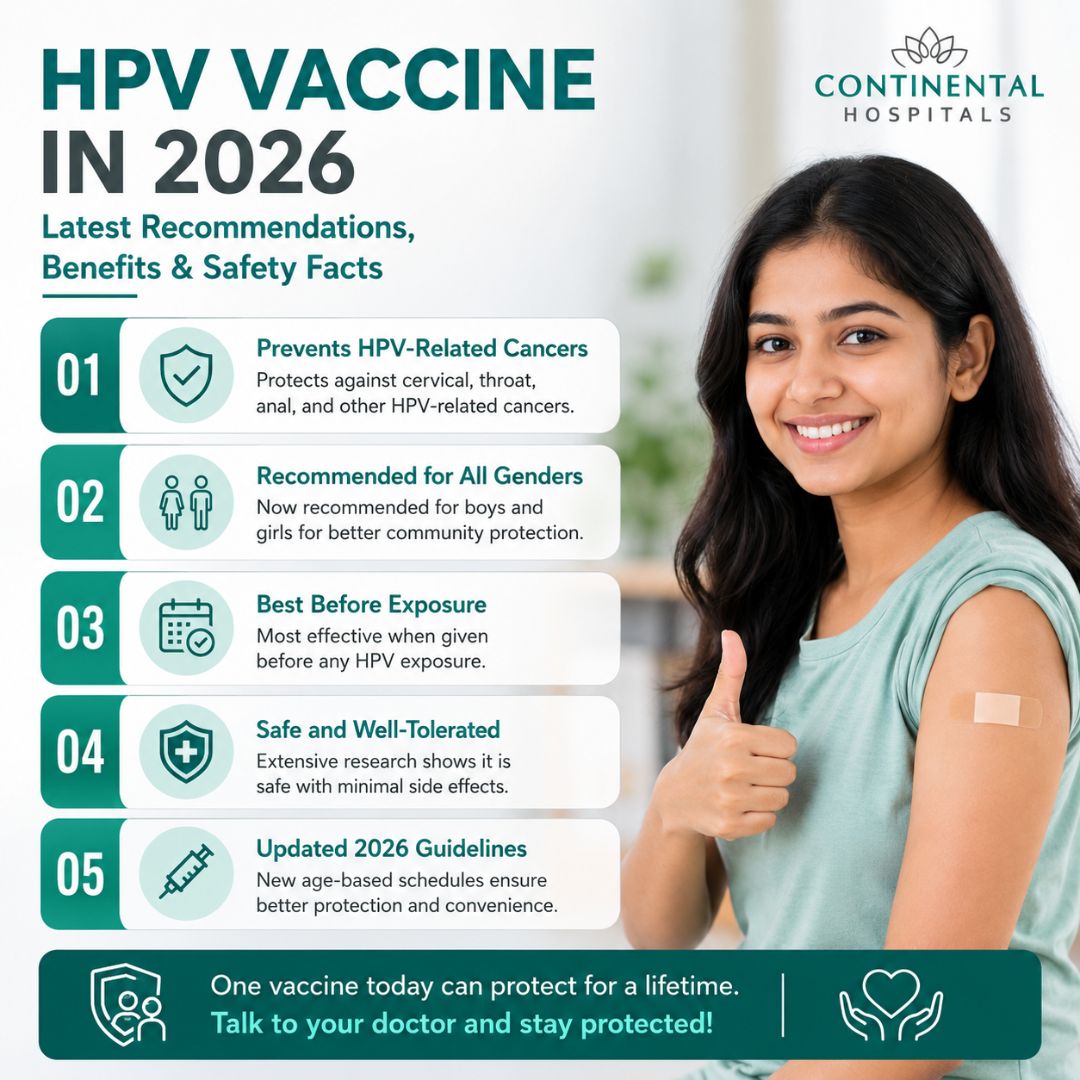
The most important and highly commended HPV vaccine advantage is its potential to prevent cervical cancer. Clinical trials indicate that once given before any viral exposure, the vaccine offers 95% to 100% protection from these cancer-causing virus types.

Other than cervical cancer, the vaccine also provides extensive protection from other major health risks such as:

  • Vaginal and vulvar cancers in females
  • Penile cancer in males
  • Anal and throat (oropharyngeal) cancers in females and males
  • Painful and extremely recurrent genital warts (most common due to hpv 6 and 11).
What new HPV vaccine India guidelines have been adopted in 2026?

2026 is a historic year for HPV vaccine India guidelines. After the nationwide HPV vaccine rollout by the government, the vaccine has taken up a complementary role to the routine national immunization schedule practice in most states of the country. Currently, the medical community has come to an agreement that the most effective way of accessing community immunity to HPV is to immunize children in the ideal time window.

Second Opinion

As per the recommendations of the Indian Academy of Paediatrics (IAP) and other professional bodies, the suggested dosage regimes are:

The Ideal Age Range (9-14 years): During this period children have an excellent immune response. Immunization required in the form of 2-dose schedule (0 and 6 months apart)

Catch-Up Phase (15-26 years): a catch-up immunization is required for teenagers and young adults missing their early doseCausing a pre-cancerous condition, in which case 3 doses of immunization are needed in the schedule of 0, 2, and 6 months.

Adults ranging from 27 to 45 years: The vaccine is efficacious for immunization even after sexual debut for adults upto 27 to 45 years, but it is conditional on input from your physician after evaluating risk factors

What are the side effects of the HPV vaccine in india?

Most high-risk HPV strains are asymptomatic for years. This is the major reason why HPV is such a risk. Depending on strains, symptoms will occur in the 2 following ways:

  • Genital warts: small, flesh-colored growth around the genital area
  • Pre-cancerous symptoms: Pain in pelvic area, abnormal bleeding (menstrual flow can be heavy) between periods, or bleeding after intercourse

How is an infection diagnosed?

No routine blood test can detect HPV, and diagnosis is made using screening tests:

  • Pap Smear: Routine screening that involves gently scraping cells from the cervix to evaluate for abnormal cellular changes
  • HPV DNA test: A molecular test that is performed at the same time as the Pap smear to check for the presence of high-risk viral DNA

Is the HPV vaccine safe, and what are the side effects?

The safety of hpv vaccine options is the biggest concern of parents and doctors alike when recommending vaccine options to their patients. Over 135 million doses of HPV vaccine have been given around the world and have more than 15 years of diligent surveillance behind it.

Need an Appointment?

The vaccine is very safe, and the side effects are mild, temporary, and resolve within 24-48 hours. These typically include:

  • Mild redness, swelling or pain at the injection site
  • Low-grade fever
  • Mild headache or temporary fatigue

Why Choose Continental Hospitals for HPV Prevention and Care?

Continental Hospitals is a leading clinic for comprehensive healthcare, which is focused on preventive medicine and providing the best patient support. We offer:

  • Expert specialists: Your trusted gynecologists, pediatricians, and oncologists offer the best support and advice for your family's needs.
  • Advanced technology & infrastructure: Our state-of-the-art diagnostic facilities for Pap smears, liquid-based cytology, and advanced DNA testing for HPV ensure the best possible accuracy.
  • Multidisciplinary care: All departments can seamlessly work together to provide comprehensive support for your preventive and/or therapeutic needs.
  • High standards of patient care: Continental Hospitals is proud to maintain both JCI Accreditation and NABH Accreditation, ensuring that our commitment to international protocols of safety and quality is upheld.
  • 24/7 emergency & critical care services: Strong medical backup 24 hours a day, 7 days a week for your peace of mind.

Conclusion

Choosing the HPV vaccine in 2026 is one of the most impactful choices you can make for your child's future health. Understanding the science behind the vaccine and your child's optimal age timing to get vaccinated are the first steps toward a cancer-free life for all.

Any questions regarding the HPV vaccine? Consult our best gynecologist in Hyderabad and best pediatrician in Hyderabad at Continental Hospitals. Visit Continental Hospitals for diagnosis, targeted treatment, and complete care.

You can watch this short PIB News Update on the National HPV Vaccination Programme to gain more insight into the rollout of this vaccine program in India and the clinical significance of this public health drive.

Related Blog Topics:

  1. HPV Vaccine for Males: Age, Benefits, and Safety
  2. How the HPV Vaccination Drive Protects Young Girls

Frequently Asked Questions

The Human Papillomavirus (HPV) vaccine is designed to protect against high-risk HPV infections that can lead to cervical cancer, anal cancer, vaginal cancer, vulvar cancer, penile cancer, and certain head and neck cancers. In 2026, healthcare experts continue to recommend HPV vaccination as one of the most effective cancer prevention strategies available. The vaccine also helps prevent genital warts caused by specific HPV strains. Since HPV infections are extremely common and often show no symptoms, vaccination provides protection before exposure occurs. Extensive global research has demonstrated the vaccine's effectiveness in reducing HPV-related diseases. Public health organizations worldwide continue to support routine HPV immunization programs. Vaccination remains a safe, preventive measure that can significantly lower future cancer risks. Early vaccination offers the strongest and longest-lasting protection.
Current recommendations advise routine HPV vaccination for boys and girls starting between 9 and 12 years of age, with vaccination commonly administered at 11 or 12 years. Individuals who were not vaccinated earlier may still benefit through catch-up vaccination. Many health authorities recommend vaccination up to age 26 if previously unvaccinated. In some cases, adults aged 27 to 45 may also be eligible after discussing potential benefits with their healthcare provider. The vaccine is recommended regardless of gender because HPV affects both males and females. Vaccination before exposure to HPV provides maximum protection. Healthcare professionals may individualize recommendations based on age, risk factors, and medical history. Consulting a qualified physician can help determine the most appropriate vaccination schedule.
The HPV vaccine helps prevent several cancers linked to high-risk HPV infections. Its primary benefit is reducing the risk of cervical cancer, which remains one of the most common cancers affecting women globally. The vaccine also helps prevent anal, vaginal, vulvar, and penile cancers. Additionally, it offers protection against certain oropharyngeal cancers that affect the throat, tonsils, and base of the tongue. By preventing infection from cancer-causing HPV strains, the vaccine reduces the likelihood of precancerous lesions developing into cancer. Research has shown significant reductions in HPV-related disease among vaccinated populations. Preventive vaccination can lower future healthcare burdens and improve long-term health outcomes. Regular screening remains important even after vaccination.
The HPV vaccine is highly effective when administered before exposure to HPV. Clinical studies and real-world evidence have demonstrated strong protection against the HPV types responsible for most cervical cancers and genital warts. Vaccinated individuals show significantly lower rates of persistent HPV infections and precancerous cervical changes. Countries with widespread vaccination programs have reported substantial declines in HPV-related diseases. Protection remains durable for many years after vaccination. The vaccine works best when the complete recommended series is received. Although no vaccine guarantees 100% protection against every HPV type, it covers the most dangerous strains associated with cancer. Continued monitoring by health authorities confirms its long-term effectiveness and public health benefits.
The HPV vaccine has an excellent safety profile supported by extensive research and ongoing monitoring worldwide. Millions of doses have been administered globally, and health authorities continue to confirm its safety. Most side effects are mild and temporary. Common reactions include pain, redness, or swelling at the injection site. Some individuals may experience mild fever, headache, fatigue, dizziness, or muscle aches that resolve within a few days. Serious adverse reactions are extremely rare. Healthcare providers observe standard safety precautions during vaccination. Regulatory agencies continuously review vaccine safety data to ensure public confidence. The benefits of preventing HPV-related cancers and diseases significantly outweigh the risks of minor side effects.
Yes, adults who were not vaccinated earlier may still benefit from HPV vaccination. Catch-up vaccination is commonly recommended through age 26. Adults aged 27 to 45 may also consider vaccination after discussing their individual risk factors with a healthcare provider. While vaccination is most effective before exposure to HPV, it can still offer protection against HPV types not previously encountered. The decision for vaccination in older adults depends on factors such as age, lifestyle, and prior exposure. The vaccine does not treat existing HPV infections but helps prevent future infections. Many adults choose vaccination as part of a proactive cancer prevention strategy. Medical consultation can help determine potential benefits.
No, HPV vaccination does not replace routine cervical cancer screening. Women should continue following recommended screening guidelines, including Pap tests and HPV testing when advised by their healthcare provider. Although the vaccine protects against the most common cancer-causing HPV strains, it does not cover every HPV type associated with cervical cancer. Regular screening helps detect abnormal cervical changes early, when treatment is most effective. Combining vaccination with routine screening provides the strongest protection against cervical cancer. Healthcare experts emphasize the importance of both preventive strategies. Women should discuss appropriate screening schedules with their gynecologist. Early detection remains a key component of women's health care.
The number of HPV vaccine doses required depends on the age at which vaccination begins and individual health considerations. Younger adolescents may receive a two-dose schedule when vaccination is started within the recommended age range. Older adolescents and adults typically require a three-dose series to achieve optimal protection. Immunocompromised individuals may also need a specific dosing schedule based on medical recommendations. It is important to complete all recommended doses for maximum effectiveness. Healthcare providers determine the appropriate schedule according to current vaccination guidelines. Following the prescribed timeline helps ensure long-lasting immunity. Patients should consult their doctor for personalized vaccine recommendations and scheduling.
Disclaimer: The information provided in this blog is intended for general knowledge and informational purposes only, and does not constitute medical advice. Always consult with a qualified healthcare professional for any medical concerns or before making any decisions about your health.

Get in Touch With Us

Whether you are from India or abroad, we are here to help you with your medical queries. Please fill out the form below and our team will connect with you shortly.

  • ✔ Quick response from our medical experts
  • ✔ Secure data handling & privacy
  • ✔ Easy upload for reports & documents
0 / 100
Checkboxes Section


Chat with our medical experts on WhatsApp for quick assistance and hassle-free appointment booking

Recent Posts
Language Based Image
0 / 100