post-title

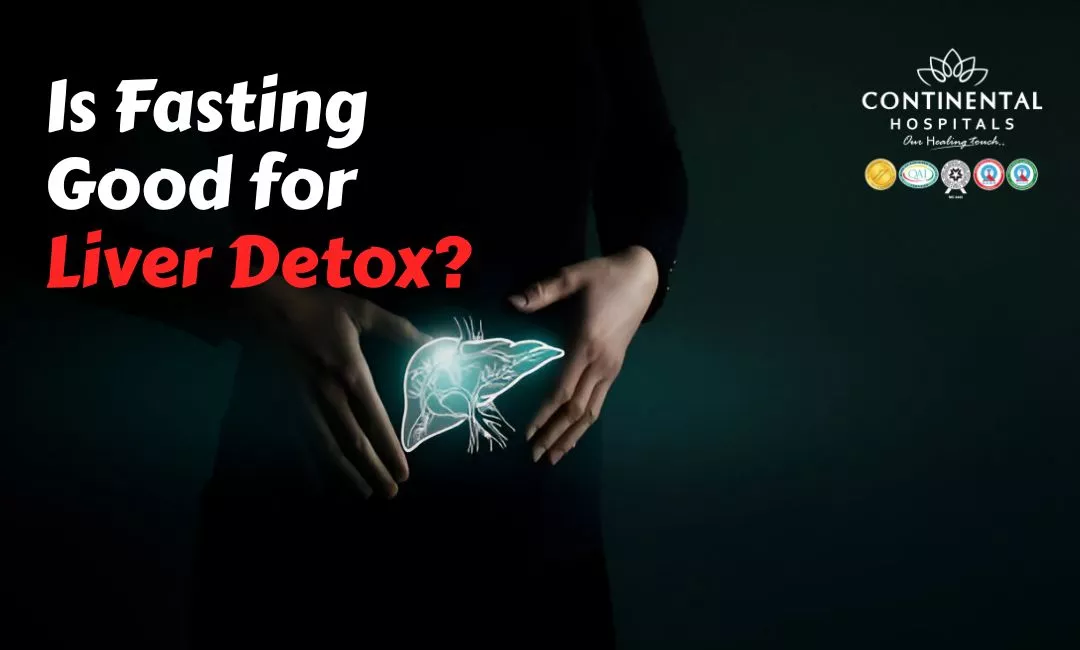
Is Fasting Good for Liver Detox?

Written by - Editorial Team
Medically Reviewed by - Dr Guru N Reddy

The liver plays a crucial role in detoxifying our body by processing toxins and chemicals, converting them into waste products that are then eliminated through the kidneys or intestines. But, in today’s fast-paced world, many of us struggle with liver health due to factors like poor diet, alcohol consumption, and exposure to environmental toxins. This has led to the growing popularity of liver detox programs, including fasting. But the question remains: Is fasting good for liver detox?

What Is the Role of the Liver in Detoxification?

Before diving into whether fasting is effective for liver detox, it’s important to understand what the liver does. Your liver acts as the body’s natural filter, helping to remove toxins, produce bile for digestion, and store nutrients. If the liver is functioning well, it can naturally detoxify the body without the need for external methods like fasting. However, lifestyle choices and certain health conditions can affect its ability to work at its full potential.

If you're experiencing digestive symptoms, don't ignore them. Visit our gastroenterology specialist doctors at Continental Hospitals for expert diagnosis and advanced treatment.
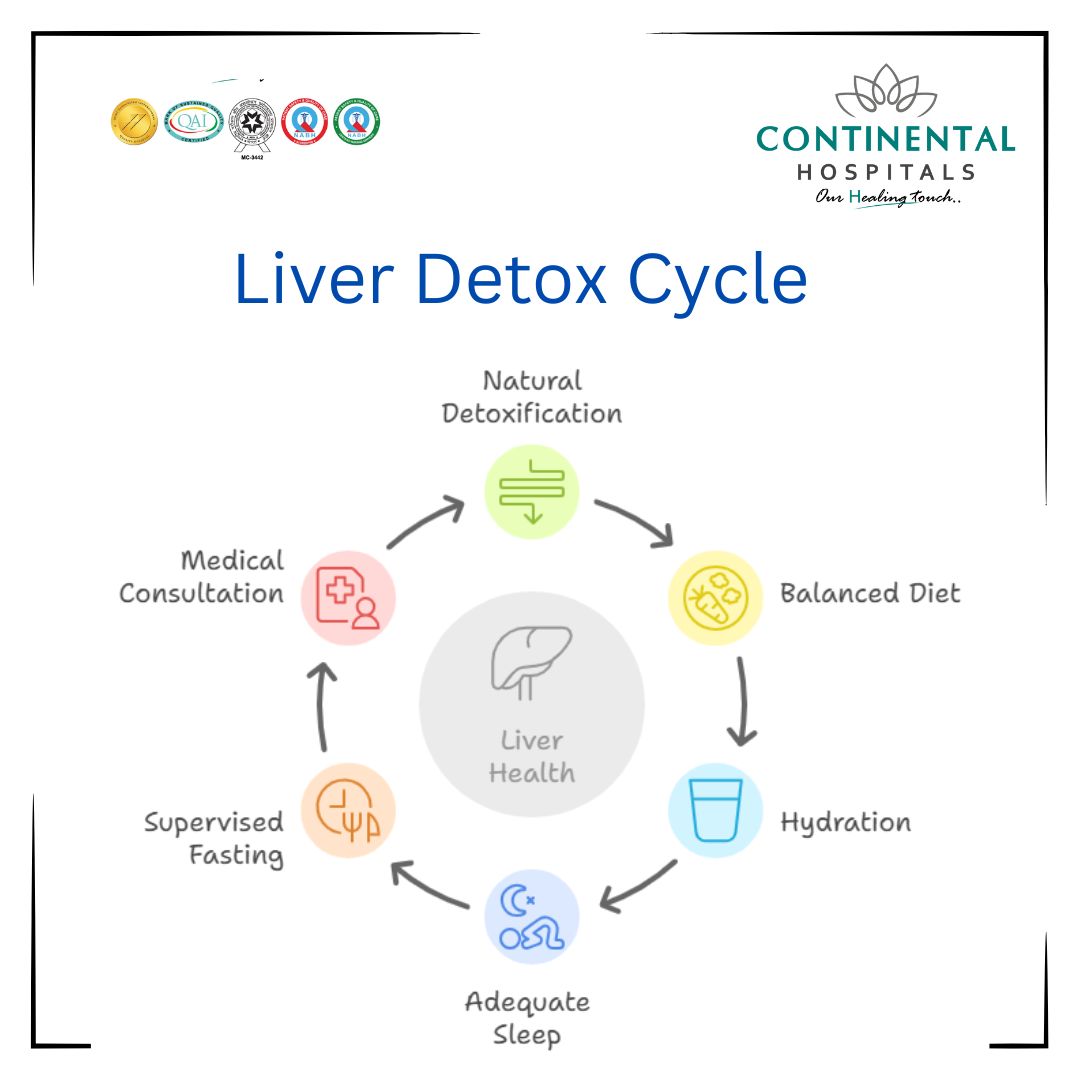
How does fasting affect the liver?

Fasting, whether it’s intermittent fasting or longer fasting periods, has been shown to have several potential benefits for liver health. When you fast, your body shifts its focus from digesting food to repairing and cleaning up cells. Here’s how fasting can affect your liver:

Cellular Repair
During a fast, the body enters a state called autophagy. This is when your cells break down and remove damaged components, allowing for rejuvenation. Since the liver is composed of millions of cells, this process is vital for maintaining its function. It is believed that fasting promotes liver cell regeneration, enabling the liver to detoxify itself more effectively.

Reducing Fat Accumulation in the Liver
Fatty liver disease is a common issue where fat accumulates in liver cells. This can impair liver function and lead to conditions like non-alcoholic fatty liver disease (NAFLD). Fasting has been shown to help reduce fat buildup by encouraging fat breakdown and improving insulin sensitivity, both of which help reduce liver fat.

Reducing Inflammation
Chronic inflammation in the liver can lead to liver diseases, including cirrhosis. Fasting has been linked to a reduction in inflammation, which can help reduce the risk of liver damage over time. By giving the liver a break from constant digestion, fasting allows it to focus on repairing itself and reducing inflammation.

Improved Bile Production
Bile is essential for breaking down fats and removing waste from the liver. Fasting has been shown to improve the liver's ability to produce bile, which can further enhance detoxification.

Second Opinion

If you're experiencing symptoms, contact our best gastroenterologists at Continental Hospitals, the best in Hyderabad, for prompt care.

What are the different types of fasting and how do they affect the liver?

When it comes to fasting, there are several approaches that people follow. Some of the most popular fasting methods include:

Intermittent Fasting
This method involves cycling between periods of eating and fasting. Common patterns include the 16/8 method, where you fast for 16 hours and eat within an 8-hour window. Studies suggest that intermittent fasting can improve liver function, reduce fat accumulation, and promote weight loss, which in turn supports liver detox.

Water Fasting
Water fasting, where only water is consumed for some time, allows the body to fully rest and focus on detoxification. While it may be effective for liver detox, this method should only be done under medical supervision, especially for extended periods.

Juice Fasting
Juice fasting, where you consume only fruit and vegetable juices, can provide nutrients while still allowing the liver to focus on detoxifying. It may not be as intense as water fasting, but it still offers a break from regular digestion and supports liver health.

What Are the Risks of Fasting for Liver Detox?

While fasting can benefit liver detox, it’s not without its risks. For individuals with pre-existing liver conditions, such as cirrhosis or hepatitis, fasting may put additional stress on the liver. Rapid weight loss from extreme fasting can also lead to gallstones, a painful condition that affects the gallbladder and liver. Therefore, it is important to approach fasting cautiously and consult with a healthcare provider before beginning any fasting regimen, especially if you have underlying liver issues.

How Do You Know If Your Liver Needs a Detox?

You may wonder if your liver needs a detox. Some common signs that your liver might be overworked or unhealthy include:

Need an Appointment?

  • Persistent fatigue or low energy levels
  • Jaundice (yellowing of the skin or eyes)
  • Digestive issues like bloating, constipation, or indigestion
  • Skin issues like acne or unexplained rashes
  • Dark urine or light-colored stool
  • Unexplained weight gain or difficulty losing weight

If you notice any of these symptoms, it could be time to consider lifestyle changes that support liver health, including fasting under professional guidance.

Why Choose Continental Hospitals for Liver Care?

When it comes to liver health, you want to ensure that you are receiving the best care possible. At Continental Hospitals, we offer state-of-the-art facilities and a team of experienced doctors who specialise in liver health. Whether you're considering fasting for liver detox or need treatment for a liver condition, our experts can guide you in making informed decisions that are tailored to your specific health needs.

With a commitment to providing personalized care, we ensure that our patients receive comprehensive support at every stage of their health journey. From diagnostics to treatment options, we are dedicated to helping you maintain optimal liver function and overall well-being.

Conclusion

Fasting can indeed play a role in liver detox by promoting cellular repair, reducing fat accumulation, and improving bile production. However, it's essential to approach fasting with caution, particularly for those with existing liver conditions. If you’re considering fasting as a way to improve your liver health, it’s always best to consult with a healthcare provider first.

If you're experiencing symptoms, contact our best gastroenterologist in hyderabad at Continental Hospitals, the best in Hyderabad, for prompt care.

Related Blogs:

  1. Is Muscle Loss a Sign of Liver Disease?
  2. How to Recognize Liver Problems Early

Frequently Asked Questions

The liver is the body's natural detoxification organ and works continuously without requiring fasting to remove toxins. It filters harmful substances, processes medications, breaks down alcohol, and supports digestion every day. Short-term fasting does not suddenly increase the liver's detoxification capacity. Instead, the liver relies on adequate nutrients, hydration, and proper blood flow to function efficiently. Some studies suggest that controlled fasting may improve certain metabolic markers, but this is not the same as detoxifying the liver. Healthy eating, regular exercise, maintaining a healthy weight, and limiting alcohol have a much greater impact on liver health. Individuals with liver disease should avoid prolonged fasting unless advised by a healthcare provider. If you are concerned about liver function, it is best to seek medical evaluation rather than relying on detox diets or fasting.
Intermittent fasting may offer benefits for some people by improving insulin sensitivity, supporting weight loss, and reducing excess body fat. These changes can indirectly benefit the liver, particularly in people with fatty liver disease related to obesity or metabolic syndrome. However, the benefits come primarily from improved metabolism and calorie control rather than detoxification. Intermittent fasting is most effective when combined with a balanced diet rich in fruits, vegetables, lean proteins, and whole grains. It should not be viewed as a standalone treatment for liver disease. Individuals with diabetes, chronic illnesses, pregnancy, or advanced liver disease should consult their doctor before starting any fasting routine. Personalized medical guidance ensures fasting is both safe and appropriate.
Prolonged fasting can place stress on the body and may negatively affect liver function in some individuals. During extended fasting, the body begins breaking down fat stores rapidly, which increases the workload on the liver. Nutrient deficiencies, dehydration, electrolyte imbalances, and muscle loss may also occur if fasting continues for long periods. People with existing liver disease, diabetes, or chronic medical conditions are particularly vulnerable to complications. Extreme fasting does not provide additional detoxification benefits and may even worsen certain liver problems. A balanced eating pattern is generally safer and more effective for maintaining liver health. Always seek medical advice before attempting prolonged fasting.
Fasting alone cannot reverse fatty liver disease. However, structured intermittent fasting combined with healthy eating and regular physical activity may help reduce body weight and improve insulin resistance. These lifestyle improvements can decrease fat accumulation in the liver over time. Sustainable weight loss remains one of the most effective treatments for non-alcoholic fatty liver disease. The quality of food consumed during eating periods is just as important as the fasting schedule itself. Avoiding sugary drinks, processed foods, and excessive saturated fats supports better liver health. Medical follow-up is essential to monitor liver function and disease progression.
Fasting is not suitable for everyone. People with advanced liver disease, liver cirrhosis, uncontrolled diabetes, chronic kidney disease, eating disorders, pregnancy, or breastfeeding should generally avoid fasting unless specifically advised by their doctor. Individuals taking medications that require food may also experience complications during fasting. Older adults and those with poor nutritional status may be at higher risk of weakness and nutrient deficiencies. Children and adolescents should not follow restrictive fasting plans without medical supervision. A healthcare provider can recommend safer dietary approaches based on individual health conditions. Personalized care is always preferable to following popular detox trends.
The liver naturally detoxifies the body without requiring special detox diets or fasting programs. Supporting liver health involves eating a balanced diet rich in vegetables, fruits, whole grains, healthy fats, and lean proteins. Staying hydrated helps maintain normal metabolic functions. Regular exercise, maintaining a healthy body weight, limiting alcohol intake, and avoiding smoking significantly reduce liver damage. Vaccination against hepatitis when appropriate and careful use of medications also protect liver function. Routine health checkups help detect liver problems early. Consistent healthy lifestyle habits are far more effective than short-term detox plans.
Drinking water is important for overall health, but water fasting does not specifically cleanse or flush toxins from the liver. The liver continuously removes harmful substances using complex biological processes that do not require fasting. Water supports hydration, circulation, and kidney function, which are essential for overall metabolism. However, relying on water-only fasts for detoxification lacks strong scientific evidence. Extended water fasting may lead to fatigue, dizziness, nutrient deficiencies, and dehydration in some people. Maintaining adequate hydration every day, along with a healthy diet, is a safer way to support liver function. Consult a healthcare professional before attempting water-only fasting.
You should consult a doctor if you experience persistent fatigue, yellowing of the skin or eyes, abdominal swelling, severe nausea, dark urine, unexplained weight loss, or ongoing abdominal pain. These symptoms may indicate an underlying liver condition that requires medical evaluation. Delaying proper diagnosis while relying on detox diets or fasting may allow liver disease to progress. Blood tests, imaging studies, and specialist assessment can accurately identify liver problems. Early treatment often leads to better outcomes and prevents complications. A doctor can also recommend safe dietary changes and lifestyle modifications tailored to your condition. Professional medical care remains the safest approach for protecting long-term liver health.
Disclaimer: The information provided in this blog is intended for general knowledge and informational purposes only, and does not constitute medical advice. Always consult with a qualified healthcare professional for any medical concerns or before making any decisions about your health.

Get in Touch With Us

Whether you are from India or abroad, we are here to help you with your medical queries. Please fill out the form below and our team will connect with you shortly.

  • ✔ Quick response from our medical experts
  • ✔ Secure data handling & privacy
  • ✔ Easy upload for reports & documents
0 / 100
Checkboxes Section


banner_image

Chat with our medical experts on WhatsApp for quick assistance and hassle-free appointment booking

Recent Posts
Language Based Image
0 / 100