.webp)

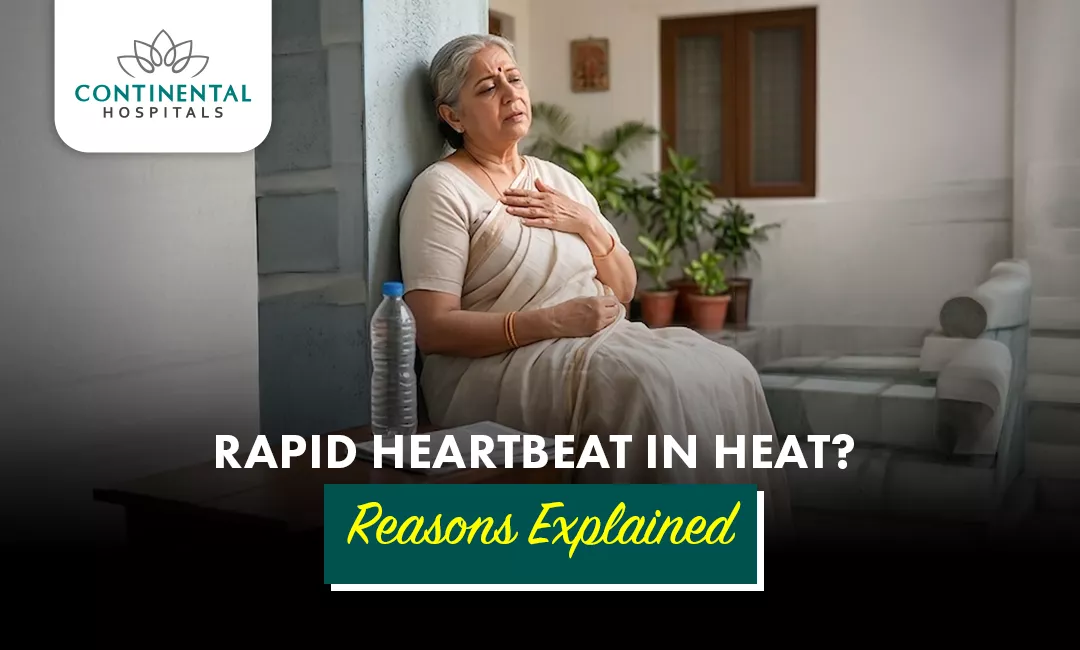
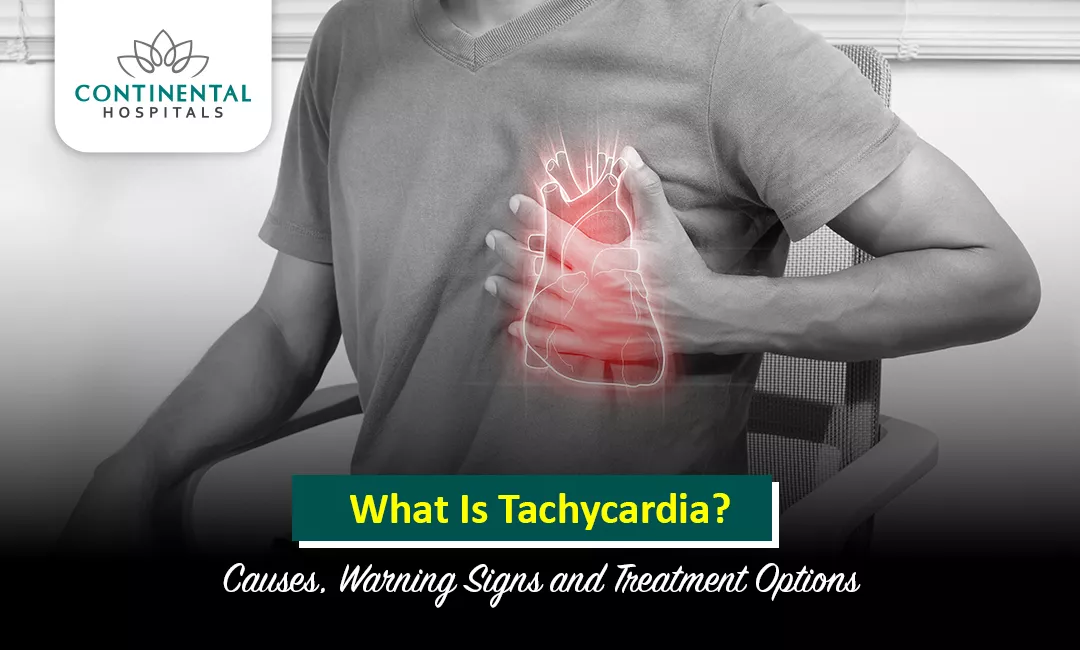
The scorching summer sun brings more than just sweat and thirst. Many individuals notice that as the temperature climbs, their chest begins to feel heavy or their pulse starts to race. Experiencing a rapid heartbeat during a heatwave can be an unsettling sensation. Understanding why your body reacts this way is the first step toward staying safe and maintaining your cardiovascular health during the peak of summer.
Why Does Heat Impact Your Heart Rate?
Your heart acts as the central pump of a very sophisticated cooling system. When the external temperature rises, your body must work harder to maintain its internal core temperature. This process, known as thermoregulation, puts a direct demand on your cardiovascular system.
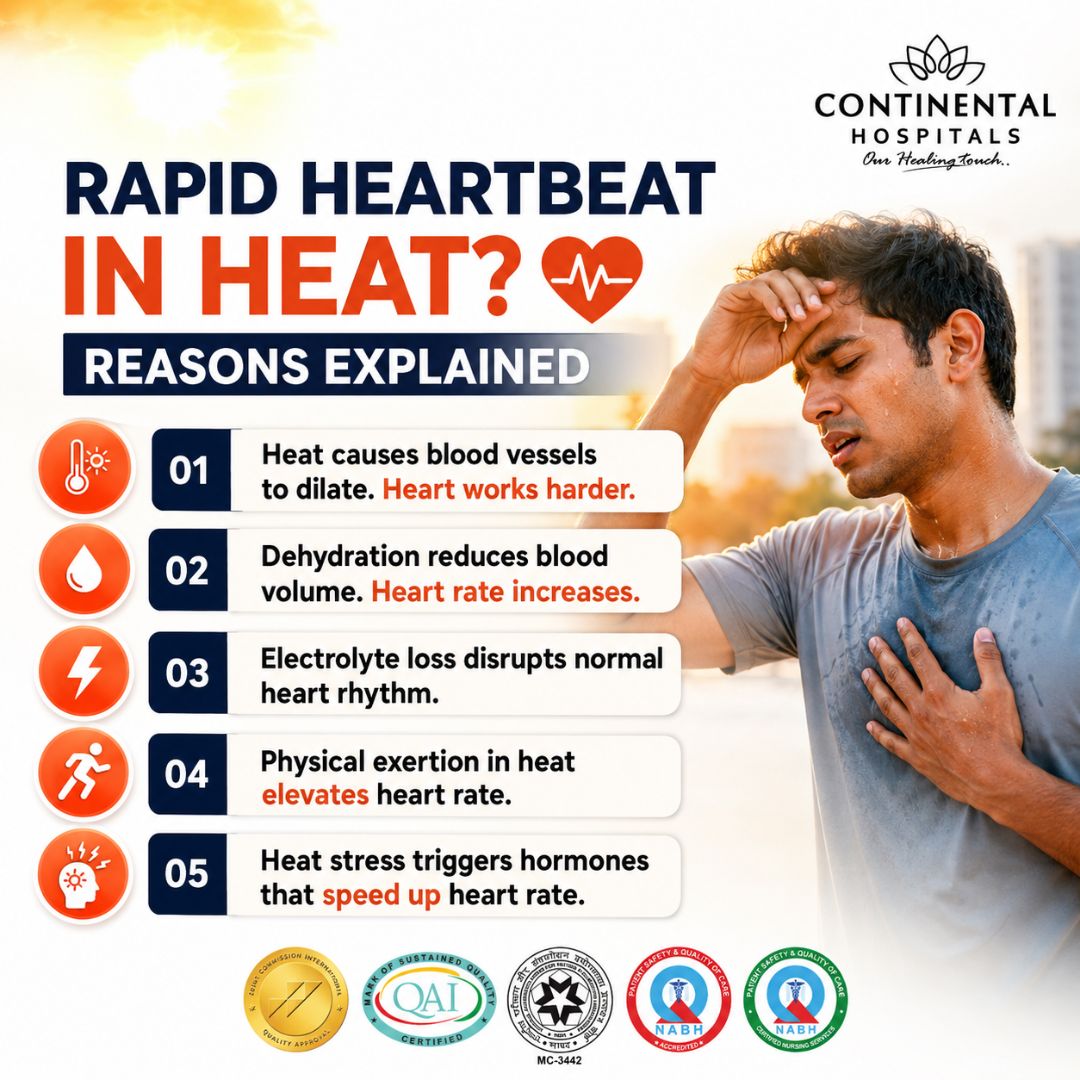
To cool you down, your body directs more blood flow toward the surface of your skin. This allows heat to escape into the environment. To achieve this, the heart must beat faster and pump more forcefully. If you are already dehydrated or exerting yourself, this workload increases significantly, leading to a noticeable rapid heartbeat.
If you experience persistent heart racing or palpitations, don’t ignore it. Visit the Cardiology Department at Continental Hospitals, Hyderabad.
Key Reasons for a Rapid Heartbeat in Heat
Several physiological factors contribute to why you might feel your heart racing when the weather gets hot. By identifying these causes, you can take proactive steps to protect yourself.
1. Dehydration and Blood Volume
Dehydration is perhaps the most common cause of a rapid heartbeat in hot weather. When you sweat excessively without replacing fluids, the total volume of blood in your body decreases. To compensate for having less fluid to move around, the heart accelerates its pace to ensure that oxygen and nutrients still reach your vital organs.
2. Electrolyte Imbalance
Sweat is not just water? it contains essential minerals like sodium, potassium, and magnesium. These electrolytes are responsible for the electrical signals that tell your heart when to beat. When these levels drop due to heat exposure, the electrical rhythm can become erratic, resulting in palpitations or a fast pulse.
3. Vasodilation
In the heat, your blood vessels dilate or widen. While this helps heat escape through the skin, it also causes a temporary drop in blood pressure. The brain senses this drop and signals the heart to speed up to maintain stable pressure, often resulting in a rapid heartbeat.
4. Humidity Factors
High humidity prevents sweat from evaporating efficiently. When sweat stays on the skin, the body cannot cool down effectively, forcing the heart to work at a high intensity for a longer duration to try and manage the rising internal temperature.

Recognizing the Signs of Heat-Related Cardiac Stress
It is vital to distinguish between a normal physical response to heat and a medical emergency. If you experience a rapid heartbeat along with the following symptoms, you should seek a cooler environment immediately:
- Dizziness or lightheadedness
- Excessive fatigue or sudden weakness
- Nausea or vomiting
- Confusion or inability to concentrate
- Skin that feels cold and clammy despite the heat
Practical Tips to Manage Your Heart Rate in Summer
Preventing a rapid heartbeat involves managing your environment and your habits. Here are actionable steps to keep your heart calm during the hotter months:
- Hydrate Constantly: Do not wait until you are thirsty to drink water. Sip fluids throughout the day to maintain blood volume.
- Time Your Activity: Avoid outdoor exercise or heavy physical labor during the peak sun hours, typically between 11 AM and 4 PM.
- Wear Breathable Clothing: Use light-colored, loose-fitting cotton fabrics that allow air to circulate and sweat to evaporate.
- Limit Stimulants: Caffeine and energy drinks can further elevate your heart rate. Opt for electrolyte-rich drinks or plain water instead.
- Seek Shade: If you must be outside, take frequent breaks in air-conditioned or shaded areas to let your heart rate return to normal.
Why Choose Continental Hospitals for Cardiac Care?
When it comes to managing heart health, especially under the stress of extreme weather conditions, choosing the right healthcare partner is essential. Continental Hospitals is recognized as the best hospital in Hyderabad for comprehensive cardiac care. Our facility is designed to provide world-class medical intervention with a patient-first approach.
Global Standards and Accreditations
Continental Hospitals stands as a beacon of quality in the Indian healthcare landscape. We are proud to hold prestigious accreditations that validate our commitment to safety and excellence:
JCI Accreditation: The Joint Commission International gold seal reflects our adherence to global standards of patient care and safety.
NABH Accreditation: The National Accreditation Board for Hospitals & Healthcare Providers ensures that our clinical processes meet the highest national benchmarks.
NABL Accreditation: Our diagnostic laboratories are certified for precision and reliability, ensuring your heart health assessments are accurate.
Advanced Infrastructure and Expertise
Our Heart Center is equipped with state-of-the-art technology to diagnose the root cause of a rapid heartbeat and other cardiac concerns. From advanced imaging to minimally invasive procedural suites, we offer everything under one roof. Our team of cardiologists and electrophysiologists are experts in managing complex heart rhythms and heat-related cardiovascular issues.
Conclusion
A rapid heartbeat in the heat is your body’s way of signaling that it is working overtime to stay cool. While often a normal reaction to high temperatures, it should never be ignored? especially if you have underlying health conditions. Staying hydrated, monitoring your exertion levels, and staying informed are your best defenses against the summer heat.
If you frequently experience a rapid heartbeat or feel that your heart rhythm is irregular during the summer months, it is important to consult a professional. Early intervention can prevent more serious heat-related complications and ensure your cardiovascular system remains resilient.
If you suffer from persistent heart racing or palpitations, do not take a chance with your health. Schedule a consultation with our specialists to ensure your heart is functioning optimally. Consult our best cardiologist in Hyderabad at Continental Hospitals.
Related Blog Topics: